Chatbots Best in category 8 results Conversational Ai AI Tool

Popular AI tools in the Conversational Ai field of Chatbots include Pi、Free AI (not a) Therapist、TherapyWithAI、lotustherapist、Stamina、Quazel、Healing Journey、trippy.chat, etc., helping you quickly improve efficiency.

Free
Pi

Pi

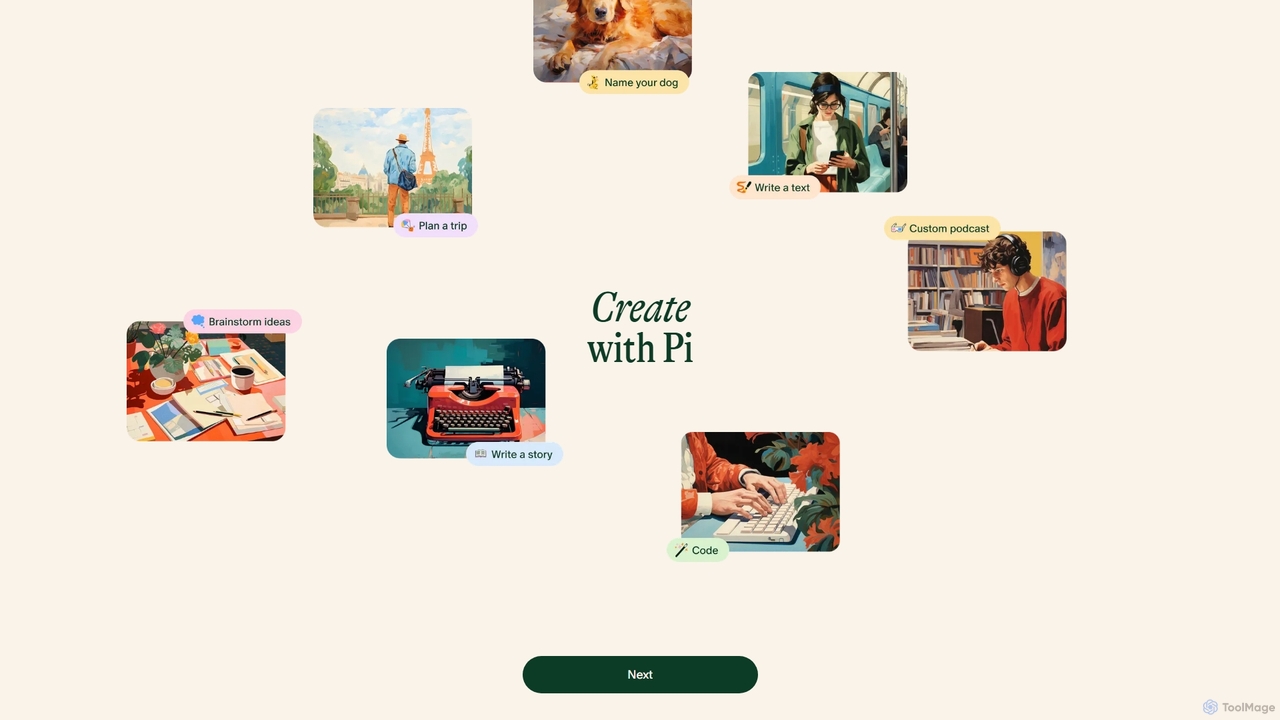
Pi is a personal AI designed to be a supportive and intelligent companion. Developed by Inflection AI, it …

560.7K
Free
Free AI (not a) Therapist

Free AI (not a) Therapist

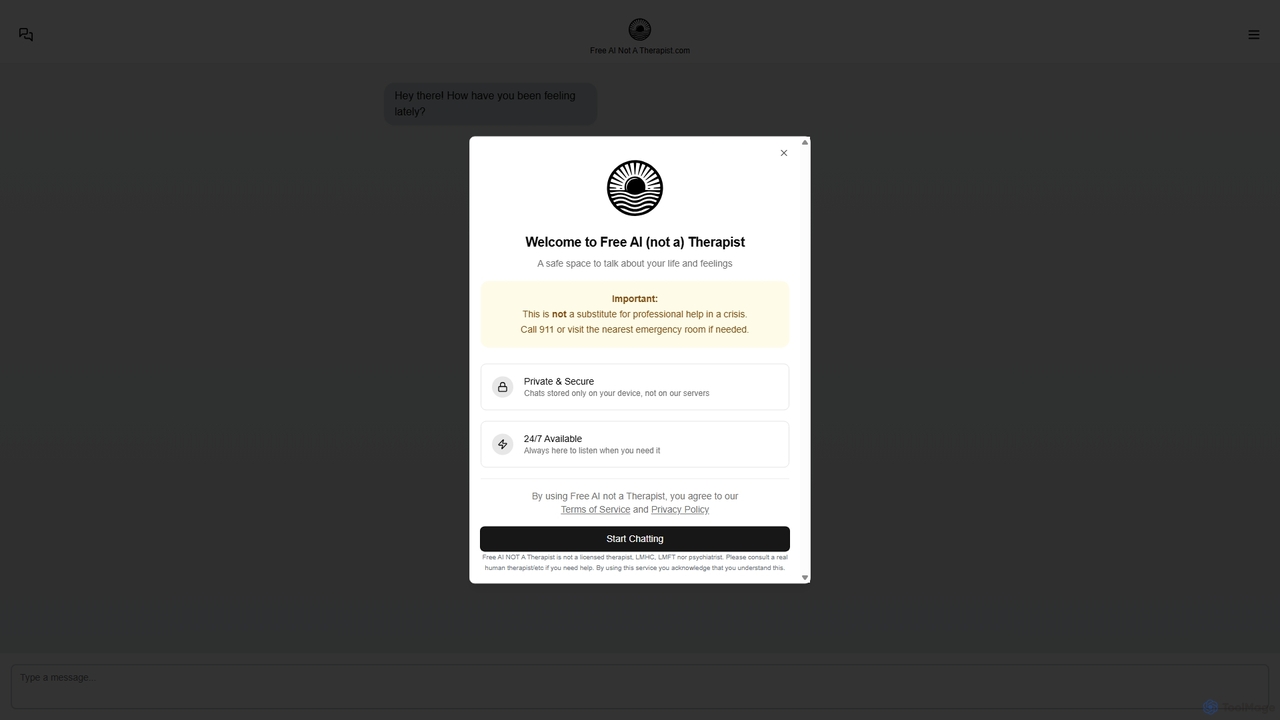
A free, private, and anonymous AI chatbot providing a safe space for users to discuss their feelings and …

34.8K
TherapyWithAI

TherapyWithAI

TherapyWithAI is a personal AI therapist offering 24/7 confidential mental health support through text and voice chat. It …

20.3K
Healing Journey

Healing Journey

Healing Journey is an AI-powered therapist chatbot designed to provide accessible, confidential, and non-judgmental mental health support. Available …

3.0K
Free
lotustherapist

lotustherapist

lotustherapist is a free, anonymous AI therapist specializing in Cognitive Behavioral Therapy (CBT). It provides a secure, no-login-required …

7.2K
trippy.chat

trippy.chat

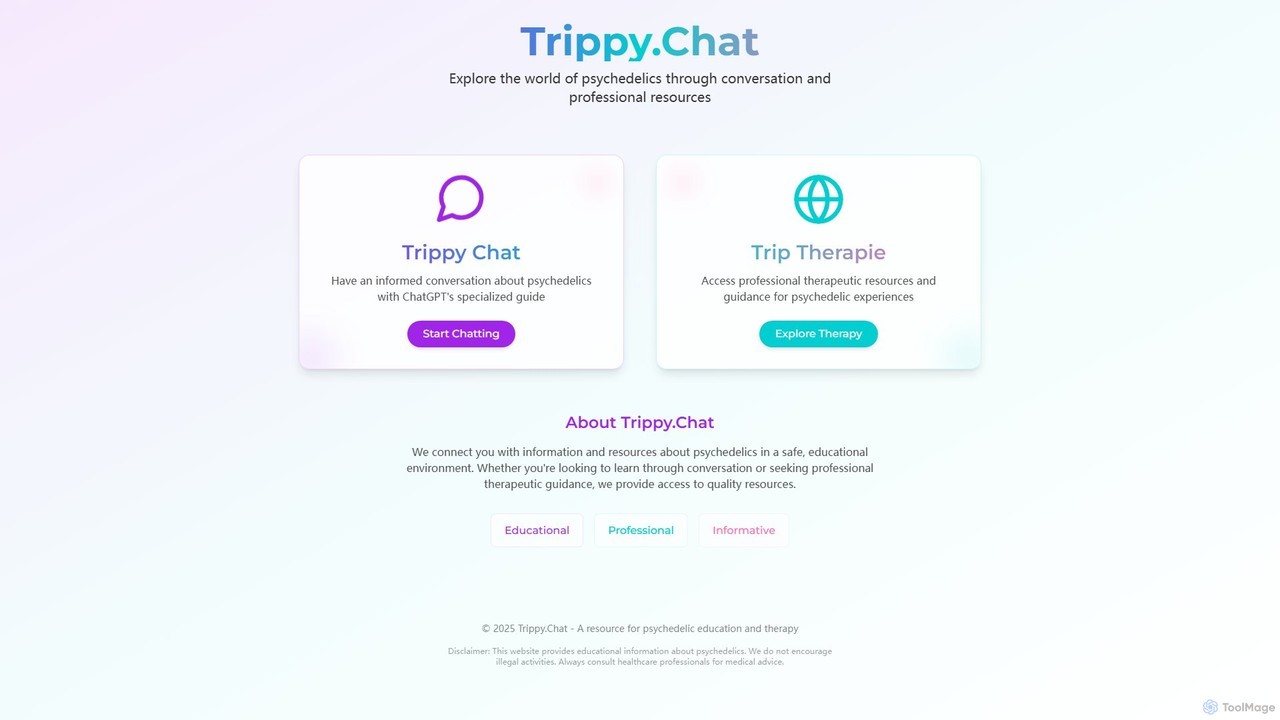
trippy.chat is an AI-powered platform for safe and educational exploration of psychedelics. It features a specialized chatbot for …

3.0K
Quazel

Quazel

Quazel is your personal AI language tutor, designed to help you master new languages through engaging, real-world conversations. …

3.2K
Stamina

Stamina

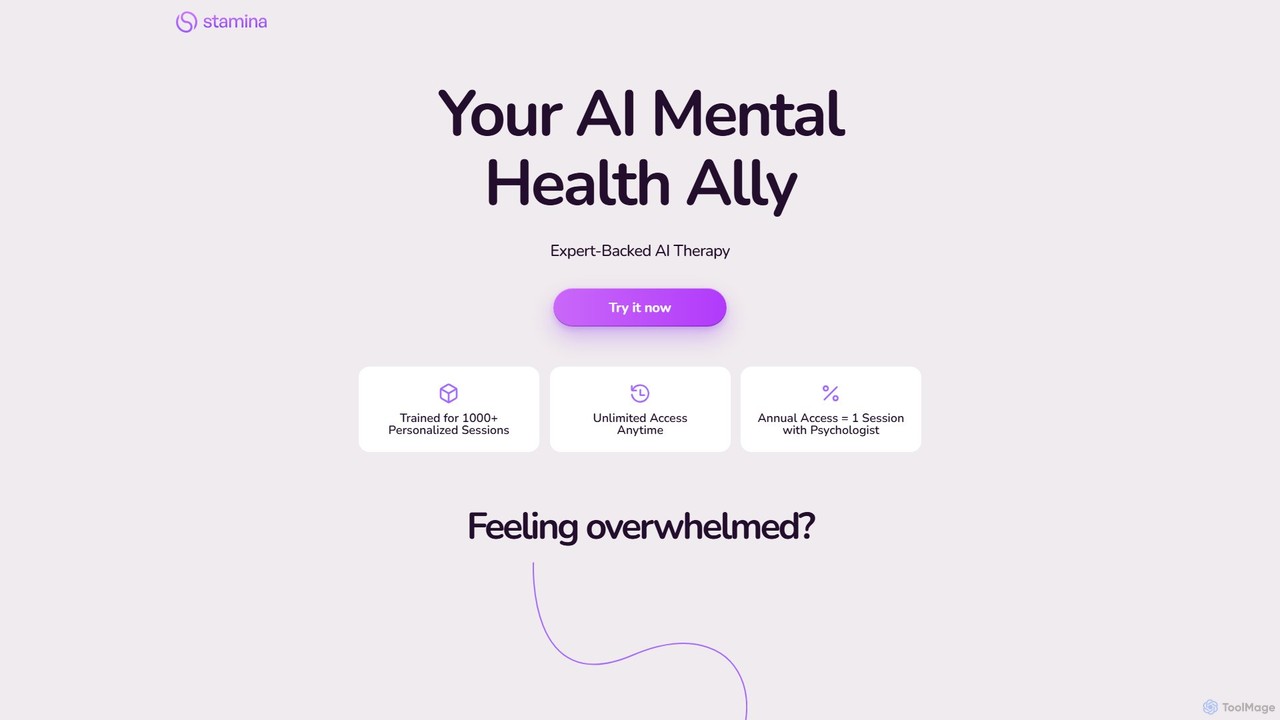
Stamina is an expert-backed AI mental health ally providing 24/7 support through personalized, evidence-based therapy. Leveraging Cognitive Behavioral …

3.7K

About Conversational Ai

Conversational AI refers to AI-powered systems designed to simulate human-like conversations through natural language. These advanced tools leverage natural language processing (NLP), machine learning, and context understanding to interact with users via text or voice. They aim to provide personalized, intelligent, and seamless communication experiences across various platforms, going beyond simple rule-based responses. This technology is crucial for automating customer service, enhancing user engagement, and streamlining information access.

Core Features

  • Natural Language Understanding (NLU): Interprets user intent, sentiment, and context from free-form text or speech.
  • Context Management: Retains memory of previous interactions to maintain coherent and relevant conversations.
  • Multi-channel Deployment: Operates seamlessly across websites, mobile apps, messaging platforms, and voice assistants.
  • Personalized Responses: Generates tailored answers and recommendations based on user profiles and interaction history.
  • Intent Recognition: Accurately identifies the user's goal or query, even with varied phrasing.

Use Cases

Conversational AI is widely adopted in customer service for automating inquiries, in sales for lead qualification, and in HR for onboarding. It also powers virtual assistants, educational platforms for language practice, and mental wellness apps, providing interactive and intelligent user experiences across diverse sectors.

How to Choose

When selecting a Conversational AI tool, evaluate its NLU accuracy and ability to understand diverse user inputs. Consider its integration capabilities with existing CRM or messaging platforms, and assess its scalability to handle increasing user volumes. Look for ease of customization and training with specific domain knowledge and brand voice to ensure optimal performance.

Conversational AiUse Cases

1

Automating Tier-1 Customer Support Inquiries

For e-commerce businesses, a conversational AI assistant can handle common customer queries like order status, return policies, or product information 24/7. By understanding natural language questions, it provides instant, accurate answers, freeing human agents to focus on complex issues. This significantly reduces response times and improves customer satisfaction without requiring manual intervention for routine tasks.

2

Personalized Product Recommendations in Retail

Retailers can deploy conversational AI on their websites or apps to act as a virtual shopping assistant. It engages users in dialogue about their preferences, style, and budget, then leverages this context to offer highly personalized product suggestions. This interactive experience guides customers through their purchasing journey, enhancing discovery and boosting conversion rates by mimicking a human sales associate.

3

Streamlining HR Onboarding and FAQ Management

HR departments can utilize conversational AI to automate the onboarding process for new employees and manage internal FAQs. New hires can ask questions about company policies, benefits, or IT support in natural language, receiving immediate, accurate responses. This reduces the burden on HR staff, ensures consistent information delivery, and helps new employees quickly find the resources they need, improving their initial experience.

4

Interactive Language Learning and Practice

Educational platforms can integrate conversational AI to provide interactive language learning experiences. Users can practice speaking and writing with an AI tutor that understands their responses, corrects grammar, and offers vocabulary suggestions in real-time. This personalized, non-judgmental practice environment helps learners build confidence and fluency at their own pace, simulating real-life conversations.

5

Mental Health Support and Wellness Coaching

Healthcare providers or wellness apps can use conversational AI to offer initial mental health support or coaching. The AI can engage users in empathetic conversations, ask relevant questions, and provide guided exercises or resources based on their expressed feelings. While not a substitute for professional therapy, it offers accessible, confidential support, helps users articulate their thoughts, and directs them to appropriate human care when necessary.

6

Lead Qualification and Sales Engagement

Sales teams can deploy conversational AI on landing pages or within CRM systems to qualify leads. The AI engages potential customers in a natural dialogue, asking targeted questions about their needs, budget, and timeline. Based on the responses, it can score leads, provide relevant information, and schedule demos with sales representatives, ensuring that human agents focus only on high-potential prospects and accelerate the sales cycle.

Conversational AiFrequently Asked Questions