
Chatbots Best in category 1 results Customer Support AI Tool

Popular AI tools in the Customer Support field of Chatbots include PAAL AI, etc., helping you quickly improve efficiency.

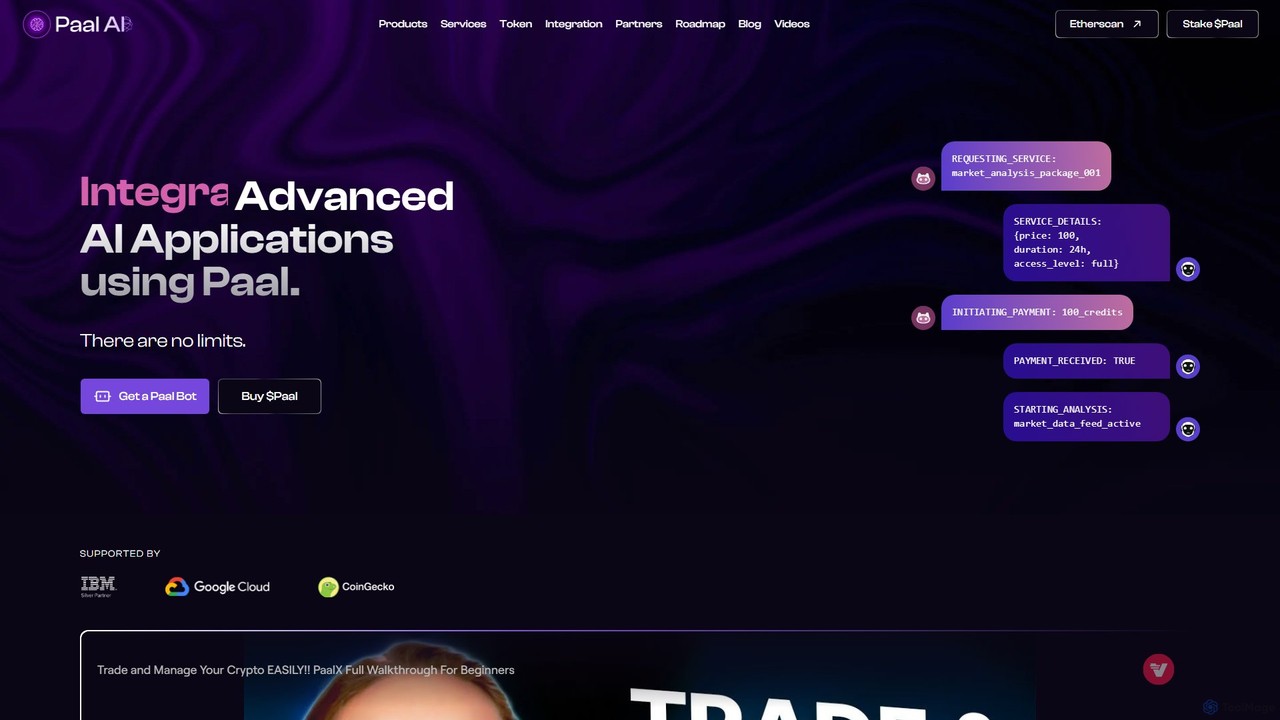
PAAL AI

PAAL AI

PAAL AI is a comprehensive ecosystem that leverages advanced AI and machine learning to create and integrate intelligent …

6.2K

About Customer Support

AI Customer Support tools are specialized chatbots designed to automate and enhance customer service interactions. They leverage Natural Language Processing (NLP) to understand user inquiries, provide instant answers, and perform tasks without human intervention. These tools integrate with knowledge bases and CRM systems to deliver personalized, context-aware support 24/7, significantly reducing response times and improving customer satisfaction. Their primary value lies in efficiently handling high volumes of repetitive queries, freeing up human agents to focus on more complex issues.

Core Features

  • Automated Ticket Management: Automatically creates, categorizes, routes, and updates support tickets in your helpdesk system.
  • Knowledge Base Integration: Instantly retrieves and delivers relevant articles or guides from your help center to answer user questions.
  • Seamless Agent Handoff: Intelligently transfers complex conversations to a live agent with full context and chat history.
  • Sentiment Analysis: Detects user emotions like frustration or urgency to prioritize or escalate conversations appropriately.
  • Multi-channel Consistency: Provides a unified support experience across various platforms, including websites, mobile apps, and social media messengers.

Applicable Scenarios

These tools are widely used in industries like e-commerce for order tracking and return processing, SaaS for user onboarding and technical troubleshooting, and finance for account inquiries and transaction support. They excel in environments with high query volumes where speed and availability are critical for customer retention.

Selection Criteria

When choosing an AI Customer Support tool, evaluate its integration capabilities with your existing CRM and helpdesk software (e.g., Zendesk, Salesforce). Assess the customization options for conversation flows and branding. Also, consider the quality of its analytics for tracking performance metrics and the tool's ability to scale with your business growth.

Customer SupportUse Cases

1

Automate 24/7 FAQ Answering for E-commerce

An online retail store manager uses an AI customer support tool to handle common inquiries outside of business hours. The chatbot is integrated with the store's knowledge base, allowing it to instantly answer questions about shipping policies, return procedures, and product specifications. When a customer asks, 'How long does shipping take to California?', the bot provides the exact timeframe from the help articles. This provides immediate assistance to customers around the clock, reducing the number of basic support tickets by up to 60% and improving overall customer satisfaction.

2

Triage Technical Support Issues for SaaS

A support team at a SaaS company implements an AI chatbot to act as the first line of defense for technical queries. When a user reports a bug, the bot follows a predefined script to gather essential information, such as the user's browser version, operating system, and steps to reproduce the issue. It then attempts to solve the problem by suggesting solutions from the knowledge base. If the issue persists, the bot automatically creates a high-priority ticket in Zendesk with all the collected data and assigns it to the appropriate engineering team, reducing diagnostic time for human agents by 30%.

3

Automate Order Status Inquiries

A customer service representative for a large online marketplace configures a chatbot to handle 'Where is my order?' (WISMO) queries. The bot integrates with the company's order management system via an API. When a customer provides their order number, the bot instantly retrieves and displays the real-time shipping status, including carrier information and estimated delivery date. This automation deflects thousands of repetitive calls and emails from the support team, allowing them to focus on more complex issues like damaged goods or payment disputes, and improves first-contact resolution rates.

4

Guide New Users Through Software Onboarding

A product manager for a project management tool uses an in-app AI support bot to improve user onboarding. When a new user signs up, the bot proactively initiates a conversation, guiding them through key initial steps like creating their first project, inviting team members, and setting up a task. The bot provides short video tutorials and links to relevant help articles contextually. This interactive guidance helps users achieve their first 'aha' moment faster, leading to a 20% increase in user activation rates and a reduction in initial setup-related support tickets.

5

Collect Customer Feedback Post-Interaction

A customer support manager sets up an AI bot to automatically trigger a feedback survey after a support ticket is resolved. Instead of sending a static email, the bot engages the customer in a brief, conversational survey directly in the chat window or via SMS. It asks for a CSAT score and follows up with an open-ended question like, 'What could we have done better?'. The bot's sentiment analysis feature categorizes the text feedback as positive, negative, or neutral, providing the team with structured, actionable insights to improve their service quality without manual analysis.

6

Qualify Leads and Book Demos on a Website

A marketing manager for a B2B software company uses a customer support bot on their pricing page to engage potential leads. The bot proactively asks visitors if they need help understanding the plans. It then asks a series of qualifying questions, such as company size and primary use case. Based on the answers, it recommends the most suitable plan and offers to book a demo directly on the sales team's calendar by integrating with Calendly. This process automates lead qualification and scheduling, increasing the number of qualified demos booked by 25%.

Customer SupportFrequently Asked Questions