ToolMage
Sign in

Best 3 Personalized Ai AI tools for Chatbots

Popular Personalized Ai AI tools in Chatbots include Spheria, Amigotor, and Twinning, helping you work more efficiently.

Spheria
Freemium

Spheria

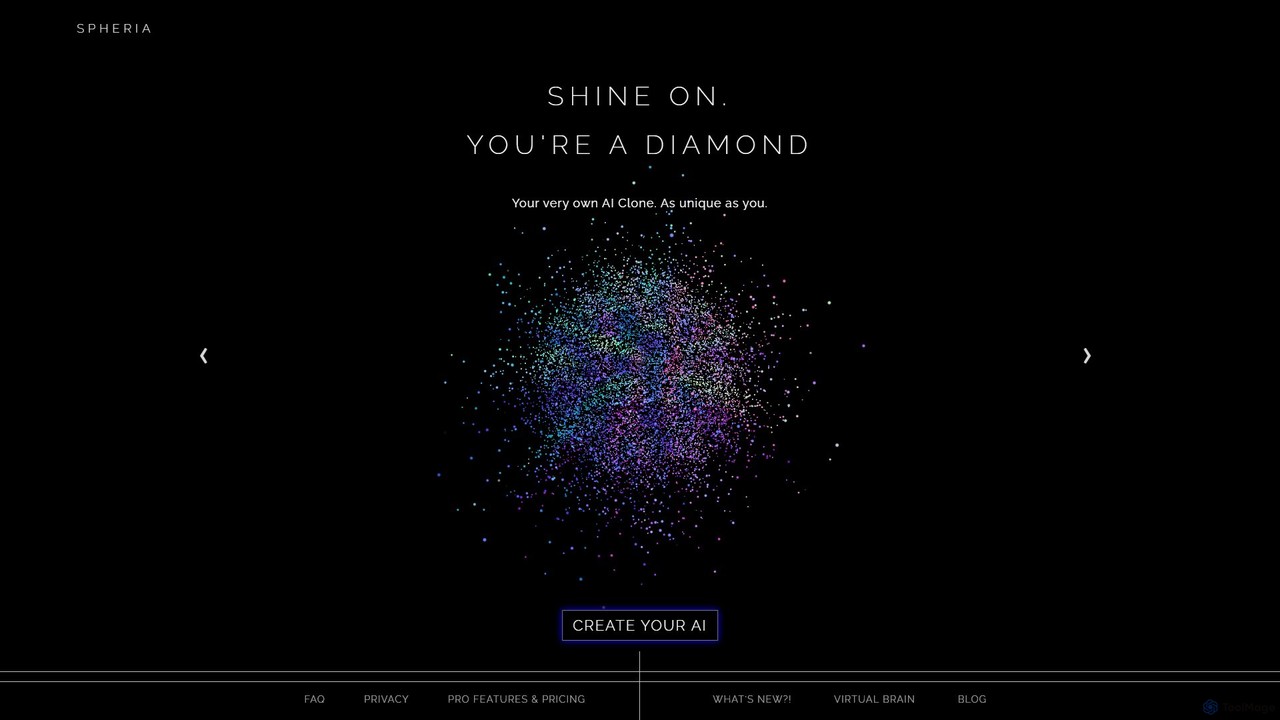
Spheria is a no-code platform that allows you to create a custom AI clone, or Digital Twin, from your personal data. It centralizes your knowledge into a 'Virtual Brain,' enabling your AI to reflect your unique personality, opinions, and expertise. It's designed for personal branding, audience engagement, and advanced knowledge management, with a strong commitment to user privacy and data ownership.

Personalized Ai
Visits 6.5KFavorites 104Likes 104
Twinning
Paid

Twinning

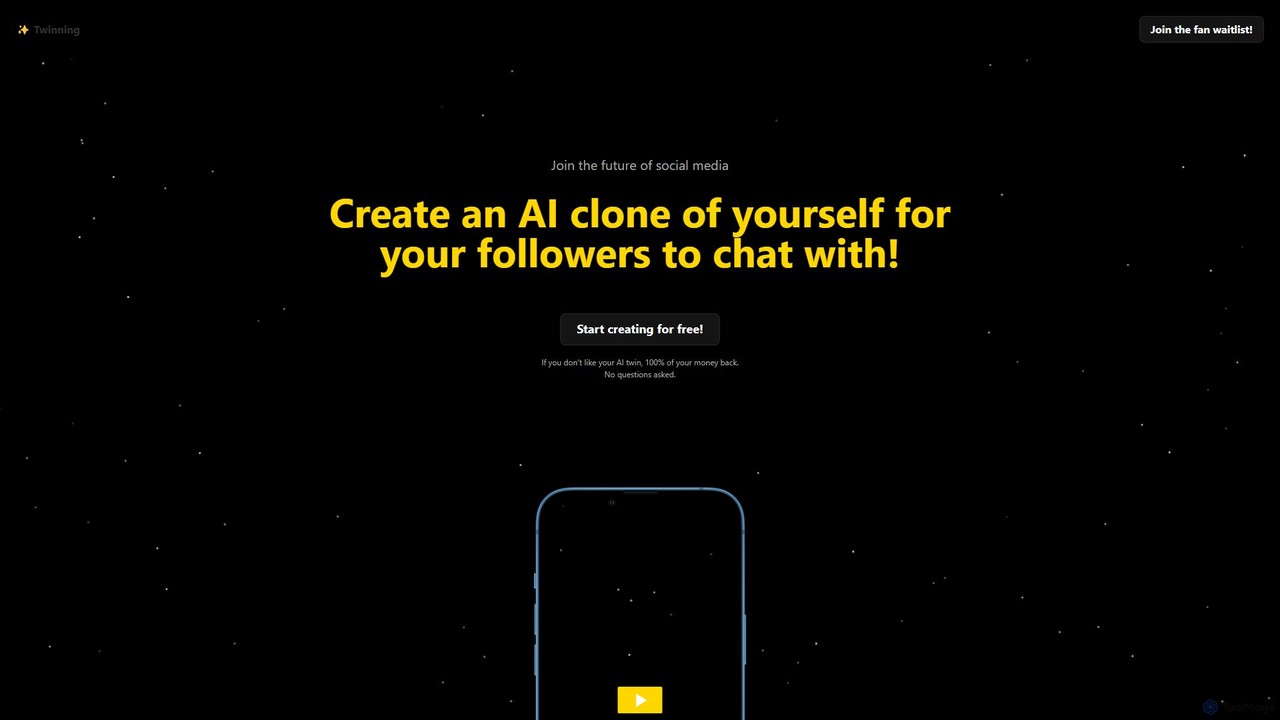
Twinning empowers influencers and creators to build a personalized AI clone of themselves. This AI twin, featuring professional voice cloning, can chat with followers 24/7 via text and audio, creating a unique fan engagement experience and a new monetization channel.

Voice Cloning
Visits 4.3KFavorites 128Likes 135
Amigotor
Freemium

Amigotor

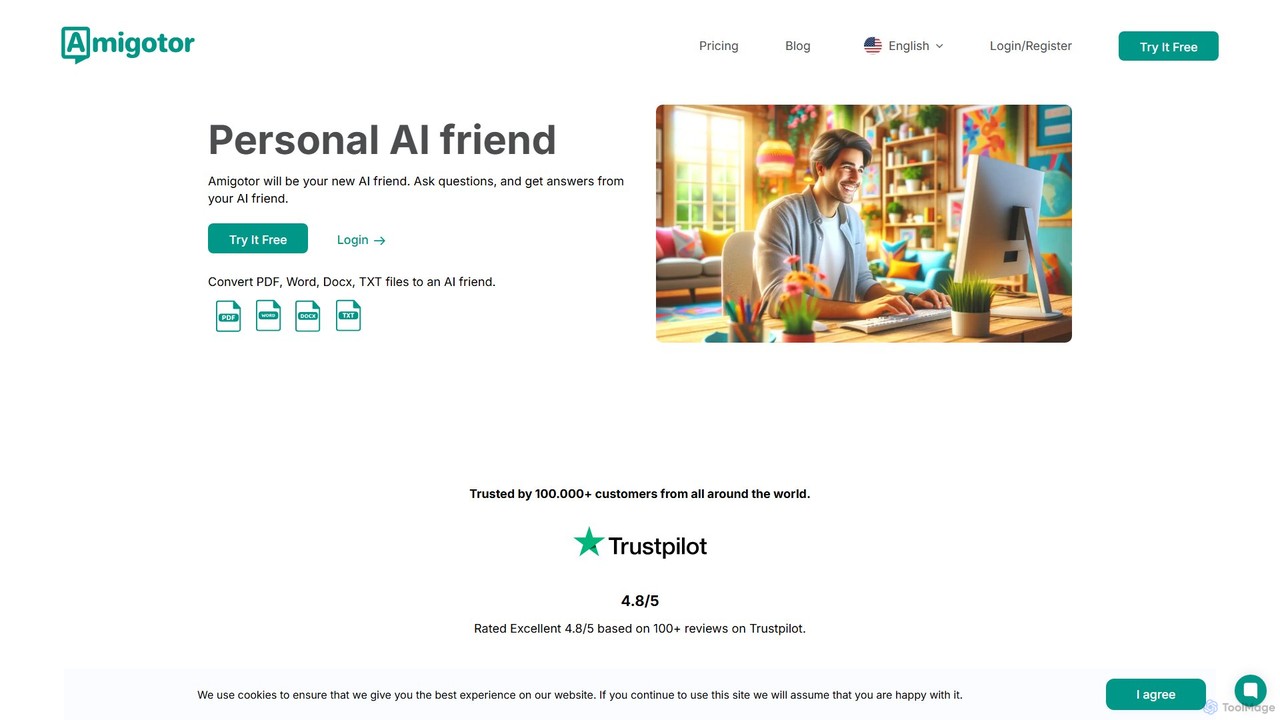
Amigotor is a personal AI companion that transforms your documents (PDF, Word, TXT, images) into interactive AI friends. Upload your files, ask questions, get instant summaries, and extract key information through a natural chat interface. It supports over 100 languages and offers collaborative workspaces for teams, making document interaction and learning more efficient and engaging.

Personalized Ai
Visits 5.9KFavorites 113Likes 118

About Personalized Ai

Personalized AI represents a class of advanced chatbots designed to create unique, adaptive conversational experiences for each individual user. These tools leverage machine learning to analyze user history, preferences, and past interactions, building a dynamic user profile. This allows them to deliver highly relevant responses, recommendations, and support, moving beyond generic scripts to foster genuine engagement and loyalty. The core value lies in their ability to remember context across sessions, making each conversation feel like a continuation of an ongoing relationship.

Core Features

  • Long-Term Memory: Remembers details and context from previous conversations, ensuring continuity.
  • User Profile Modeling: Dynamically builds and updates a profile of a user's interests, preferences, and behavior.
  • Adaptive Dialogue: Adjusts its communication style, tone, and content to match the individual user.
  • Proactive Engagement: Can initiate conversations or offer suggestions based on learned user patterns and context.
  • Contextual Understanding: Interprets new queries in light of the entire interaction history, providing more accurate answers.

Applicable Scenarios

Personalized AI is ideal for applications where long-term user relationships are crucial. This includes creating digital companions and AI friends, developing hyper-personalized e-commerce shopping assistants that learn a user's style, and building adaptive learning tutors that tailor educational content to a student's progress. It is also used for providing high-touch customer support where agents need full historical context.

Selection Criteria

When choosing a Personalized AI tool, evaluate the depth and persistence of its memory. Assess its data privacy and security policies, ensuring users have control over their data. Consider its ability to integrate with external data sources (like CRMs) to enrich user profiles. Finally, examine the model's learning capabilities—how quickly and accurately it adapts to new user information.

Featured tool rankings

Personalized Ai use cases

1

Creating a Digital Companion or AI Friend

For individuals seeking companionship or a personalized sounding board, a Personalized AI can be trained on their life details, communication style, and interests. The user interacts with the AI daily, sharing thoughts and experiences. The AI uses its long-term memory to recall past events, ask follow-up questions about ongoing projects, and adapt its personality to be more supportive or humorous based on the user's mood. This creates a unique, evolving relationship that provides emotional support and a non-judgmental space for conversation, far beyond the capabilities of a standard chatbot.

2

Developing a Hyper-Personalized Shopping Assistant

An e-commerce business can deploy a Personalized AI as a shopping assistant. Unlike a standard bot that offers generic filters, this AI tracks a user's browsing history, past purchases, style preferences (e.g., 'likes vintage styles'), and even conversations about upcoming events. When the user asks for 'a dress for a wedding,' the AI recalls their preference for A-line cuts and their favorite color, blue, and suggests specific items that match. It can proactively notify them when a previously viewed item in their size goes on sale, creating a highly tailored shopping experience that increases conversion rates.

3

Building an Adaptive Learning Tutor

An educational platform uses Personalized AI to create individual learning paths. A student struggling with algebra interacts with the AI tutor. The AI notices the student consistently makes errors in factoring quadratic equations. Instead of just providing correct answers, it recalls previous sessions and identifies the root misunderstanding. It then generates new, simpler practice problems focused specifically on that weak area and explains the concept using an analogy it knows the student will understand, based on their stated interest in video games. This adaptive approach ensures the student masters foundational concepts before moving on.

4

Providing Proactive & Contextual Customer Support

A SaaS company integrates a Personalized AI into its support chat. When a customer starts a chat about a 'billing issue,' the AI instantly accesses their account history. It knows this customer is on the 'Pro Plan,' recently upgraded, and had a similar query two months ago. Instead of asking generic questions, it opens with, 'I see you recently upgraded to the Pro Plan. Are you asking about the prorated charge from last month's invoice?' This level of context-aware, proactive support resolves issues in a fraction of the time, reduces customer frustration, and frees up human agents for more complex problems.

5

Crafting a Personalized Health & Wellness Coach

A user aiming to improve their fitness interacts with a Personalized AI wellness coach. The user logs their meals, workouts, and daily mood. The AI learns that the user feels most motivated in the morning and often craves sweets in the afternoon. Based on this long-term data, the AI proactively sends a motivational message on Monday morning to kickstart the week and suggests a healthy, sweet-tasting snack option around 3 PM. It remembers the user's long-term goal of running a 5k and tailors workout suggestions to gradually increase stamina, making the advice feel truly personal and effective.

6

Customizing a Personal Productivity Assistant

A project manager uses a Personalized AI assistant integrated with their calendar and email. The AI learns the manager's priorities, recognizes that 'Project Phoenix' is top priority, and knows they prefer concise, bullet-point summaries. Before a meeting, instead of a generic agenda reminder, the AI proactively provides a summary of recent emails related to Project Phoenix, highlights key decision points, and drafts a follow-up email in the manager's typical style. It learns to automatically categorize low-priority emails and only surfaces urgent communications from key stakeholders, acting as a true, personalized extension of the manager's workflow.

Personalized Ai FAQ

What is a Personalized AI?

A Personalized AI is an advanced type of chatbot that creates a unique and adaptive experience for each user. Unlike standard chatbots that provide the same answers to everyone, a Personalized AI uses machine learning to remember past conversations, learn user preferences, and model their behavior over time. This allows it to provide highly contextual responses, tailored recommendations, and engage in conversations that feel continuous and personal, much like talking to a human who knows you.

How does Personalized AI differ from a standard chatbot?

The primary difference lies in memory and learning. A standard chatbot typically operates on a per-session basis with limited or no memory of past interactions. It follows predefined rules or scripts. A Personalized AI, however, maintains a long-term memory and a dynamic profile for each user. It continuously learns from every interaction to tailor future conversations, making it proactive and context-aware, whereas a standard chatbot is mostly reactive and stateless.

What are the key features to look for in a Personalized AI tool?

When selecting a Personalized AI tool, focus on these critical features:

  • Data Privacy Controls: Ensure the tool provides clear policies and user controls for data management, including options for data deletion.
  • Depth of Memory: Evaluate whether it offers true long-term memory across sessions or just short-term contextual memory.
  • Adaptability: Look for how quickly and accurately the AI learns and adapts its responses based on new user input.
  • Integration Capabilities: Check if it can connect to external data sources (like a CRM or user database) to build a richer, more accurate user profile.
Is my data safe with a Personalized AI?

Data safety depends on the provider of the Personalized AI tool. Reputable providers prioritize security and privacy by using end-to-end encryption, adhering to data protection regulations like GDPR, and providing clear privacy policies. Before using a tool, it is crucial to review its policy to understand how your data is stored, whether it's used to train models for other users, and what options you have to view or delete your data. Always choose services that are transparent about their data practices.

Who can benefit from using a Personalized AI?

A wide range of users can benefit. Individuals can use them as digital companions, personal assistants, or learning tutors. Businesses can leverage them to provide hyper-personalized customer support, create tailored e-commerce experiences, and increase user engagement on their platforms. Developers and creators can also use these tools as a foundation to build sophisticated applications that require deep, long-term user understanding, moving beyond the limitations of generic, one-size-fits-all chatbots.