
Chatbots Best in category 1 results Sales AI Tool

Popular AI tools in the Sales field of Chatbots include Soof AI, etc., helping you quickly improve efficiency.

Soof AI

Soof AI

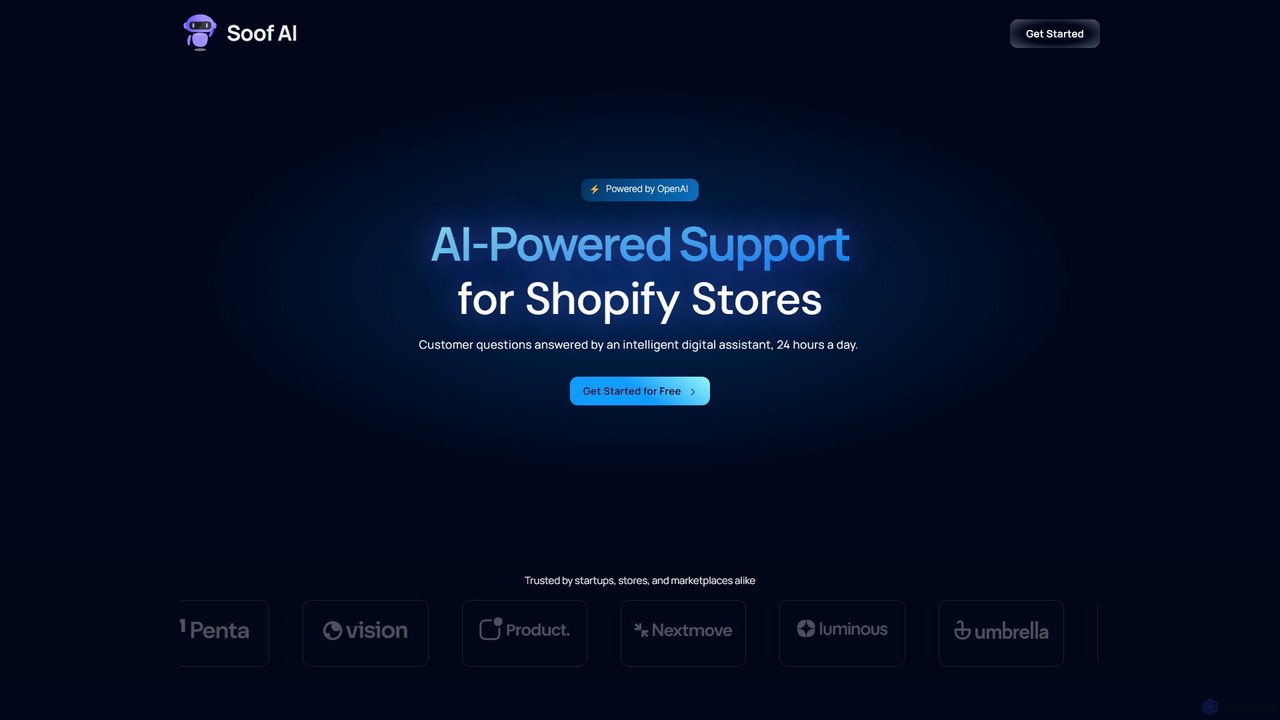
Soof AI is a generative AI assistant designed for e-commerce stores. It enhances the customer experience by providing …

2.8K

About Sales

Sales chatbots are AI-powered conversational agents designed to automate and enhance various stages of the sales process. Leveraging natural language processing (NLP) and machine learning, these tools understand customer inquiries, qualify leads, and provide personalized product information. They help businesses engage prospects 24/7, streamline lead generation, accelerate sales cycles, and improve the overall customer experience by freeing up human sales teams for high-value interactions.

Core Features

  • Lead Qualification: Automatically ask qualifying questions to identify high-potential leads based on predefined criteria.
  • Product Information: Provide instant, accurate answers to product/service queries, including features, pricing, and availability.
  • Appointment Scheduling: Integrate with calendars to allow prospects to book demos or sales calls directly through the chat.
  • Personalized Recommendations: Suggest relevant products or services based on user interactions, preferences, or browsing history.
  • CRM Integration: Seamlessly sync lead data, conversation transcripts, and customer insights with existing CRM systems.

Applicable Scenarios

Sales chatbots are invaluable for businesses across various sectors. E-commerce platforms utilize them for guiding shoppers through product discovery and offering instant support. SaaS companies deploy them for efficient lead qualification and scheduling product demonstrations. Real estate agencies benefit from automating property inquiries and booking viewings, ensuring round-the-clock engagement with potential buyers.

How to Choose

When selecting a sales chatbot, prioritize its integration capabilities with your existing CRM and marketing automation tools. Evaluate the accuracy of its NLP to ensure it effectively understands diverse customer queries. Consider its customization options for tailoring conversational flows and branding. Finally, assess its scalability to handle growing interaction volumes and its analytics features for performance tracking and optimization.

SalesUse Cases

1

Automated Lead Qualification

Marketing and sales teams use sales chatbots to efficiently convert website visitors into qualified sales leads. The chatbot interacts with visitors through predefined questions (e.g., budget, needs, timeline), collects key information, and scores leads based on established criteria. This automatically identifies high-intent customers, syncing data to the CRM for sales representatives to prioritize follow-up, saving significant time.

2

24/7 Product Information & Support

Potential and existing customers can instantly get answers to product features, pricing, and stock availability. Sales chatbots provide immediate responses to common queries regarding product specifications, pricing, compatibility, and usage, without requiring human intervention. This enhances customer satisfaction, reduces the sales team's time spent on repetitive inquiries, and ensures consistent information delivery.

3

Scheduling Sales Demos or Meetings

Sales representatives leverage chatbots to streamline the process of arranging demonstrations or meetings with prospective clients. The chatbot guides customers to select suitable times and dates, automatically syncing these appointments to the sales representative's calendar and sending confirmation emails. This simplifies the booking process, minimizes back-and-forth communication, and significantly increases appointment success rates.

4

Personalized Product Recommendations

E-commerce website visitors benefit from sales chatbots that help them discover products tailored to their needs. By asking about user preferences, requirements, or analyzing browsing history, the chatbot provides real-time recommendations for relevant products or services, complete with direct purchase links. This enhances the user shopping experience, boosts cross-selling and upselling opportunities, and improves conversion rates.

5

Collecting Customer Feedback & Intent

Product managers and sales strategists utilize sales chatbots to gather valuable insights into customer needs and market trends. The chatbot can initiate brief surveys after a user browses specific pages or completes a purchase, collecting opinions on products, services, or potential future features. This provides crucial market intelligence, aiding in the optimization of product development and sales strategies.

6

Abandoned Cart Recovery

E-commerce platforms deploy sales chatbots to re-engage customers who have added items to their cart but haven't completed the purchase. The chatbot can send reminders via website pop-ups or integrated messaging apps to users who leave their shopping carts, offering discount codes or answering lingering questions to encourage them to complete their purchase. This effectively reduces cart abandonment rates and boosts sales revenue.

SalesFrequently Asked Questions