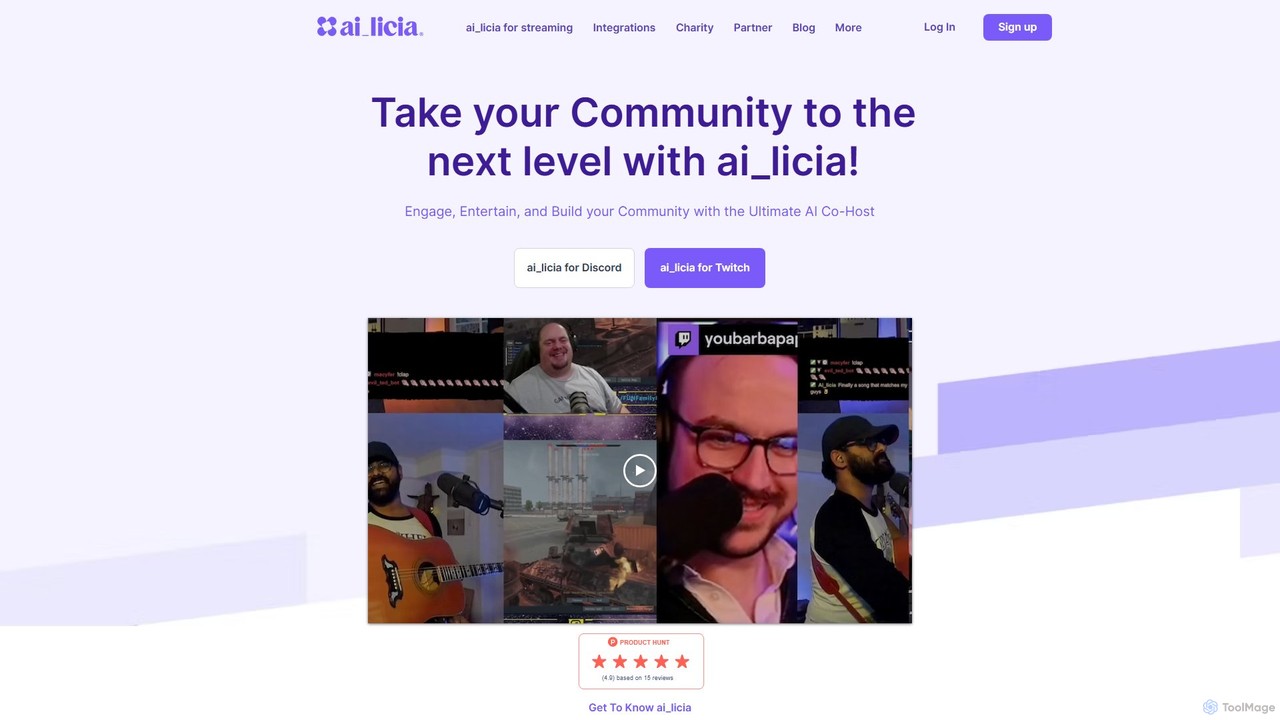
Virtual Assistants are AI-powered tools designed to provide proactive, personalized, and task-oriented user support, distinguishing them from general chatbots by their ability to learn and adapt. Leveraging advanced natural language processing (NLP) and machine learning, they understand complex queries, automate routine tasks, and offer tailored information. These intelligent agents enhance productivity and user experience by acting as digital companions, seamlessly integrating across various platforms and applications to anticipate user needs and execute commands.
Core Features
- Proactive Assistance: Anticipates user needs and offers relevant information or actions without explicit prompting.
- Task Automation: Executes commands, schedules appointments, sends emails, or manages data across integrated applications.
- Personalized Interaction: Learns from user preferences and past interactions to provide highly relevant and customized responses.
- Natural Language Understanding (NLU): Interprets complex, conversational language, including context and intent, beyond simple keywords.
- Multi-platform Integration: Connects with calendars, email clients, CRM systems, and other tools to provide comprehensive support.
Use Cases
They are widely used in customer service for handling inquiries, in personal productivity for managing schedules, and in enterprise environments for automating administrative tasks. Businesses deploy them to streamline operations, while individuals benefit from enhanced organization and efficiency.
How to Choose
When selecting a virtual assistant, consider its integration capabilities with your existing software ecosystem, the accuracy of its natural language understanding, and its ability to learn and adapt over time. Evaluate the level of customization offered, security protocols for data handling, and scalability to meet future demands, ensuring it aligns with your specific operational needs and user expectations.