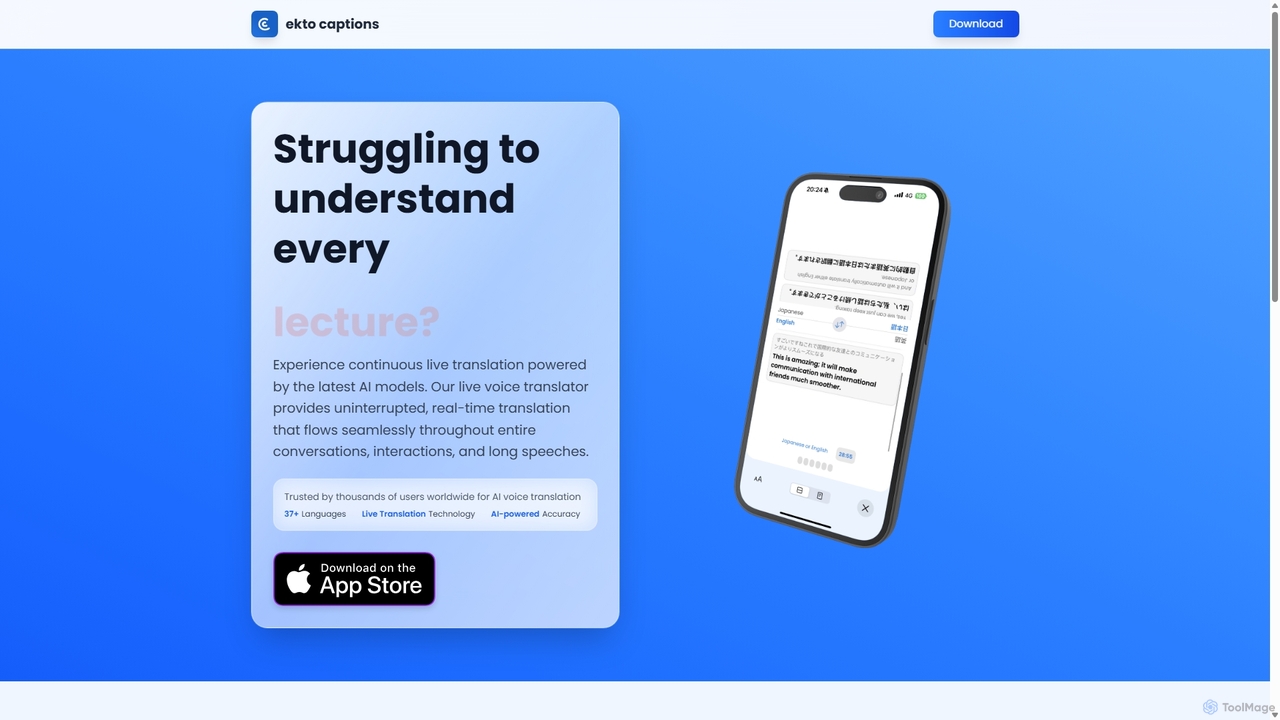
Language Learning AI tools are advanced platforms that leverage artificial intelligence to facilitate the acquisition of new languages. These tools utilize natural language processing (NLP), speech recognition, and machine learning to offer personalized, interactive, and adaptive learning experiences. They empower users to improve vocabulary, grammar, pronunciation, and conversational fluency efficiently, making language mastery more accessible and engaging.
Core Features
- Personalized Learning Paths: AI algorithms adapt content and exercises based on individual progress and learning styles.
- Real-time Pronunciation Feedback: Advanced speech recognition analyzes spoken language and provides immediate, corrective feedback.
- AI Conversation Partners: Engage in simulated dialogues with AI chatbots to practice speaking and listening in a safe environment.
- Intelligent Vocabulary & Grammar Drills: Systematically introduces new words and grammatical structures, reinforcing learning through spaced repetition.
- Progress Tracking & Analytics: Monitors learning performance, identifies areas for improvement, and visualizes progress over time.
Applicable Scenarios
These tools are invaluable for self-directed learners seeking flexible study options, business professionals needing to communicate effectively in global markets, and students aiming to supplement traditional classroom learning. They also serve travelers wanting to quickly grasp essential phrases and content creators looking to localize their material.
How to Choose
When selecting an AI language learning tool, consider the range of target languages offered, the depth of its interactive features (e.g., conversation AI, pronunciation analysis), the underlying learning methodology (e.g., gamification, spaced repetition), and its pricing model. Evaluate user interface intuitiveness and the availability of offline learning capabilities to ensure it aligns with your learning preferences and goals.