Computer Vision Best in category 3 results Defect Detection AI Tool

Popular AI tools in the Defect Detection field of Computer Vision include Overview.ai、Intelgic、SwitchOn, etc., helping you quickly improve efficiency.

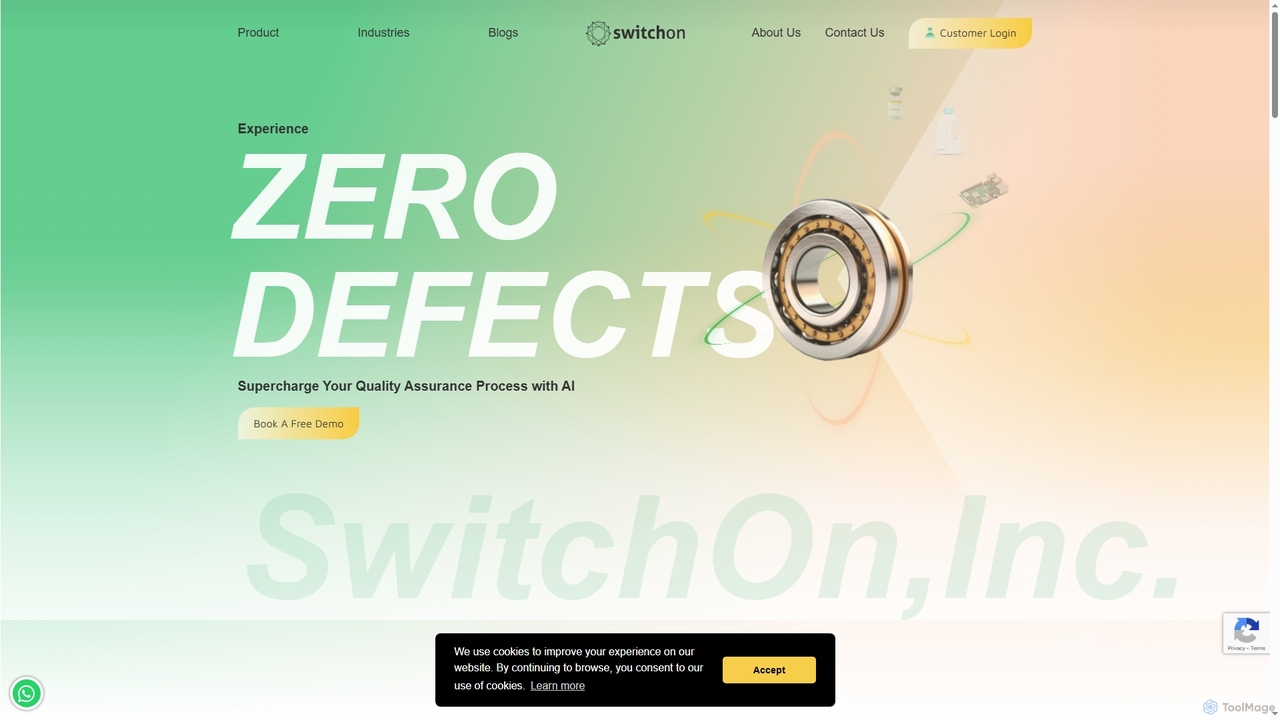
SwitchOn

SwitchOn

SwitchOn is an AI-powered quality inspection platform for manufacturers, leveraging advanced computer vision to ensure zero-defect production. It …

19.1K
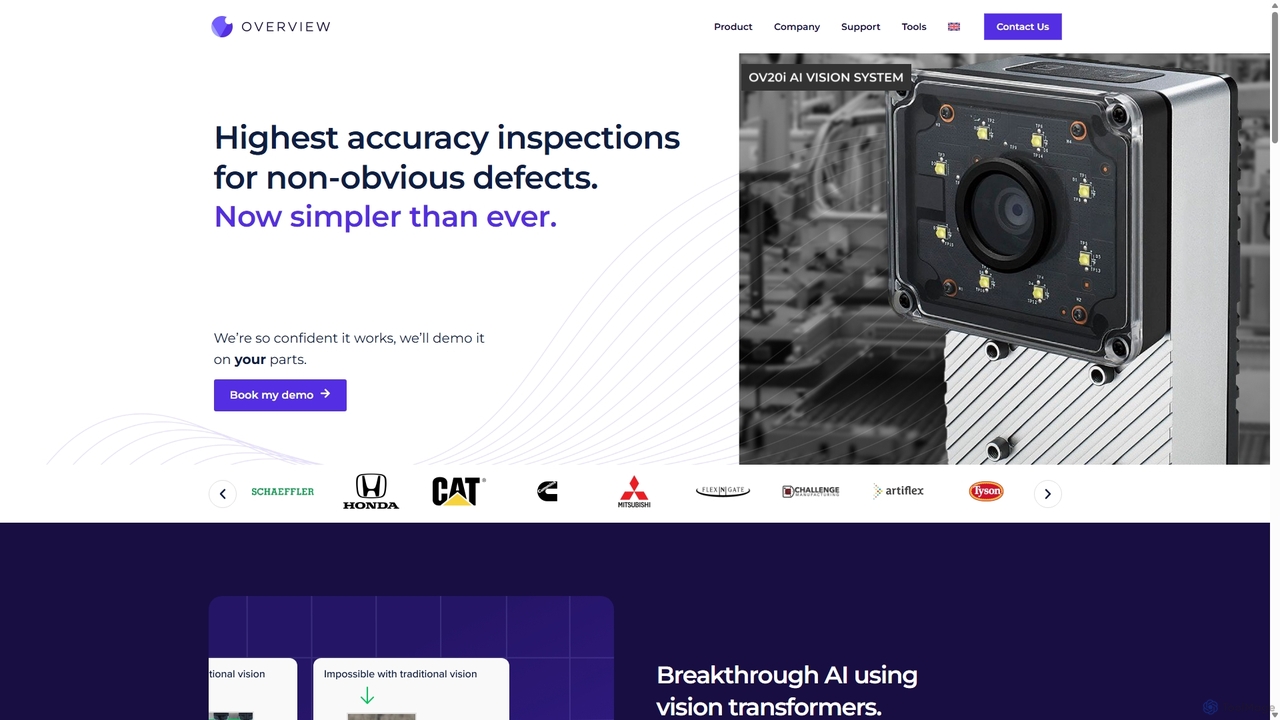
Overview.ai

Overview.ai

Overview.ai provides a next-generation AI industrial vision system, the OV20i, designed for high-accuracy defect detection in manufacturing. Leveraging …

24.0K
Intelgic

Intelgic

Intelgic provides comprehensive AI-powered machine vision solutions for industrial automation. Specializing in high-speed, high-precision defect detection, their system …

23.7K

About Defect Detection

Defect Detection tools are AI-powered solutions that automatically identify and locate flaws, anomalies, or imperfections in products, materials, or systems. Leveraging advanced computer vision techniques, these tools analyze visual data from images or videos to pinpoint deviations from expected quality standards. They significantly enhance quality control processes, reduce manual inspection errors, and accelerate production cycles across various industries.

Core Features

  • Automated Visual Inspection: Automatically scans items for surface defects, structural anomalies, and assembly errors.
  • Real-time Anomaly Detection: Identifies unusual patterns or deviations in live production streams, enabling immediate intervention.
  • Precision Localization: Pinpoints the exact location and type of defects, providing detailed insights for analysis and repair.
  • Customizable Training: Allows users to train models on specific defect types relevant to their products and quality standards.
  • Reporting and Analytics: Generates comprehensive reports on defect rates, types, and trends for process optimization.

Applicable Scenarios

These tools are indispensable for manufacturers in industries like automotive, electronics, textiles, and pharmaceuticals, where consistent product quality is paramount. Quality control engineers and production managers utilize them to ensure compliance with stringent standards, minimize waste, and prevent faulty products from reaching the market. They are also valuable in infrastructure inspection for identifying cracks or wear.

How to Choose

When selecting a Defect Detection tool, consider its accuracy and robustness in varied conditions, the types of defects it can identify, and its integration capabilities with existing production lines. Evaluate the ease of model training and customization, the scalability for different volumes, and the clarity of its reporting features. Support for diverse imaging modalities (e.g., thermal, X-ray) can also be a critical factor.

Defect DetectionUse Cases

1

Automated Quality Control in Manufacturing

A factory producing electronic components uses AI defect detection to inspect circuit boards for soldering errors, missing components, or surface scratches. The system automatically flags defective units on the assembly line, preventing them from proceeding to the next stage and significantly reducing rework costs and manual inspection time.

2

Surface Flaw Identification in Automotive Parts

An automotive manufacturer employs defect detection AI to scan painted car body panels for imperfections like paint bubbles, scratches, or uneven coating. This ensures that every vehicle meets high aesthetic and quality standards before leaving the factory, improving brand reputation and customer satisfaction.

3

Textile Fabric Defect Analysis

Textile mills utilize these tools to identify weaving errors, thread breaks, or color inconsistencies in fabric rolls. By automatically detecting these flaws early in the production process, manufacturers can minimize material waste and ensure that only high-quality fabric is used for garment production.

4

Pharmaceutical Packaging Integrity Check

In the pharmaceutical industry, defect detection AI inspects drug packaging for issues such as incorrect labeling, damaged seals, or missing inserts. This critical application ensures product safety, regulatory compliance, and prevents potentially harmful or mislabeled products from reaching consumers.

5

Infrastructure Inspection for Cracks and Damage

Civil engineering firms deploy drones equipped with computer vision and defect detection algorithms to inspect bridges, pipelines, and buildings for structural cracks, corrosion, or wear. This allows for proactive maintenance, extending the lifespan of infrastructure and enhancing public safety without extensive manual labor.

6

Food Product Quality Assurance

Food processing plants use AI defect detection to sort fruits, vegetables, or processed foods, identifying bruised items, foreign objects, or irregular shapes. This ensures consistent product quality, reduces waste, and maintains hygiene standards, leading to better consumer trust and reduced recalls.

Defect DetectionFrequently Asked Questions