Creen
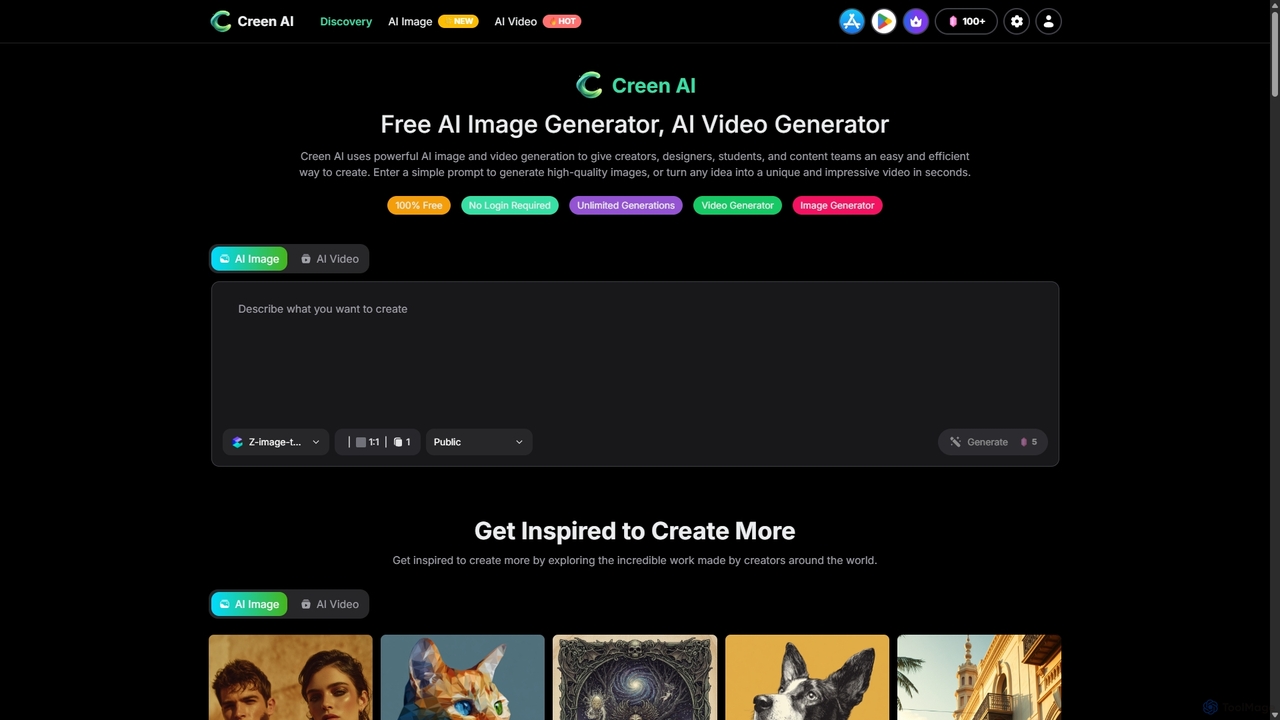
Creen is an advanced AI-driven creation platform that empowers users to generate high-quality images and videos instantly. With …
Creen is an advanced AI-driven creation platform that empowers users to generate high-quality images and videos instantly. With a focus on accessibility, it offers unlimited generations for its core features, requiring no sign-up or login for immediate creative work.
FLUX
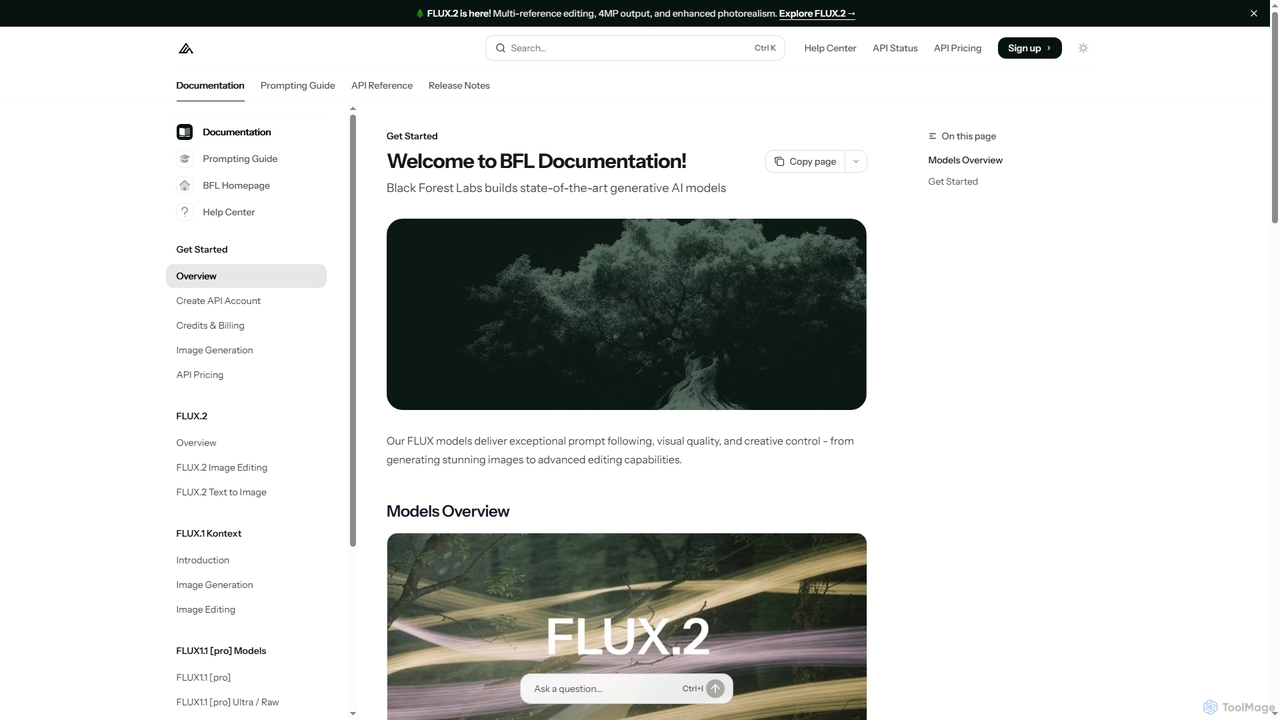
FLUX by Black Forest Labs offers advanced AI models for photorealistic image generation and multi-reference editing. It provides …
FLUX by Black Forest Labs offers advanced AI models for photorealistic image generation and multi-reference editing. It provides precise control over visual elements, supports high-resolution output, and integrates via API for production workflows.
Google AI
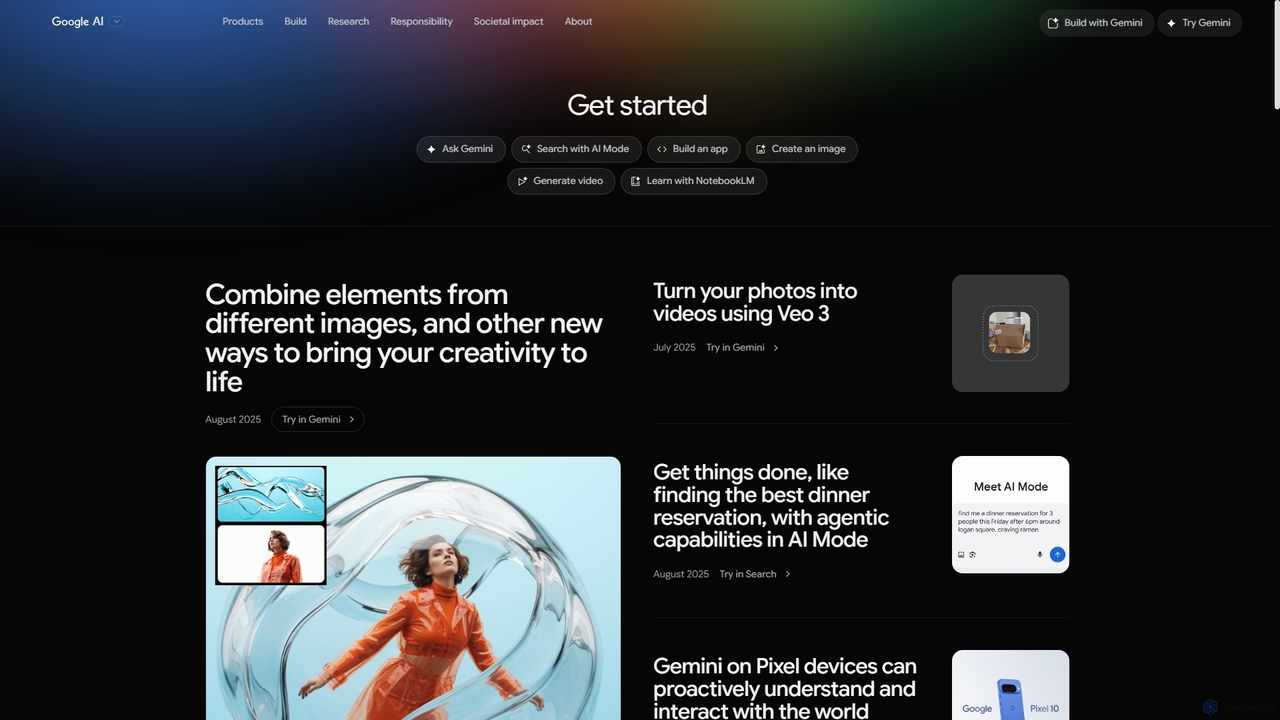
Google AI is a comprehensive ecosystem of advanced artificial intelligence models, tools, and research initiatives. It encompasses the …
Google AI is a comprehensive ecosystem of advanced artificial intelligence models, tools, and research initiatives. It encompasses the powerful Gemini family of models, developer platforms like Vertex AI, and applications across creativity, productivity, and scientific discovery, all built with a commitment to safety and responsibility.
About Image Generation
Image Generation tools are a class of AI applications that create novel visual content from text descriptions, sketches, or other images. These tools leverage advanced deep learning models, such as diffusion models or GANs, to interpret user prompts and synthesize entirely new, original images. Their primary value lies in enabling anyone, regardless of artistic skill, to visualize concepts, produce unique creative assets, and accelerate design workflows. Unlike traditional image editors that modify existing pixels, these generators build visuals from the ground up, offering a powerful engine for creativity and ideation.
Core Features
- Text-to-Image Synthesis: Generates images directly from detailed natural language descriptions.
- Image-to-Image Transformation: Modifies an input image based on a text prompt or a reference style.
- Style Control & Consistency: Allows users to specify artistic styles (e.g., photorealistic, anime, watercolor) and maintain a consistent look across multiple generations.
- Inpainting & Outpainting: Intelligently fills in or removes parts of an image (inpainting) or extends the image's original boundaries with new content (outpainting).
- Parameter Tuning: Provides controls for aspect ratio, resolution, negative prompts, and seed numbers to refine the final output.
Use Cases
Image Generation tools are widely used in marketing for creating ad creatives and social media content, in entertainment for concept art and character design, and by content creators for unique blog illustrations. Product designers also use them to quickly visualize prototypes and mockups, significantly speeding up the ideation phase.
How to Choose
When selecting an Image Generation tool, consider the model's output quality and its dominant aesthetic (e.g., photorealism vs. artistic styles). Evaluate its ability to accurately interpret complex prompts. Also, assess the level of control offered through parameters and features like negative prompts. Finally, carefully review the tool's pricing model and the commercial usage rights associated with the generated images.

Image GenerationUse Cases
Creating Marketing and Ad Creatives
A marketing manager for a startup needs to produce a high volume of visual content for a new product launch campaign across multiple social media platforms. Without a large budget for photoshoots, they use an AI Image Generator. By inputting detailed prompts like 'a sleek, minimalist water bottle on a granite countertop with morning sunlight streaming in, photorealistic 8k', they can generate dozens of high-quality, on-brand images. This approach allows for rapid A/B testing of different visual concepts, significantly reduces creative production costs, and shortens campaign launch times.
Concept Art for Game and Film Development
A concept artist in a game development studio is tasked with exploring different visual styles for a new fantasy character. Instead of spending days sketching multiple versions, they use an AI Image Generator. They input a base description like 'female elf warrior with silver armor and glowing blue eyes' and then add style modifiers such as 'in the style of classic oil painting' or 'cyberpunk neon aesthetic'. The tool generates a wide array of visual interpretations in minutes, allowing the artist and art director to quickly identify promising directions and accelerate the pre-production pipeline.
Generating Unique Blog and Website Illustrations
A content creator runs a tech blog and wants to move away from using generic stock photos for their articles. To create a unique visual identity, they use an AI Image Generator to create custom header images. For an article about cloud computing, they might use the prompt 'abstract network of glowing data nodes in a minimalist style, blue and purple color palette'. By using a consistent set of style keywords in their prompts for every article, they can build a cohesive and recognizable brand aesthetic, improving reader engagement and making their content stand out without incurring licensing fees.
Product Prototyping and Visualization
An industrial designer is in the early stages of designing a new ergonomic office chair. To quickly explore different material and color combinations, they use an AI Image Generator. They can take a basic 3D render or even a simple sketch of the chair and use image-to-image generation with prompts like 'render this chair in dark walnut wood with cream-colored leather upholstery, in a modern office setting'. This process allows them to generate dozens of realistic product mockups in under an hour, facilitating faster feedback from stakeholders and saving significant time compared to traditional 3D rendering workflows.
Architectural and Interior Design Mockups
An interior designer wants to show a client several potential design directions for their living room. Instead of creating detailed 3D models for each option, which is time-consuming, they take a photo of the existing space. Using an image-to-image generator, they can apply different styles with prompts like 'transform this room into a Scandinavian minimalist style with light wood floors and neutral-colored furniture' or 'reimagine this space with a mid-century modern aesthetic'. This allows the designer to produce multiple high-quality, photorealistic mockups quickly, helping clients visualize the final result and make decisions more easily.
Personalized Art and Merchandise Creation
An independent artist wants to launch a new line of t-shirts and posters on their online store. To generate a wide variety of unique designs quickly, they use an AI Image Generator. They experiment with creative and abstract prompts like 'a majestic wolf made of constellations, watercolor style, on a black background'. This allows them to create dozens of one-of-a-kind artworks that would have taken weeks to paint manually. The generated high-resolution images can be directly used for print-on-demand services, empowering the artist to expand their product catalog with minimal upfront time investment.