Nano Banana
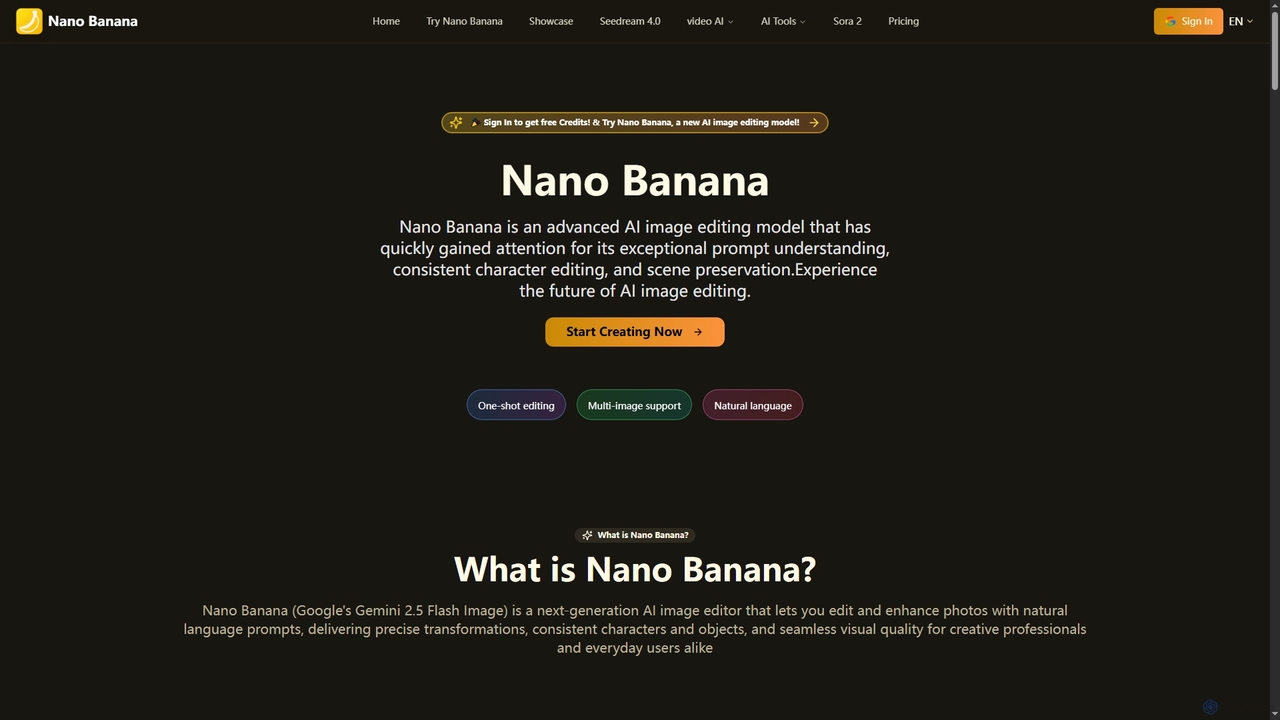
Nano Banana is an advanced AI image editing model that transforms photos with natural language prompts. It excels …
Nano Banana is an advanced AI image editing model that transforms photos with natural language prompts. It excels in precise transformations, maintaining consistent characters, and preserving scene integrity, making professional-grade image editing accessible to creators and everyday users alike.
LoveTunesAI
LoveTunesAI is an AI-powered platform for creating personalized, studio-quality songs for loved ones. Turn your stories and feelings …
LoveTunesAI is an AI-powered platform for creating personalized, studio-quality songs for loved ones. Turn your stories and feelings into unique lyrics and music in over 500 styles. It's a fast, affordable, and heartfelt way to create a unique gift for any occasion, supporting languages like English, Hindi, and Punjabi. Please note: The service is currently closed for new signups, but existing users can still access their accounts.
About Generative Art
Generative Art refers to AI-powered tools that create unique artworks, images, and designs through autonomous algorithms and user-defined parameters. These tools leverage advanced machine learning models, such as GANs and diffusion models, to interpret prompts and generate novel visual content. They empower artists, designers, and enthusiasts to explore new creative frontiers, automate repetitive tasks, and produce diverse artistic expressions. This category within Creative Tools offers innovative methods for visual content creation, pushing the boundaries of digital artistry and expanding creative possibilities.
Core Features
- Algorithmic Generation: Automatically produces diverse visual outputs based on input parameters and styles, enabling rapid prototyping.
- Style Transfer: Applies artistic styles from reference images to new content, creating unique aesthetic fusions and variations.
- Parameter Control: Allows users to fine-tune aspects like color palettes, composition, and thematic elements for precise artistic direction and customization.
- Iterative Exploration: Facilitates rapid experimentation and generation of multiple variations from a single concept, aiding creative discovery.
- Text-to-Image Synthesis: Transforms descriptive text prompts into detailed and imaginative visual artworks, bridging language and visuals.
Use Cases
Artists utilize generative art tools for conceptualizing new pieces, exploring abstract forms, or creating dynamic installations and interactive art. Graphic designers employ them to quickly generate unique textures, patterns, or background elements for branding, marketing materials, and web design. Digital content creators leverage these tools to produce distinctive visuals for social media, websites, and multimedia projects, enhancing engagement and visual appeal across various platforms.
How to Choose
When selecting a generative art tool, consider the range of artistic styles it supports, the level of control over generation parameters, and its integration capabilities with existing creative software. Evaluate the output quality, resolution, and licensing terms for commercial use. User-friendliness, the active community support, and the underlying AI model's sophistication are also important for a smooth creative workflow and achieving desired artistic outcomes.

Generative ArtUse Cases
Designing Unique Game Assets
Game developers and concept artists use generative art tools to rapidly prototype and design unique visual assets for games. By inputting textual descriptions or reference images, they can generate diverse character concepts, environmental textures, or item designs. This accelerates the iterative design process, allowing for quick exploration of various artistic directions and reducing the manual effort required for initial asset creation, leading to more innovative and visually rich game worlds.
Creating Abstract Album Covers
Musicians and record labels leverage generative art to produce visually striking and unique album covers that reflect their music's mood and genre. Artists can input keywords, musical themes, or even audio data to generate abstract patterns, surreal landscapes, or dynamic compositions. This provides a fresh, distinctive aesthetic for their releases, helping them stand out in a crowded market and visually communicate their artistic vision without needing traditional illustrators for every project.
Generating Fashion Design Patterns
Fashion designers and textile artists utilize generative art tools to create novel and intricate patterns for fabrics, apparel, and accessories. By defining parameters such as color schemes, geometric shapes, or organic forms, they can explore countless design variations. This allows for rapid iteration and discovery of unique textile prints, pushing creative boundaries and offering fresh collections that are both innovative and visually captivating, streamlining the design process from concept to production.
Developing Dynamic Visual Installations
Digital artists and event organizers employ generative art for creating immersive and ever-evolving visual installations in galleries, public spaces, or live events. These tools can generate real-time, interactive visuals that respond to environmental data, audience input, or pre-programmed algorithms. This offers a unique, dynamic experience for viewers, transforming static spaces into living, breathing artworks that continuously evolve and captivate, providing a memorable artistic encounter.
Producing Personalized Digital Art Prints
Independent artists and online print shops use generative art to offer personalized and unique digital art prints to customers. Users can specify themes, colors, or even personal data (like birth dates or names) to generate one-of-a-kind artworks. This allows for mass customization, providing customers with bespoke pieces that resonate deeply, while enabling artists to scale their creative output and offer a diverse range of unique, print-on-demand products without manual creation for each.
Crafting Unique Social Media Visuals
Content creators and marketers utilize generative art tools to produce eye-catching and distinctive visuals for social media posts, stories, and advertisements. By inputting brand keywords, desired moods, or specific themes, they can quickly generate a variety of unique images, backgrounds, or abstract graphics. This helps maintain a fresh and engaging online presence, captures audience attention, and significantly reduces the time and cost associated with sourcing or manually creating diverse visual content for daily social media campaigns.