Creative Tools Best in category 1 results Visual Content AI Tool

Popular AI tools in the Visual Content field of Creative Tools include FluxAPI, etc., helping you quickly improve efficiency.

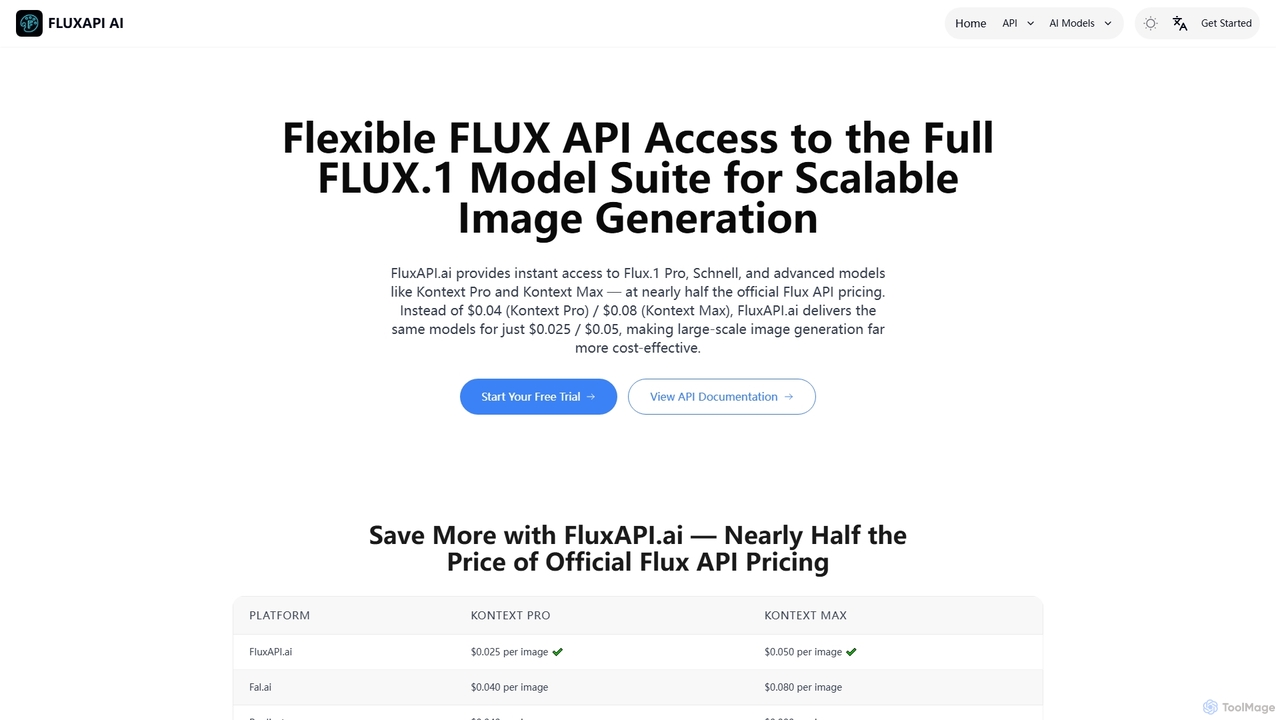
FluxAPI

FluxAPI

FluxAPI provides developers with programmatic access to the FLUX.1 model family, enabling fast and affordable text-to-image generation and …

7.9K

About Visual Content

Visual Content tools are AI-powered platforms that specialize in the generation, enhancement, and manipulation of images, videos, and graphics. These tools leverage advanced AI algorithms, including generative adversarial networks (GANs) and diffusion models, to transform text prompts, data, or existing media into stunning visual assets. They empower creators, marketers, and businesses to produce high-quality, unique visuals efficiently, streamlining the entire visual creation workflow within the broader category of creative tools.

Core Features

  • AI Image/Video Generation: Create original images, videos, or animations from text descriptions or sketches.
  • Style Transfer & Enhancement: Apply artistic styles, upscale resolution, or improve visual quality automatically.
  • Object Manipulation: Remove, add, or modify specific elements within images or videos with precision.
  • Automated Design & Layout: Generate design variations, layouts, and templates for various visual assets.
  • Background Removal & Replacement: Instantly isolate subjects and change backgrounds for product shots or portraits.

Applicable Scenarios

These tools are indispensable for digital marketers needing diverse ad creatives, content creators generating blog images and video thumbnails, and e-commerce businesses producing professional product visuals. They also serve graphic designers for rapid prototyping and social media managers for consistent visual branding across platforms.

How to Choose

When selecting a Visual Content AI tool, consider the quality and fidelity of its output, the range of customization options available, and its ease of use for your team. Evaluate its integration capabilities with your existing creative suite and assess the pricing model and licensing terms for commercial use. Look for features like prompt engineering flexibility and specific content types (e.g., realistic photos, artistic illustrations, video clips) that align with your primary needs.

Visual ContentUse Cases

1

Generate Diverse Marketing Ad Creatives

Digital marketers can leverage AI Visual Content tools to rapidly produce a multitude of ad creatives for various campaigns. By inputting text prompts describing target audiences, product features, and desired aesthetics, the AI generates numerous image and video variations. This enables quick A/B testing, identifying high-performing visuals, and significantly reducing the time and cost associated with traditional graphic design, leading to optimized campaign performance and higher conversion rates.

2

Automate Social Media Visuals for Consistent Branding

Social media managers often struggle with creating a constant stream of engaging and on-brand visuals. AI Visual Content tools can automate this process by generating daily posts, stories, and banner images based on predefined brand guidelines, content themes, and platform specifications. This ensures visual consistency, saves hours of manual design work, and allows managers to focus more on strategy and engagement, ultimately boosting brand recognition and audience interaction.

3

Enhance E-commerce Product Images for Higher Conversions

E-commerce sellers need high-quality, appealing product images to attract customers and drive sales. AI Visual Content tools can transform basic product photos into professional-grade visuals. Features like automatic background removal, intelligent object placement, lighting adjustments, and image upscaling allow sellers to create stunning lifestyle shots or clean product displays without expensive photography equipment or graphic designers. This results in more engaging product listings, increased customer trust, and ultimately, higher conversion rates.

4

Create Engaging Visuals for Blog Posts and Articles

Content creators and bloggers constantly need unique and relevant visuals to break up text, illustrate concepts, and improve reader engagement. AI Visual Content tools allow them to generate custom images, infographics, or even short video clips directly from their article's text or keywords. This eliminates the need to search for stock photos, ensures visual originality, and significantly speeds up the content production process, making articles more appealing and shareable.

5

Rapid Prototyping for UI/UX Design Concepts

UI/UX designers can significantly accelerate their workflow by using AI Visual Content tools for rapid prototyping. Instead of manually sketching or designing every element, designers can input text descriptions of desired interface components, themes, or user flows. The AI generates various visual mockups, icons, and layout suggestions, allowing for quick iteration and feedback cycles. This speeds up the conceptualization phase, helps visualize complex ideas, and ensures a consistent aesthetic across the design.

6

Transform Text into Engaging Explainer Video Assets

Educators and content creators often need to produce engaging explainer videos but lack animation skills or resources. AI Visual Content tools can bridge this gap by transforming text scripts or bullet points into visual assets like animated characters, scene backgrounds, and dynamic infographics. Users can input their narrative, and the AI generates corresponding visuals, significantly simplifying the video production process and making complex information more accessible and digestible for viewers.

Visual ContentFrequently Asked Questions