ToolMage
Sign in

Best 2 Customer Management AI tools for Crm

Popular Customer Management AI tools in Crm include OptimumHQ and IMT Care, helping you work more efficiently.

OptimumHQ
Paid

OptimumHQ

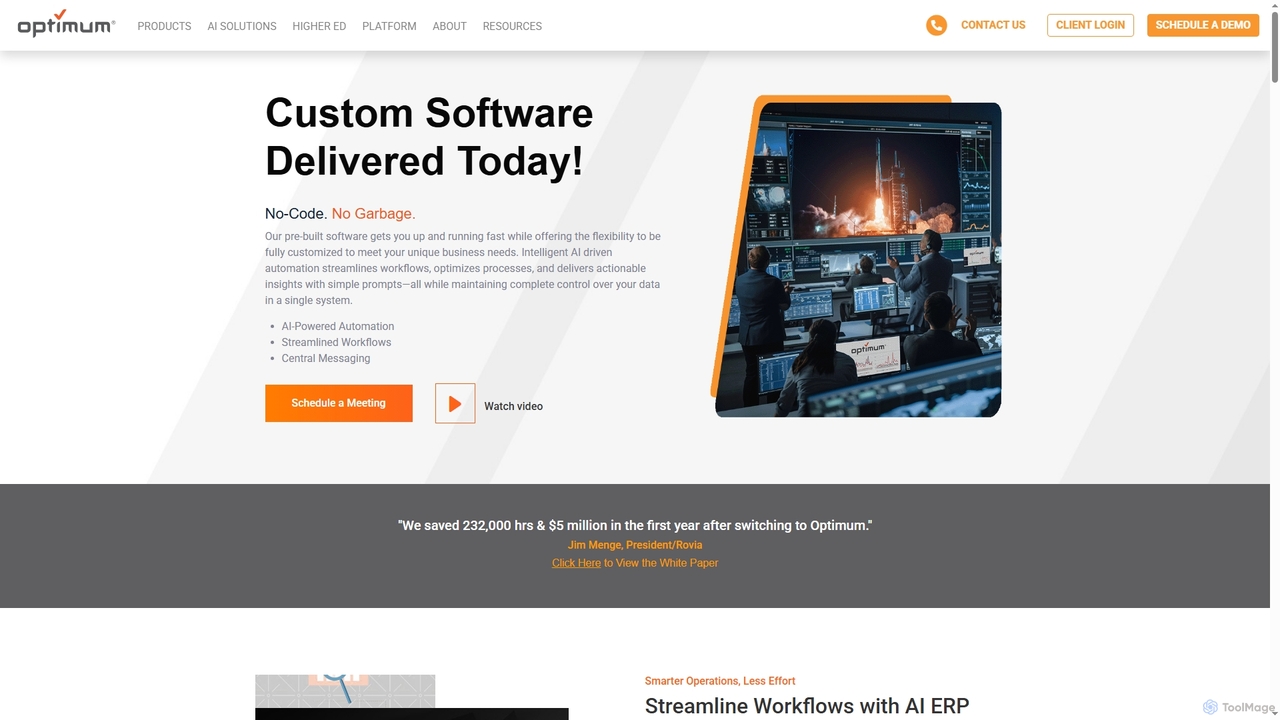
OptimumHQ is a no-code adaptive software platform that empowers businesses to rapidly create custom solutions, leveraging AI-driven automation for streamlined workflows, optimized processes, and actionable insights across ERP, CRM, messaging, and digital forms.

3D
Visits 43.4KFavorites 164Likes 160
IMT Care
Freemium

IMT Care

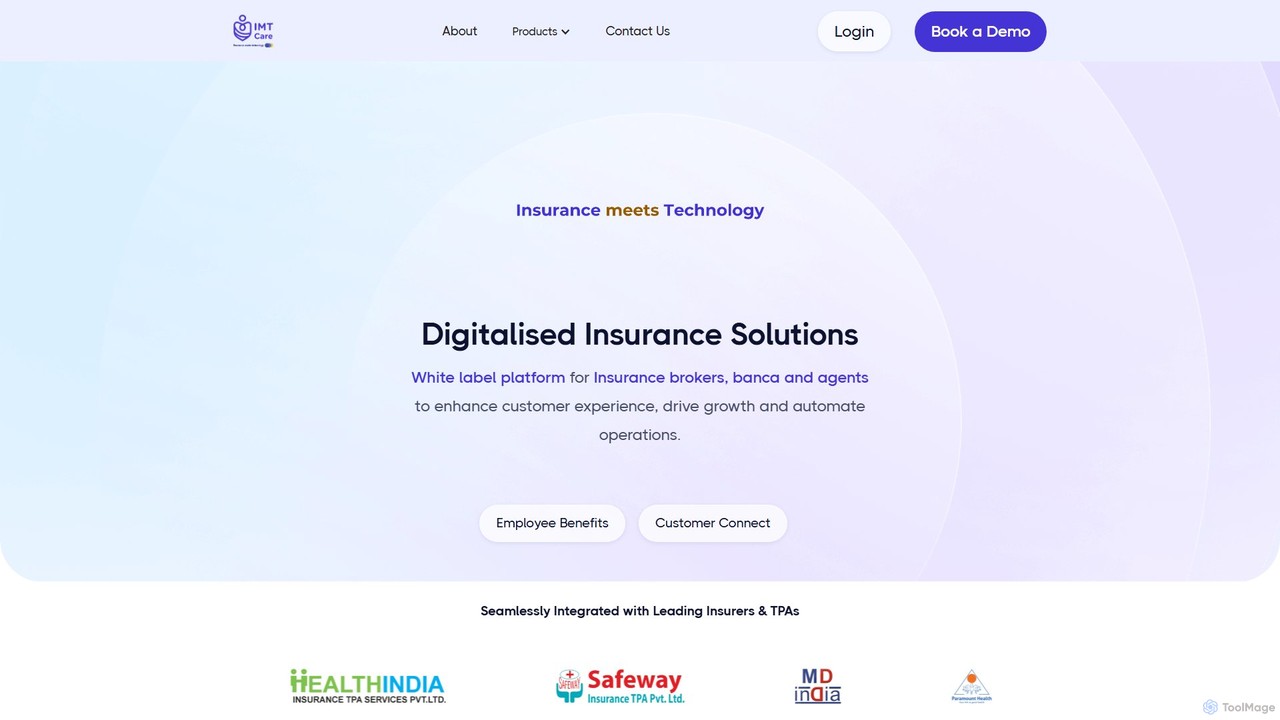
IMT Care is a white-label Insurtech platform designed to empower insurance intermediaries. It provides digital solutions, including an Employee Benefits Platform and a Customer Connect App, to automate operations, enhance customer engagement, and drive business growth through AI-powered insights and comprehensive policy management.

Customer Management
Visits 17.2KFavorites 155Likes 157

About Customer Management

AI Customer Management tools are a specialized category of software designed to nurture and retain existing customer relationships using artificial intelligence. As a focused component within the broader CRM ecosystem, these tools leverage machine learning to analyze customer behavior, automate personalized communication, and predict future actions. Their primary value lies in increasing customer loyalty, reducing churn, and maximizing customer lifetime value through data-driven insights. This proactive approach transforms customer service from a reactive cost center into a strategic growth driver.

Core Features

  • Predictive Analytics: Utilizes historical data to forecast customer churn, identify upsell opportunities, and calculate customer health scores.
  • AI-Powered Communication: Automates personalized emails, in-app messages, and support responses based on user behavior and segmentation.
  • Sentiment Analysis: Automatically processes customer feedback from surveys, reviews, and support tickets to gauge satisfaction and identify trends.
  • Intelligent Customer Segmentation: Dynamically groups customers based on behavior, engagement levels, and predicted value for targeted marketing and support efforts.
  • Automated Workflow Triggers: Initiates specific actions, such as sending a retention offer or alerting a success manager, when a customer's behavior changes.

Applicable Scenarios

These tools are particularly effective for businesses with recurring revenue models, such as SaaS companies, subscription services, and e-commerce platforms focused on repeat purchases. Customer success teams, retention marketers, and account managers use them to proactively manage their customer base, prioritize outreach, and scale their engagement efforts efficiently.

Selection Criteria

When choosing an AI Customer Management tool, evaluate its integration capabilities with your existing CRM and helpdesk software. Assess the depth and accuracy of its predictive analytics. Consider the level of automation it offers for communication workflows and ensure its pricing model aligns with your business scale and customer volume. Finally, prioritize tools with clear, actionable dashboards for your team.

Customer Management use cases

1

Predicting and Reducing Customer Churn

A SaaS subscription service manager uses an AI Customer Management tool to proactively identify at-risk accounts. The system analyzes user engagement data, such as login frequency, feature adoption, and support ticket history. It then generates a 'health score' for each customer. When a score drops below a certain threshold, the tool automatically triggers a workflow: it alerts the designated customer success manager and can even send a pre-configured, personalized email offering assistance or a special incentive. This allows the team to intervene before the customer decides to cancel, significantly reducing churn rates.

2

Personalizing E-commerce Upsell Opportunities

An e-commerce marketing manager leverages an AI tool to increase average order value. The AI analyzes a customer's browsing history, past purchases, and items left in their cart. Based on this data, it identifies the most relevant complementary products or premium upgrades. When the customer proceeds to checkout, the system displays these highly personalized recommendations as upsell or cross-sell offers. Unlike generic 'customers also bought' sections, these suggestions are tailored to the individual's specific behavior, leading to a higher conversion rate for the offers and increased revenue per customer.

3

Automating Customer Onboarding and Education

A customer success team for a complex software product uses an AI management tool to automate the onboarding process. The tool tracks a new user's actions within the application. If it detects that a user hasn't engaged with a key feature after a certain period, it automatically sends a targeted email with a link to a tutorial video or a help article about that specific feature. This personalized, automated guidance helps users discover the full value of the product faster, increasing adoption rates and reducing the number of basic support queries, freeing up the success team to handle more complex issues.

4

Analyzing Customer Feedback at Scale

A product manager for a mobile app needs to understand user sentiment following a major update. Instead of manually reading thousands of app store reviews and support emails, they use an AI Customer Management tool. The tool aggregates all text-based feedback and performs sentiment analysis, categorizing comments as positive, negative, or neutral. It also identifies recurring themes and keywords, such as 'slow performance' or 'love the new design'. This provides the product manager with a high-level, data-backed overview of user reception in hours instead of weeks, enabling faster product iteration.

5

Prioritizing High-Value Customer Support Tickets

A support team lead for a B2B software company uses an AI tool to manage their ticket queue. The AI integrates with their CRM to access customer data, such as subscription level and contract value. When a new ticket arrives, the tool automatically analyzes its content for urgency and sentiment, and cross-references it with the customer's value. It then automatically assigns a priority level, pushing tickets from high-value, enterprise-level customers with urgent issues to the top of the queue. This ensures that the most critical issues impacting the most valuable customers are addressed first, improving satisfaction and retention.

6

Identifying Advocates for Testimonials and Case Studies

A marketing team wants to gather more social proof. They use an AI Customer Management platform to identify potential brand advocates. The system scans for customers who have high product usage, a history of positive support interactions, and have submitted high ratings in satisfaction surveys. It flags these highly engaged and satisfied customers as ideal candidates for testimonials, case studies, or referral programs. The marketing team can then reach out to this pre-vetted list with a much higher likelihood of receiving a positive response, streamlining the process of collecting valuable marketing assets.

Customer Management FAQ

What are AI Customer Management tools?

AI Customer Management tools are specialized software that use artificial intelligence to analyze, manage, and improve relationships with existing customers. Unlike traditional CRMs that often focus on the entire customer lifecycle including sales, these tools concentrate on post-purchase activities. Their core purpose is to increase customer retention, loyalty, and lifetime value by leveraging AI for tasks like predicting churn, personalizing communication, and analyzing feedback at scale.

How do Customer Management tools differ from a full CRM?

The primary difference is focus. A full CRM (Customer Relationship Management) system is a broad platform covering the entire customer journey: marketing automation, lead generation, sales pipeline management, and post-sale support. In contrast, AI Customer Management tools are specialists. They focus intensely on the post-sale relationship with existing customers. While a CRM asks 'How do we acquire and close this customer?', a Customer Management tool asks 'How do we keep this customer happy, engaged, and loyal for the long term?'. They often integrate with or act as a powerful extension to a primary CRM system.

What are the key AI features in customer management?

The most impactful AI features in customer management tools typically include:

  • Predictive Analytics: Using machine learning to forecast future customer behavior, such as the likelihood to churn, upgrade, or make a repeat purchase.
  • Natural Language Processing (NLP): Powering sentiment analysis to understand the emotion behind customer feedback and enabling intelligent chatbots to handle support queries.
  • Automated Segmentation: AI algorithms that group customers into dynamic segments based on complex behavioral patterns, not just simple demographics.
  • Personalization Engines: Recommending specific content, products, or actions for individual customers based on their unique data profile to enhance their experience.
How to choose the right AI Customer Management tool?

To select the best tool, consider these factors:

  • Integration Capability: Ensure it seamlessly connects with your existing CRM, helpdesk, and data warehouse. Data silos will limit its effectiveness.
  • Specific Use Case: Identify your primary goal. Do you need to reduce churn, increase upsells, or automate support? Choose a tool that excels in that specific area.
  • Data Requirements: Understand what data the tool needs to function effectively. Ensure you can provide clean, comprehensive data for the AI to learn from.
  • Scalability and Pricing: Choose a solution that can grow with your customer base and whose pricing model (e.g., per contact, per feature) aligns with your budget and business model.
Which businesses benefit most from these tools?

Businesses where customer lifetime value (CLV) is a critical metric see the most significant benefit. This primarily includes:

  • SaaS and Subscription Services: Where retaining a customer month after month is the core business model.
  • E-commerce with Repeat Customers: Businesses that rely on loyalty and repeat purchases rather than one-time sales.
  • B2B Companies: Where managing long-term relationships with high-value accounts is essential for growth and stability.

In essence, any business that profits more from retaining an existing customer than acquiring a new one is a prime candidate for AI Customer Management tools.