ToolMage
Sign in

Best 9 Virtual Assistant for Customer Service

Popular Virtual Assistant in Customer Service include Chaty, Welco, SVGrowth, Voice, Orluma, Titania, Ovox, HaloPercy, and Zensky AI, helping you work more efficiently.

SVGrowth

SVGrowth

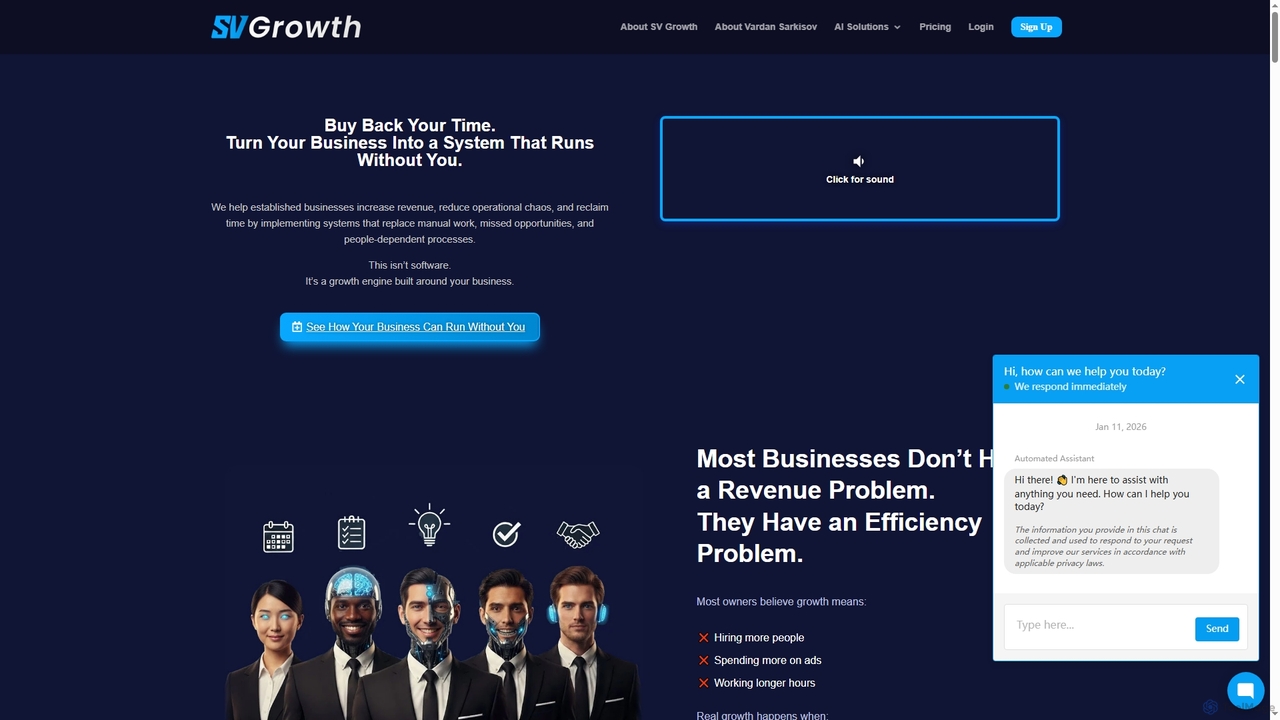
SVGrowth is an AI-powered growth system designed for established service businesses to automate operations, capture leads, and enhance customer engagement. It acts as a comprehensive AI partner, offering solutions like a 24/7 virtual receptionist, smart conversation management, automated outreach, reputation control, and local SEO optimization, aiming to reduce manual work and drive predictable revenue growth.

3D
Visits 7KFavorites 33Likes 38
Voice
Freemium

Voice

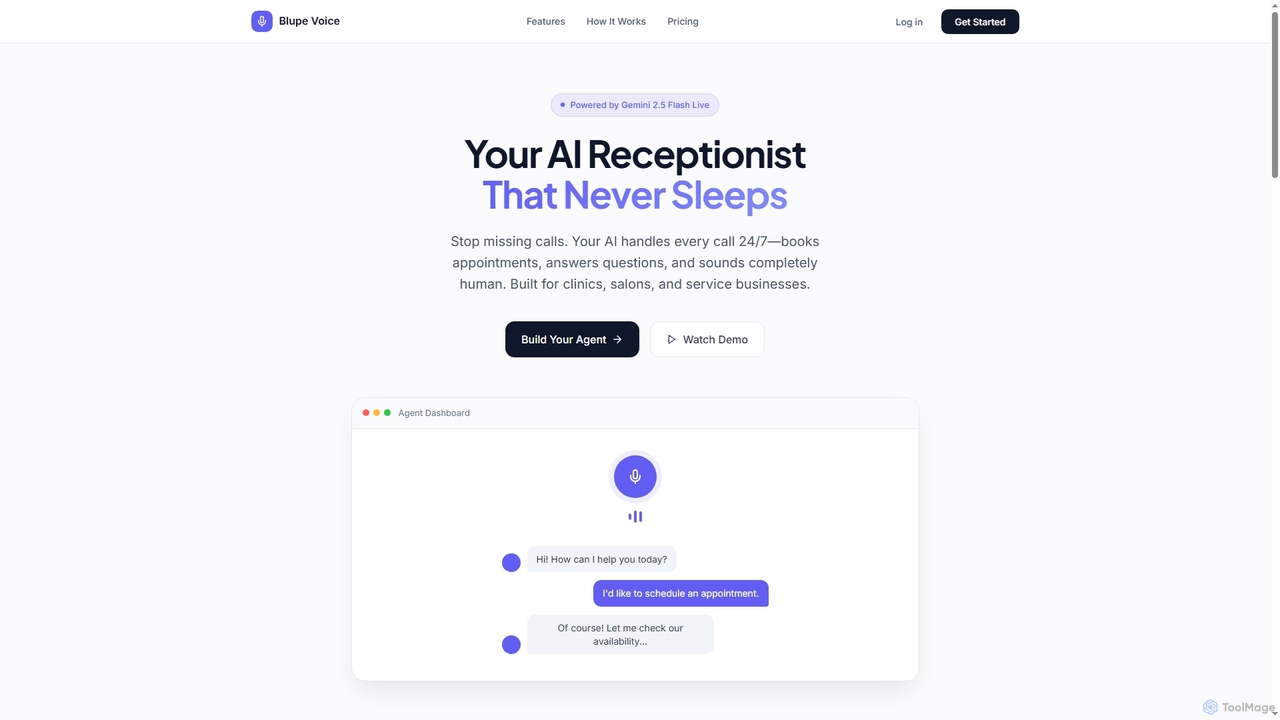
Voice is an AI receptionist powered by Gemini 2.5 Flash Live, designed for service businesses to handle customer calls 24/7. It books appointments, answers questions, and sounds completely human, supporting over 45 languages to ensure no missed calls and enhanced customer service.

Voice Automation
Visits 6.4KFavorites 27Likes 37
HaloPercy
Paid

HaloPercy

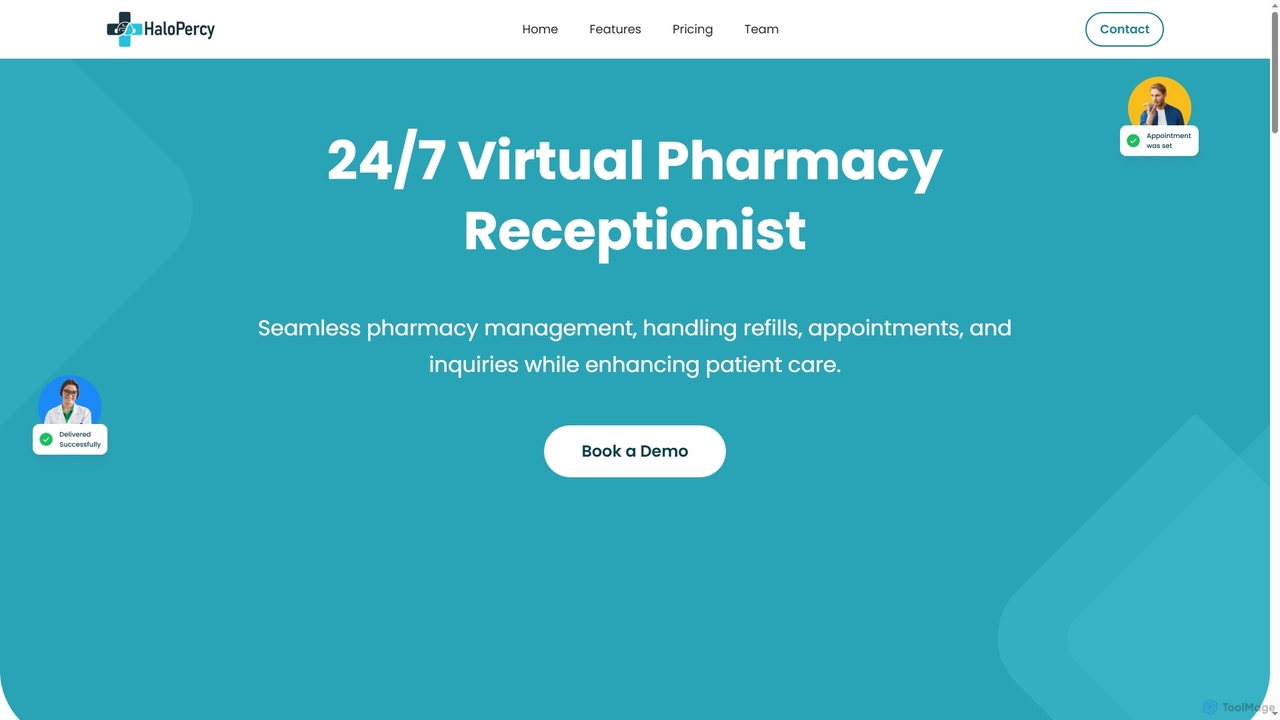
HaloPercy is an AI-powered virtual receptionist designed specifically for pharmacies. It offers 24/7 automated support, managing prescription refills, appointment scheduling, and patient inquiries. By seamlessly integrating with existing pharmacy systems, HaloPercy enhances patient care, optimizes operational efficiency, and ensures HIPAA compliance, allowing pharmacies to provide continuous, reliable service.

Virtual Assistant
Visits 5.7KFavorites 62Likes 65
Chaty
Freemium

Chaty

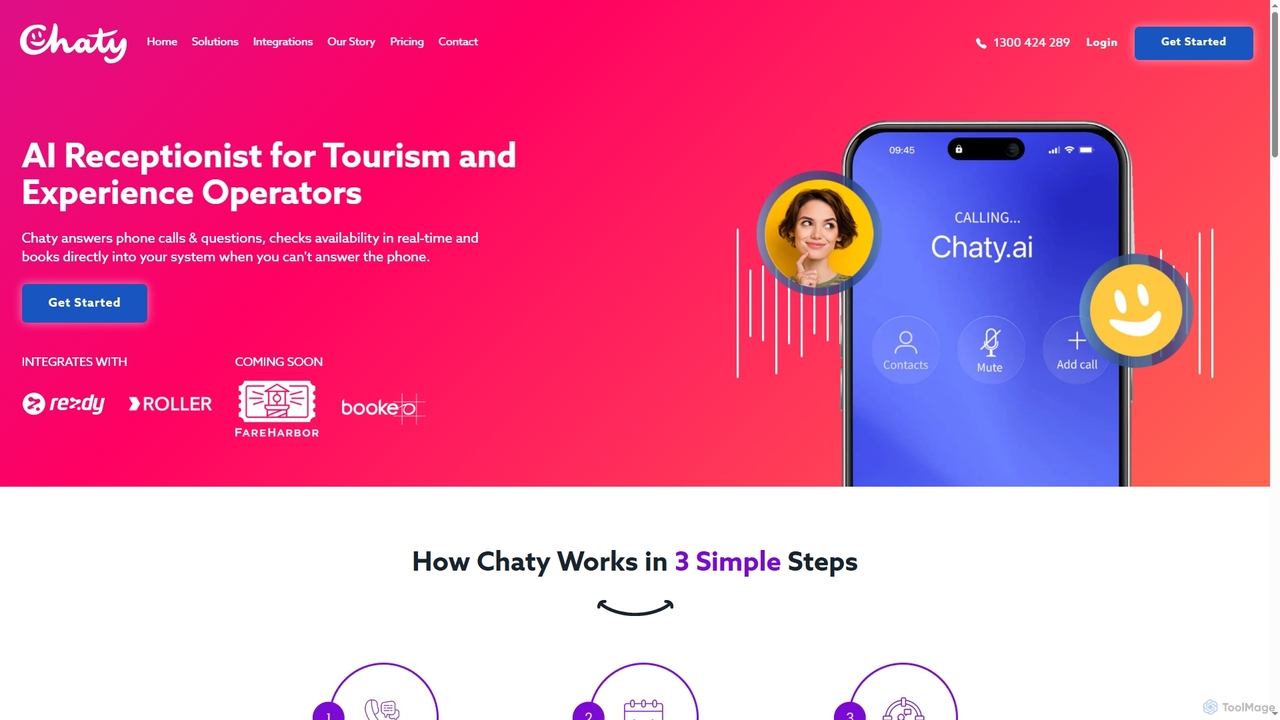
Chaty is an AI-powered receptionist designed to automate customer call handling, real-time availability checks, and direct bookings for businesses. It ensures no call is missed, provides consistent high-quality service, and integrates seamlessly with existing booking systems, freeing up staff to focus on core operations.

Call Handling
Visits 20.6KFavorites 63Likes 75
Ovox

Ovox

Ovox provides a done-for-you AI receptionist service that answers every business call instantly, 24/7. It sounds like a professional human, qualifies leads, books appointments, and integrates with your existing tools, ensuring no customer is lost to voicemail.

3D
Visits 5.8KFavorites 115Likes 117
Orluma
Freemium

Orluma

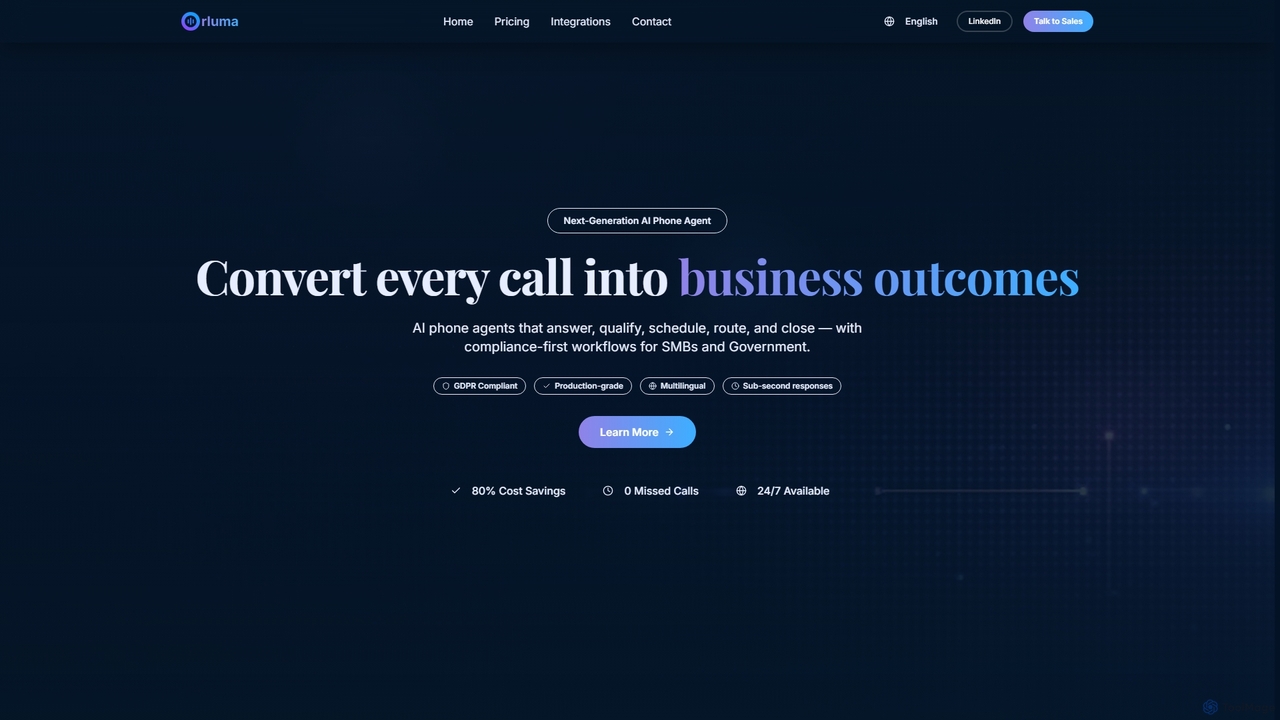
Orluma is a next-generation AI phone agent designed to automate business communications, converting every call into measurable outcomes. It provides 24/7 multilingual support for answering, qualifying, scheduling, routing, and closing calls, ensuring zero missed opportunities and significant cost savings for SMBs and government entities.

Virtual Assistant
Visits 5.9KFavorites 145Likes 137
Titania

Titania

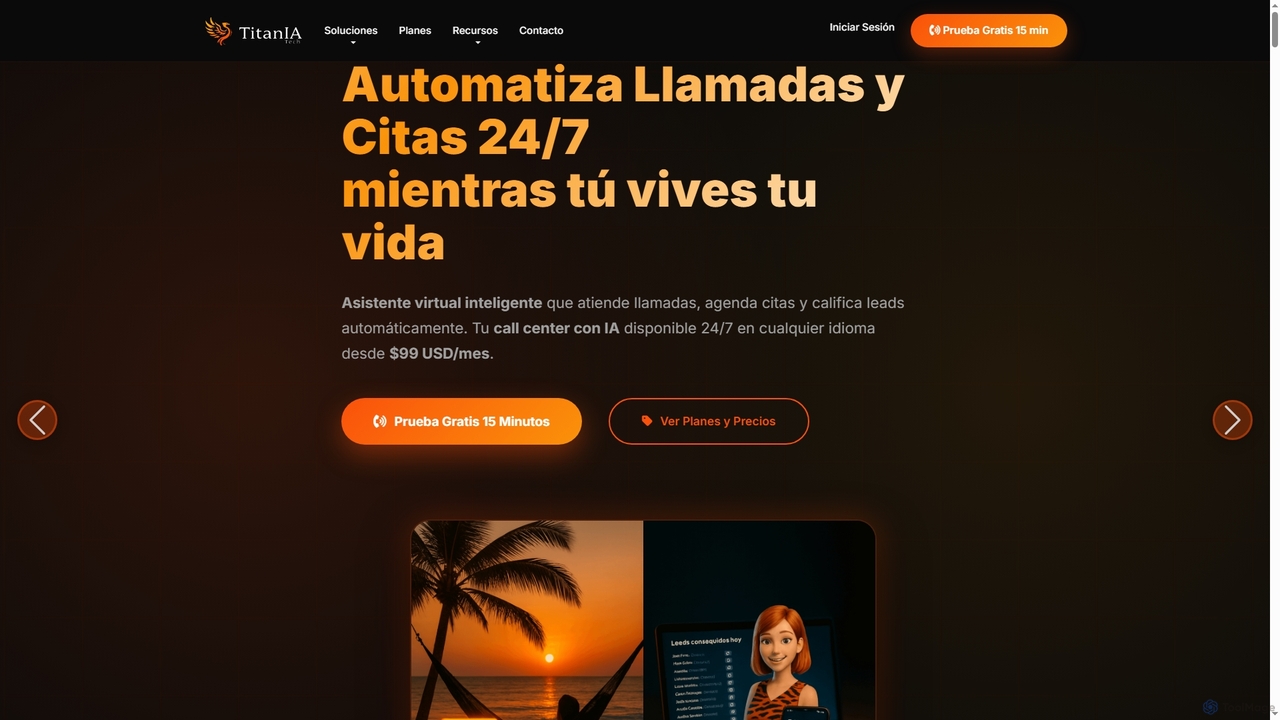
Titania is an AI-powered virtual receptionist and operator platform designed to automate customer service, sales, and operational tasks 24/7. It offers specialized solutions across various industries, enhancing efficiency, customer satisfaction, and business growth through intelligent call management and personalized interactions.

Virtual Assistant
Visits 5.9KFavorites 154Likes 160
Zensky AI

Zensky AI

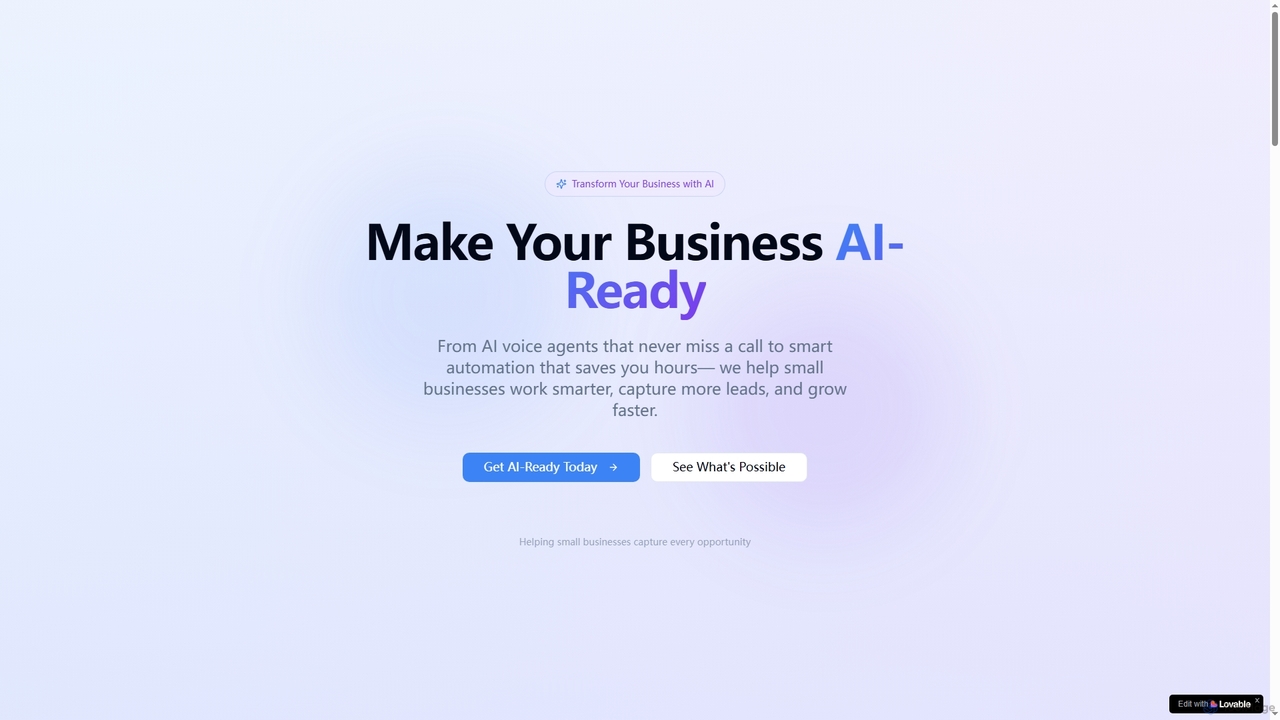
Zensky AI empowers small businesses with advanced AI solutions, primarily AI voice agents, to automate lead capture, qualification, appointment booking, and customer follow-ups. It helps businesses work smarter, capture more opportunities 24/7, reduce operational overhead, and accelerate growth by transforming their customer engagement and internal processes.

3D
Visits 5.6KFavorites 135Likes 140
Welco
Paid

Welco

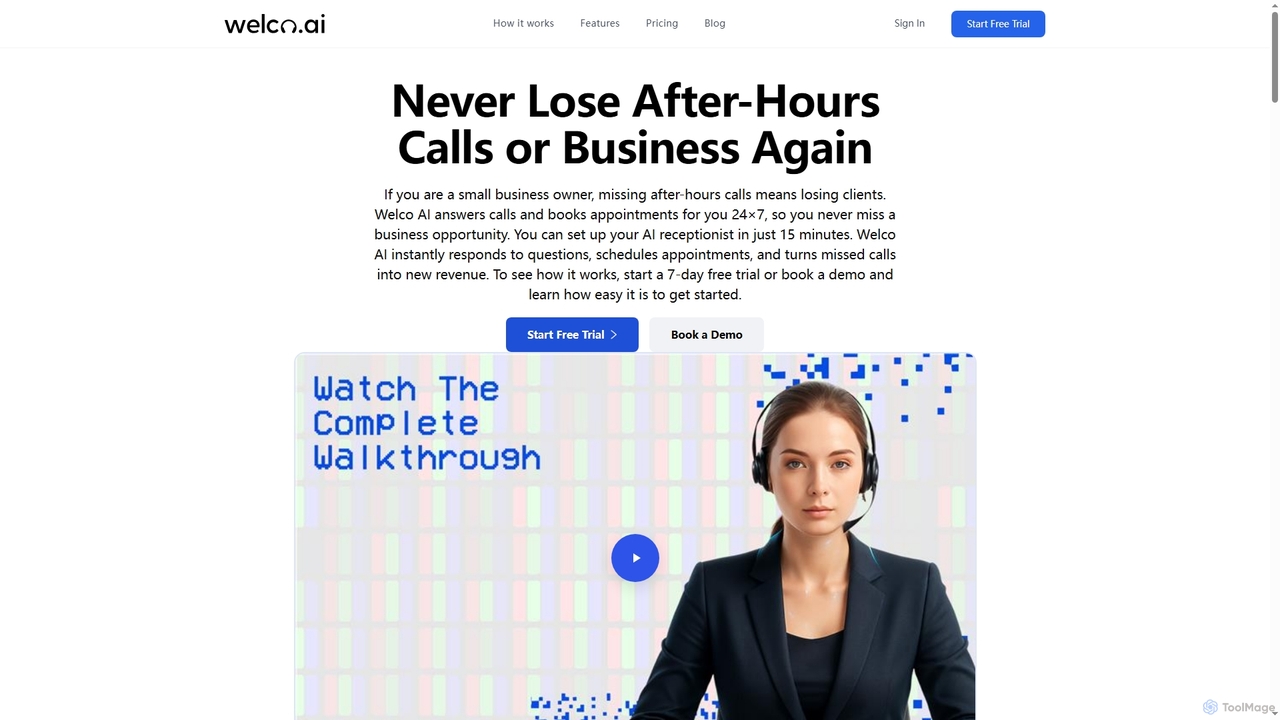
Welco is an advanced AI phone receptionist designed for small businesses to ensure no call or business opportunity is ever missed. It provides 24/7 call answering, smart routing, appointment booking, lead qualification, and seamless integration with existing business tools, all with a human-like conversational experience.

Virtual Assistant
Visits 7.2KFavorites 121Likes 112

About Virtual Assistant

Virtual Assistants are AI-powered software agents designed to automate routine tasks, provide instant information, and engage in natural language interactions with users. Leveraging advanced natural language processing (NLP) and machine learning, these tools enhance efficiency and user experience by handling inquiries, scheduling appointments, or managing data. Within the broader scope of customer service, virtual assistants specifically excel at scaling support operations and offering personalized, always-on assistance.

Core Features

  • Natural Language Understanding (NLU): Accurately interprets user intent and context from spoken or typed language.
  • Automated Task Execution: Performs actions like scheduling, data retrieval, or form filling without human intervention.
  • Personalized Interactions: Adapts responses and recommendations based on user history and preferences.
  • Multi-channel Support: Operates across websites, messaging apps, voice assistants, and social media platforms.
  • Integration Capabilities: Connects seamlessly with CRM, ERP, and other business systems for data access.

Use Cases

Virtual assistants are widely adopted across various sectors to streamline operations and improve user engagement. In customer service, they handle common queries, reducing agent workload. For internal operations, they can assist employees with HR questions or IT support. Marketing teams use them for lead qualification and personalized outreach.

How to Choose

Selecting a virtual assistant requires evaluating its NLU accuracy, integration ecosystem, and scalability. Consider the complexity of tasks it needs to automate, the languages it supports, and its ability to learn and adapt over time. Data security and compliance with industry regulations are also crucial factors, alongside the pricing model and vendor support.

Virtual Assistant use cases

1

Automating Tier-1 Customer Support Inquiries

Customer service departments can deploy Virtual Assistants to handle common, repetitive customer questions such as order status, FAQ lookups, or basic troubleshooting. This allows human agents to focus on complex issues requiring empathy and critical thinking, significantly reducing response times and improving overall customer satisfaction by providing instant, accurate answers 24/7.

2

Automating Customer Support Inquiries

Customer service departments can deploy virtual assistants to manage a high volume of routine customer questions, such as "What's my order status?" or "How do I reset my password?". The virtual assistant provides instant, accurate answers 24/7, reducing wait times and freeing human agents to focus on more complex issues. This significantly improves customer satisfaction and operational efficiency by handling up to 80% of common queries automatically.

3

Automated Customer Inquiry Resolution

Customer service teams deploy virtual assistants to instantly answer frequently asked questions, guide users through troubleshooting steps, and provide immediate support for common issues. This reduces call volumes, improves response times, and allows human agents to focus on complex, high-value interactions, ensuring 24/7 customer availability.

4

Streamlining Internal HR and IT Support

Employees often have repetitive questions regarding HR policies, benefits, or IT troubleshooting. A virtual assistant can serve as an internal knowledge base, instantly answering queries like "How do I request leave?" or "My VPN isn't working." This reduces the burden on HR and IT teams, provides immediate assistance to employees, and ensures consistent information delivery across the organization.

5

Streamlining Administrative & Scheduling Tasks

Office administrators and executive assistants utilize virtual assistants to manage complex calendars, schedule meetings, send reminders, and organize documents. By integrating with email and calendar platforms, these tools automate repetitive organizational tasks, freeing up significant time for more strategic work and reducing scheduling conflicts.

6

Streamlining Internal IT Helpdesk Operations

IT departments can leverage Virtual Assistants to manage common employee IT requests, such as password resets, software installation guides, or network connectivity troubleshooting. By automating these routine tasks, the IT helpdesk can reduce ticket volumes, provide immediate support to employees, and free up IT staff to focus on more critical infrastructure projects and complex technical challenges.

7

Enhancing Personal Productivity & Task Management

Individual professionals and entrepreneurs leverage virtual assistants to manage daily to-do lists, set alarms, dictate notes, and organize personal schedules on the go. Through voice commands or text input, these tools help maintain focus, ensure timely completion of tasks, and reduce the mental load associated with managing multiple responsibilities.

8

Personalizing E-commerce Shopping Assistance

E-commerce businesses can use Virtual Assistants to provide personalized shopping experiences. These assistants can recommend products based on browsing history, answer questions about product specifications, guide users through the checkout process, and even offer styling advice. This enhances customer engagement, reduces cart abandonment rates, and drives sales by making the online shopping journey more intuitive and tailored.

9

Personalized Sales Lead Qualification

Sales and marketing teams can use virtual assistants on websites or landing pages to engage with visitors, ask qualifying questions, and gather essential lead information. The assistant can identify high-potential leads based on their responses, provide relevant product information, and even schedule demos with sales representatives. This automates the initial qualification process, ensuring sales teams focus on the most promising prospects.

10

Pre-qualifying Sales Leads & Initial Engagement

Sales development representatives use virtual assistants on websites or landing pages to engage potential customers, answer initial product/service questions, and gather qualifying information. The assistant can then schedule demos or hand off warm leads to human sales representatives, accelerating the sales cycle and improving lead quality.

11

Enhancing E-commerce Shopping Experience

Online retailers can integrate virtual assistants to guide shoppers through product discovery, answer questions about specifications, availability, or sizing, and offer personalized recommendations. For example, a customer asking for "a gift for my dad who likes hiking" could receive tailored suggestions. This interactive experience helps reduce cart abandonment, increases conversion rates, and improves overall customer engagement.

12

Automating HR Onboarding and Employee FAQs

Human Resources departments can deploy Virtual Assistants to automate parts of the employee onboarding process and answer frequently asked questions. New hires can get immediate answers about company policies, benefits, or IT setup, while existing employees can quickly find information on leave requests or payroll. This reduces the HR team's administrative burden and ensures employees have quick access to essential information.

13

Managing Appointments and Scheduling for Service Businesses

Service-based businesses, such as clinics, salons, or consulting firms, can utilize Virtual Assistants to manage appointment bookings, reschedule requests, and send reminders. The assistant can integrate with calendars and booking systems, allowing customers to self-serve their scheduling needs 24/7. This reduces administrative overhead, minimizes no-shows, and provides a convenient experience for clients.

14

HR Support & Employee Onboarding Automation

HR departments implement virtual assistants to provide instant answers to employee questions regarding company policies, benefits, and payroll. During onboarding, the assistant can guide new hires through necessary paperwork and training modules, ensuring a smooth transition and reducing the administrative burden on HR staff.

15

Automating Appointment Scheduling and Reminders

Businesses in healthcare, beauty, or professional services can leverage virtual assistants to manage appointment bookings and send automated reminders. Users can interact with the assistant via chat or voice to find available slots, book, reschedule, or cancel appointments. This reduces administrative overhead, minimizes no-shows, and provides a convenient, self-service option for clients.

16

Facilitating Multilingual Communication

For global businesses, virtual assistants equipped with multilingual capabilities can provide consistent support to customers worldwide, regardless of their native language. The assistant can instantly translate queries and responses, breaking down language barriers and ensuring that all customers receive equally effective and personalized service. This expands market reach and significantly enhances global customer satisfaction.

17

Providing Proactive Sales Lead Qualification

Sales teams can deploy Virtual Assistants to proactively engage website visitors, qualify leads, and gather essential information before handing them over to a human salesperson. The assistant can ask targeted questions, assess visitor needs, and even schedule initial discovery calls. This ensures that sales representatives receive higher-quality leads, improving conversion rates and optimizing the sales funnel efficiency.

18

Automating Data Entry & Information Collection

Data analysts and researchers employ virtual assistants to automate the extraction of specific data points from various documents or web sources and input them into databases or CRM systems. This eliminates manual data entry errors, saves countless hours of repetitive work, and ensures high data consistency and accuracy for analysis.

Virtual Assistant FAQ

What are Virtual Assistants?

Virtual Assistants are AI-powered software applications designed to perform tasks, answer questions, and provide support by simulating human conversation. They utilize advanced Natural Language Processing (NLP) and Machine Learning (ML) to understand user intent, learn from interactions, and automate routine processes, enhancing efficiency and user experience.

What are Virtual Assistants?

Virtual Assistants are AI-powered software programs designed to perform tasks or provide services for users, often through conversational interfaces. They leverage natural language processing (NLP) to understand user requests, automate routine operations like scheduling or data retrieval, and offer instant, personalized support. They are a key component in modern customer service and operational efficiency strategies.

What are Virtual Assistants?

Virtual Assistants are AI-powered software programs designed to perform tasks or services for an individual or business. They leverage natural language processing and machine learning to understand and respond to user queries, automate routine tasks, and provide personalized support. Common applications include customer service, internal IT support, and sales lead qualification, aiming to enhance efficiency and user experience.

How do Virtual Assistants differ from traditional chatbots?

While both interact with users, Virtual Assistants are generally more advanced than traditional, rule-based chatbots. Virtual Assistants use AI, machine learning, and natural language understanding (NLU) to comprehend context, learn from interactions, and handle complex, open-ended queries. Traditional chatbots follow predefined scripts and keyword matching, limiting their ability to adapt or understand nuanced requests. Virtual Assistants offer a more human-like and intelligent interaction.

How do Virtual Assistants differ from traditional chatbots?

Virtual Assistants are more advanced than traditional, rule-based chatbots. While chatbots follow predefined scripts and keyword matches, Virtual Assistants use AI (NLP, machine learning) to understand context, intent, and even sentiment, allowing for more natural and flexible conversations. They can also integrate with multiple systems to perform complex tasks, offer personalized interactions, and proactively engage users, going beyond simple Q&A to provide comprehensive support.

How do Virtual Assistants differ from traditional chatbots?

Virtual Assistants are significantly more advanced than traditional rule-based chatbots. While chatbots follow predefined scripts and keyword matches, virtual assistants leverage AI to understand context, handle complex, open-ended queries, and perform multi-step tasks. They can learn and adapt, offering a more personalized and intelligent interaction compared to the rigid responses of traditional chatbots.

What are the key benefits of implementing a Virtual Assistant?

Implementing a Virtual Assistant offers several key benefits:

  • 24/7 Availability: Provides continuous support outside business hours.
  • Increased Efficiency: Automates repetitive tasks, freeing human staff for complex work.
  • Cost Reduction: Lowers operational costs associated with manual support.
  • Improved Customer Experience: Offers instant responses and personalized interactions.
  • Scalability: Handles a large volume of inquiries without additional staffing.

What are the key benefits of implementing a Virtual Assistant?

Implementing a Virtual Assistant offers several key benefits. It provides 24/7 availability, ensuring continuous support and service. It significantly reduces operational costs by automating repetitive tasks and handling high volumes of inquiries. Virtual Assistants also improve customer satisfaction through instant responses and personalized interactions, while freeing up human staff to focus on more strategic and complex challenges. This leads to increased efficiency and scalability for businesses.

What are the key benefits of implementing a Virtual Assistant?

Implementing a Virtual Assistant offers numerous benefits, including 24/7 availability for users, instant response times, and a significant reduction in operational costs by automating repetitive tasks. They improve customer satisfaction through quick resolutions, free up human employees to focus on more complex or strategic work, and provide scalable support during peak demands.

What should I consider when choosing a Virtual Assistant tool?

When selecting a Virtual Assistant tool, evaluate its Natural Language Understanding (NLU) accuracy and ability to handle diverse queries. Consider its integration capabilities with your existing business systems (CRM, ERP, helpdesk), the ease of customization and training for your specific needs, its scalability, robust security features, and the vendor's support and update policies.

How can I choose the right Virtual Assistant for my business?

To choose the right Virtual Assistant, consider your specific needs:

  • Functionality: What tasks do you need it to automate (e.g., customer support, sales, internal HR)?
  • Integration: Does it integrate with your existing CRM, ERP, or communication platforms?
  • NLU Capabilities: How accurately can it understand complex user queries and different languages?
  • Scalability & Customization: Can it grow with your business and be tailored to your brand voice?
  • Security & Compliance: Does it meet your data privacy and industry regulatory requirements?

What should I consider when choosing a Virtual Assistant platform?

When choosing a Virtual Assistant platform, consider its Natural Language Understanding (NLU) capabilities for accurate intent recognition. Evaluate its integration options with your existing CRM, ERP, or communication tools. Look for robust customization features to align with your brand voice and specific business logic. Assess its scalability to handle future growth and peak demands. Finally, prioritize platforms with strong security protocols and reliable vendor support to ensure data privacy and operational continuity.

Can Virtual Assistants replace human customer service agents entirely?

No, Virtual Assistants are designed to augment, not entirely replace, human customer service agents. They excel at handling routine, repetitive, and high-volume inquiries, allowing human agents to focus on complex, sensitive, or emotionally nuanced interactions that require empathy and critical thinking. The most effective customer service strategies involve a hybrid approach, where virtual assistants provide initial support and seamlessly hand off to human agents when necessary.

Can Virtual Assistants handle complex customer service issues?

While Virtual Assistants excel at handling routine and frequently asked questions, their ability to manage truly complex customer service issues is limited. For intricate problems requiring deep human empathy, nuanced understanding, or creative problem-solving, Virtual Assistants typically escalate the interaction to a human agent. They act as a crucial first line of defense, efficiently resolving common queries and gathering context for more complex cases, ensuring a smoother handover to human support.

Can Virtual Assistants handle complex customer service issues?

Virtual Assistants excel at resolving routine and frequently asked questions efficiently. For complex customer service issues, especially those requiring empathy, nuanced understanding, or creative problem-solving, they typically act as a first line of defense, gathering information and then seamlessly escalating the interaction to a human agent with all relevant context. Their role is to augment, not entirely replace, human support for intricate problems.