Customer Support Best in category 5 results Response Management AI Tool

Popular AI tools in the Response Management field of Customer Support include Blaze、typedesk、MailBuddy、ReplyMind、Fixkey, etc., helping you quickly improve efficiency.

Blaze

Blaze

Blaze (formerly Text Blaze) is a powerful text expander and automation tool that eliminates repetitive typing. Create customizable …

799.2K
typedesk

typedesk

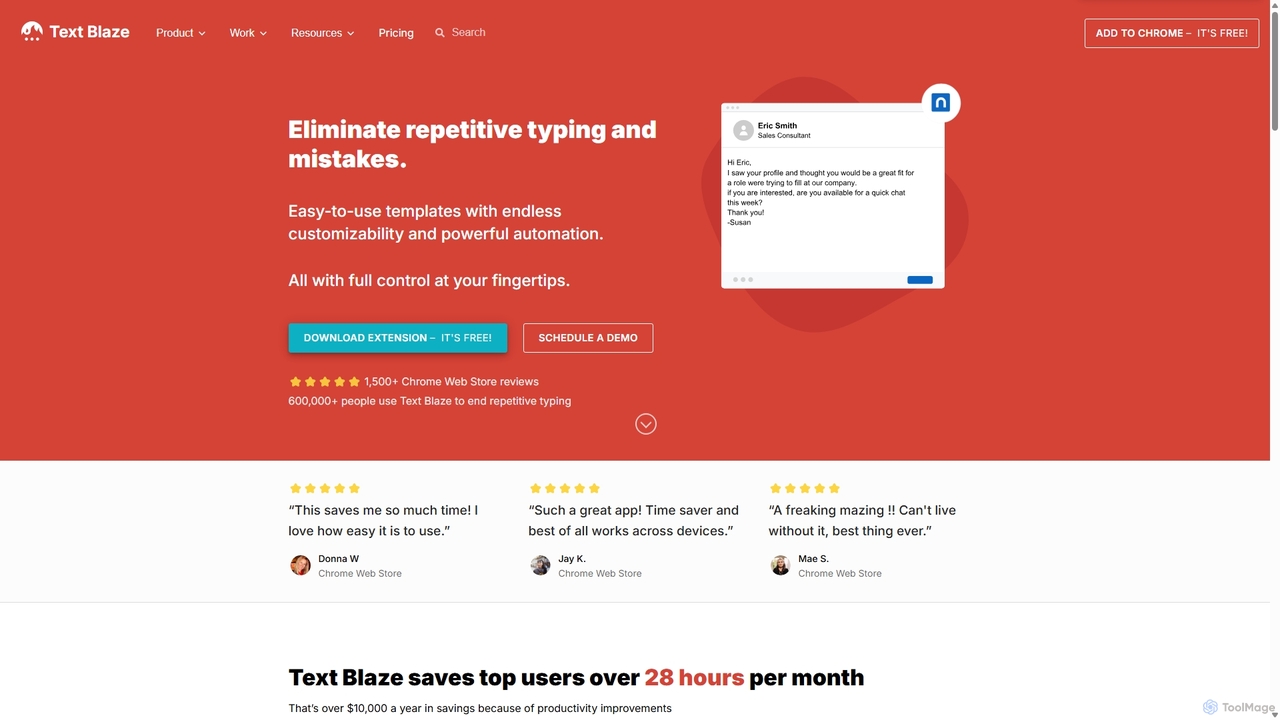
typedesk is an AI-powered text expander and keyboard automation app designed to eliminate repetitive typing. Create customizable text …

18.0K
Fixkey

Fixkey

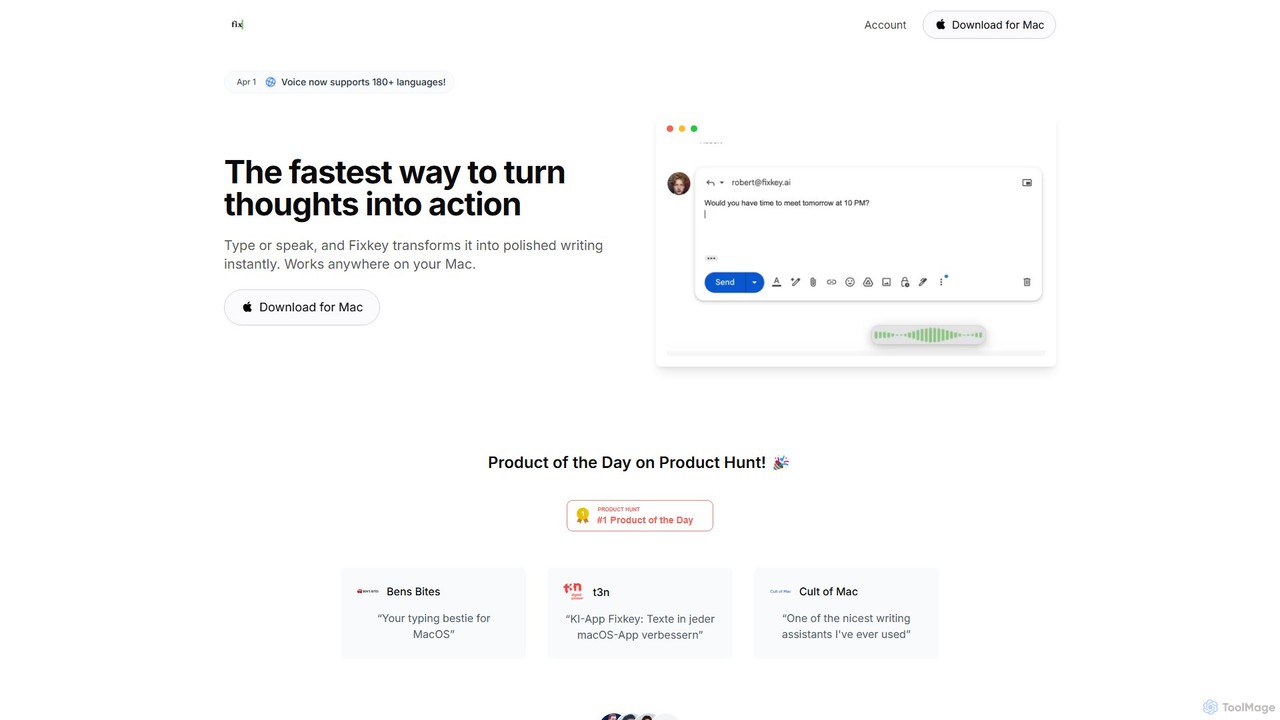
Fixkey is a native AI writing assistant for macOS that enhances your productivity. It transforms your voice or …

2.7K
ReplyMind

ReplyMind

ReplyMind is an AI-powered response assistant that helps you craft perfect replies for social media, emails, and customer …

2.7K
MailBuddy

MailBuddy

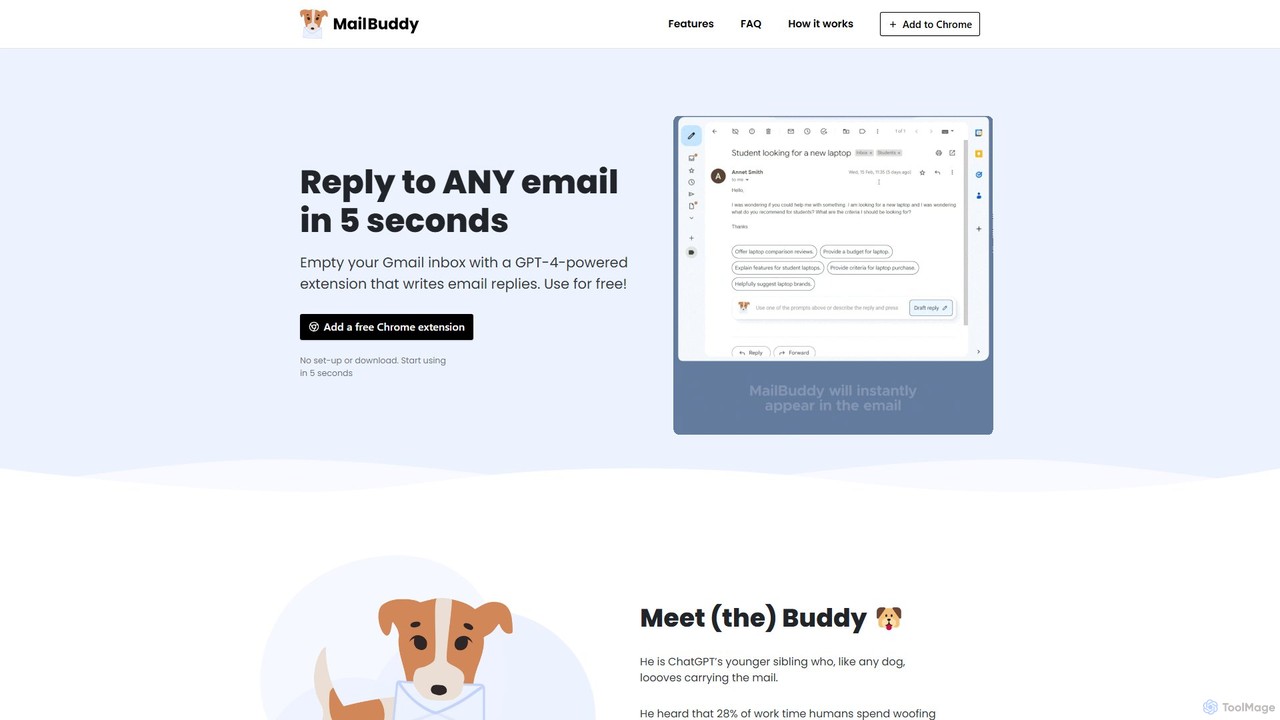
MailBuddy is a GPT-4 powered AI email assistant that integrates directly into your Gmail. It analyzes email context …

2.8K

About Response Management

Response Management tools are specialized AI-powered platforms for streamlining and automating communication with customers across various channels. They use natural language processing (NLP) to analyze, categorize, and prioritize incoming messages like social media comments, online reviews, and emails. This enables teams to deliver faster, more consistent, and context-aware replies, directly improving brand reputation and customer satisfaction. As a key component of Customer Support, these tools focus specifically on the workflow of managing and replying to external communications.

Core Features

  • Unified Inbox: Consolidates messages from diverse channels (social media, review sites, email) into a single, manageable interface.
  • AI-Powered Triage & Routing: Automatically analyzes message content and sentiment to route inquiries to the correct agent or department.
  • Canned Response & Template Library: Provides quick access to pre-approved answers for common questions, ensuring response consistency and speed.
  • Sentiment Analysis: Identifies the emotional tone of messages to help teams prioritize urgent or negative feedback for immediate action.
  • Performance Analytics: Tracks key metrics like average response time, resolution rate, and agent productivity for data-driven optimization.

Use Cases

These tools are crucial for social media managers, brand reputation specialists, and customer service teams. They are widely adopted in industries like hospitality, retail, e-commerce, and SaaS to efficiently manage online reviews, handle high volumes of social media interactions, and maintain a consistent brand voice across all touchpoints.

How to Choose

When selecting a Response Management tool, evaluate the range of supported channels (e.g., Instagram, Google Reviews, Trustpilot). Assess the sophistication of its AI features, such as the accuracy of its sentiment analysis and automated tagging. Also, consider its integration capabilities with your existing CRM or helpdesk software and the depth of its analytics and reporting.

Response ManagementUse Cases

1

Manage High-Volume Social Media Engagement

A community manager for a global consumer brand is tasked with handling thousands of comments, mentions, and direct messages daily across platforms like Instagram, Twitter, and Facebook. Using an AI Response Management tool, they can automatically filter out spam, tag inquiries by topic (e.g., 'shipping issue', 'positive feedback'), and route urgent complaints to a dedicated support agent. The tool's sentiment analysis flags angry comments for immediate review, allowing the manager to de-escalate situations proactively. This system reduces manual sorting time by over 70% and ensures no critical customer interaction is missed.

2

Streamline Online Review Responses

A marketing team for a hotel chain needs to monitor and respond to reviews across dozens of platforms like Google, TripAdvisor, and Booking.com for hundreds of locations. A Response Management tool aggregates all reviews into one dashboard. The team uses pre-approved templates to quickly thank guests for positive 5-star reviews, personalizing them with the guest's name. For negative reviews, the tool automatically routes them to the specific hotel manager, who can then craft a detailed, personalized response to address the concerns, demonstrating excellent customer care and protecting the brand's online reputation.

3

Unify E-commerce Customer Inquiries

An online retail store receives customer questions via email, a website contact form, and Facebook Messenger. Without a central system, responses are slow and inconsistent. By implementing a Response Management tool with a unified inbox, the support team sees all incoming messages in one place. The tool automatically tags questions about 'returns' or 'shipping status'. Agents can then use canned responses to provide instant, accurate information, significantly reducing response times and improving the overall customer experience during the post-purchase phase.

4

Coordinate Crisis Communication Efforts

During a product recall, a public relations team needs to monitor brand mentions across news sites, forums, and social media in real-time. A Response Management platform allows them to set up keyword alerts for the product name and 'recall'. The unified dashboard shows a surge in negative sentiment, helping them gauge public reaction. The team can then use the platform to deploy pre-approved, consistent statements across all channels simultaneously, ensuring a coordinated and timely response to manage the crisis and mitigate reputational damage.

5

Engage with App Store Reviewers

A mobile app developer wants to improve their app's rating by actively engaging with user feedback on the Apple App Store and Google Play Store. A Response Management tool pulls all new reviews into a single feed. The developer can filter for 1-star and 2-star reviews to quickly identify bugs or feature requests. They can then respond directly within the tool, informing users that a bug has been fixed or a feature is on the roadmap. This proactive engagement shows users their feedback is valued, often leading them to update their negative reviews to positive ones.

6

Maintain Brand Consistency for Franchises

A national restaurant chain with hundreds of franchise locations struggles with inconsistent responses to local Google reviews. The corporate marketing team implements a Response Management tool that provides all franchise managers with a library of on-brand response templates. Corporate can set approval workflows, ensuring that responses to sensitive issues are reviewed before posting. The platform's analytics also allow the central team to track response rates and sentiment scores across all locations, identifying top-performing franchises and those needing additional training in customer engagement.

Response ManagementFrequently Asked Questions