ToolMage
Sign in

Best 2 Data Extraction AI tools for Data Analysis

Popular Data Extraction AI tools in Data Analysis include Legalyze and pdfaionline, helping you work more efficiently.

pdfaionline
Freemium

pdfaionline

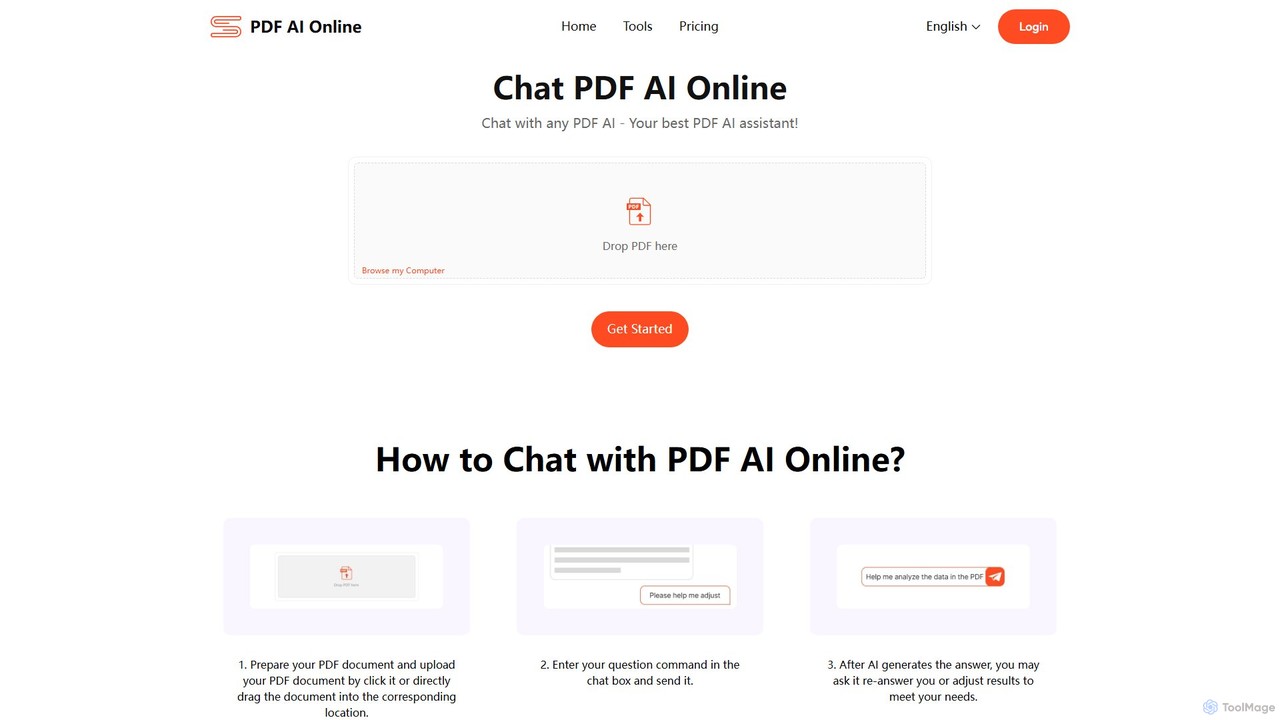
pdfaionline is a comprehensive AI-powered platform for interacting with your PDF documents. Chat with any PDF to get instant answers, summaries, and data analysis. It supports long documents, complex tables, and offers features like editing, mind mapping, and translation to over 100 languages. Powered by advanced models like GPT-4o and Claude-3, it ensures high accuracy and efficiency while prioritizing user data security.

Data Extraction
Visits 6.1KFavorites 87Likes 67
Legalyze
Freemium

Legalyze

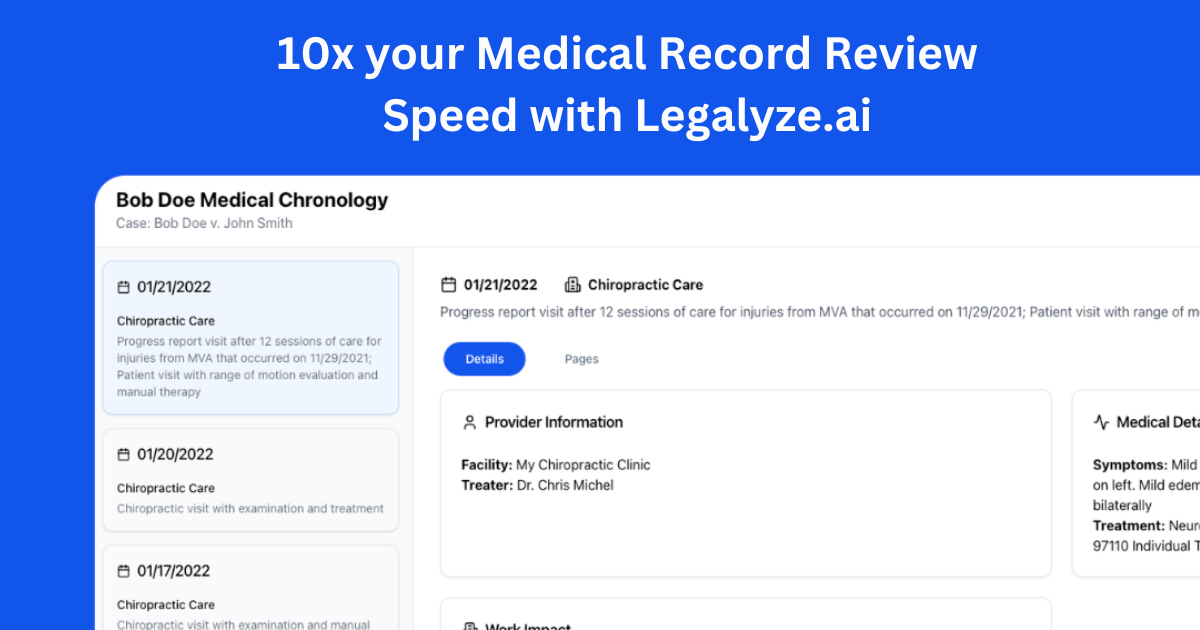
Legalyze is an AI-powered platform designed for law firms to accelerate medical record review by up to 10x. It automatically transforms thousands of pages of medical documents, including handwritten notes, into comprehensive, searchable chronologies. This allows legal teams to quickly understand case facts, draft documents, and focus on building winning strategies.

Data Extraction
Visits 8KFavorites 149Likes 150

About Data Extraction

Data Extraction tools are AI-powered solutions designed to automatically identify, collect, and structure specific information from various digital sources. These tools leverage advanced machine learning and natural language processing to transform unstructured or semi-structured data into usable formats, serving as a crucial first step in comprehensive data analysis. They significantly reduce manual effort and accelerate the process of gathering insights from vast datasets, enabling more efficient decision-making.

Core Features

  • Automated Web Scraping: Automatically collects data from websites, handling dynamic content and complex structures.
  • Document Parsing: Extracts specific fields and entities from PDFs, images, and other document types.
  • Natural Language Processing (NLP): Understands and extracts context-rich information from text, such as sentiment or key phrases.
  • Image and OCR Extraction: Converts text from images into machine-readable data using Optical Character Recognition.
  • Data Structuring & Cleaning: Organizes extracted raw data into structured formats (e.g., CSV, JSON) and removes inconsistencies.

Use Cases

Businesses utilize data extraction for market research, competitive analysis, and lead generation. Researchers apply it to gather information from academic papers or public datasets. It's also essential for automating data entry and populating databases from diverse sources, enhancing operational efficiency across various industries.

How to Choose

When selecting a data extraction tool, consider the types of data sources (web, documents, images), the complexity of the data (structured vs. unstructured), required output formats, and the tool's ability to handle scale and changes in source structure. Evaluate integration capabilities with existing systems and the level of technical expertise needed for setup and maintenance to ensure a seamless workflow.

Featured tool rankings

Data Extraction use cases

1

Automating E-commerce Product Data Collection

E-commerce businesses use AI data extraction to automatically gather product details, pricing, and customer reviews from competitor websites. This enables them to implement dynamic pricing strategies, monitor market trends, and optimize their product offerings without manual data entry, saving significant time and ensuring competitive intelligence.

2

Extracting Financial Data from Reports

Financial analysts employ AI data extraction tools to quickly pull key figures, company names, and dates from quarterly reports, annual filings, and news articles. This streamlines financial modeling, risk assessment, and compliance checks by providing structured data from vast amounts of unstructured financial documents, enhancing accuracy and speed.

3

Streamlining Legal Document Review

Legal professionals leverage AI data extraction to identify and categorize critical clauses, dates, parties, and specific terms from contracts, case files, and discovery documents. This significantly reduces the manual review time, improves accuracy in legal research, and ensures compliance by quickly surfacing relevant information from extensive legal archives.

4

Gathering Research Data from Academic Papers

Researchers in various fields utilize AI data extraction to systematically collect specific data points, methodologies, and findings from large volumes of scientific publications. This accelerates literature reviews, meta-analyses, and trend identification, allowing academics to focus on analysis and interpretation rather than tedious manual data compilation.

5

Monitoring Brand Mentions and Sentiment Online

Marketing teams use AI data extraction to scrape social media, forums, and news sites for mentions of their brand or products. They extract sentiment, key topics, and user feedback to inform brand strategy, public relations, and product development, gaining real-time insights into public perception and market trends.

6

Populating CRM with Lead Information

Sales and marketing teams automate the extraction of contact details, company information, and industry data from business directories, professional networking sites, and public records. This enriches their CRM systems with qualified leads, reduces manual data entry errors, and enables more targeted outreach and personalized communication with potential clients.

Data Extraction FAQ

What are AI Data Extraction tools?

AI Data Extraction tools are software solutions that use artificial intelligence, including machine learning and natural language processing, to automatically identify, extract, and organize specific information from various digital sources. They transform unstructured or semi-structured data into structured, usable formats, making it ready for analysis and decision-making. These tools are crucial for automating data collection from websites, documents, and images.

How do AI Data Extraction tools differ from traditional web scraping?

While traditional web scraping often relies on pre-defined rules and selectors that can break with website changes, AI Data Extraction tools use intelligent algorithms to understand content context and structure. This makes them more robust, adaptable to website changes, and capable of extracting data from complex, unstructured sources like PDFs or images, offering greater flexibility and accuracy.

What types of data can AI Data Extraction tools handle?

AI Data Extraction tools can handle a wide range of data types, including text from websites, documents (PDFs, Word files), images (via OCR), tables, and forms. They are particularly effective at extracting specific entities like names, dates, addresses, prices, product descriptions, and sentiment from both structured and unstructured content, making diverse data sources accessible.

Who benefits most from using Data Extraction tools?

Businesses across various sectors benefit, including e-commerce for competitive analysis, finance for report processing, legal for document review, marketing for lead generation and brand monitoring, and research for literature reviews. Essentially, anyone dealing with large volumes of data that needs to be collected, structured, and prepared for analysis can gain significant value from these tools, improving efficiency and accuracy.

What should I consider when choosing an AI Data Extraction tool?

When selecting an AI Data Extraction tool, consider the types of data sources you need to extract from (e.g., web, documents, APIs), the complexity and volume of data, and the required accuracy. Evaluate its ease of integration with your existing systems, the level of customization or technical expertise needed, and the tool's ability to handle evolving data structures. Also, assess pricing models and scalability to match your current and future needs.