Data Analysis Best in category 1 results Insights AI Tool

Popular AI tools in the Insights field of Data Analysis include Seamlessity, etc., helping you quickly improve efficiency.

Seamlessity

Seamlessity

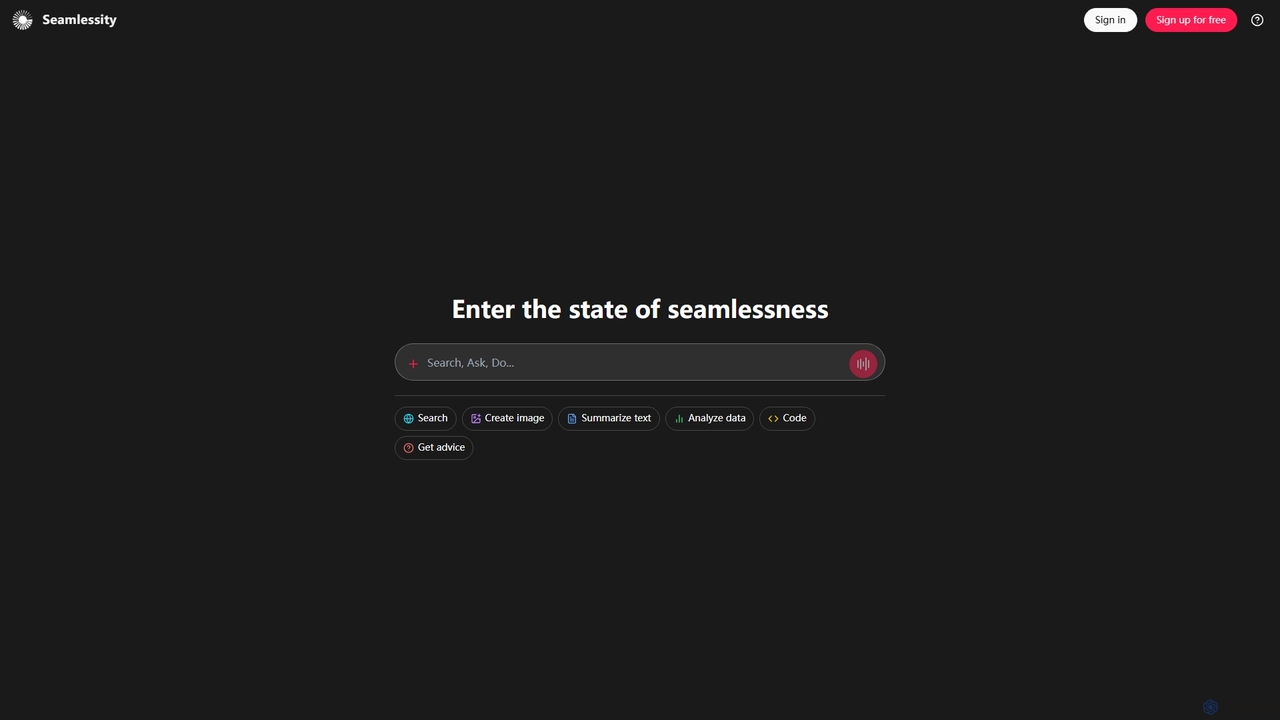
Seamlessity is a versatile AI platform designed to streamline various tasks, offering functionalities such as image creation, text …

2.3K

About Insights

Insights tools are specialized AI-powered platforms that leverage machine learning to uncover hidden patterns, trends, and actionable intelligence within complex datasets. These tools go beyond traditional reporting by automatically identifying correlations, predicting future outcomes, and generating recommendations that drive strategic decision-making. They empower businesses to transform raw data into valuable knowledge, enabling proactive responses and competitive advantages. This sub-category focuses on the discovery and application of data-driven understanding within the broader field of data analysis.

Core Features

  • Automated Pattern Recognition: Automatically detects complex relationships, anomalies, and recurring patterns in large volumes of data.
  • Predictive Modeling: Utilizes machine learning algorithms to forecast future trends, customer behavior, or market shifts with high accuracy.
  • Root Cause Analysis: Helps identify the underlying reasons for specific outcomes or performance deviations.
  • Natural Language Generation (NLG): Translates complex data findings into easily understandable narratives and reports.
  • Recommendation Engines: Provides data-driven suggestions for optimizing operations, marketing campaigns, or product development.

Applicable Scenarios

Businesses across various sectors, including retail, finance, healthcare, and manufacturing, use AI insights tools. Marketing teams leverage them to understand customer segments and campaign effectiveness, while operations managers apply them to optimize supply chains and predict equipment failures. Financial analysts use them for market trend prediction and risk assessment, transforming data into strategic foresight.

How to Choose

When selecting an AI Insights tool, consider its data integration capabilities with existing systems, the depth and breadth of its analytical models (e.g., predictive, prescriptive), the clarity and customizability of its reporting features, and the level of technical expertise required for implementation and use. Scalability, pricing models, and the ability to generate truly actionable recommendations are also crucial factors.

InsightsUse Cases

1

Optimizing E-commerce Customer Journeys

E-commerce managers use AI insights tools to analyze vast amounts of customer browsing, purchase, and interaction data. The tool identifies common drop-off points, predicts customer churn risk, and suggests personalized product recommendations or targeted promotions. This leads to improved conversion rates, enhanced customer retention, and a more efficient allocation of marketing resources.

2

Predicting Equipment Maintenance Needs

Manufacturing companies deploy AI insights to monitor sensor data from machinery in real-time. The tools detect subtle anomalies and predict potential equipment failures before they occur, enabling proactive maintenance scheduling. This minimizes costly downtime, reduces repair expenses, and extends the operational lifespan of critical assets, ensuring continuous production.

3

Enhancing Financial Fraud Detection

Financial institutions utilize AI insights platforms to analyze transaction patterns in real-time. These tools can identify unusual activities that deviate from normal customer behavior, flagging potential fraudulent transactions with high accuracy. This significantly reduces financial losses, enhances security for customers, and strengthens compliance with regulatory requirements by quickly identifying suspicious activities.

4

Personalizing Healthcare Treatment Plans

Healthcare providers leverage AI insights to analyze patient medical records, genetic data, and treatment outcomes. The tools identify correlations and predict the most effective treatment pathways for individual patients, supporting personalized medicine. This leads to improved patient care quality, optimized resource allocation, and better health outcomes by tailoring interventions to specific patient needs.

5

Streamlining Supply Chain Logistics

Logistics and supply chain managers use AI insights to analyze historical data on demand, inventory, and shipping. The tools predict future demand fluctuations, optimize inventory levels, and identify the most efficient routing options. This reduces operational costs, minimizes waste, and improves delivery times, leading to a more resilient and cost-effective supply chain.

6

Improving Marketing Campaign Performance

Marketing analysts employ AI insights to evaluate the effectiveness of various campaigns across different channels. The tools analyze audience engagement, conversion metrics, and ROI, providing actionable insights into which strategies perform best. They suggest optimizations for future campaigns to maximize impact, personalize messaging, and achieve higher returns on marketing investment.

InsightsFrequently Asked Questions