PowerSpect
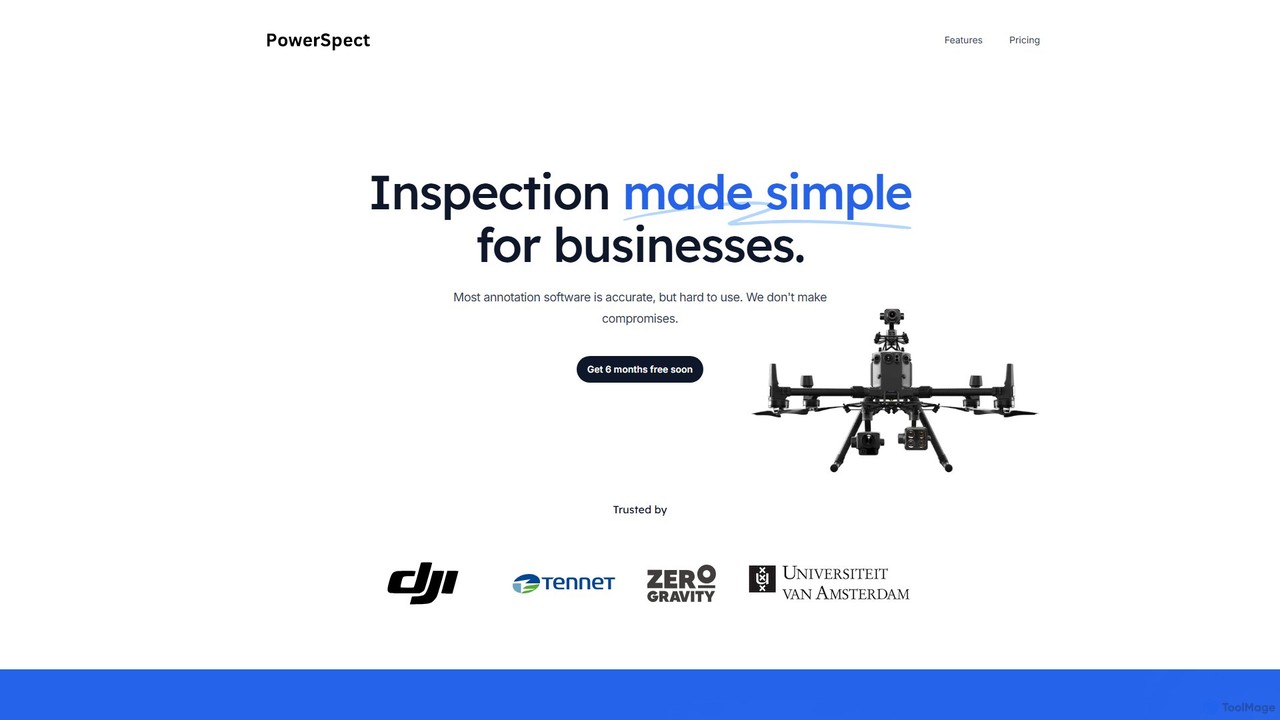
PowerSpect is an AI-powered platform that simplifies and automates infrastructure inspection. It utilizes advanced computer vision, 3D modeling, …
PowerSpect is an AI-powered platform that simplifies and automates infrastructure inspection. It utilizes advanced computer vision, 3D modeling, and predictive analytics to analyze data from images and sensors. Designed for industries like energy and utilities, it helps detect potential issues, forecast maintenance needs, and ensure the safety and reliability of critical assets like transmission towers.
About Predictive Maintenance
Predictive Maintenance (PdM) tools are a specialized class of data analysis software that use AI to forecast potential equipment failures before they occur. These tools analyze continuous data streams from sources like IoT sensors, including vibration, temperature, and pressure, to identify patterns that precede malfunctions. By shifting from a reactive or scheduled maintenance approach to a proactive, condition-based strategy, organizations can significantly reduce unplanned downtime, lower repair costs, and extend the operational life of critical assets. This data-driven method allows for maintenance to be performed precisely when it is needed.
Core Features
- Failure Pattern Recognition: Uses machine learning to detect subtle anomalies and patterns in operational data that indicate an impending failure.
- Remaining Useful Life (RUL) Estimation: Forecasts the time left before a component or piece of equipment is likely to fail.
- Root Cause Analysis: Provides insights into the underlying causes of potential faults to help prevent future occurrences.
- Automated Alerts & Work Orders: Generates real-time notifications for maintenance teams and can integrate with CMMS to trigger work orders automatically.
- Data Integration: Connects with diverse data sources, including SCADA systems, IoT platforms, and historical maintenance logs for comprehensive analysis.
Use Cases
Predictive Maintenance tools are crucial in asset-heavy industries such as manufacturing, energy, transportation, and aerospace. They are used to monitor production line machinery, predict failures in wind turbines, ensure the reliability of aircraft engines, and manage the health of commercial vehicle fleets. The primary goal is to maximize uptime and operational efficiency where equipment failure leads to significant financial loss or safety risks.
How to Choose
When selecting a Predictive Maintenance tool, consider its data integration capabilities with your existing sensors and systems (CMMS/EAM). Evaluate the accuracy and explainability of its AI models. Ensure the platform is scalable to handle a growing number of assets and data volume. Also, consider the user interface's intuitiveness for your maintenance teams and whether a cloud-based or on-premise solution better fits your security and infrastructure needs.

Predictive MaintenanceUse Cases
Monitoring Manufacturing Production Lines
A plant manager for a high-volume factory needs to prevent unexpected machinery breakdowns that halt production. By implementing a predictive maintenance tool, they continuously analyze real-time vibration and temperature data from critical CNC machines. The AI model detects a subtle, abnormal vibration pattern in a motor bearing, predicting a failure within the next 72 hours. An alert is automatically sent to the maintenance team, who schedule a replacement during a planned shutdown, preventing an estimated 8 hours of costly downtime and ensuring production targets are met.
Optimizing Wind Turbine Maintenance
An operations manager for a renewable energy company faces high costs for maintaining remote wind turbines. Using a predictive maintenance platform, they analyze data from gearbox sensors, blade stress gauges, and weather patterns. The system predicts a high probability of gearbox component wear-out on a specific turbine within the next 90 days. This allows them to schedule proactive maintenance, bundling the repair with other routine checks. This approach avoids a catastrophic failure, extends the turbine's lifespan, and reduces overall maintenance costs by 20% by optimizing technician dispatch.
Managing Commercial Vehicle Fleets
A fleet manager for a logistics company struggles with unexpected truck breakdowns, which cause delivery delays and high repair costs. They integrate a predictive maintenance platform with the fleet's telematics data, analyzing engine diagnostics and tire pressure. The AI flags a truck's engine coolant system for showing early signs of a potential leak. The truck is then brought in for service before its next long-haul trip. A minor hose replacement prevents a major engine failure on the highway, saving thousands in potential repair costs and ensuring on-time delivery.
Ensuring Aircraft Engine Reliability
An aviation maintenance planner must ensure maximum safety and reliability for a fleet of aircraft. Instead of relying solely on fixed maintenance schedules based on flight hours, they use a predictive maintenance tool. This tool analyzes vast amounts of flight data and engine sensor readings to calculate the Remaining Useful Life (RUL) for critical components like turbine blades. This allows for condition-based maintenance, optimizing service intervals to safely extend the time between costly overhauls, reduce spare parts inventory, and improve overall fleet availability without compromising safety.
Preventing HVAC System Failures in Buildings
A facilities manager for a large commercial building is responsible for tenant comfort and operational efficiency. An unexpected HVAC system failure during a heatwave can be disastrous. They use a predictive maintenance tool to continuously monitor data from compressors, fans, and thermostats. The system detects a gradual increase in a compressor's energy draw and temperature, a known pattern preceding motor failure. The facilities team is alerted, inspects the unit, and discovers a lubrication issue. A simple fix prevents a complete system breakdown, avoiding an expensive emergency repair and ensuring uninterrupted comfort for tenants.
Predicting Railway Track and Rolling Stock Issues
A railway operations engineer is tasked with ensuring the safety and reliability of thousands of kilometers of track. Manual inspection is slow and resource-intensive. By deploying AI tools that analyze data from track-side acoustic sensors and onboard monitoring systems, they can detect issues proactively. The system identifies a subtle vibration signature on a specific section of track indicating a developing fault. A maintenance crew is dispatched to the exact location for repair, preventing a potential safety hazard and avoiding widespread service disruptions. This improves overall railway safety and operational efficiency.