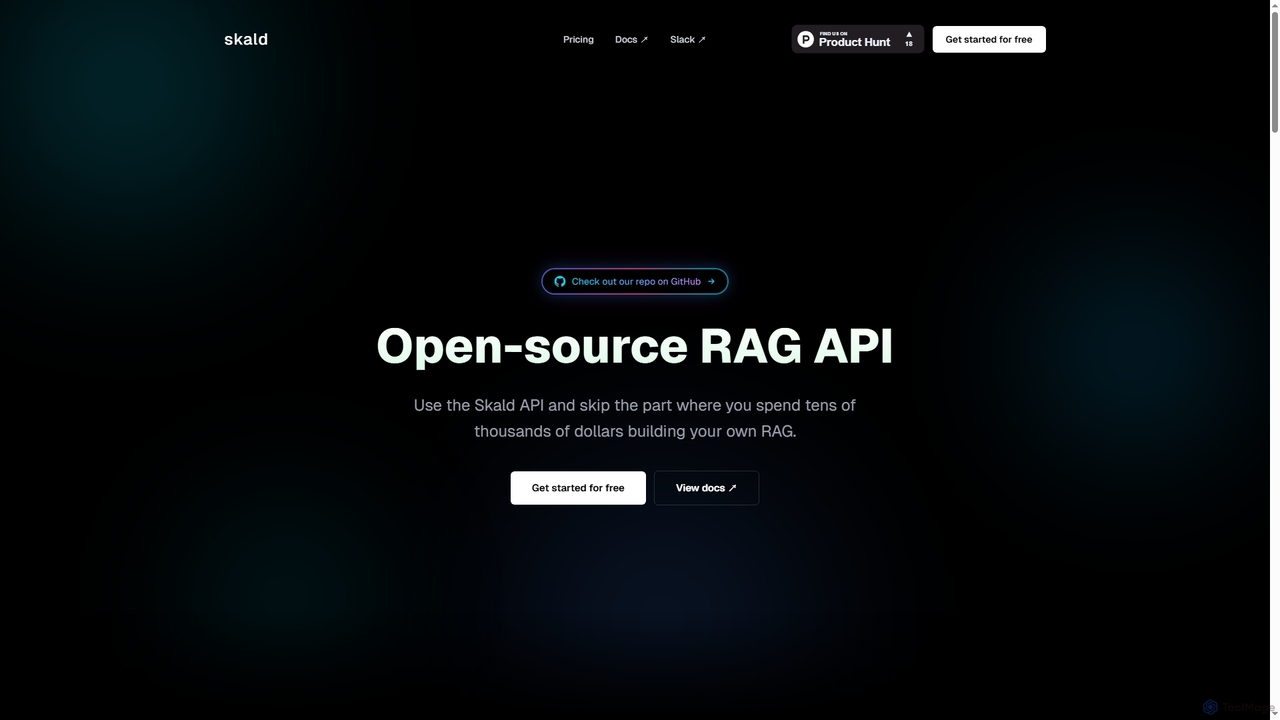
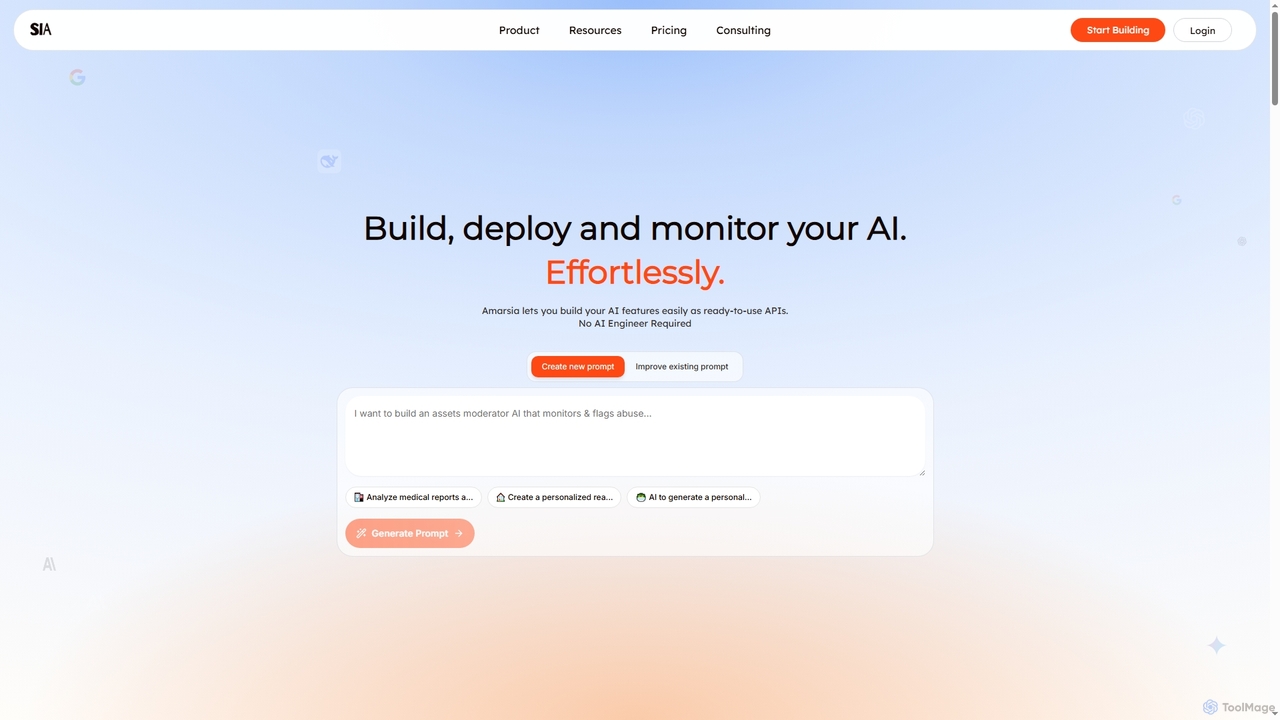
Knowledge Base AI tools are intelligent platforms designed to centralize, organize, and make accessible vast amounts of information using artificial intelligence. As a specialized component within Data Management, these tools leverage AI to enhance information retrieval, content generation, and user interaction, transforming raw data into actionable insights. They enable organizations to efficiently manage internal documentation, customer support resources, and comprehensive product information, significantly improving accessibility and reducing search times for users.
Core Features
- AI-Powered Search: Utilizes natural language processing (NLP) to understand complex queries and provide highly relevant answers, going beyond keyword matching.
- Automated Content Tagging & Categorization: Automatically analyzes and tags content, ensuring consistent organization and easier discovery across diverse data sources.
- Intelligent Content Generation: Assists in drafting new articles, summaries, or FAQs by leveraging existing knowledge and AI models, speeding up content creation.
- Multi-Source Integration: Connects with various data repositories like databases, cloud storage, and CRM systems to unify information in one accessible hub.
- Version Control & Access Management: Ensures that users always access the most current and approved information, with granular control over who can view or edit content.
Applicable Scenarios
Knowledge Base AI tools are crucial for organizations aiming to streamline information access and enhance operational efficiency. They are widely adopted in customer service centers for instant query resolution, by HR departments for managing employee policies and training materials, and within product development teams for centralizing technical specifications and design documents.
How to Choose
When selecting an AI Knowledge Base tool, consider its AI capabilities (e.g., NLP accuracy, content generation quality), integration ecosystem with existing systems, scalability to handle growing data volumes, and ease of content creation and management. Evaluate the security features, user interface intuitiveness, and the level of support for various content formats to ensure it meets specific organizational needs.