Xheal
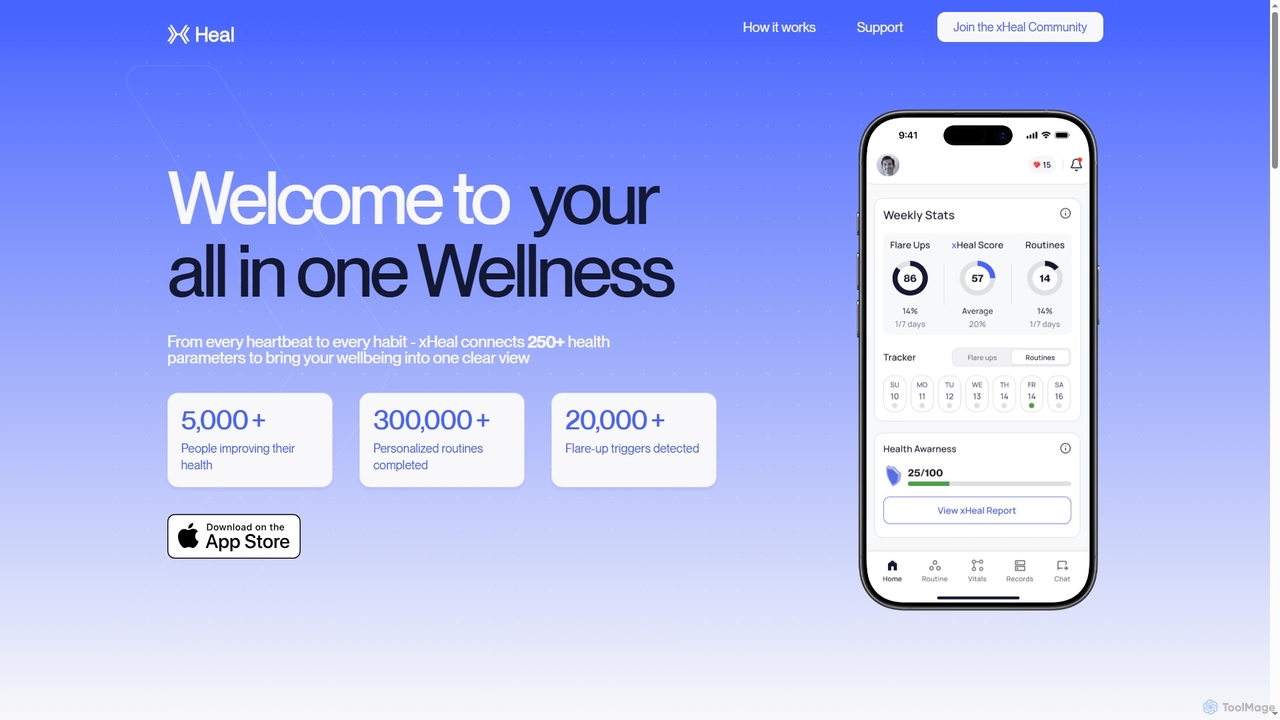
Xheal is an AI-powered mobile health platform that provides a 360° view of your well-being. It unifies over …
Xheal is an AI-powered mobile health platform that provides a 360° view of your well-being. It unifies over 250 health parameters, medical records, and user data into a single view. Using AI, it delivers personalized, actionable care plans including nutrition, fitness, and mental health exercises. The platform helps users track trends, identify flare-up triggers for chronic conditions, and share comprehensive health summaries with specialists to improve their health proactively.
Sportsprediction
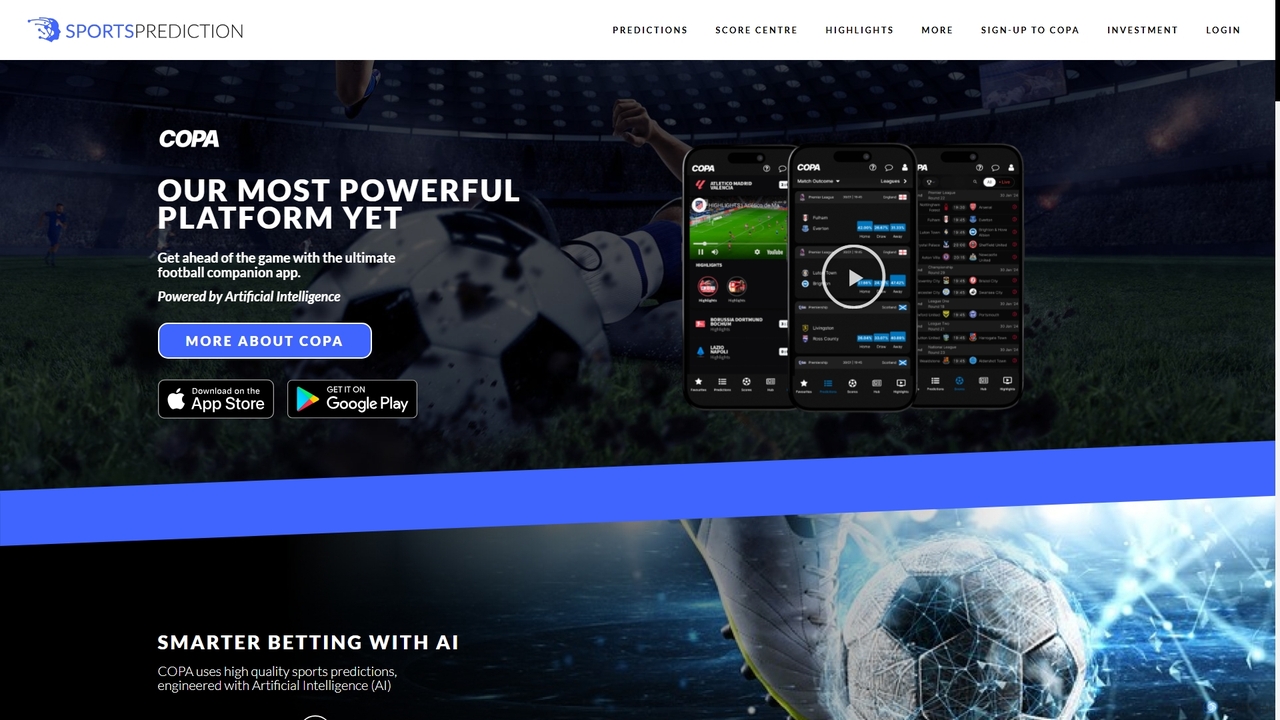
An AI-powered platform offering highly accurate football match predictions through its companion app, COPA. It provides detailed insights, …
An AI-powered platform offering highly accurate football match predictions through its companion app, COPA. It provides detailed insights, live scores, and statistics for major European leagues to help users make smarter betting decisions and enhance their sports experience.
Octoparse
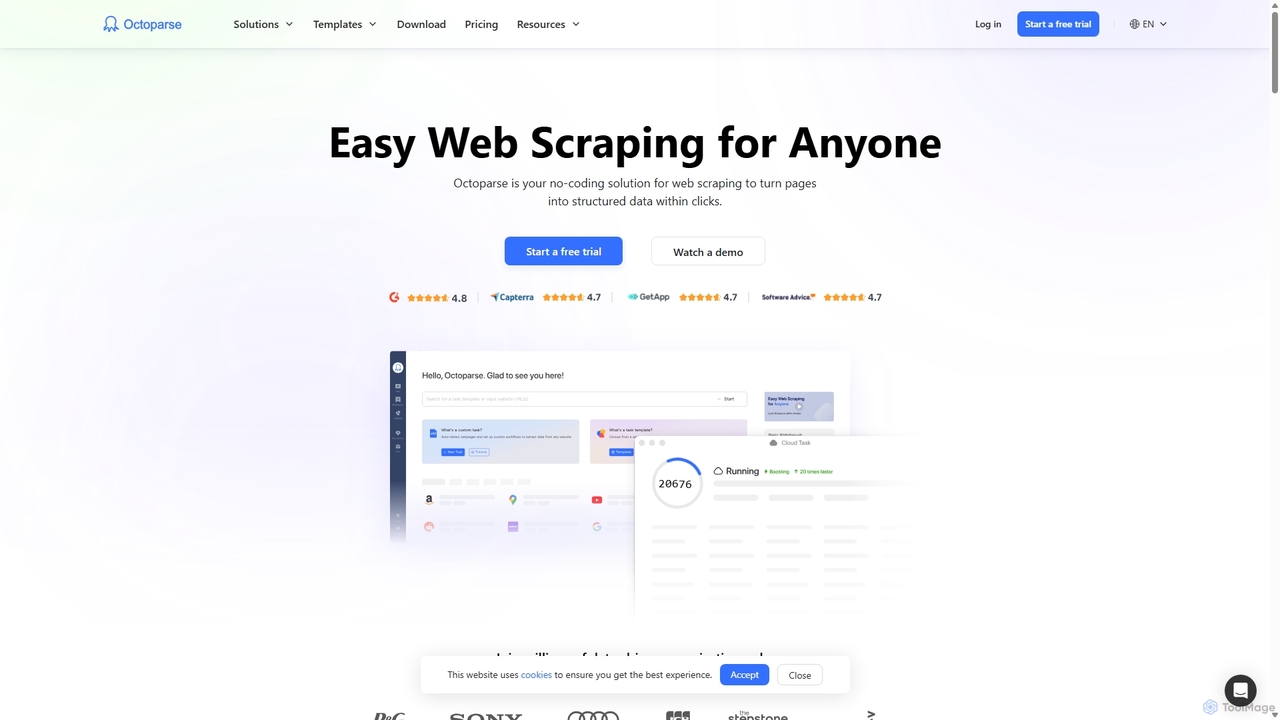
Octoparse is a powerful no-code web scraping tool that allows anyone to extract data from websites without programming. …
Octoparse is a powerful no-code web scraping tool that allows anyone to extract data from websites without programming. It features a visual workflow designer, an AI-powered assistant for easy setup, and hundreds of pre-built templates for popular sites. With cloud-based automation, IP rotation, and CAPTCHA solving, Octoparse handles complex scraping tasks efficiently, turning web pages into structured data for lead generation, market research, and more.
Screenpipe
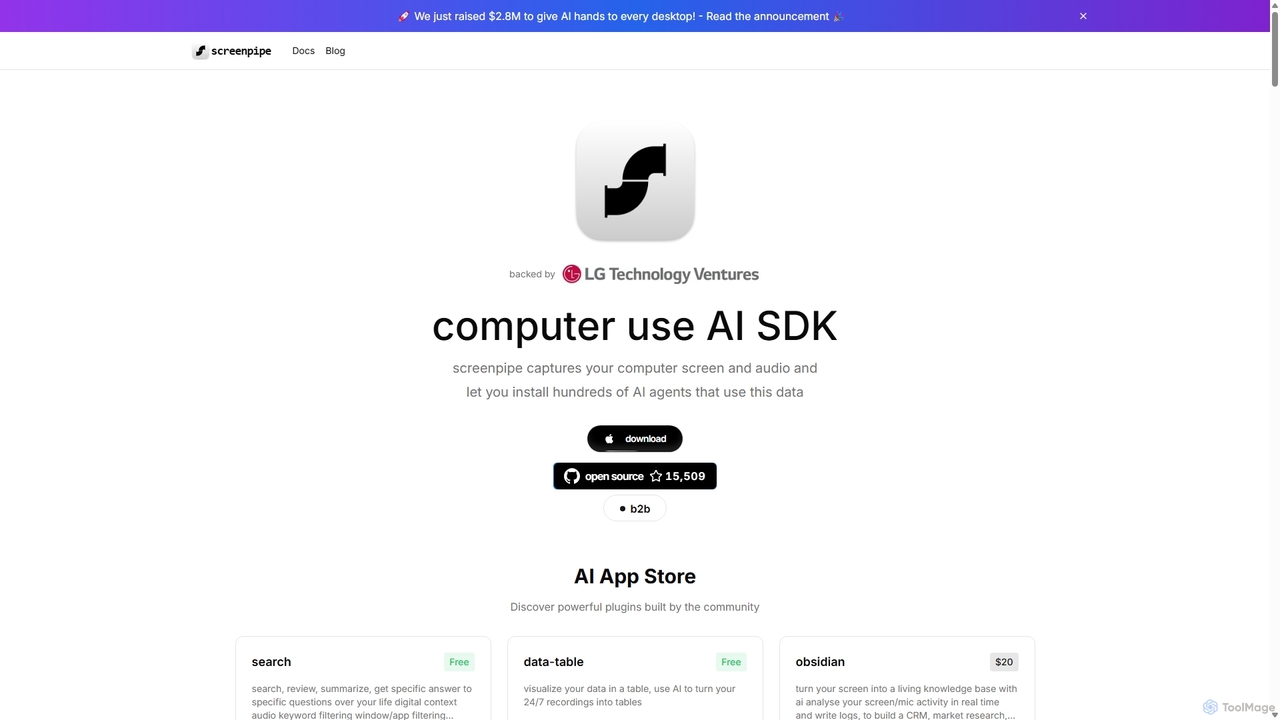
Screenpipe is an open-source AI SDK that captures your computer's screen and audio 24/7, creating a local, private …
Screenpipe is an open-source AI SDK that captures your computer's screen and audio 24/7, creating a local, private digital memory. It powers a rich ecosystem of AI agents that can search, summarize, and automate tasks based on your complete digital context, turning your computer usage into a powerful, personalized AI.
Strawberry Browser
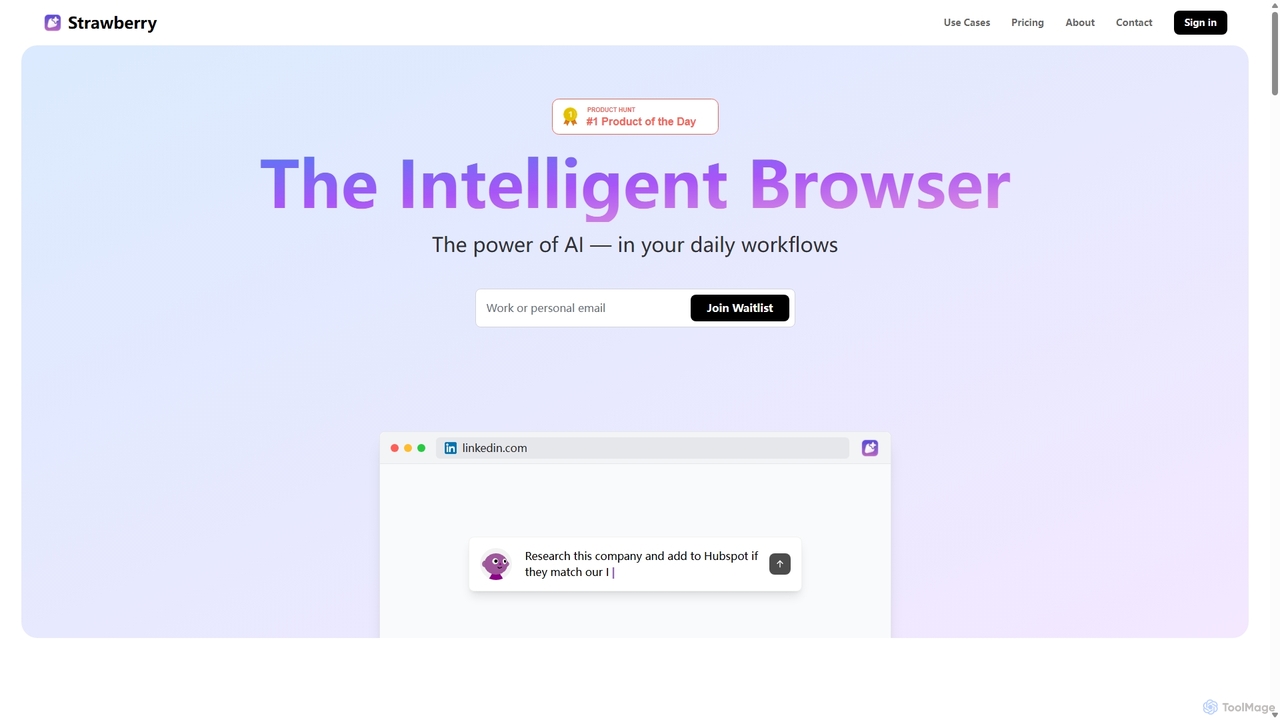
Strawberry Browser is an intelligent, AI-powered browser designed to automate your daily workflows. It allows you to build …
Strawberry Browser is an intelligent, AI-powered browser designed to automate your daily workflows. It allows you to build a team of customizable AI assistants that handle repetitive tasks like research, data extraction, and lead generation directly within your browser. Eliminate grunt work, stay focused, and enhance your productivity.
Scrap.so
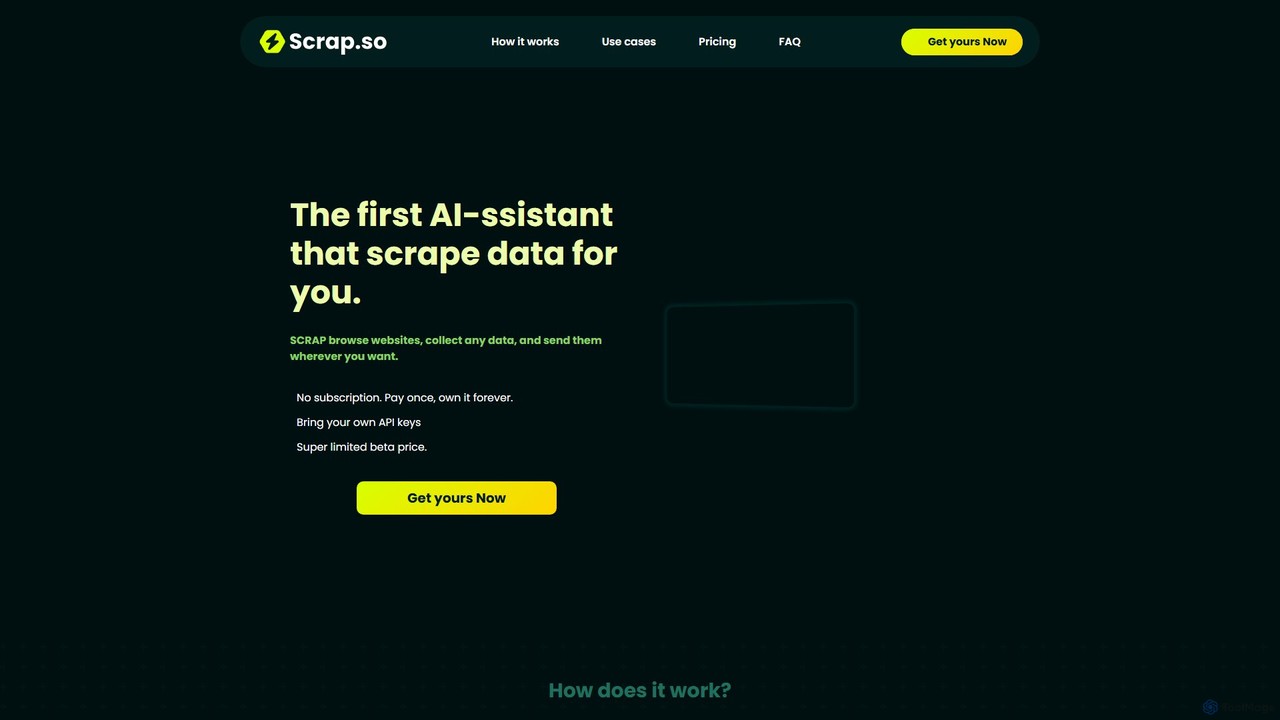
Scrap.so is an AI-powered desktop application designed for automated web scraping and data collection. It acts as a …
Scrap.so is an AI-powered desktop application designed for automated web scraping and data collection. It acts as a personal AI assistant that browses websites, extracts user-defined data, and delivers it to any destination. Ideal for lead generation, market research, and competitor analysis, it simplifies data extraction by allowing users to describe their needs in natural language, eliminating manual work and complex configurations.

copascore
copascore is an AI-powered football prediction app that provides data-driven insights for matches worldwide. It offers detailed predictions …
copascore is an AI-powered football prediction app that provides data-driven insights for matches worldwide. It offers detailed predictions on outcomes, goals, corners, and player performance. The app also features a live score center, match highlights, and an interactive prediction game, making it an all-in-one companion for football fans, bettors, and fantasy players.
WebDB
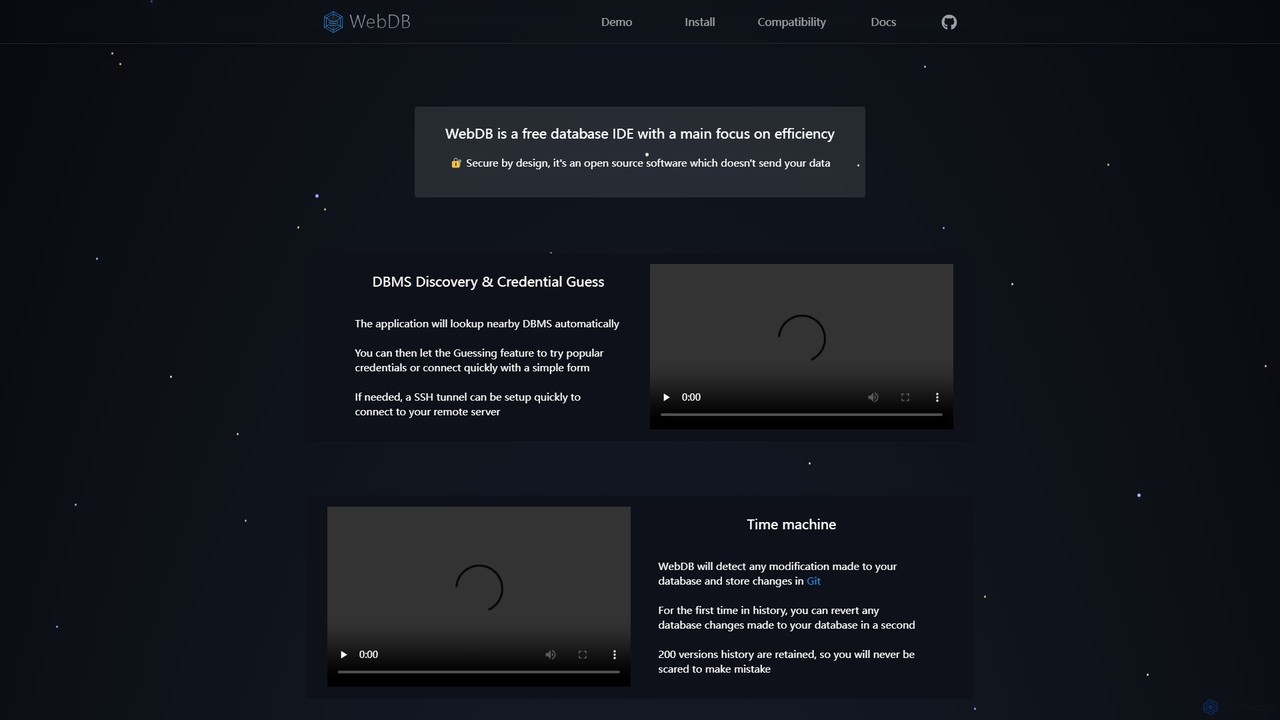
A free, open-source, and efficient database IDE designed for developers. It features an AI assistant (integrating ChatGPT, Gemini, …
A free, open-source, and efficient database IDE designed for developers. It features an AI assistant (integrating ChatGPT, Gemini, etc.), a unique Git-based "Time Machine" for reverting database changes, powerful query editing, NoSQL structure inference, and robust security. It supports a wide range of databases like MySQL, PostgreSQL, and MongoDB, all within a privacy-focused framework.
iMyFone
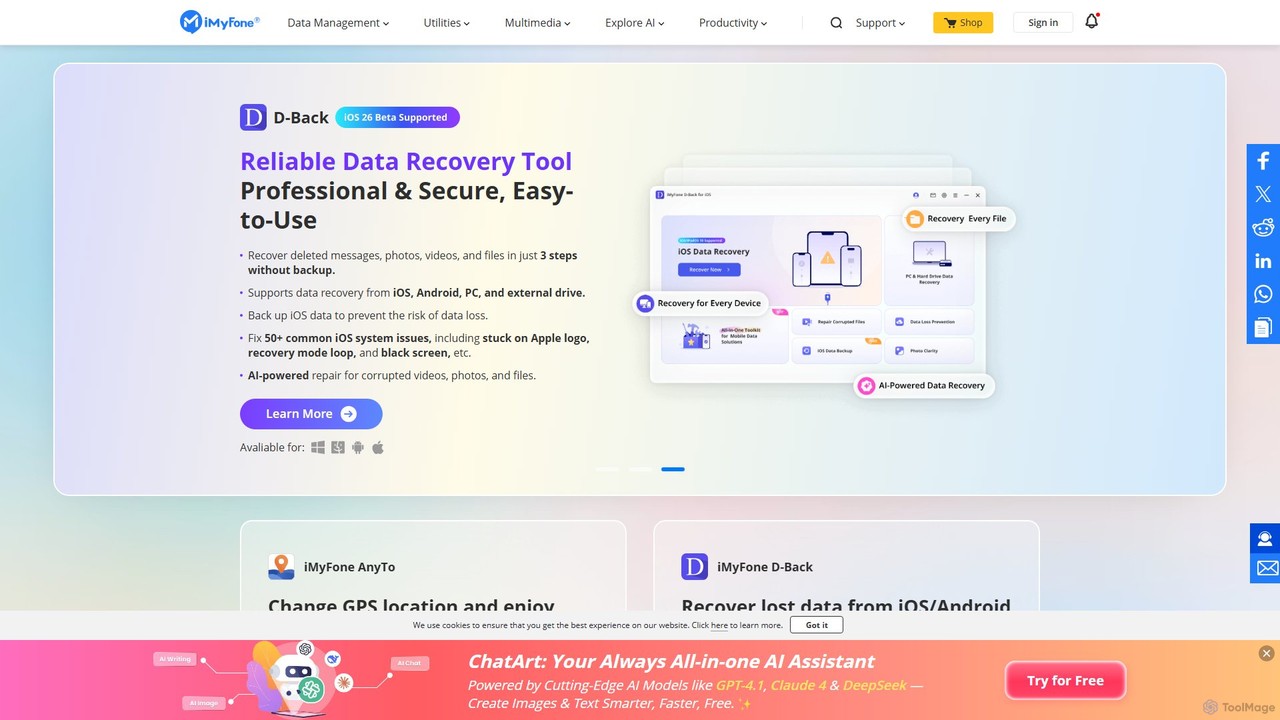
iMyFone offers a comprehensive suite of AI-powered software solutions for iOS, Android, Windows, and Mac. It specializes in …
iMyFone offers a comprehensive suite of AI-powered software solutions for iOS, Android, Windows, and Mac. It specializes in data recovery, system repair, password unlocking, and creative content generation. With tools like the offline AI assistant Nut Studio and the versatile ChatArt, iMyFone empowers users to solve complex digital problems and enhance productivity with cutting-edge artificial intelligence.
Octoparse AI
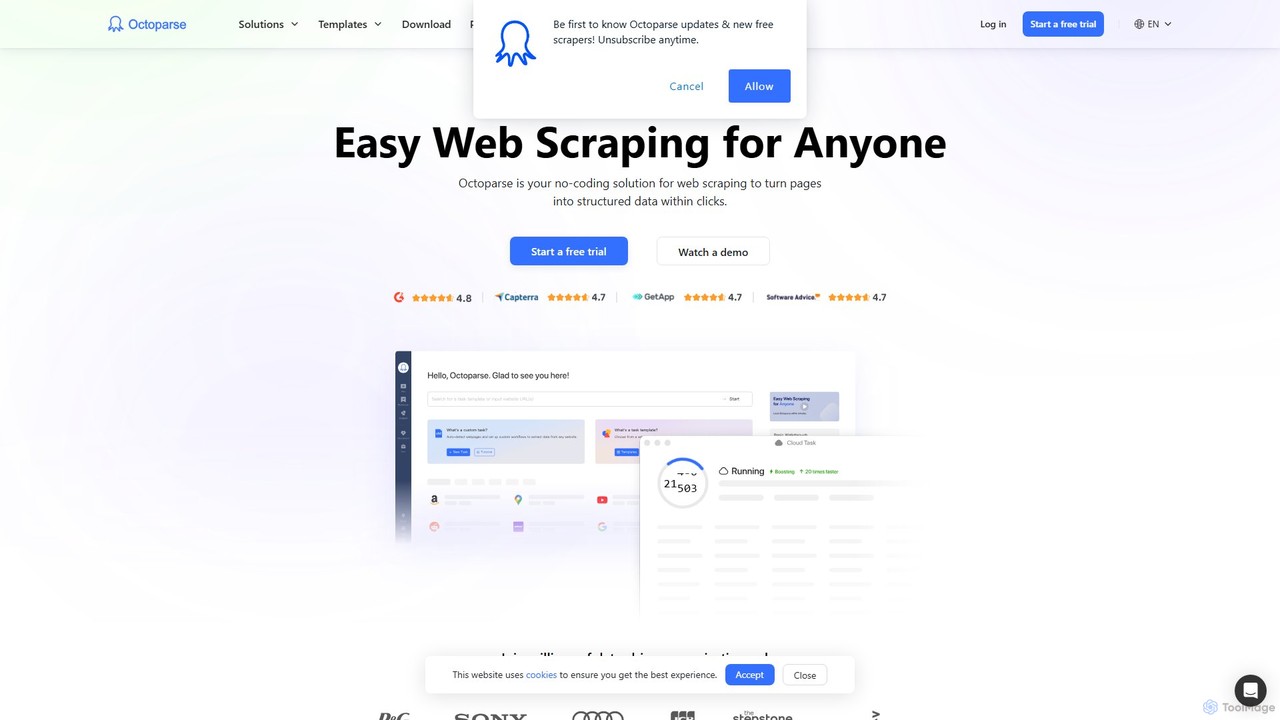
Octoparse AI is a no-code platform for building custom AI-powered workflows and RPA bots. It enables users to …
Octoparse AI is a no-code platform for building custom AI-powered workflows and RPA bots. It enables users to automate tasks, scrape web data, and integrate with various applications without writing any code. With a rich library of ready-to-use automation apps, it streamlines processes for sales, marketing, and data management, boosting productivity for individuals and teams.
ScrapeComfort
ScrapeComfort is an AI-powered, no-code desktop application for effortless web scraping. It leverages ChatGPT to let you extract …
ScrapeComfort is an AI-powered, no-code desktop application for effortless web scraping. It leverages ChatGPT to let you extract data from any website using simple plain-text commands, eliminating the need for technical skills like CSS selectors or XPaths. It's designed for users of all levels to automate data collection for market research, lead generation, and data analysis.
DataLine
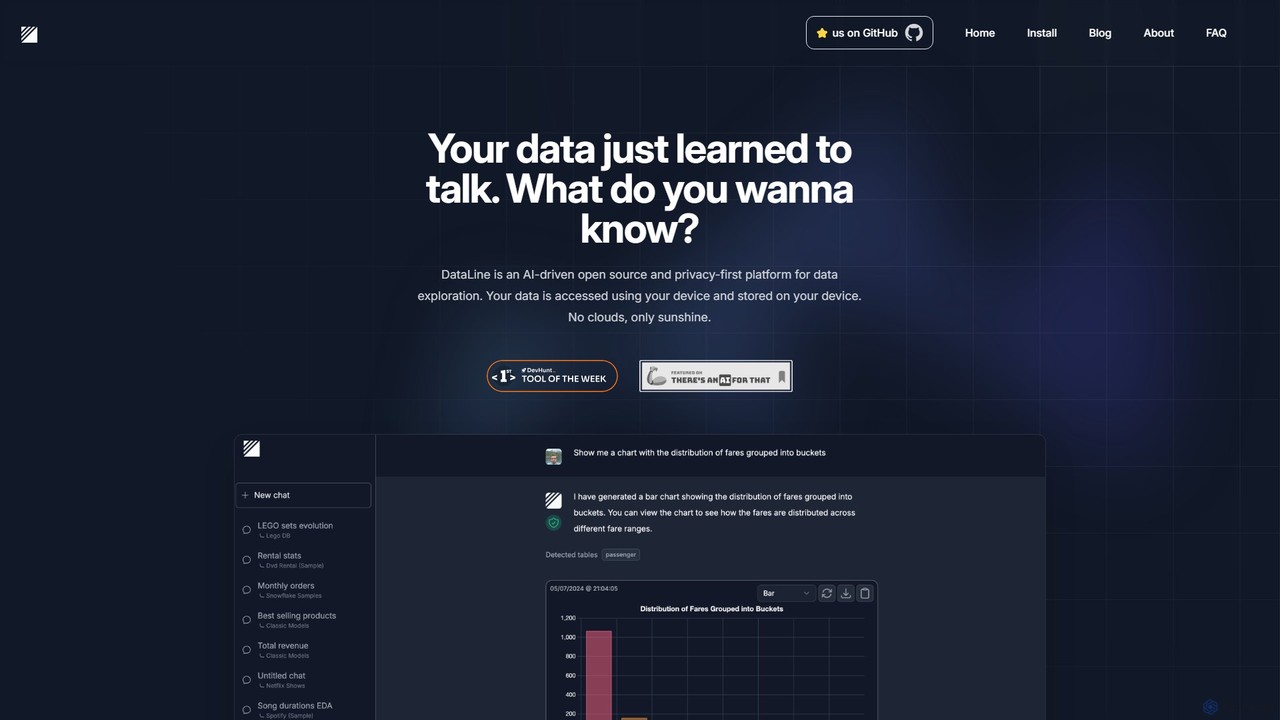
DataLine is an open-source, privacy-first AI platform that allows you to explore your data through natural language. Securely …
DataLine is an open-source, privacy-first AI platform that allows you to explore your data through natural language. Securely connect to your databases and files, ask questions, and get instant insights and visualizations without your data ever leaving your machine.
ParseHub
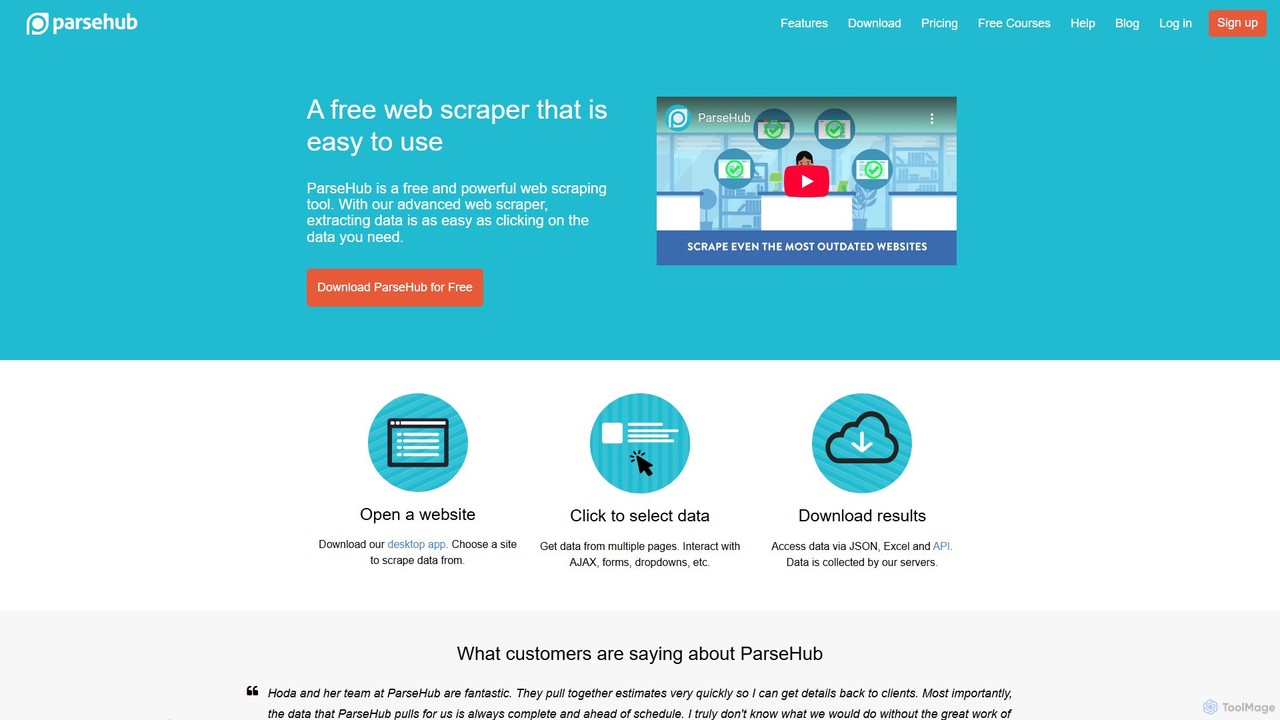
ParseHub is a powerful, no-code web scraping tool that allows users to extract data from any website with …
ParseHub is a powerful, no-code web scraping tool that allows users to extract data from any website with a simple point-and-click interface. It's designed to handle complex, dynamic sites with JavaScript, AJAX, forms, and infinite scroll. Data can be collected on a schedule, exported as JSON/Excel, or accessed via API, making it ideal for lead generation, market research, and data aggregation.
nao
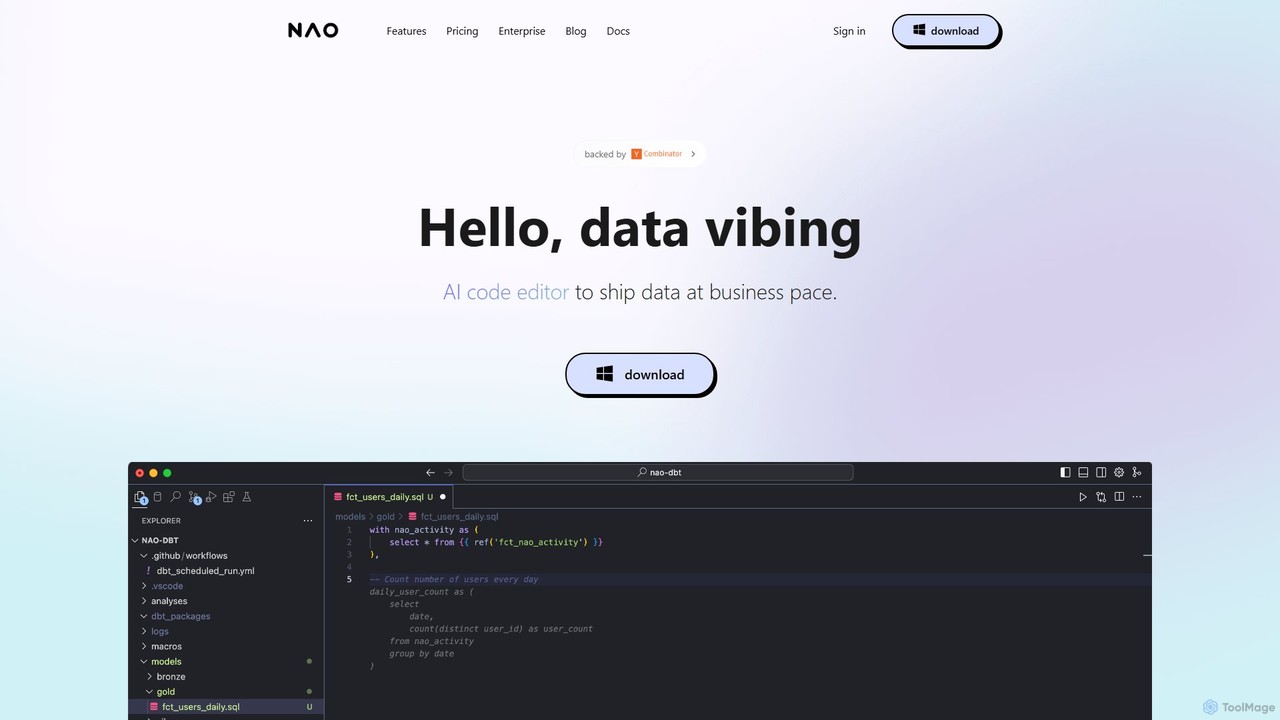
nao is an AI-powered code editor designed for data teams. It streamlines SQL and Python data pipeline creation, …
nao is an AI-powered code editor designed for data teams. It streamlines SQL and Python data pipeline creation, dbt workflows, and analytics by natively connecting to your data warehouse. Its intelligent agent provides data-aware code suggestions, quality checks, and instant diff previews to help you ship data faster and more safely.
ScrapeTheMap
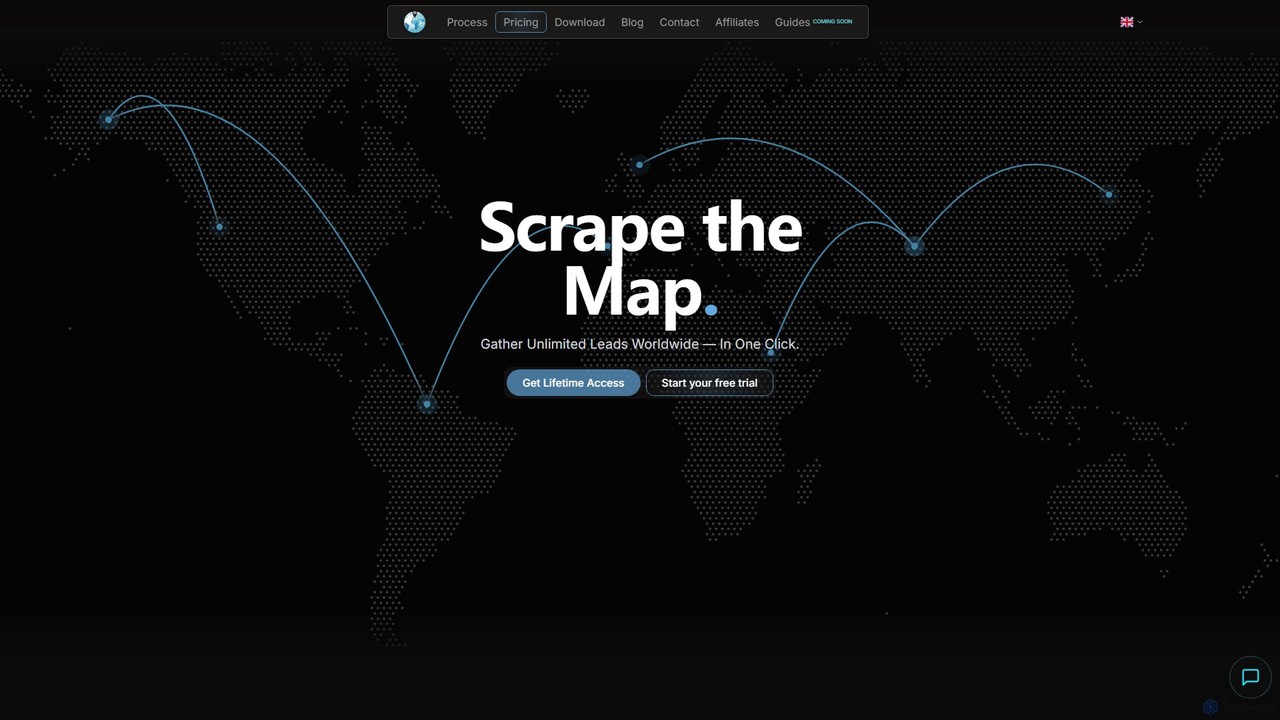
ScrapeTheMap is an AI-driven desktop application for macOS and Windows that extracts unlimited B2B leads from Google Maps, …
ScrapeTheMap is an AI-driven desktop application for macOS and Windows that extracts unlimited B2B leads from Google Maps, Bing Maps, and Yandex Maps. It combines five powerful tools, including a map scraper, review scraper, and domain email extractor, into one platform. With AI enhancements for generating business summaries and email templates, it's designed for lead generation, market research, and competitor analysis. The tool operates on a one-time purchase model with lifetime updates, offering a cost-effective solution without recurring fees.
Fulltrack AI
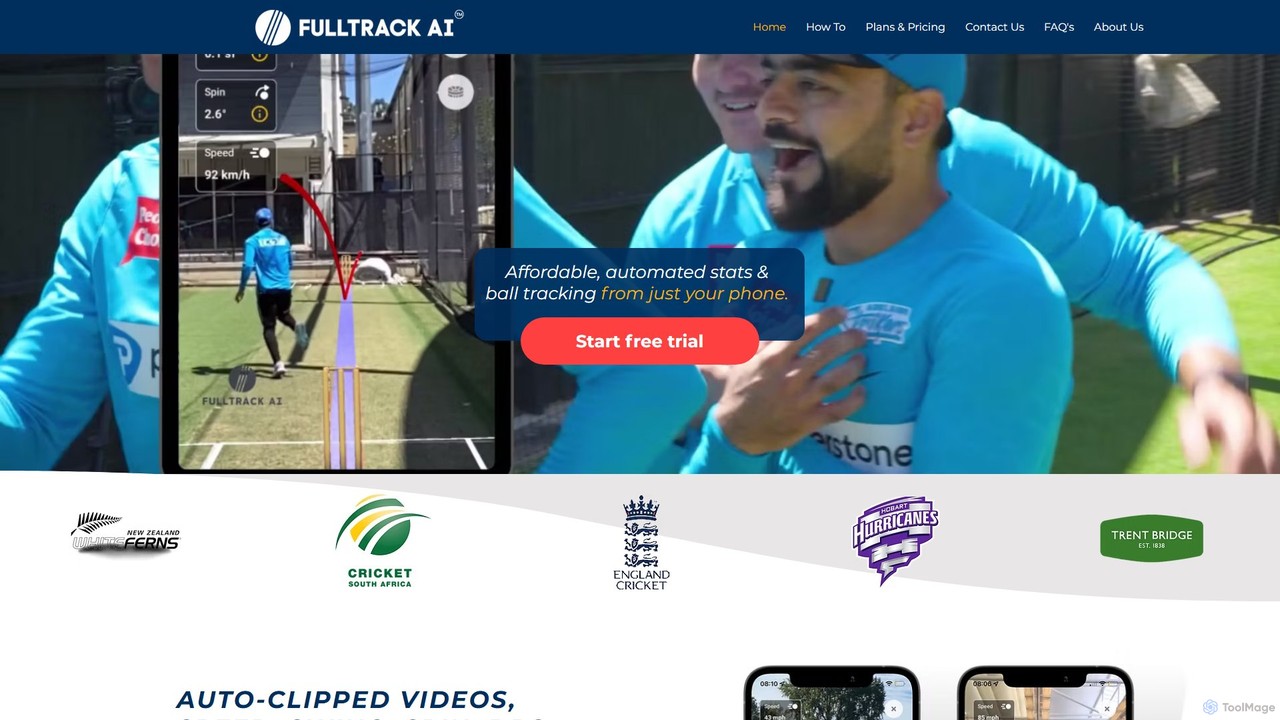
Fulltrack AI is a revolutionary sports analytics platform that provides automated ball tracking and performance data for cricket …
Fulltrack AI is a revolutionary sports analytics platform that provides automated ball tracking and performance data for cricket using only a smartphone. It offers features like auto-clipped videos, speed, swing, spin analysis, pitch maps, and even a Decision Review System (DRS). Designed for players, coaches, and teams, it makes professional-grade cricket analysis accessible and affordable, helping to accelerate player development and enhance match experiences.
Tabula
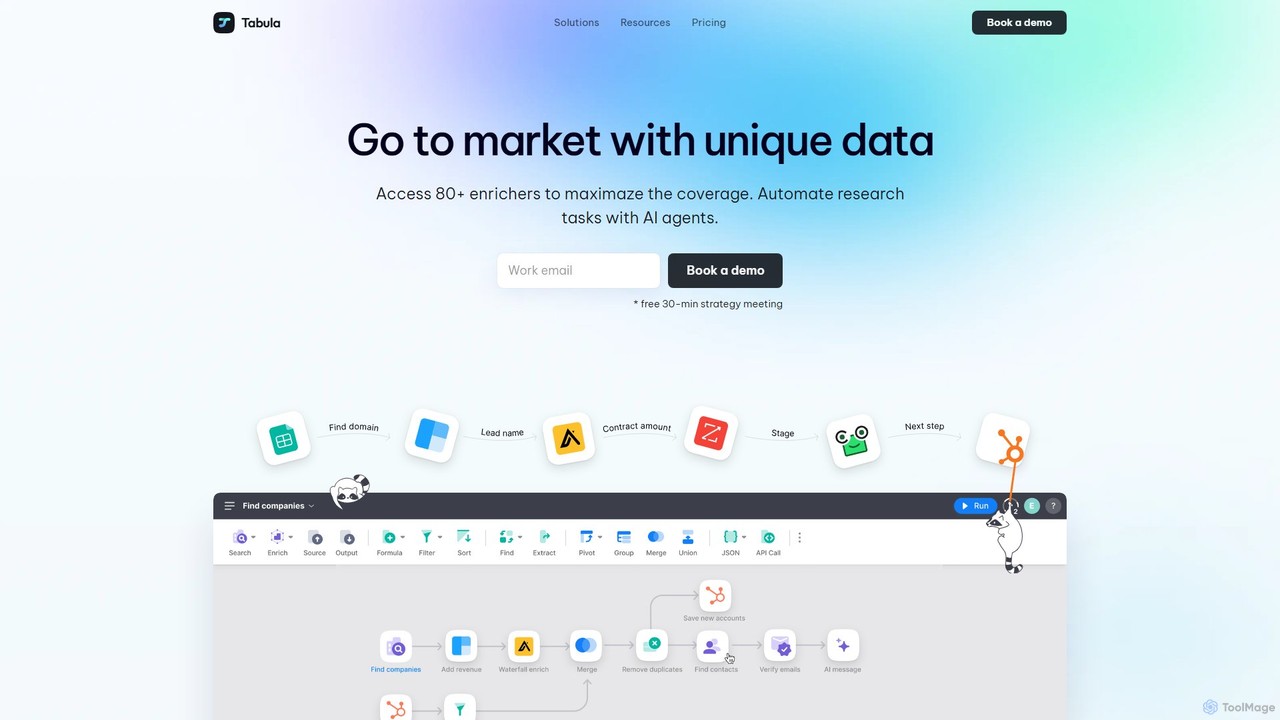
Tabula is a powerful Go-To-Market (GTM) automation platform for building targeted lead lists, enriching data from over 80 …
Tabula is a powerful Go-To-Market (GTM) automation platform for building targeted lead lists, enriching data from over 80 providers, and creating complex workflows. It offers unparalleled flexibility, control, and scalability for sales, marketing, and RevOps teams, featuring a unique "bring your own API key" model and a robust free plan.
About Data
Data AI tools are AI-powered solutions designed to process, analyze, interpret, and manage vast amounts of data more efficiently and intelligently. These tools leverage machine learning, natural language processing, and advanced algorithms to uncover patterns, predict trends, and automate complex data tasks. They empower businesses and researchers to transform raw data into actionable insights, driving informed decision-making and innovation across various sectors.
Core Features
- Automated Data Cleaning: Identifies and corrects errors, inconsistencies, and duplicates in datasets automatically.
- Predictive Analytics: Uses historical data to forecast future outcomes, trends, and behaviors with high accuracy.
- Natural Language Processing (NLP): Extracts insights and structures from unstructured text data, such as customer reviews or reports.
- Anomaly Detection: Automatically identifies unusual patterns or outliers in data that may indicate critical issues or opportunities.
- Intelligent Data Visualization: Generates dynamic and interactive visualizations that highlight key insights and relationships within data.
Use Cases
Data AI tools are indispensable for organizations seeking to maximize the value of their information assets. They are widely adopted in business intelligence for market analysis, in finance for fraud detection, and in healthcare for patient outcome prediction. These tools enable data scientists to accelerate model development, marketing teams to personalize campaigns, and operational managers to optimize resource allocation.
How to Choose
When selecting Data AI tools, consider the specific types and volume of data you handle, the complexity of the analytical tasks required, and the desired level of automation. Evaluate their integration capabilities with existing systems, scalability to accommodate future growth, and the robustness of their data security and compliance features. User-friendliness and the availability of support resources are also crucial for successful adoption.
DataUse Cases
Automating Data Cleaning and Preparation
Data analysts and scientists often spend a significant portion of their time cleaning and preparing data. AI data tools can automate this tedious process by identifying and correcting errors, handling missing values, and standardizing formats across large datasets. This allows professionals to focus on analysis and model building, significantly reducing preparation time and improving data quality for downstream tasks like machine learning model training.
Predictive Sales Forecasting for Businesses
Sales managers and business strategists can leverage AI data tools to generate highly accurate sales forecasts. By analyzing historical sales data, market trends, customer behavior, and external factors, these tools can predict future demand and revenue. This enables businesses to optimize inventory, plan marketing campaigns more effectively, and make informed decisions about resource allocation, leading to improved profitability and reduced waste.
Real-time Anomaly Detection in Financial Transactions
Financial institutions and fraud detection teams use AI data tools to monitor vast streams of transaction data in real-time. These tools can quickly identify unusual patterns or deviations from normal behavior, such as unusually large transactions, multiple transactions from different locations in a short period, or suspicious account access. This capability is crucial for detecting and preventing fraudulent activities, protecting customer assets, and maintaining regulatory compliance.
Personalizing Customer Experiences in Marketing
Marketing professionals can utilize AI data tools to analyze vast amounts of customer data, including browsing history, purchase patterns, and demographic information. These tools then generate personalized recommendations, targeted advertisements, and customized content for individual customers. This hyper-personalization enhances customer engagement, improves conversion rates, and builds stronger brand loyalty by delivering highly relevant experiences at every touchpoint.
Optimizing Supply Chain Logistics with Demand Prediction
Supply chain managers can deploy AI data tools to predict demand fluctuations, optimize inventory levels, and streamline logistics operations. By analyzing historical sales, seasonal trends, economic indicators, and even weather patterns, these tools provide accurate forecasts. This leads to reduced carrying costs, minimized stockouts, improved delivery times, and a more resilient and efficient supply chain, benefiting both manufacturers and retailers.
Extracting Insights from Unstructured Text Data
Researchers, customer service teams, and content analysts frequently encounter vast amounts of unstructured text data from sources like social media, emails, and open-ended survey responses. AI data tools with Natural Language Processing (NLP) capabilities can automatically extract key themes, sentiment, entities, and relationships from this data. This transforms qualitative information into quantifiable insights, enabling better understanding of customer feedback, market sentiment, and emerging trends.