Design Best in category 5 results Art Generation AI Tool

Popular AI tools in the Art Generation field of Design include Flux AI Pro、Blunge、Impossibleimages、FastFLUX、SAKURA189, etc., helping you quickly improve efficiency.

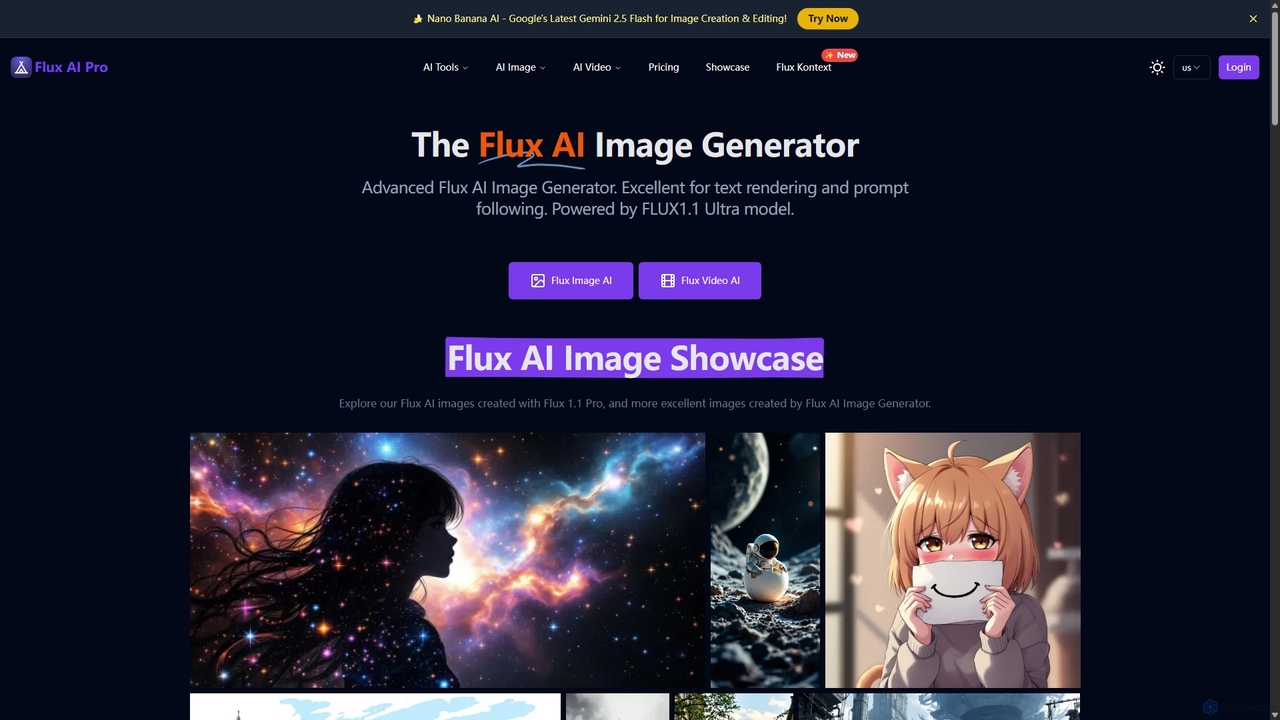
Flux AI Pro

Flux AI Pro

A powerful AI content creation suite featuring advanced image and video generators. Powered by proprietary FLUX.1 models, it …

198.5K
FastFLUX

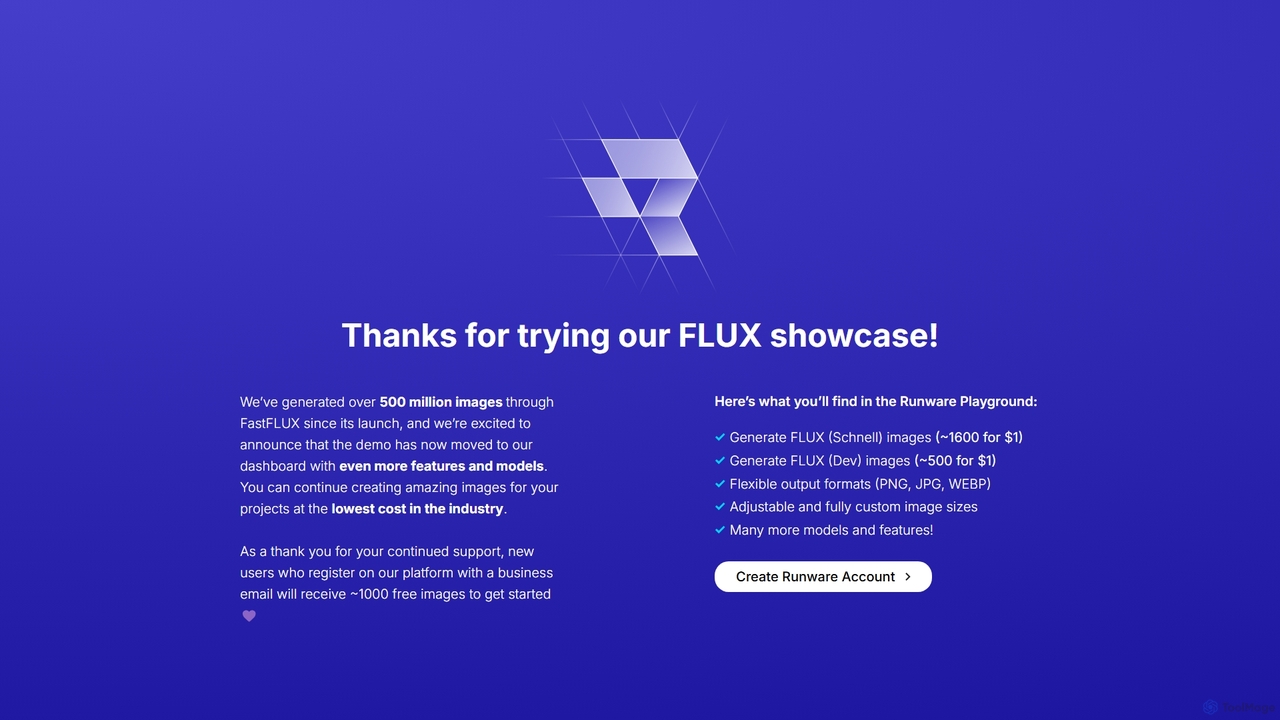
FastFLUX

FastFLUX is a high-speed AI image generation platform powered by the cutting-edge FLUX models. It offers incredibly fast …

3.5K
Impossibleimages

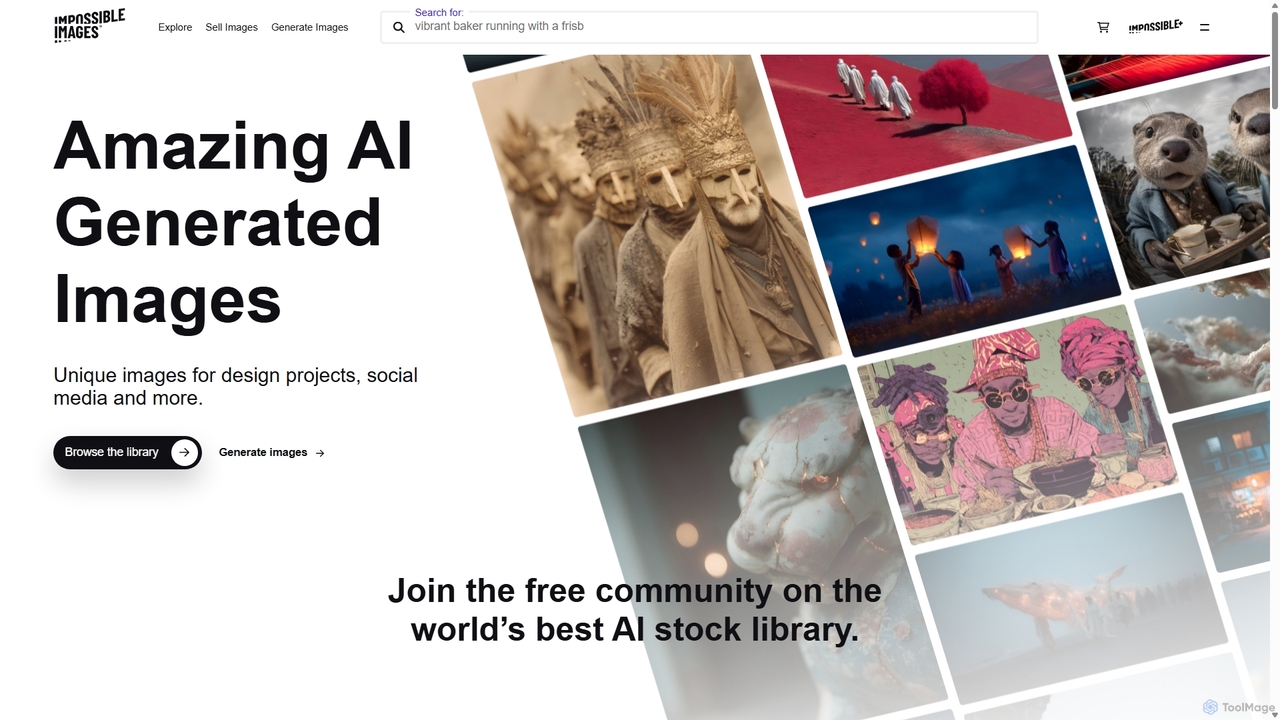
Impossibleimages

Impossibleimages is a dual-purpose AI platform featuring a vast library of unique, AI-generated stock images and a free, …

8.8K
SAKURA189

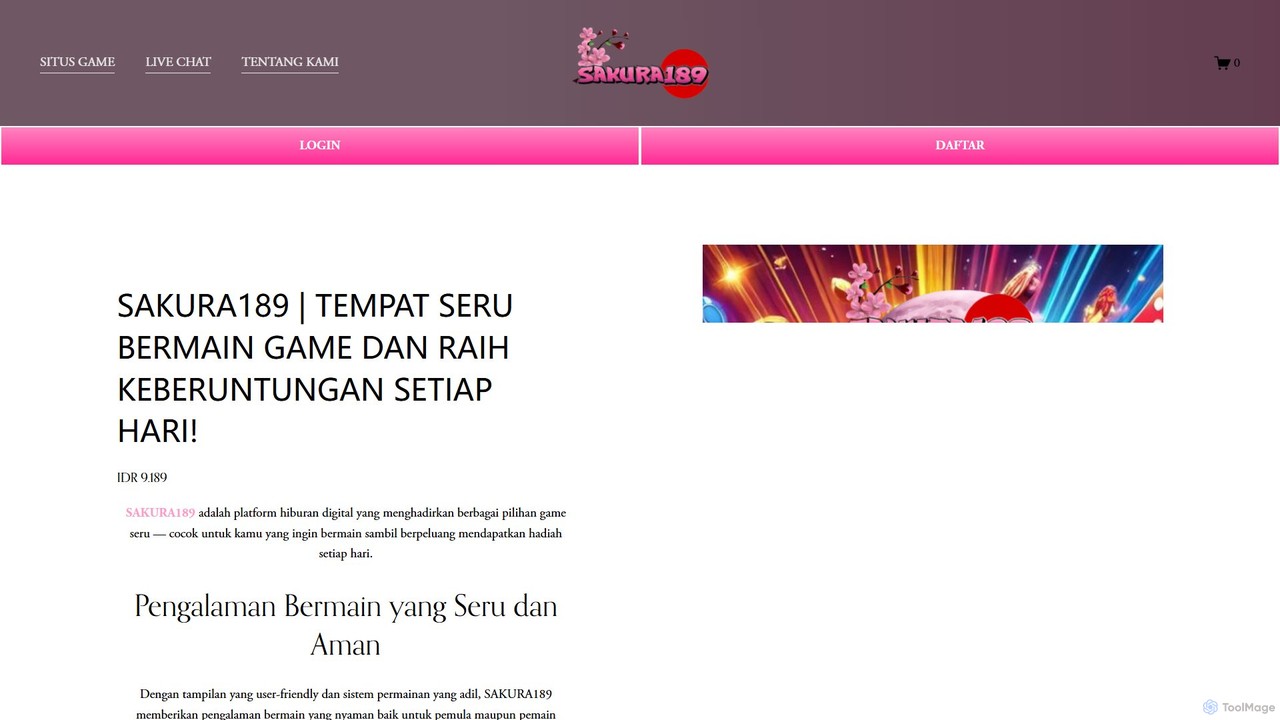
SAKURA189

SAKURA189 is an AI-powered game development suite designed to accelerate the creative process for indie developers and studios. …

2.9K
Blunge

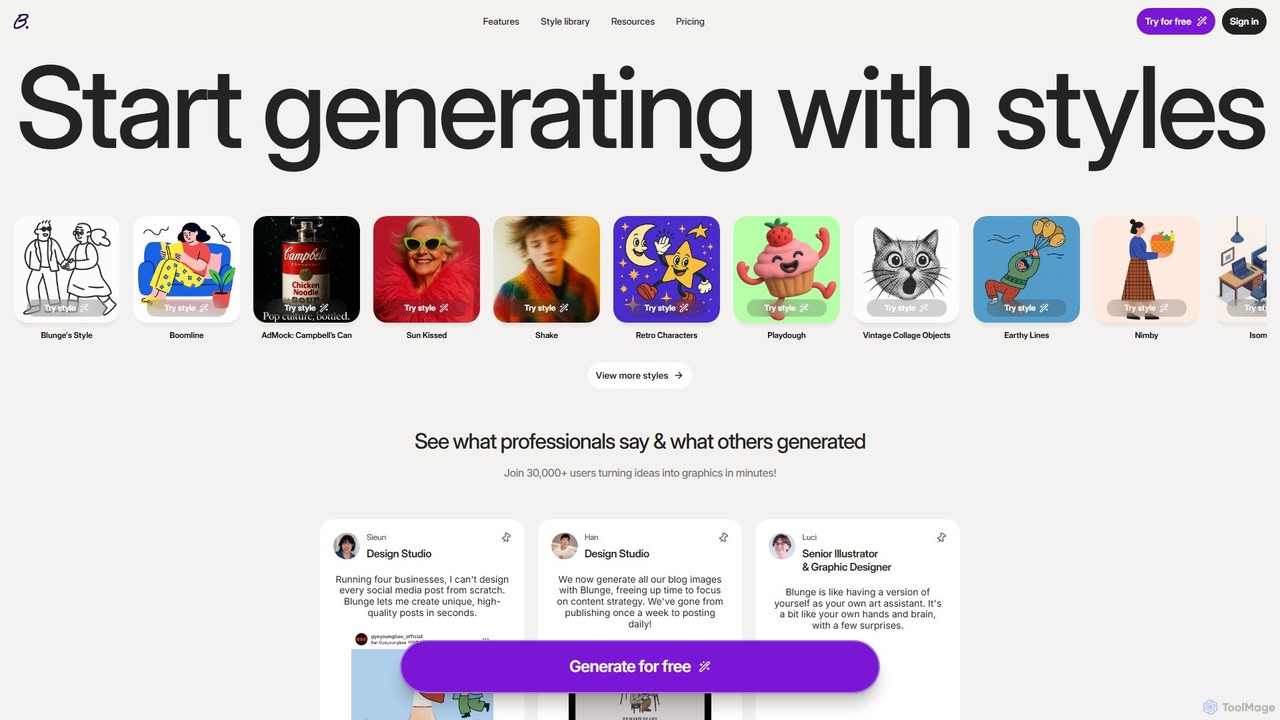
Blunge

Blunge is a style-focused AI image generator for professionals. It enables marketers, designers, and content creators to produce …

9.1K

About Art Generation

Art Generation tools are a class of AI applications that create original visual artworks from textual descriptions, sketches, or other inputs. They leverage advanced generative models, such as diffusion models, to interpret prompts and synthesize entirely new and unique images. This technology enables creators, designers, and marketers to rapidly visualize concepts, generate unique assets, and explore creative styles without manual illustration. Unlike traditional design software that manipulates existing elements, these tools generate visuals from scratch, offering vast creative possibilities.

Core Features

  • Text-to-Image Generation: Converts natural language descriptions (prompts) into detailed and complex images.
  • Image-to-Image Transformation: Modifies or reimagines an existing image based on a text prompt, such as turning a sketch into a photorealistic render.
  • Style Transfer: Applies the artistic style of one image (e.g., a famous painting) to the content of another.
  • Parameter Control: Allows users to fine-tune outputs by adjusting variables like art style, color palette, aspect ratio, and negative prompts.
  • Inpainting & Outpainting: Fills in missing parts of an image or extends it beyond its original borders with contextually appropriate, AI-generated content.

Use Cases

These tools are widely used by concept artists for character and environment design, marketing teams for creating unique ad creatives and social media content, and authors or musicians for generating book and album covers. They serve as powerful aids for brainstorming and rapid prototyping in creative workflows.

How to Choose

When selecting an Art Generation tool, consider the quality and coherence of its image output, the diversity of artistic styles it can produce, and the level of control it offers through advanced settings. Also, evaluate the pricing model (e.g., subscription vs. credits) and carefully review the licensing terms for commercial use of the generated images.

Art GenerationUse Cases

1

Creating Concept Art for Games and Films

A concept artist working on a new sci-fi video game needs to visualize various character designs quickly. Instead of spending days sketching manually, they use an Art Generation tool. They input detailed prompts like 'cyberpunk android, intricate glowing circuits, trench coat, neon-lit rainy city background, cinematic lighting.' The AI generates dozens of high-quality visual variations in minutes. This allows the art director and team to review multiple directions, iterate on feedback instantly by tweaking prompts, and finalize a character's look, saving significant time in the pre-production phase.

2

Generating Unique Marketing and Social Media Visuals

A digital marketer for a sustainable fashion brand needs a constant stream of original images for Instagram posts and ad campaigns. Stock photos feel generic and don't match the brand's unique aesthetic. Using an Art Generation tool, the marketer inputs prompts like 'minimalist flat lay of organic cotton t-shirt, soft natural lighting, with dried flowers, pastel color palette.' The tool produces a variety of on-brand images that can be used immediately. This avoids stock photo costs and licensing issues, while ensuring the brand's visual identity remains distinctive and engaging, leading to higher click-through rates on ads.

3

Designing Album Covers and Book Illustrations

An independent musician wants a surreal and evocative cover for their new electronic album. Hiring an illustrator is beyond their budget. They turn to an AI Art Generator and use prompts inspired by their lyrics, such as 'ethereal landscape of floating crystalline structures, cosmic nebula background, vibrant magenta and cyan colors, dreamlike'. After a few iterations, they generate a high-resolution image that perfectly captures the album's mood. This empowers them to create professional-quality, unique artwork that connects with their audience, without the significant financial investment typically required for custom illustrations.

4

Prototyping Product and Fashion Designs

A fashion designer is exploring ideas for a new line of sneakers. To quickly visualize different concepts, they use an image-to-image generation tool. They start with a basic hand-drawn sketch of a sneaker silhouette and input it into the AI. Then, they use text prompts to apply different materials and styles, such as 'transform into a high-top sneaker made of recycled ocean plastic, futuristic sole, teal and white colorway.' The AI generates photorealistic mockups, allowing the designer to evaluate dozens of aesthetic variations in a single afternoon, dramatically accelerating the ideation phase before any physical samples are made.

5

Creating Custom Textures for 3D Models and Games

A 3D artist building a fantasy game environment needs a unique, seamless texture for a stone castle wall. Searching for or creating a high-resolution, tileable texture manually can be time-consuming. Using an Art Generation tool, they input the prompt 'seamless medieval cobblestone wall texture, 4K, photorealistic, mossy, detailed grout lines.' The AI generates several tileable image options. The artist can then select the best one and apply it directly to their 3D model, creating a rich, non-repetitive surface that enhances the game's visual fidelity and saves hours of manual texture painting or searching.

6

Personalizing Art for Interior Design

An interior designer is furnishing a client's modern living room and needs a large abstract painting that matches the specific color scheme (e.g., navy blue, mustard yellow, and grey). Finding a piece with the exact colors and style in a gallery can be difficult and expensive. The designer uses an AI Art Generator with the prompt 'large abstract oil painting, minimalist style, bold brush strokes, color palette 001f3f, ffdb58, 808080'. The tool generates multiple unique artworks. The designer can then have the chosen digital file printed on a high-quality canvas, resulting in a perfectly customized, one-of-a-kind art piece that completes the room's design at a fraction of the cost of a commissioned painting.

Art GenerationFrequently Asked Questions