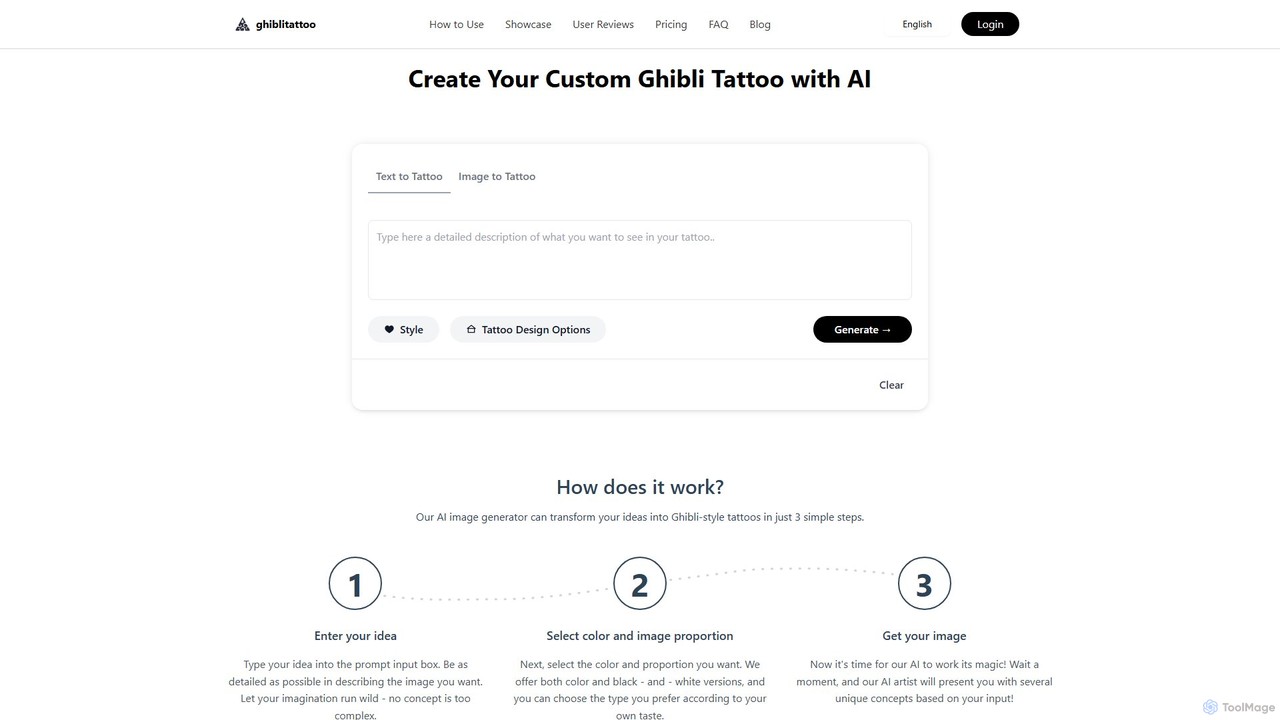
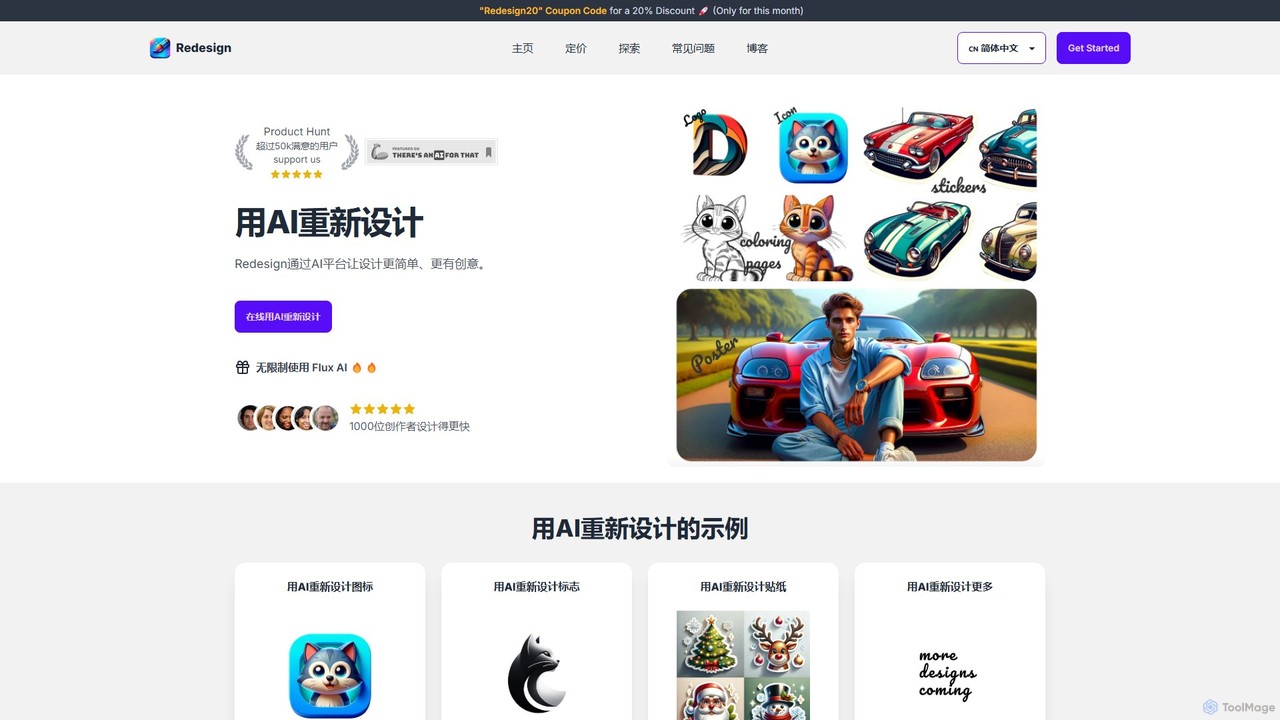
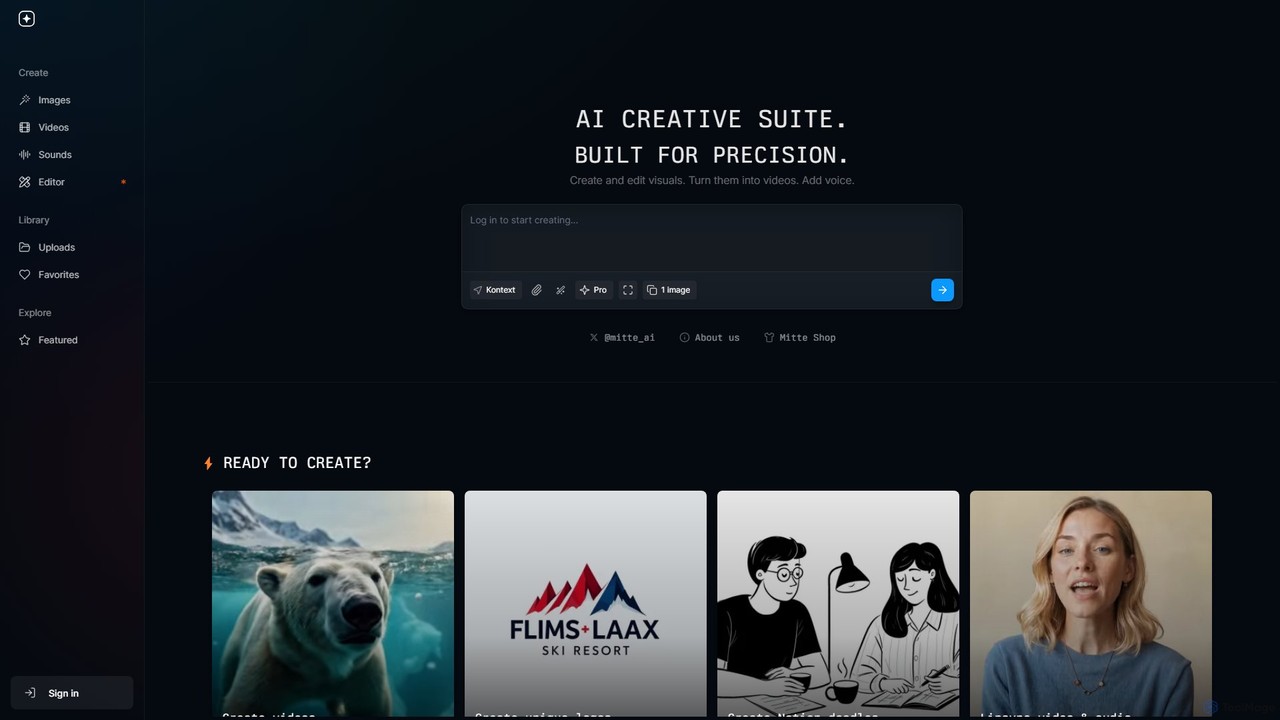
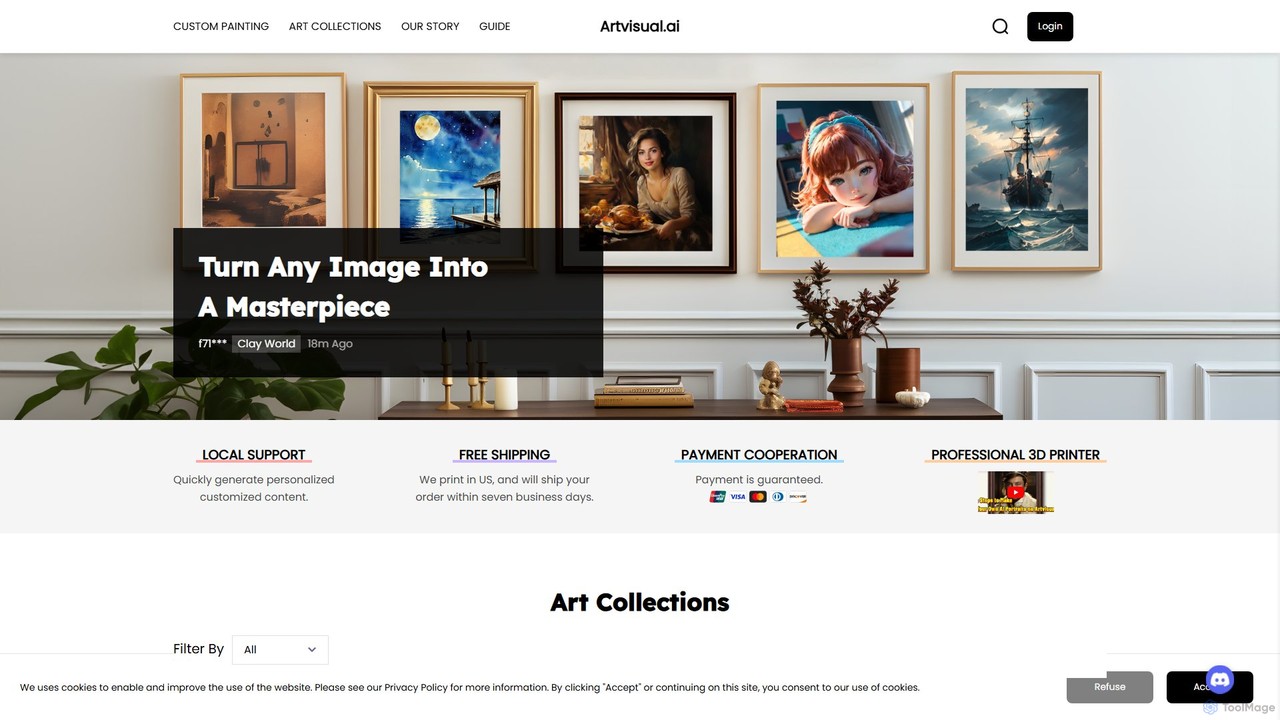
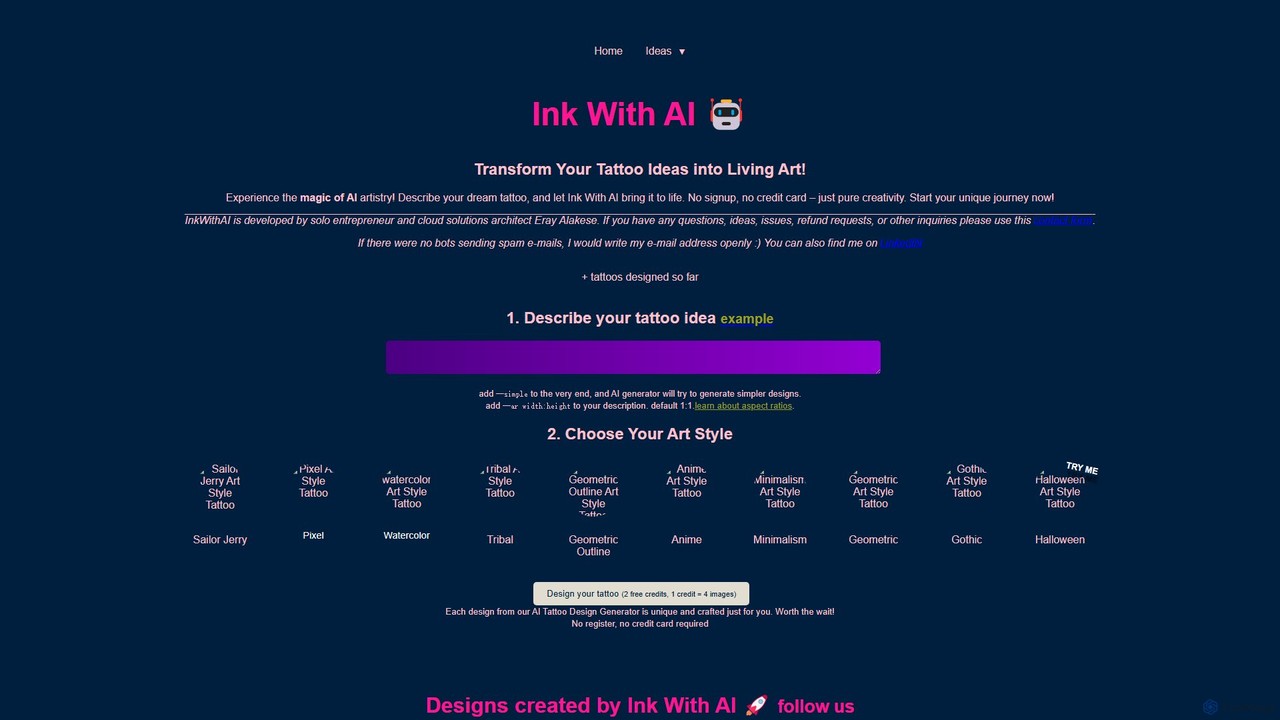
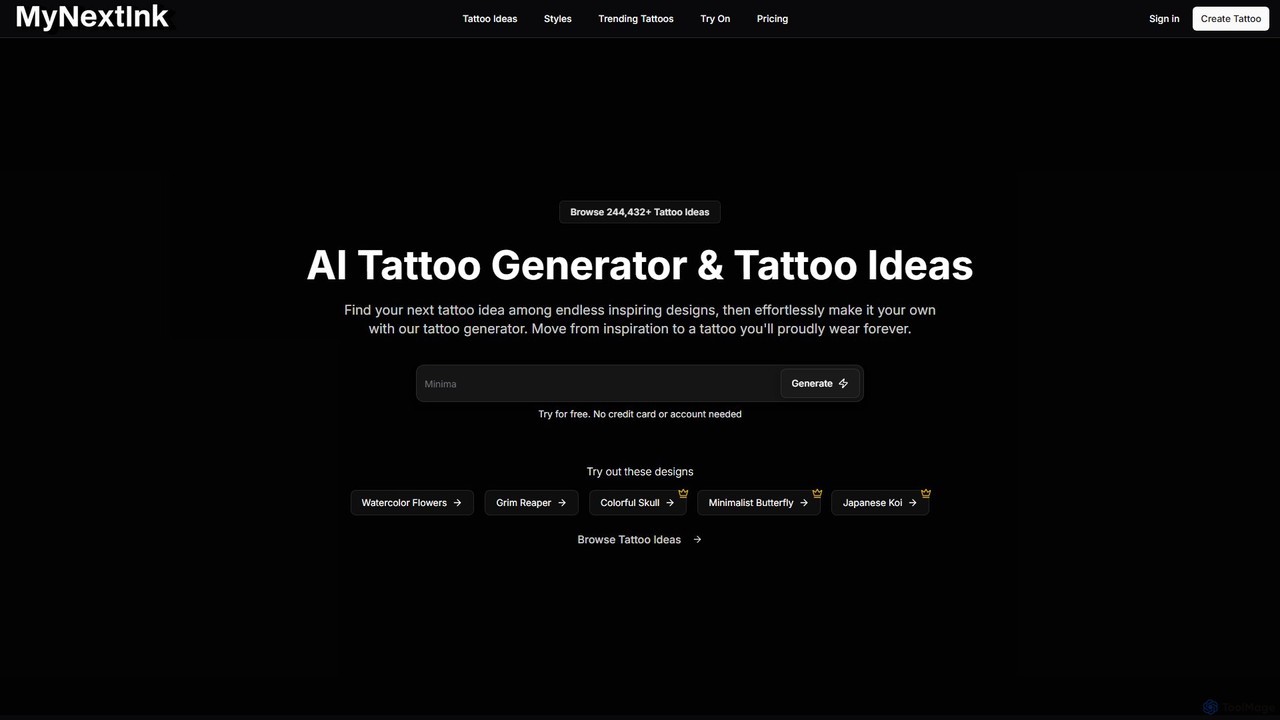
Image Generator tools are AI-powered applications that create visual content from textual prompts or other inputs. Leveraging advanced generative adversarial networks (GANs) or diffusion models, they transform descriptions into unique images, illustrations, and art. These tools empower creators, marketers, and designers to rapidly prototype visuals, explore creative concepts, and produce high-quality imagery without traditional artistic skills. They significantly accelerate content creation workflows and unlock new possibilities for visual storytelling.
Core Features
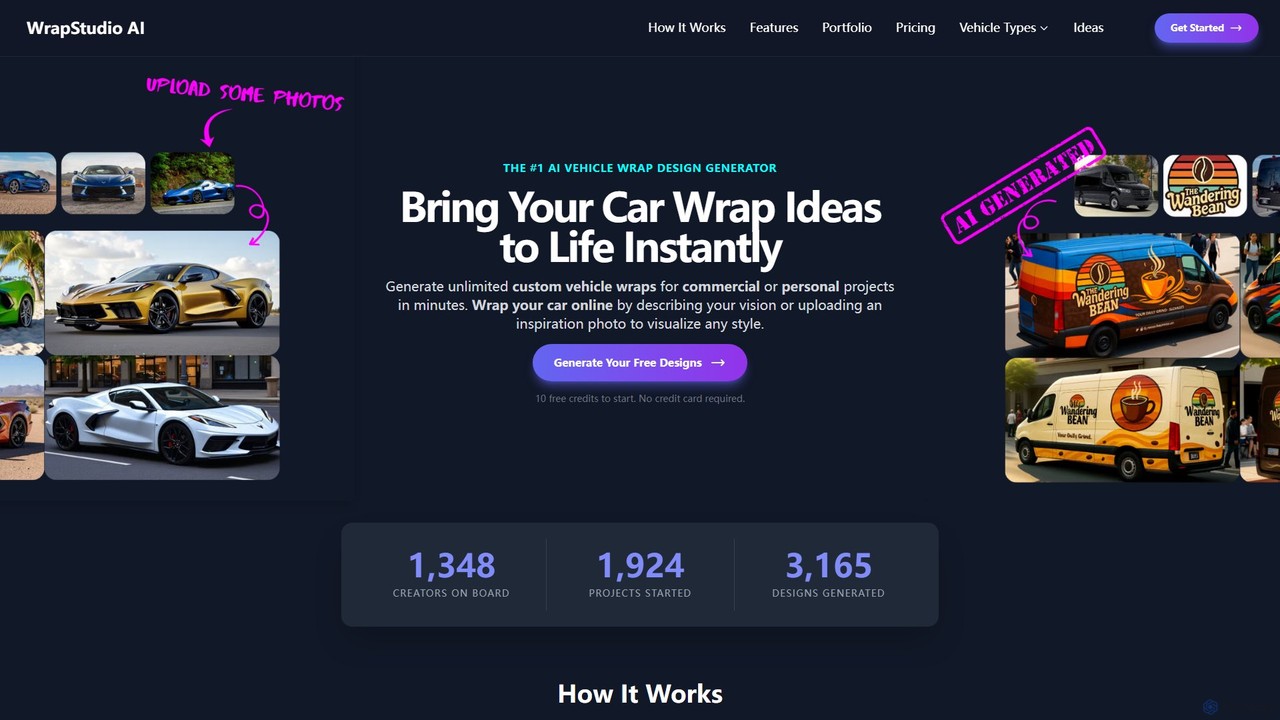
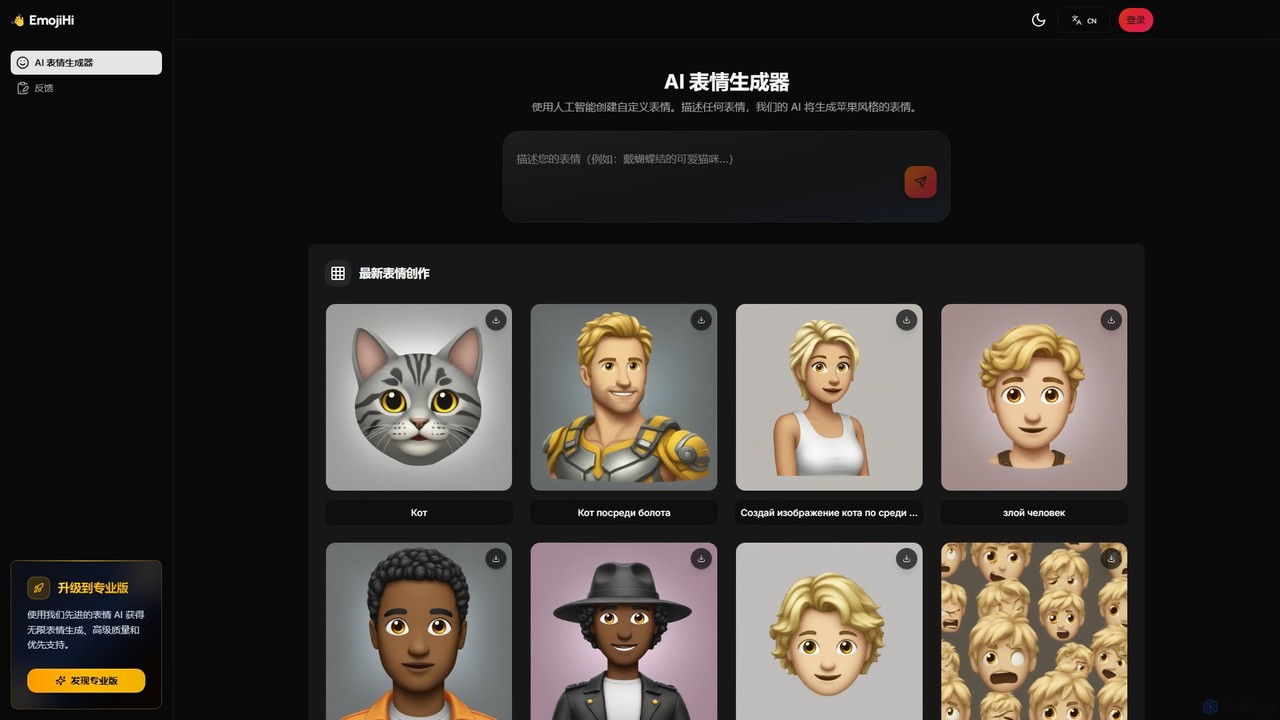
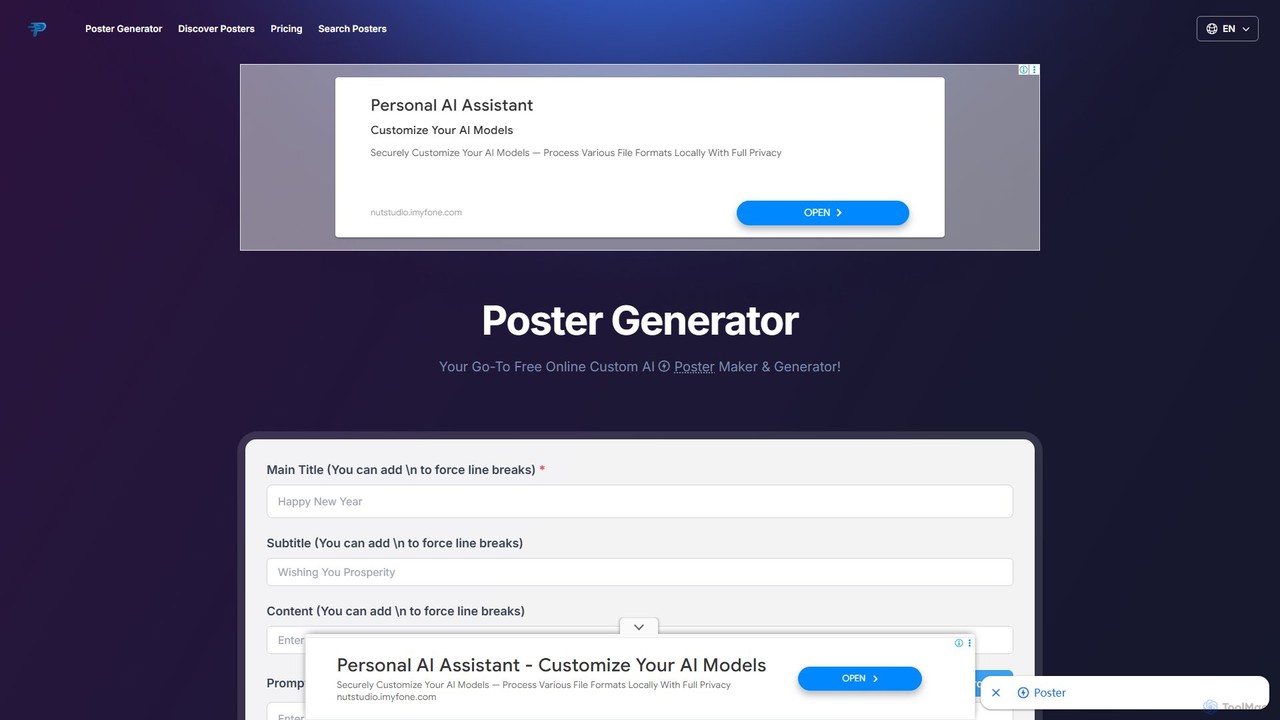
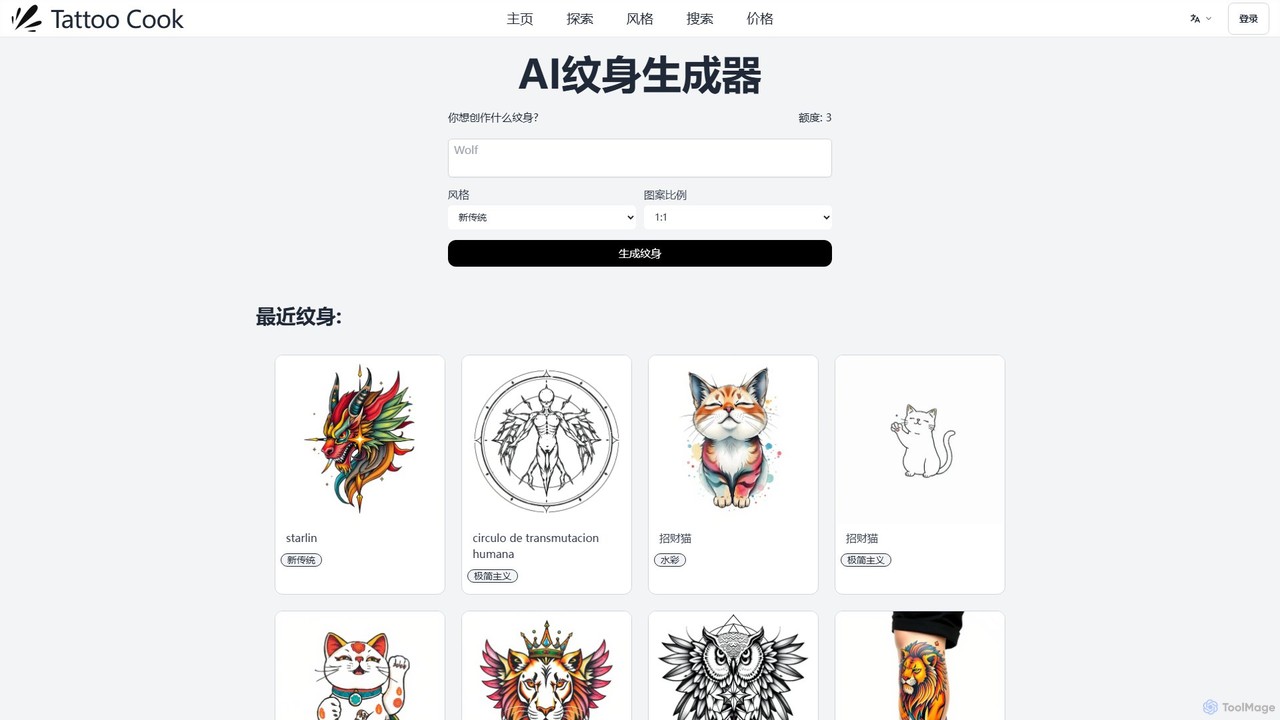
- Text-to-Image Generation: Convert descriptive text prompts into diverse visual outputs, from realistic photos to abstract art.
- Style Transfer & Customization: Apply specific artistic styles, adjust parameters like lighting, composition, and color palettes, or train on custom datasets.
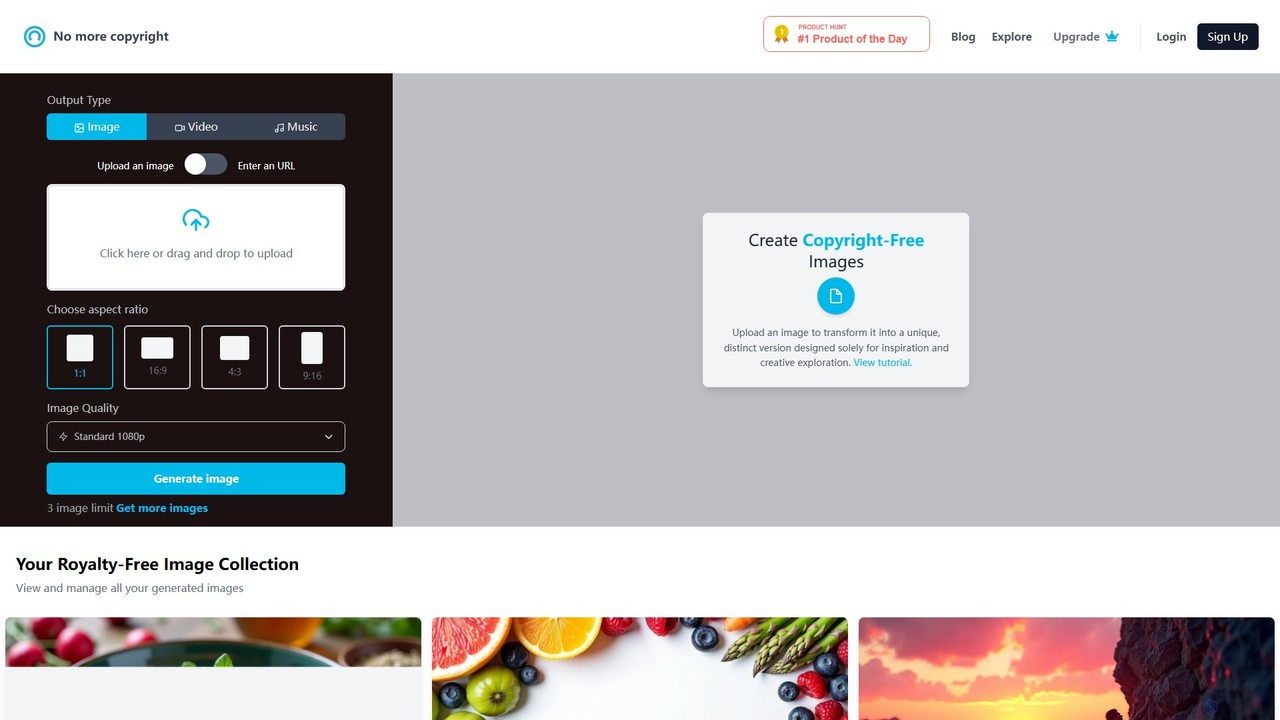
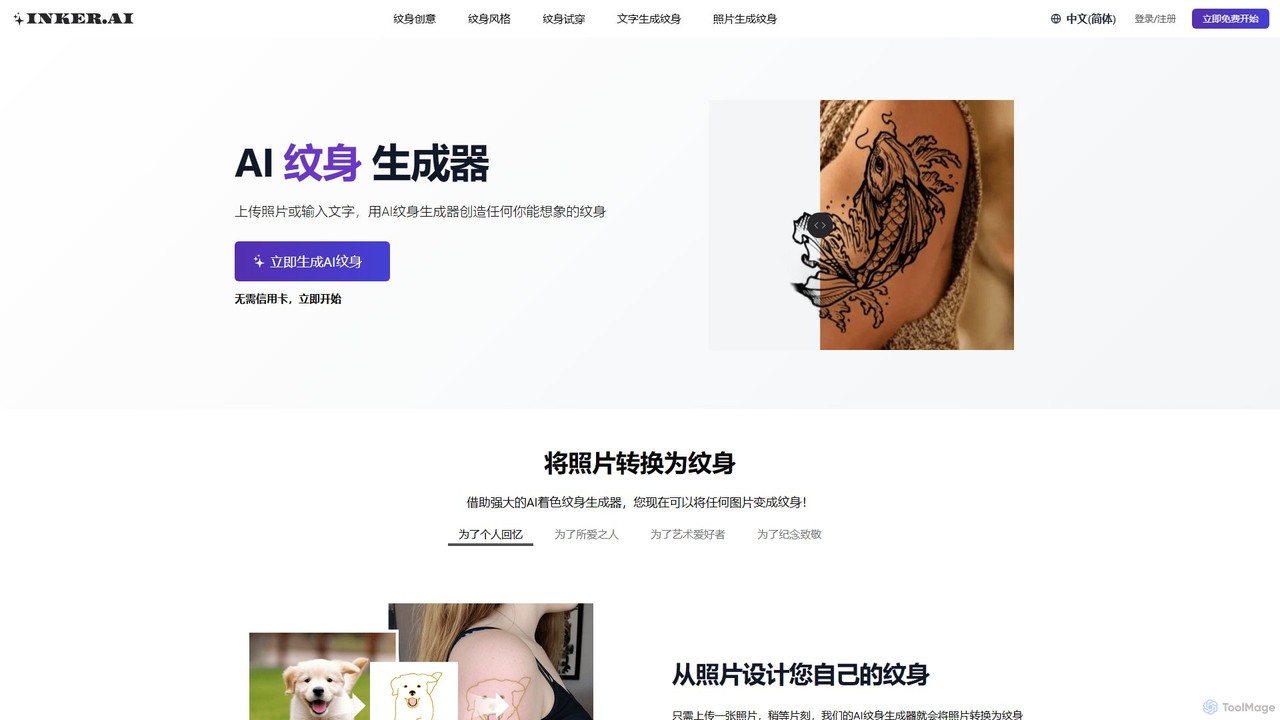
- Image-to-Image Transformation: Modify existing images based on new prompts, generating variations or transforming their style and content.
- Upscaling & Enhancement: Improve resolution and detail of generated images, ensuring high-quality output for various applications.
- Inpainting & Outpainting: Fill missing parts of an image or extend its boundaries seamlessly, adding new elements or expanding scenes.
Applicable Scenarios
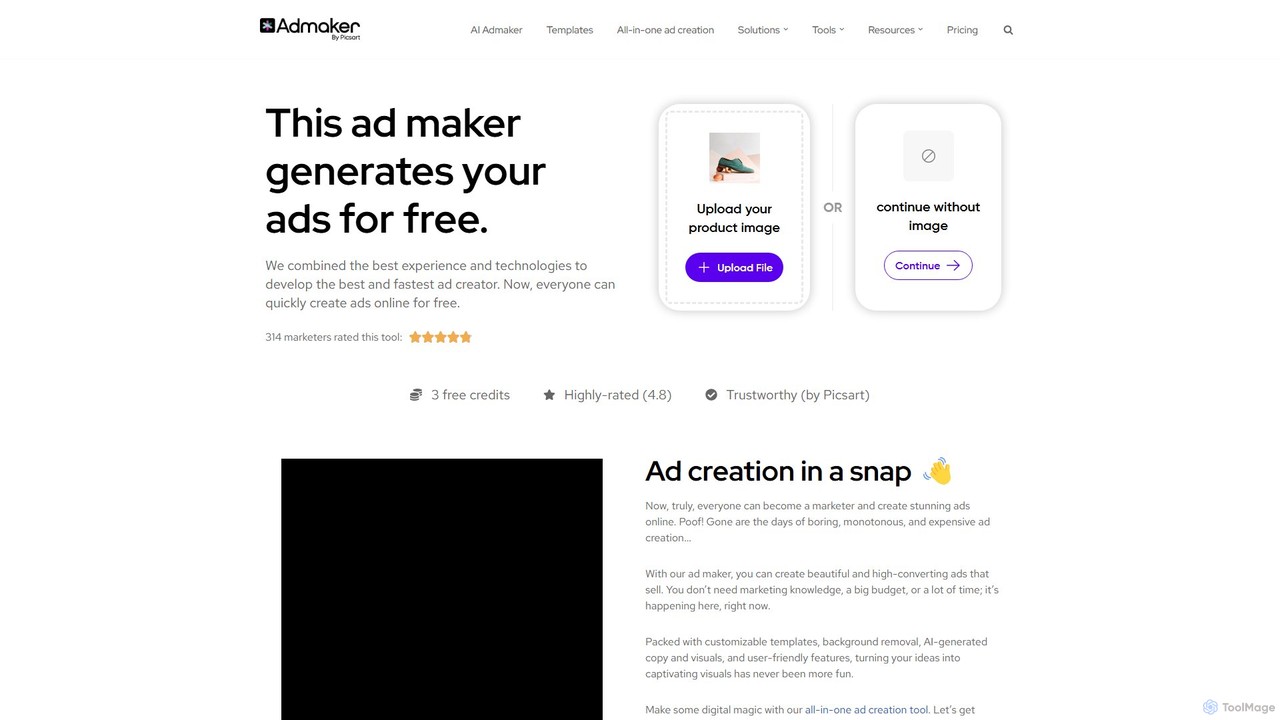
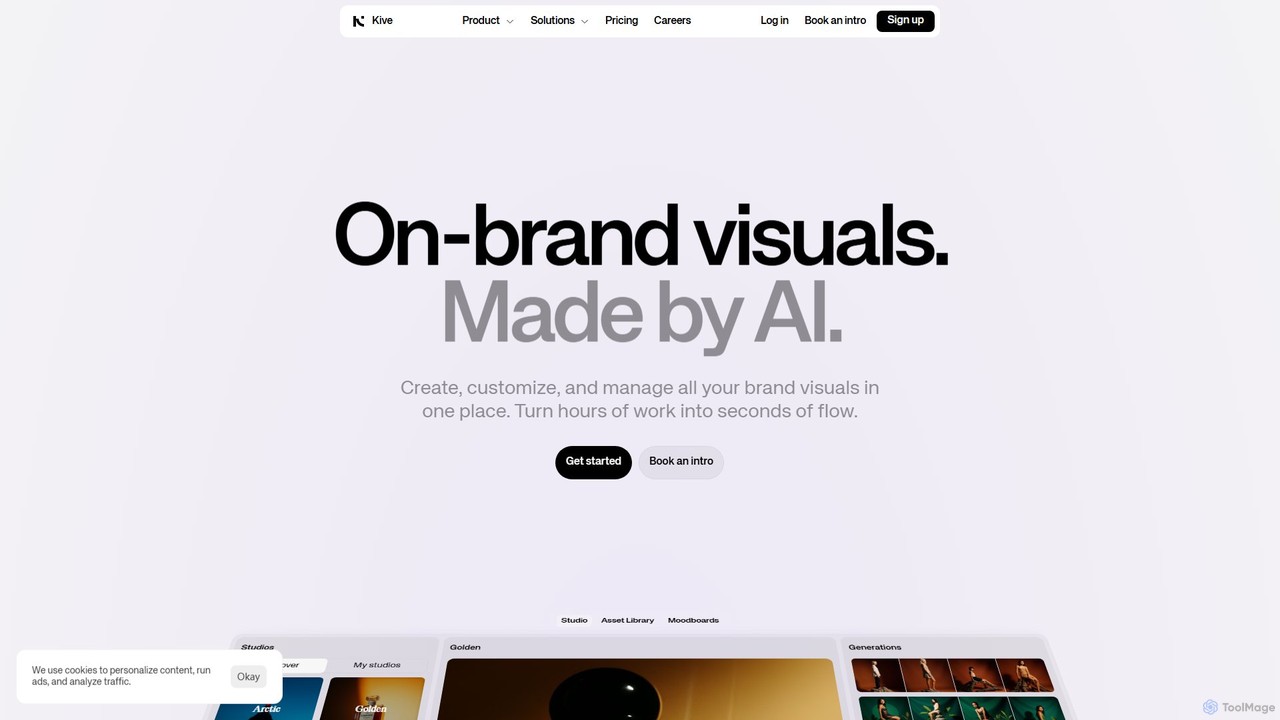
Content creators utilize image generators to quickly produce social media graphics, blog post illustrations, and marketing visuals, saving time and resources. Game developers and concept artists employ them for rapid prototyping of characters, environments, and assets, accelerating the design iteration process. E-commerce businesses can generate diverse product variations or lifestyle images from simple product shots, enhancing their online catalogs.
How to Choose
When selecting an AI image generator, consider the quality and realism of its output, which varies significantly across models. Evaluate the range of customization options, including style controls, prompt engineering capabilities, and support for image-to-image inputs. Assess the pricing model, whether it's subscription-based, pay-per-generation, or offers free tiers, aligning with your budget and usage frequency. Finally, check for integration with other design tools or APIs if you need to embed it into existing workflows.