AI UX & UI tools are a class of software that uses artificial intelligence to streamline and enhance the process of creating user-centric digital experiences. These tools leverage machine learning models to automate repetitive tasks, generate design assets, and provide data-driven insights. They empower designers and product teams to build intuitive interfaces faster by generating wireframes from text, creating design system components, and even predicting user behavior. This approach accelerates the design lifecycle, from initial ideation to high-fidelity prototyping.
Core Features
- Automated Wireframe & Mockup Generation: Creates low-fidelity and high-fidelity screen layouts from text prompts, sketches, or data inputs.
- Design System Automation: Helps generate, manage, and maintain consistency across UI components, styles, and libraries.
- Predictive Usability Analysis: Simulates user attention and interaction to generate heatmaps and identify potential usability issues without live users.
- AI-Powered Design Assistants: Provides real-time suggestions for layout, color palettes, typography, and accessibility improvements within design environments.
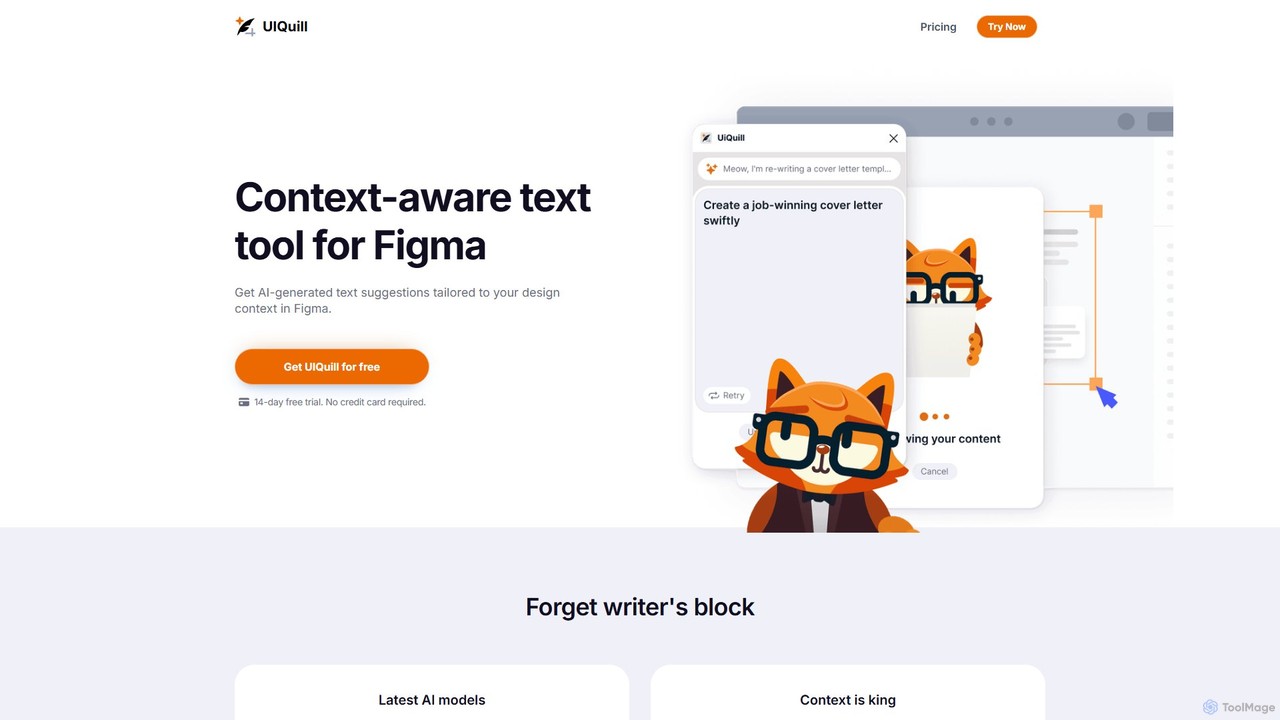
- Content Generation: Populates designs with realistic placeholder text (UX writing) and images relevant to the interface's context.
Use Cases
These tools are widely used by UX/UI designers, product managers, and front-end developers in tech companies, digital agencies, and startups. They are particularly effective for rapid prototyping during discovery phases, maintaining brand consistency in large-scale products, and conducting preliminary usability checks before investing in full-scale user research.
How to Choose
When selecting an AI UX & UI tool, consider its integration capabilities with your primary design software like Figma or Sketch. Evaluate the scope of its AI features—whether it focuses on generation, analysis, or automation. Also, assess the tool's learning curve, data privacy policies, and the pricing model, which may be based on seats, projects, or generation credits.