ToolMage
Sign in

Best 3 Ai Model Development AI tools for Developer Tools

Popular Ai Model Development AI tools in Developer Tools include Oda Studio, Cubit, and Teammately, helping you work more efficiently.

Cubit
Paid

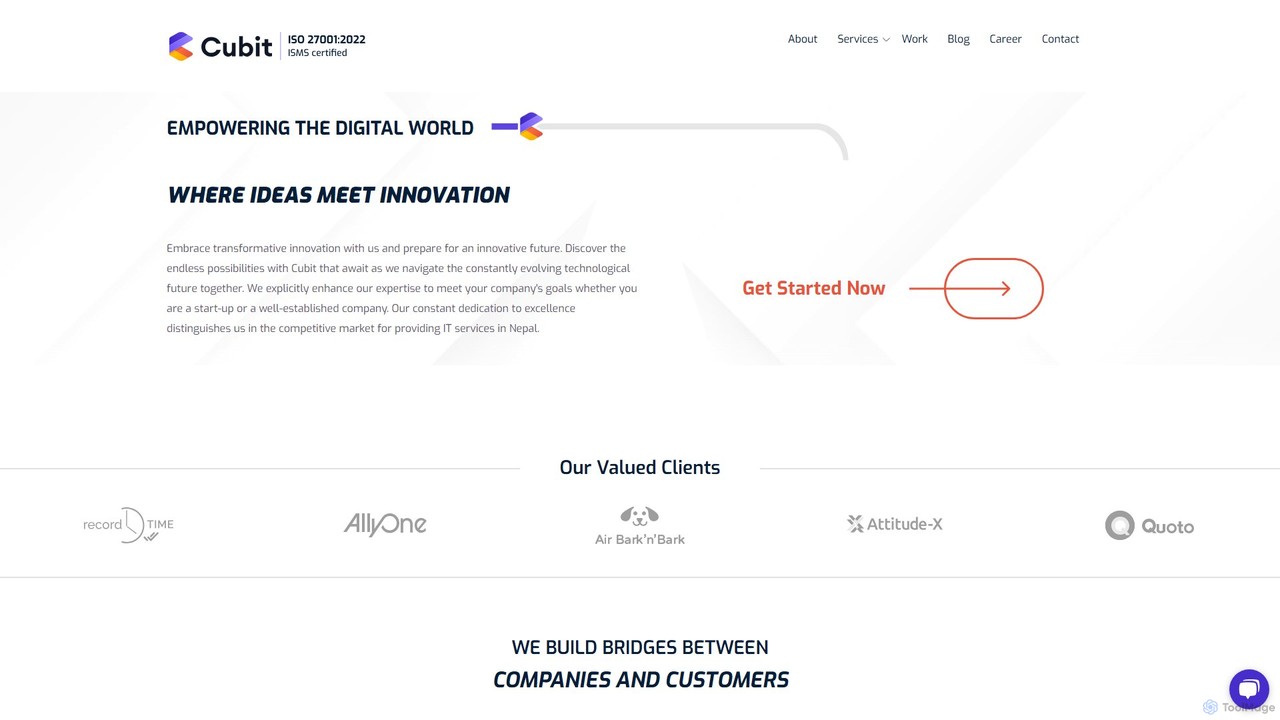
Cubit

Cubit is a premier IT services and custom software development company based in Nepal. It specializes in creating bespoke solutions, including mobile apps, websites, UI/UX design, and integrating custom AI/ML models to drive business transformation and efficiency.

Custom Software Development
Visits 7.3KFavorites 126Likes 142
Teammately
Freemium

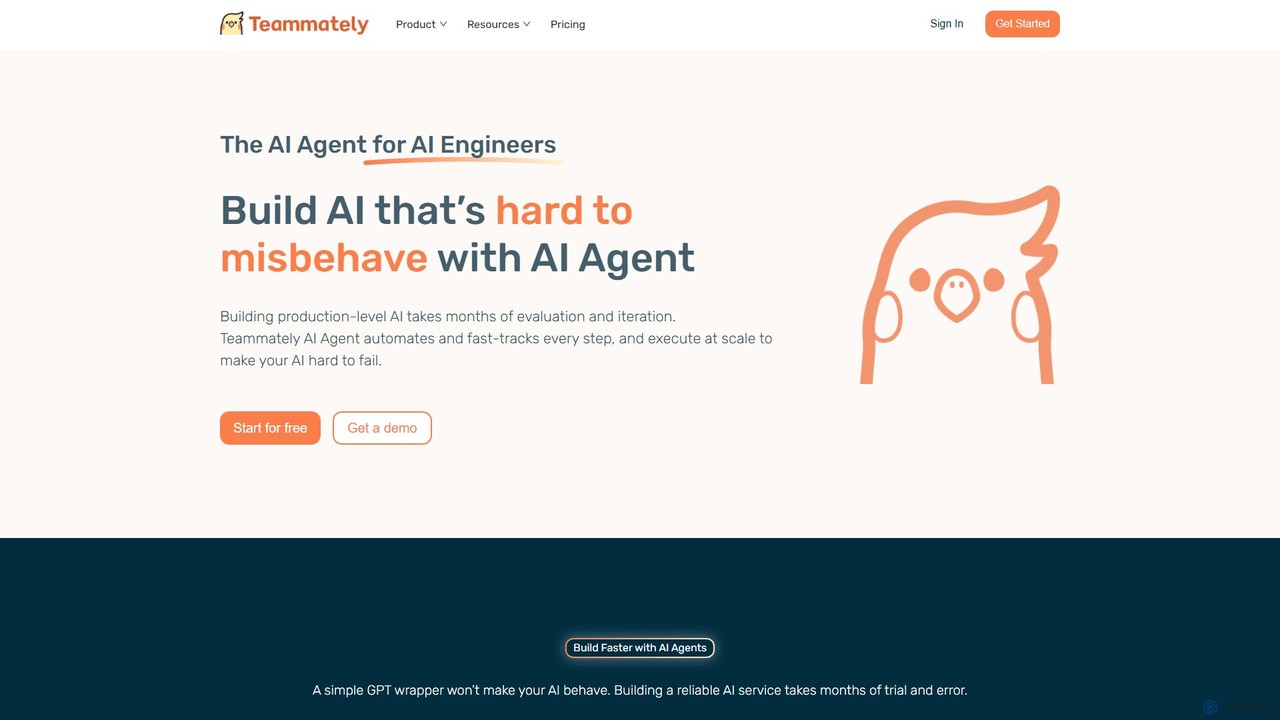
Teammately

Teammately is an advanced AI agent platform for AI engineers. It automates and accelerates the entire AI development lifecycle, from prompt generation and RAG building to multi-dimensional evaluation and production observability. Build reliable, scalable, and secure AI applications that are hard to fail, in a fraction of the time.

Mlops
Visits 6.5KFavorites 142Likes 150
Oda Studio
Paid

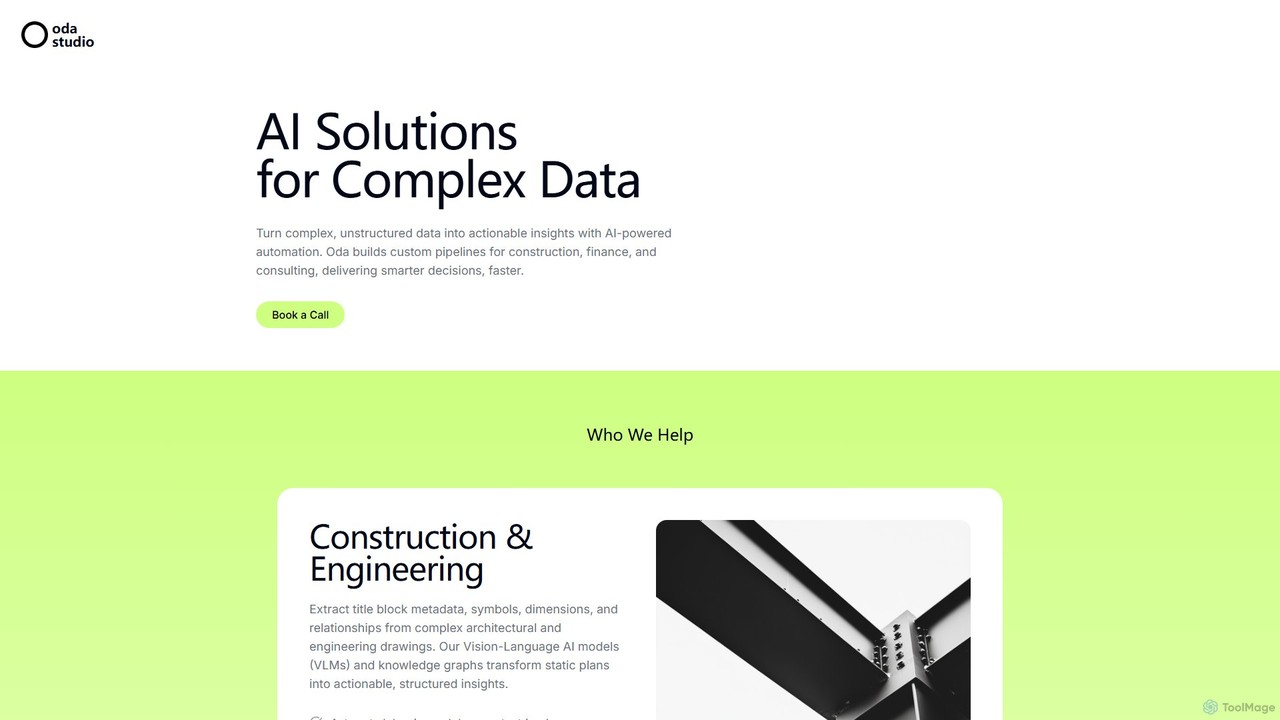
Oda Studio

Oda Studio provides bespoke AI solutions to transform complex, unstructured data into actionable insights. Specializing in Vision-Language Models (VLMs) and custom data pipelines, they serve industries like construction, finance, and media. Their expert team delivers end-to-end services from data annotation to model deployment, enabling businesses to make smarter, faster decisions.

Data Analysis
Visits 7.4KFavorites 143Likes 151

About Ai Model Development

AI Model Development tools are specialized platforms and frameworks designed to facilitate the entire lifecycle of building, training, evaluating, and deploying artificial intelligence and machine learning models. These tools streamline complex processes from data preparation and feature engineering to hyperparameter tuning and model versioning. They empower data scientists, ML engineers, and developers to accelerate innovation, improve model performance, and efficiently bring AI solutions to production.

Core Features

  • Data Preparation & Labeling: Tools for cleaning, transforming, and annotating datasets for model training.
  • Automated Machine Learning (AutoML): Automates repetitive tasks like feature engineering, algorithm selection, and hyperparameter optimization.
  • Experiment Tracking & Management: Systems to log, compare, and reproduce model training runs and results.
  • Model Training & Optimization: Environments supporting various ML/DL frameworks for efficient model training and performance tuning.
  • Model Deployment & Serving: Capabilities to package, deploy, and manage trained models as scalable APIs or services.
  • MLOps & Monitoring: Tools for continuous integration/delivery (CI/CD) of models, performance monitoring, and drift detection in production.

Applicable Scenarios

These tools are essential for organizations and individuals developing custom AI solutions. They are used by ML engineers building predictive analytics systems, data scientists creating novel deep learning architectures, and enterprise AI teams deploying scalable computer vision or natural language processing models in production environments.

How to Choose

Selecting an AI Model Development tool involves evaluating its scalability for large datasets and complex models, compatibility with preferred ML frameworks (e.g., TensorFlow, PyTorch), comprehensive MLOps capabilities for production readiness, and integration with existing cloud infrastructure. Consider also the ease of use, community support, and pricing model to match your team's expertise and budget.

Ai Model Development use cases

1

Automated Data Labeling for Custom Vision Models

An ML engineer needs to train a custom object detection model for manufacturing defect inspection. Using an AI Model Development platform, they can upload raw image data, leverage automated labeling features (e.g., active learning, semi-supervised learning), and efficiently annotate thousands of images, significantly reducing manual effort and accelerating dataset preparation for training.

2

Managing and Comparing Machine Learning Experiments

A data scientist is experimenting with multiple deep learning architectures and hyperparameter configurations to optimize a recommendation engine. An AI Model Development tool allows them to track each experiment's metrics, code versions, and generated artifacts, providing a centralized dashboard to compare results and identify the best-performing model for deployment.

3

Scalable Training of Large Language Models

An AI research team is developing a new domain-specific large language model (LLM) that requires extensive training on massive text datasets. They utilize an AI Model Development platform's distributed training capabilities on cloud infrastructure, enabling them to efficiently scale computational resources, manage GPU clusters, and complete training within feasible timelines.

4

Deploying Predictive Models as Production APIs

A software developer needs to integrate a fraud detection model into an existing financial application. With an AI Model Development tool, they can package the trained model, generate a RESTful API endpoint, and deploy it to a production server with built-in version control and rollback capabilities, ensuring seamless integration and high availability.

5

Monitoring and Retraining Models in Production

An MLOps team is responsible for maintaining a customer churn prediction model in production. They use the monitoring features of an AI Model Development platform to track model performance metrics, detect data drift or concept drift, and automatically trigger retraining pipelines with fresh data when performance degrades, ensuring the model remains accurate and relevant.

6

Collaborative Development of Healthcare AI Solutions

A team of AI researchers and medical professionals are collaborating to build an AI diagnostic tool using sensitive patient data. An AI Model Development platform provides secure, collaborative workspaces, allowing different team members to contribute to data preprocessing, model training, and validation while maintaining strict access controls and compliance with healthcare regulations.

Ai Model Development FAQ

What are AI Model Development tools?

AI Model Development tools are software platforms and frameworks that support the entire lifecycle of creating and managing artificial intelligence and machine learning models. They provide functionalities for data preparation, model training, evaluation, deployment, and monitoring, enabling developers to build custom AI solutions from scratch or fine-tune existing ones.

How to choose the right AI Model Development platform?

When selecting an AI Model Development platform, consider its scalability for your data and model complexity, compatibility with your preferred ML frameworks (e.g., TensorFlow, PyTorch), comprehensive MLOps features for production readiness, and integration capabilities with your existing infrastructure. Evaluate also the cost, ease of use, and available support or community resources.

What's the difference between AI Model Development tools and general AI tools?

AI Model Development tools are specifically designed for building and managing custom AI models, offering granular control over data, algorithms, and training processes. General AI tools, conversely, often provide pre-built AI functionalities (e.g., off-the-shelf chatbots, image recognition APIs) that users can integrate without needing to develop models themselves. Development tools offer greater customization and control for unique AI challenges.

What key stages of the AI lifecycle do these tools support?

AI Model Development tools typically support all critical stages of the AI lifecycle: Data Preparation (cleaning, labeling, feature engineering), Model Training (algorithm selection, hyperparameter tuning), Model Evaluation (performance metrics, bias detection), Model Deployment (packaging, serving as APIs), and Model Monitoring (performance tracking, drift detection, retraining).

Who benefits most from using AI Model Development tools?

The primary beneficiaries are Machine Learning Engineers, Data Scientists, and AI Researchers who are actively involved in designing, building, and optimizing custom AI models. Additionally, MLOps Teams leverage these tools for managing the operational aspects of AI models in production, ensuring their reliability, scalability, and continuous improvement.