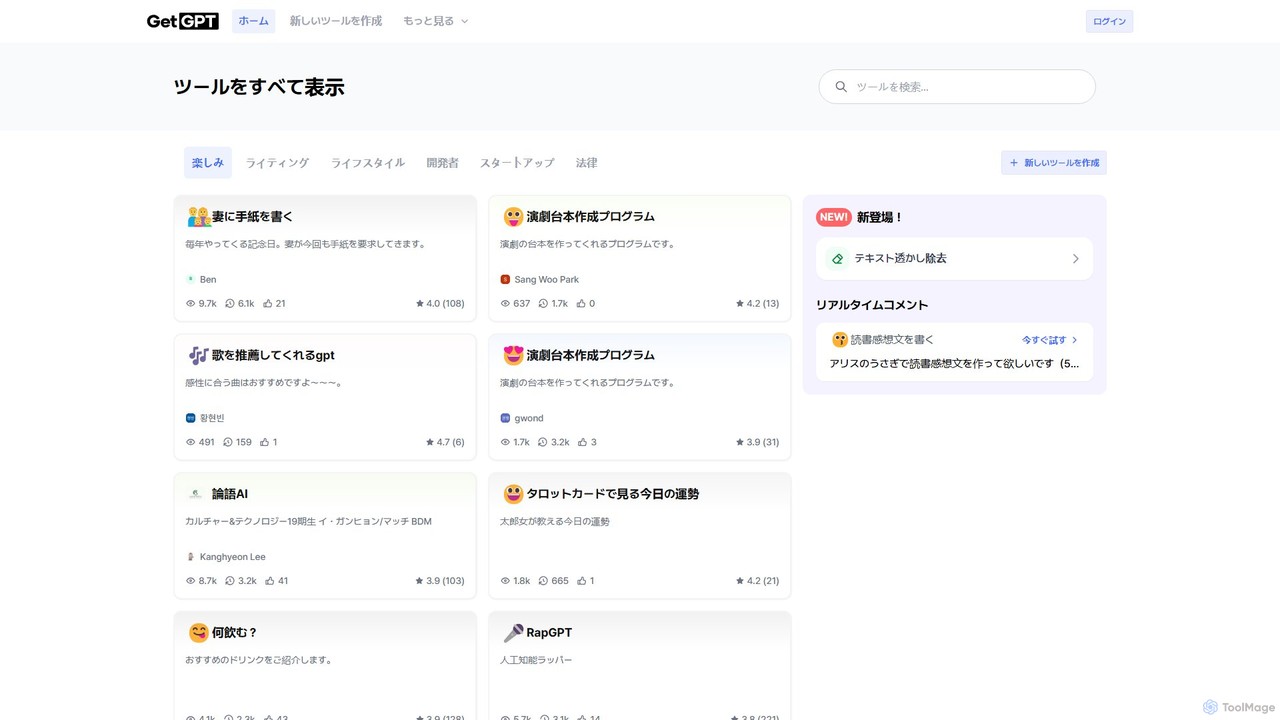
GetGPT
A no-code platform for building, sharing, and using custom AI applications. Create personalized tools for writing, education, marketing, …
A no-code platform for building, sharing, and using custom AI applications. Create personalized tools for writing, education, marketing, and more, or explore a vast library of community-built apps to automate your tasks and boost creativity.
About App Builder
App Builders are AI-powered platforms that enable users to create mobile and web applications with minimal or no coding. These tools leverage visual development environments, drag-and-drop interfaces, and often AI assistance to streamline the app creation process. They democratize application development, allowing entrepreneurs, small businesses, and even large enterprises to rapidly prototype, build, and deploy custom solutions without extensive programming expertise. This accelerates innovation and significantly reduces development time and costs.
Core Features
- Visual Development Interface: Drag-and-drop components and intuitive visual editors for UI/UX design.
- Pre-built Templates & Components: Ready-to-use modules for common app functionalities like forms, databases, and user authentication.
- Database & API Integration: Seamlessly connect with external data sources and third-party services.
- Cross-platform Deployment: Build once and deploy across multiple platforms, including iOS, Android, and web.
- AI-powered Assistance: Features like intelligent code generation, UI suggestions, and workflow automation.
Use Cases
App Builders are ideal for individuals and organizations looking to quickly bring their digital ideas to life. They are widely adopted for creating internal business tools, developing customer-facing applications, and rapidly prototyping new concepts. Their ease of use makes them accessible to citizen developers, while their efficiency benefits professional development teams.
How to Choose
When selecting an App Builder, consider its ease of use, the level of customization it offers, and its scalability to grow with your needs. Evaluate integration capabilities with existing systems, the range of pre-built components, and the pricing model. Also, assess the platform's support for your target deployment platforms (web, iOS, Android) and the community support available.

App BuilderUse Cases
Building Internal Business Management Tools
Small and medium-sized businesses can use App Builders to create custom applications for managing inventory, tracking projects, or automating HR processes. For example, a retail manager could build an app to monitor stock levels and reorder products, significantly reducing manual data entry and improving operational efficiency by up to 70%.
Developing Customer Engagement Mobile Apps
Entrepreneurs and marketing teams can quickly launch mobile applications for customer loyalty programs, event registrations, or simple e-commerce storefronts. A restaurant owner might create an app for online ordering and loyalty points, enhancing customer experience and driving repeat business without needing a full development team.
Creating Web Portals for Service Delivery
Service providers or educational institutions can develop interactive web portals for online bookings, course registrations, or community forums. A fitness studio could build a portal for class scheduling and member management, streamlining administrative tasks and providing a convenient interface for clients.
Rapid Prototyping and MVP Development
Startups and innovators can leverage App Builders to quickly build Minimum Viable Products (MVPs) or prototypes to validate business ideas with real users. This allows for fast iteration and feedback collection, reducing the time-to-market for new concepts from months to weeks, and minimizing initial investment risks.
Automating Workflow Applications
Enterprises can design applications to automate specific departmental workflows, such as expense approvals, field data collection, or compliance reporting. A construction company might deploy an app for site inspectors to digitally log observations and submit reports, ensuring data consistency and accelerating decision-making.
Educational and Training Application Creation
Educators and corporate trainers can create interactive learning applications, quizzes, or training modules without coding. For instance, a trainer could build an app with gamified elements to teach new employees company policies, making the onboarding process more engaging and effective.