Developer Tools Best in category 3 results Collaboration AI Tool

Popular AI tools in the Collaboration field of Developer Tools include Height、Scrumbuiss、General Task, etc., helping you quickly improve efficiency.

Height

Height

Height is an autonomous project management tool that leverages AI to automate workflows, manage tasks, and enhance team …

11.7K
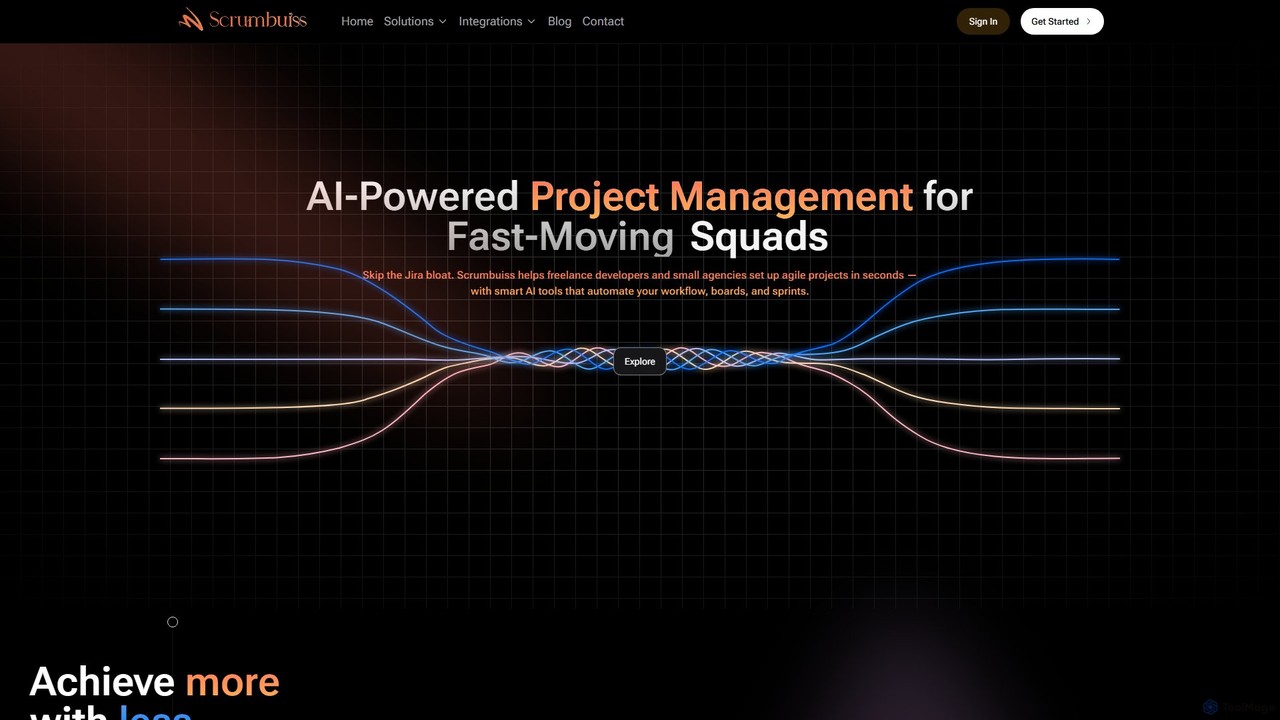
Scrumbuiss

Scrumbuiss

Scrumbuiss is an AI-powered project management software designed for freelance developers and small agencies. It offers a streamlined, …

4.8K
Free
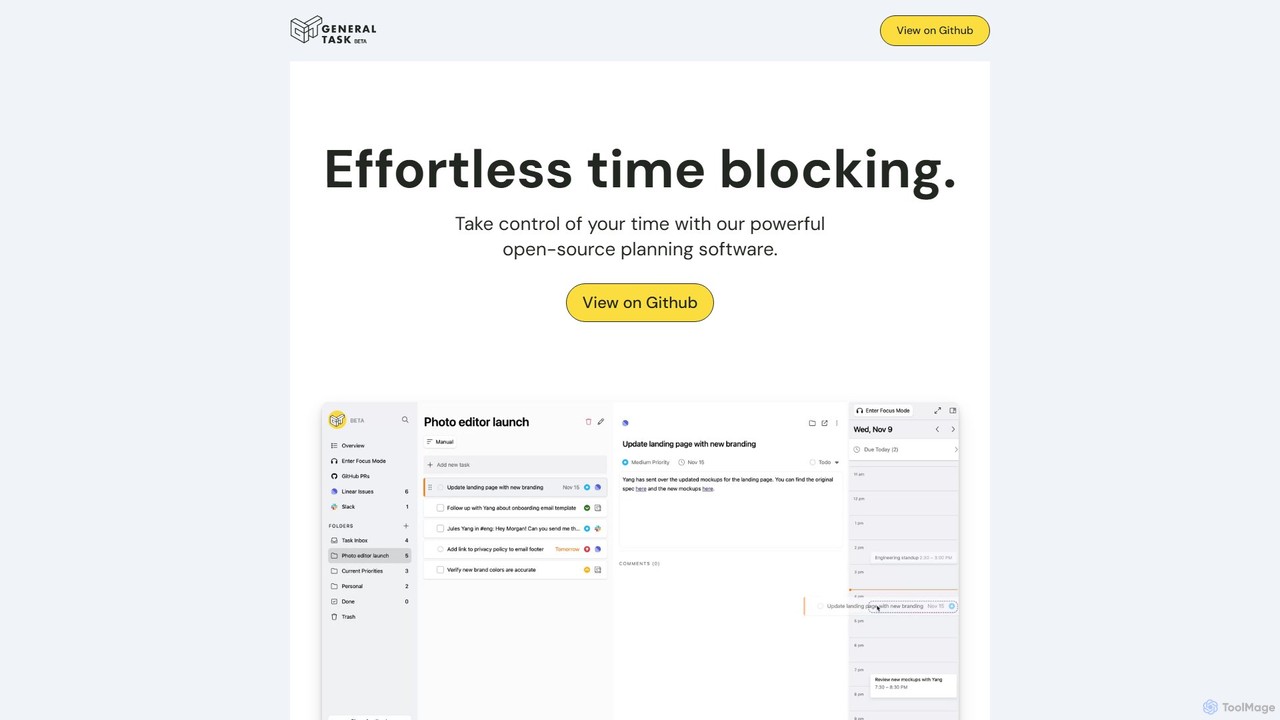
General Task

General Task

General Task is a powerful open-source planning and time-blocking software. It helps you take control of your time …

2.4K

About Collaboration

Collaboration AI tools are designed to leverage artificial intelligence to streamline team interactions, enhance communication, and optimize project workflows. These intelligent platforms utilize AI to automate routine tasks, provide actionable insights, and centralize information, fostering more efficient and productive teamwork. Within the broader developer tools ecosystem, Collaboration AI tools are crucial for coordinating complex coding projects, managing distributed teams, and accelerating development cycles.

Core Features

  • Intelligent Task Management: AI-powered assignment, progress tracking, and dependency analysis to keep projects on schedule.
  • Automated Communication Summaries: AI transcribes and summarizes meeting notes, chat threads, and project discussions, highlighting key decisions and action items.
  • Smart Document Co-editing: AI assists with version control, conflict resolution, and content suggestions in shared documents and codebases.
  • Predictive Project Scheduling: AI analyzes project data and team capacity to suggest optimal timelines and resource allocation, anticipating potential bottlenecks.
  • AI-driven Code Review Assistance: AI identifies potential issues, suggests improvements, and automates parts of the code review process, enhancing code quality and speed.

Applicable Scenarios

These tools are indispensable for remote development teams coordinating across time zones, cross-functional project teams managing complex deliverables, and open-source communities collaborating on shared codebases. They facilitate seamless information exchange and synchronized efforts, from initial concept to deployment.

How to Choose

When selecting Collaboration AI tools, consider their integration capabilities with existing developer environments (IDEs, Git), the breadth and depth of their AI features (e.g., NLP for summaries, predictive analytics), scalability to accommodate team growth, and robust security protocols for sensitive project data. Evaluate user-friendliness and customization options to ensure alignment with your team's specific workflow.

CollaborationUse Cases

1

Automating Meeting Summaries for Distributed Development Teams

For remote development teams, AI collaboration tools can automatically transcribe virtual meetings, identify key discussion points, and generate concise summaries. This allows developers to quickly catch up on missed meetings, review action items, and ensure everyone is aligned on project decisions without sifting through lengthy recordings or notes, significantly saving time and improving information dissemination.

2

Streamlining Code Review and Feedback Processes

Software development teams use AI collaboration tools to enhance code review efficiency. The AI can analyze pull requests, identify potential bugs, suggest coding standard violations, and even propose refactorings. This pre-analysis helps reviewers focus on architectural decisions and complex logic, reducing manual effort and accelerating the feedback loop, leading to higher code quality and faster integration.

3

Intelligent Project Progress Tracking and Risk Prediction

Project managers and team leads leverage AI collaboration tools to gain deeper insights into project status. By analyzing task updates, communication patterns, and historical data, the AI can predict potential delays, identify bottlenecks, and suggest proactive interventions. This enables data-driven decision-making, ensuring projects stay on track and resources are optimally allocated, especially in agile development environments.

4

Facilitating Cross-functional Documentation Co-creation

Teams involving developers, technical writers, and product managers often collaborate on documentation, user manuals, and API specifications. AI collaboration tools can assist by suggesting consistent terminology, identifying gaps in information, and managing version control seamlessly. This ensures that all stakeholders contribute effectively, resulting in accurate, comprehensive, and up-to-date project documentation.

5

Centralizing and Organizing Development Knowledge Bases

Developers frequently need to access past solutions, code snippets, or architectural decisions. AI collaboration tools can automatically index and categorize internal wikis, chat histories, and project files, creating a searchable and intelligent knowledge base. This reduces the time spent searching for information, promotes knowledge sharing, and helps onboard new team members faster by providing easy access to collective wisdom.

6

Optimizing Resource Allocation for Development Sprints

In sprint planning, AI collaboration tools can analyze individual developer skills, workload, and project priorities to suggest optimal task assignments. The AI can predict the impact of different allocations on sprint velocity and team balance. This helps team leads make informed decisions, prevent burnout, and ensure that critical tasks are assigned to the most suitable team members, maximizing sprint efficiency.

CollaborationFrequently Asked Questions