Developer Tools Best in category 8 results Custom Development AI Tool

Popular AI tools in the Custom Development field of Developer Tools include AI Superior、AE Studio、Programmers Force、Fulcrum、Worksync AI、Predict Expert AI、ateneai、Innovatheratech, etc., helping you quickly improve efficiency.

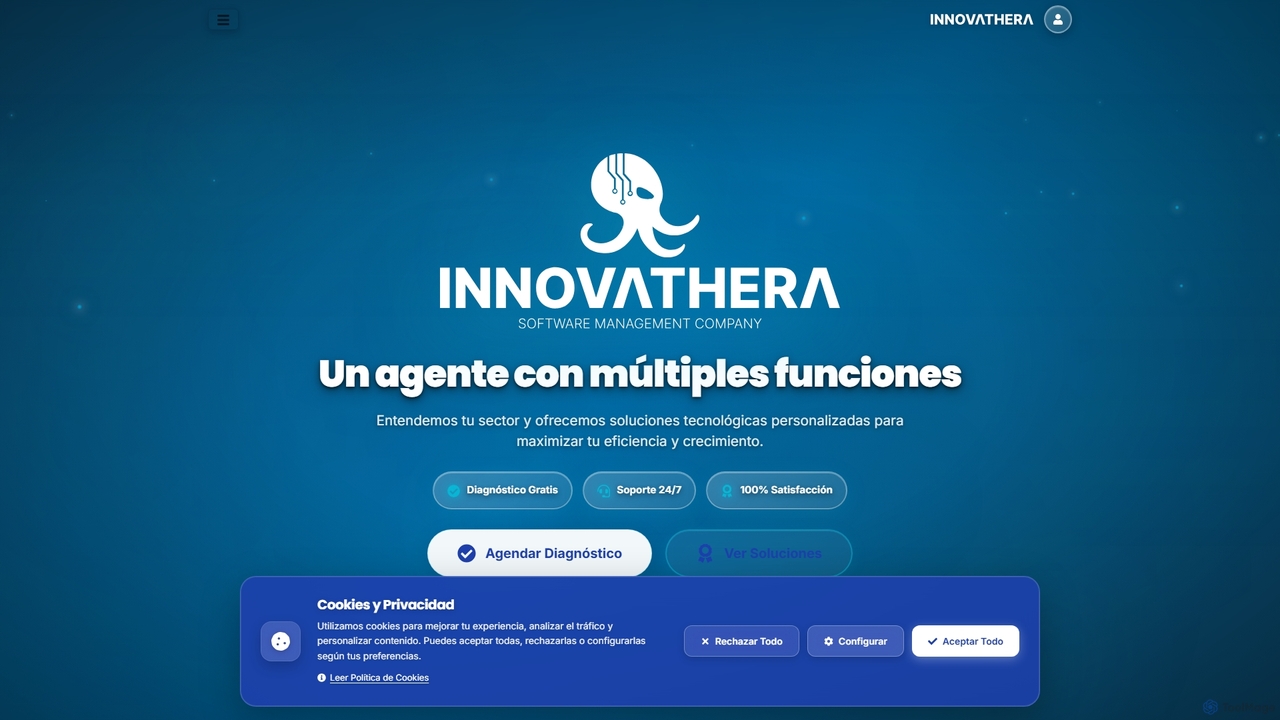
Innovatheratech

Innovatheratech

Innovatheratech provides custom digital transformation and process automation solutions for small and medium-sized businesses (SMEs). Specializing in industries …

2.0K
Worksync AI

Worksync AI

Worksync AI is a specialized automation agency that designs and builds custom AI-powered solutions to eliminate repetitive business …

3.9K
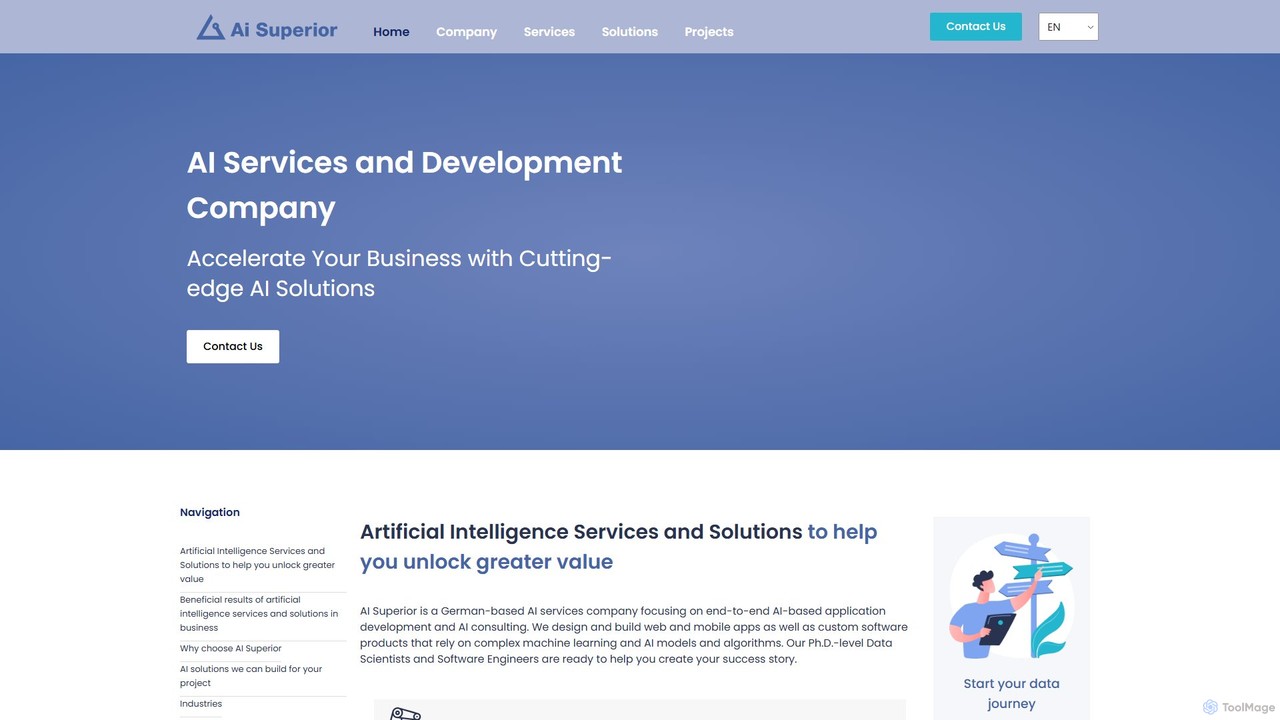
AI Superior

AI Superior

AI Superior is a German-based AI development and consulting company offering end-to-end custom AI solutions. They specialize in …

21.1K
Predict Expert AI

Predict Expert AI

Predict Expert AI is a specialized B2B service that develops custom AI models, applications, and integrations for businesses. …

2.6K
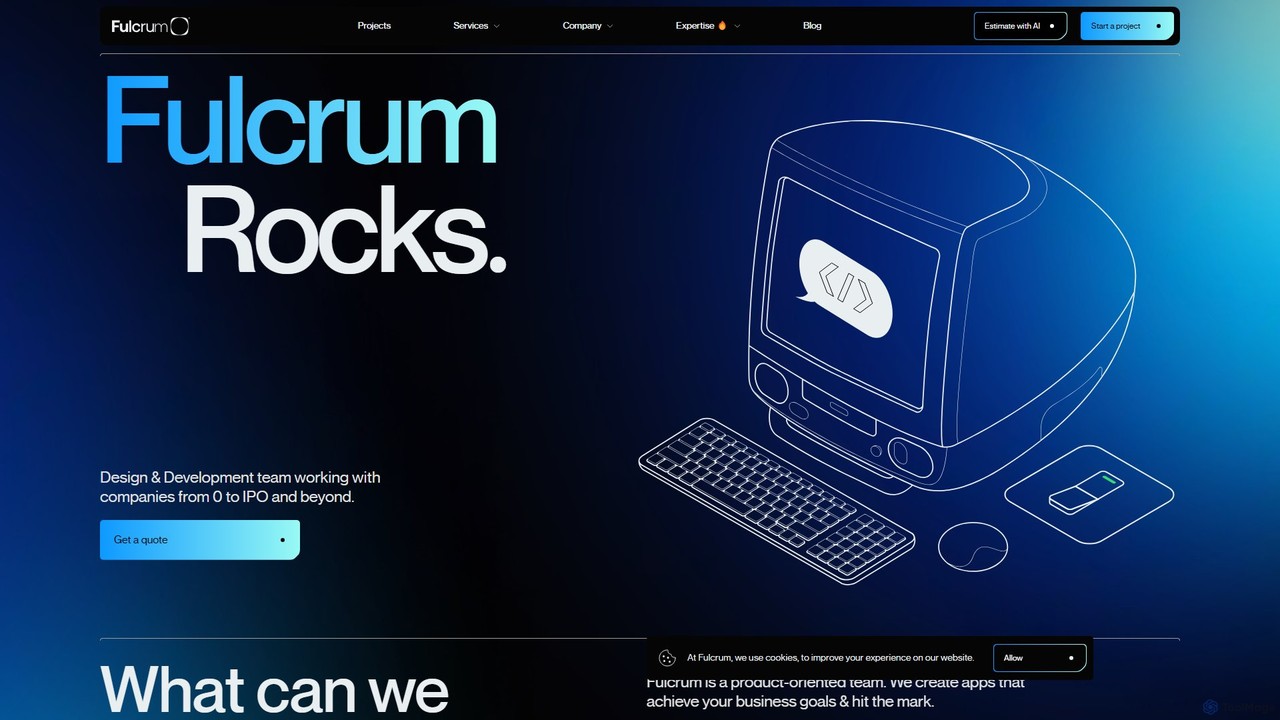
Fulcrum

Fulcrum

Fulcrum is a premier design and development agency that specializes in creating custom applications with advanced AI capabilities. …

13.8K
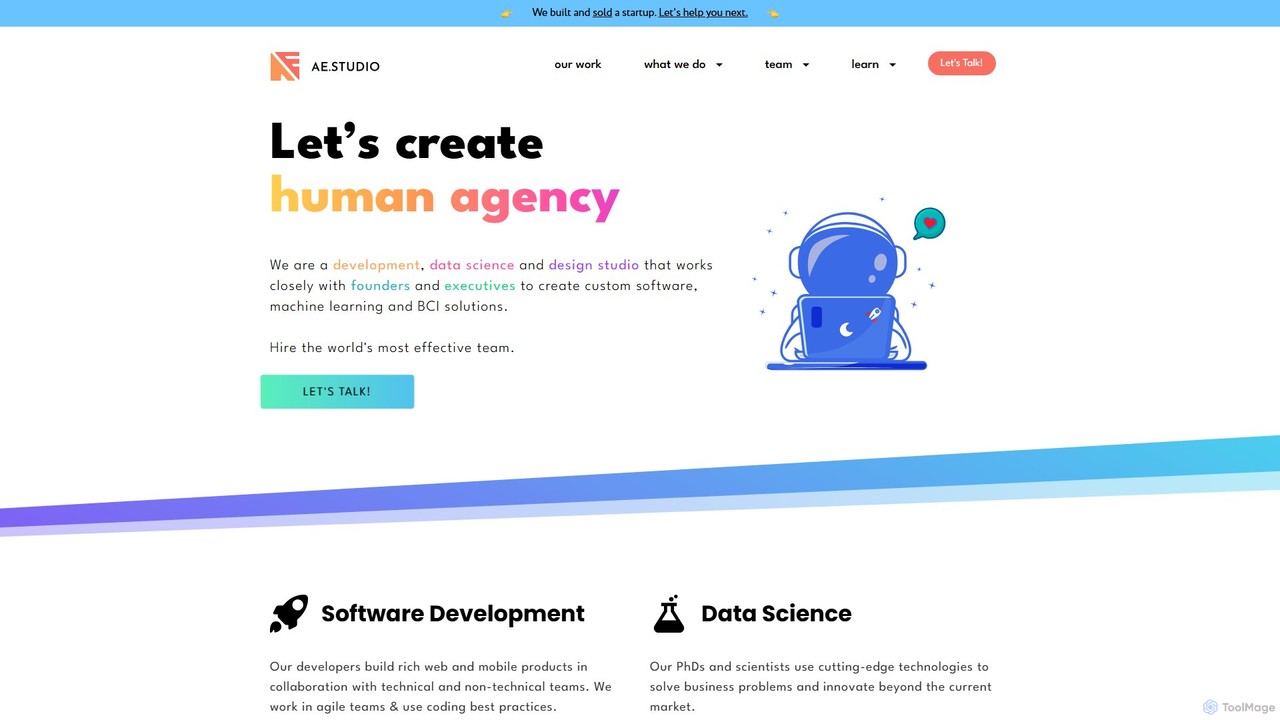
AE Studio

AE Studio

AE Studio is an elite development, data science, and design agency specializing in creating custom software, machine learning, …

19.5K
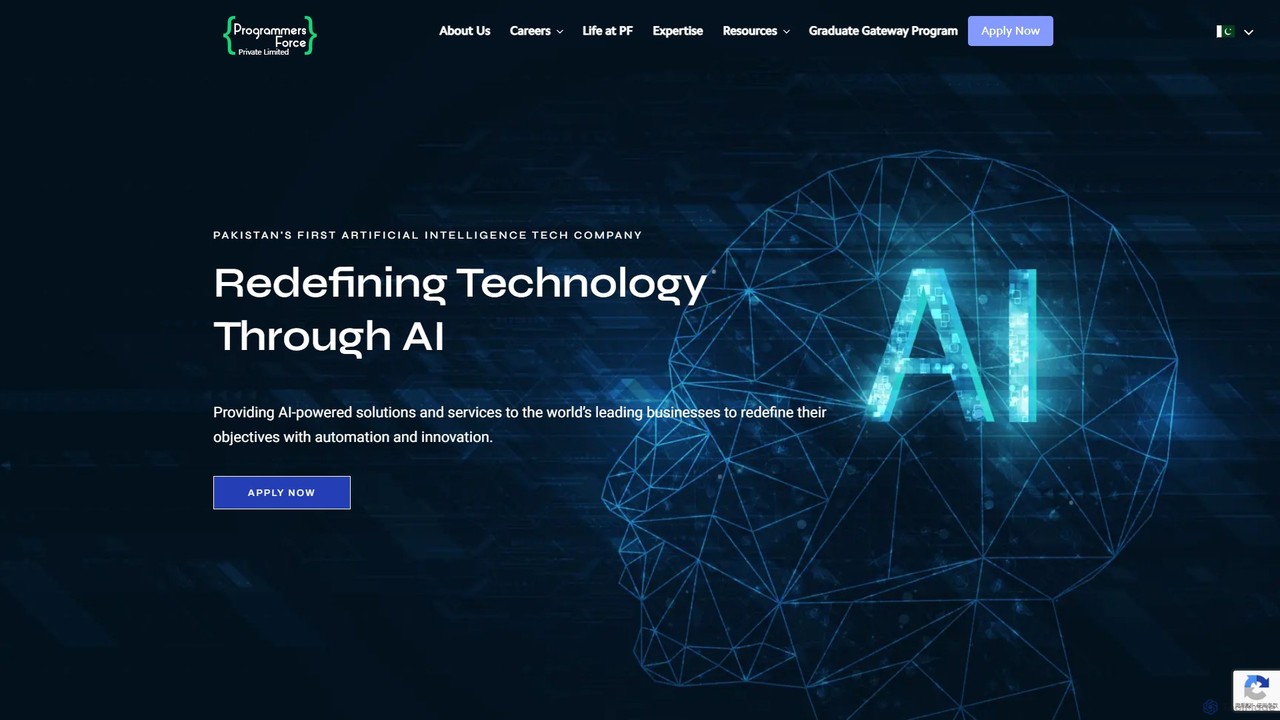
Programmers Force

Programmers Force

Programmers Force is a pioneering AI development company from Pakistan, offering custom AI-powered solutions and services to global …

14.6K
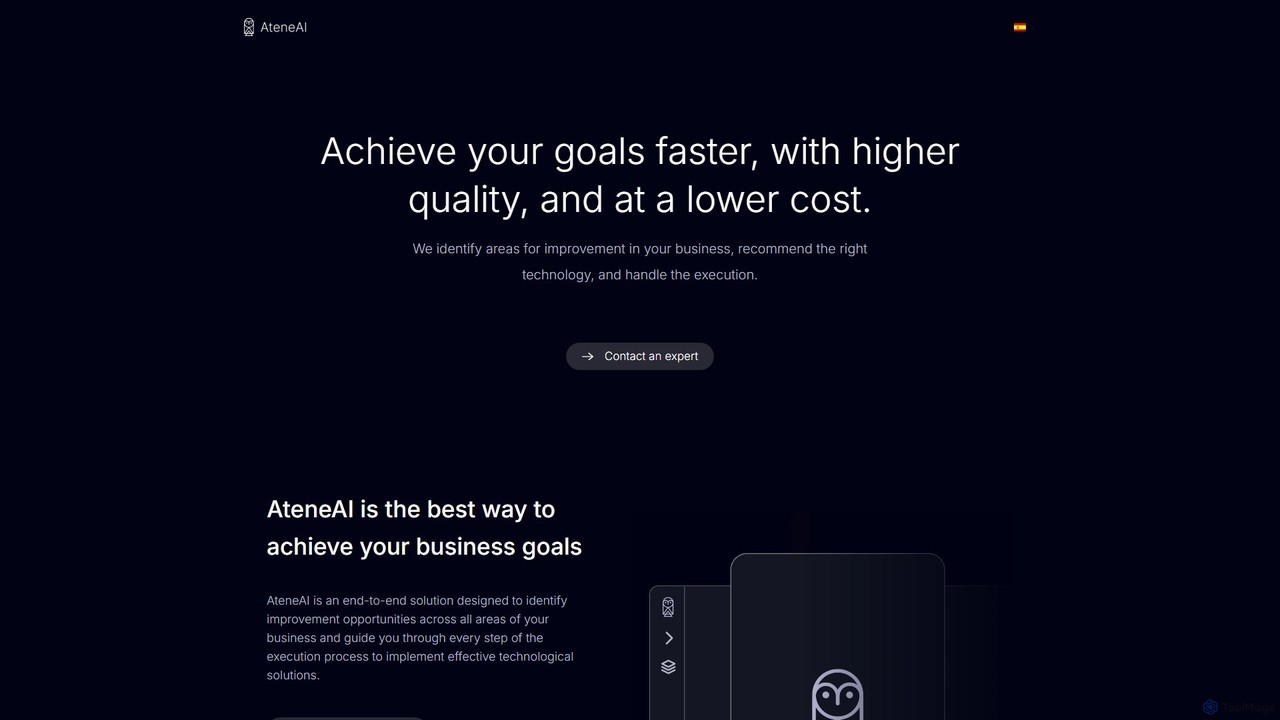
ateneai

ateneai

AteneAI is an end-to-end AI consulting and development service that identifies business improvement opportunities, recommends tailored technology, and …

2.2K

About Custom Development

AI Custom Development tools are platforms, APIs, and frameworks that enable developers to build, train, and deploy bespoke AI applications. These tools provide foundational models and infrastructure, allowing for deep customization beyond the capabilities of no-code or low-code solutions. They are essential for creating unique AI-powered features, automating complex workflows, and integrating intelligent systems into existing software. This approach offers maximum flexibility and control over the final AI product's performance and behavior.

Core Features

  • API & SDK Access: Provides programmatic access to powerful pre-trained models like LLMs and diffusion models for integration into applications.
  • Model Fine-Tuning: Allows developers to adapt base models using their own datasets to specialize them for specific tasks or industries.
  • Development Frameworks: Offers libraries and toolkits (e.g., LangChain, LlamaIndex) to streamline the construction of complex AI applications like RAG systems.
  • Deployment & MLOps: Includes tools for managing the lifecycle of custom models, including deployment, scaling, monitoring, and versioning.
  • Vector Databases: Specialized databases designed to store and efficiently query high-dimensional vector embeddings, crucial for semantic search and memory in AI apps.

Use Cases

These tools are primarily used by software developers, AI engineers, and data scientists in technology companies, startups, and enterprise R&D departments. They are ideal for projects requiring a high degree of specialization, such as building proprietary customer service bots that understand specific company jargon, developing internal semantic search engines for legal or medical documents, or creating unique generative AI features for a SaaS product.

How to Choose

When selecting a custom development tool, consider the quality and variety of available base models. Evaluate the ease and cost of fine-tuning and the scalability of the deployment infrastructure. Also, assess the quality of documentation, the robustness of the API/SDK, and the strength of the developer community for support. Finally, analyze the pricing model, especially costs related to API calls, training, and hosting.

Custom DevelopmentUse Cases

1

Build a Specialized Customer Service Chatbot

A financial services company needs a chatbot that can answer complex customer queries about specific investment products and internal policies, going beyond generic FAQ responses. A development team uses a powerful Large Language Model (LLM) via its API. They prepare a dataset of internal documents, product specifications, and past customer interactions. Using the platform's fine-tuning capabilities, they train the base LLM on this data. The result is a highly accurate, context-aware chatbot integrated into their website and app, which reduces support ticket volume by 40% and improves customer satisfaction by providing instant, precise answers.

2

Develop an Internal Semantic Search Engine

A large law firm struggles with knowledge management, as lawyers spend hours searching for relevant case law and precedents in a massive document repository. An AI engineer uses a custom development platform to tackle this. They use an embedding model API to convert all documents into vector representations and store them in a vector database. Then, they build a simple user interface where lawyers can type natural language queries. The system finds documents based on semantic meaning, not just keyword matches. This custom search engine reduces research time by over 60% and helps uncover relevant information that keyword-based searches would miss.

3

Create a Unique Brand Voice Generation Tool

A marketing agency manages dozens of clients, each with a distinct brand voice. Manually writing social media posts and ad copy that consistently matches each voice is time-consuming. The agency's technical team uses a generative model API to build an internal tool. For each client, they create a small, high-quality dataset of existing content that exemplifies their brand voice. They use this to fine-tune separate versions of a base model. The resulting tool allows marketers to input a topic and select a client, instantly generating multiple copy variations that are perfectly on-brand. This accelerates content creation and ensures brand consistency across all channels.

4

Integrate AI-Powered Predictive Analytics into a SaaS Platform

A SaaS company providing project management software wants to add a predictive feature that alerts managers to projects at risk of delay. Their development team uses a custom development platform that offers access to various machine learning models. They use an SDK to integrate the platform with their application's database, which contains historical project data (timelines, resources, completion rates). They train a custom regression model to predict project completion dates based on current progress and historical patterns. This new feature, powered by the custom model, becomes a key differentiator, increasing user engagement and providing tangible value that helps justify a higher subscription tier.

5

Automate Complex Document Data Extraction

An insurance company processes thousands of claims daily, each submitted with various unstructured documents like medical reports and repair invoices. Manual data entry is slow and error-prone. A developer uses a custom development platform with strong multimodal capabilities. They build an application that uses a vision model to read text from scanned documents (OCR) and an LLM to understand and structure the extracted information. The system is fine-tuned on a sample of their specific claim forms to accurately identify fields like 'policy number', 'damage description', and 'total cost'. This custom automation reduces claim processing time from hours to minutes and significantly improves data accuracy.

6

Prototype a Novel AI-Powered Research Assistant

A university research lab is exploring new ways to accelerate scientific discovery. They aim to build an AI assistant that can read academic papers, summarize key findings, and suggest related research. Using a development framework like LangChain and APIs for LLMs and semantic search, a PhD student prototypes this assistant. The framework helps orchestrate calls to different AI models: one to extract text from PDFs, another to embed and store the content, and a powerful LLM to handle the summarization and question-answering. This prototype, built in weeks instead of months, allows the team to quickly validate their concept and secure funding for a full-scale project, demonstrating the power of custom tools for rapid innovation.

Custom DevelopmentFrequently Asked Questions