Developer Tools Best in category 1 results E Commerce AI Tool

Popular AI tools in the E Commerce field of Developer Tools include HandyPlugins, etc., helping you quickly improve efficiency.

HandyPlugins

HandyPlugins

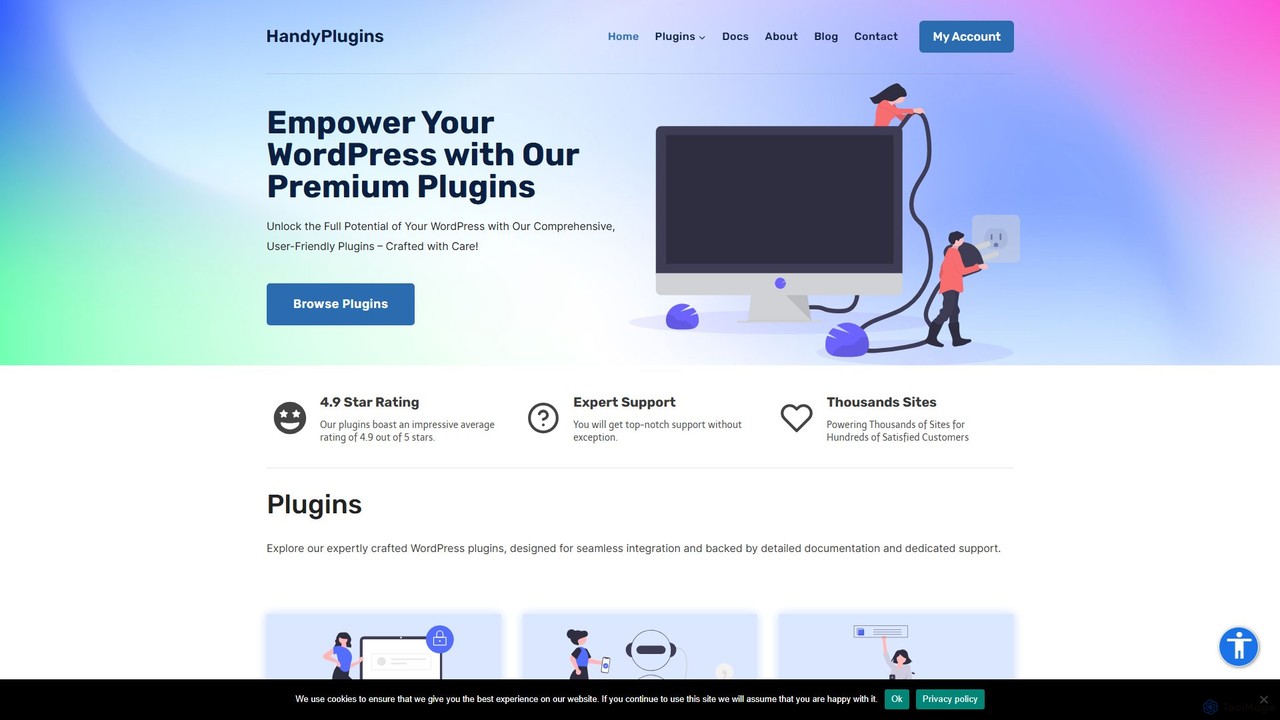
HandyPlugins offers a suite of premium, expertly crafted WordPress plugins designed to enhance functionality, security, and user experience. …

3.9K

About E Commerce

AI E-commerce tools are developer-focused APIs, SDKs, and platforms for integrating intelligent features directly into online retail applications. These tools leverage machine learning models to analyze customer data, market trends, and transaction patterns in real-time. They enable the creation of highly personalized shopping experiences, automated operational efficiencies, and enhanced security. By providing programmatic access to complex AI functionalities, these tools empower developers to build sophisticated, data-driven e-commerce solutions from the ground up.

Core Features

  • Personalization Engine API: Delivers tailored product recommendations, content, and user journeys based on individual behavior.
  • AI-Powered Search: Implements natural language and visual search capabilities for more intuitive product discovery.
  • Dynamic Pricing Automation: Allows developers to programmatically adjust prices based on demand, competition, and user segments.
  • Fraud Detection API: Uses machine learning to analyze transactions in real-time to identify and block fraudulent activities.
  • Demand Forecasting: Provides predictive analytics for inventory management and supply chain optimization.

Applicable Scenarios

These tools are primarily used by software developers, backend engineers, and data scientists building or enhancing e-commerce platforms. Common applications include developing headless commerce architectures with custom frontends, integrating smart features into existing retail websites, or creating specialized B2B e-commerce portals with complex pricing rules.

Selection Criteria

When choosing an AI E-commerce tool, developers should evaluate the quality and clarity of API documentation, scalability to handle high transaction volumes, and ease of integration via SDKs for relevant programming languages. Also, consider the pricing model (e.g., per-API-call vs. subscription) and the performance and accuracy of the underlying AI models for your specific use case.

E CommerceUse Cases

1

Building a Headless Commerce Recommendation Engine

A front-end developer at a direct-to-consumer fashion brand is tasked with creating a highly personalized shopping experience. Using a personalization engine API, the developer integrates a 'You Might Also Like' component into their custom-built product pages. The API call sends the current product ID and user's browsing history, and in return, receives a list of relevant product recommendations. This allows for a dynamic and tailored user experience that is independent of the backend e-commerce platform, increasing user engagement and average order value without requiring deep machine learning expertise from the development team.

2

Implementing Real-Time Fraud Detection at Checkout

A backend developer for a payment gateway service needs to minimize chargebacks for their merchants. They integrate a fraud detection API into the checkout workflow. Before processing a payment, the service sends transaction details—such as IP address, order value, and billing information—to the API. The AI model analyzes hundreds of data points in milliseconds to return a risk score. The developer then implements logic to automatically block transactions with a high-risk score or flag them for manual review, significantly reducing fraudulent orders and protecting merchant revenue.

3

Automating Dynamic Pricing for a Travel Booking Site

A developer at an online travel agency is tasked with building a competitive pricing model. They use a dynamic pricing API that takes inputs like flight route, booking date, seasonality, and competitor prices. The API's machine learning model predicts the optimal price point to maximize revenue while remaining competitive. The developer integrates this API to automatically update flight prices on the website in real-time. This programmatic approach replaces manual price adjustments, allowing the agency to react instantly to market changes and optimize pricing for thousands of routes simultaneously.

4

Integrating AI-Powered Visual Search into a Mobile App

A mobile app developer for a home decor retailer wants to add a 'shop the look' feature. They integrate a visual search API into their application. A user can take a photo of a piece of furniture or upload an image, and the app sends this image to the API. The API analyzes the image, identifies objects, and returns a list of visually similar products from the retailer's catalog with their corresponding product page links. This provides a highly intuitive and engaging discovery path for users, converting inspiration directly into a potential sale and improving the overall mobile shopping experience.

5

Developing a Predictive Inventory Management System

A data scientist at a large consumer electronics retailer needs to prevent stockouts of popular items. They use a demand forecasting API, feeding it historical sales data, promotional calendars, and seasonality trends. The API returns predictions for future demand for each product SKU. A developer then uses this output to build an automated reordering system. The system programmatically calculates optimal stock levels and triggers purchase orders when inventory drops below a predicted threshold, ensuring product availability and minimizing excess stock.

6

Creating a Conversational Commerce Chatbot

A developer is building a customer service solution for an online retailer to handle common queries outside of business hours. They use an AI platform with a natural language processing (NLP) API to create a chatbot. The developer trains the chatbot on product data and FAQs. They then integrate it with the e-commerce platform's APIs to check order statuses, process returns, and even make product recommendations within the chat interface. This creates a 24/7 conversational agent that improves customer satisfaction and offloads repetitive tasks from the human support team.

E CommerceFrequently Asked Questions