Developer Tools Best in category 2 results Foundation Models AI Tool

Popular AI tools in the Foundation Models field of Developer Tools include MiniMax、Sakana AI, etc., helping you quickly improve efficiency.

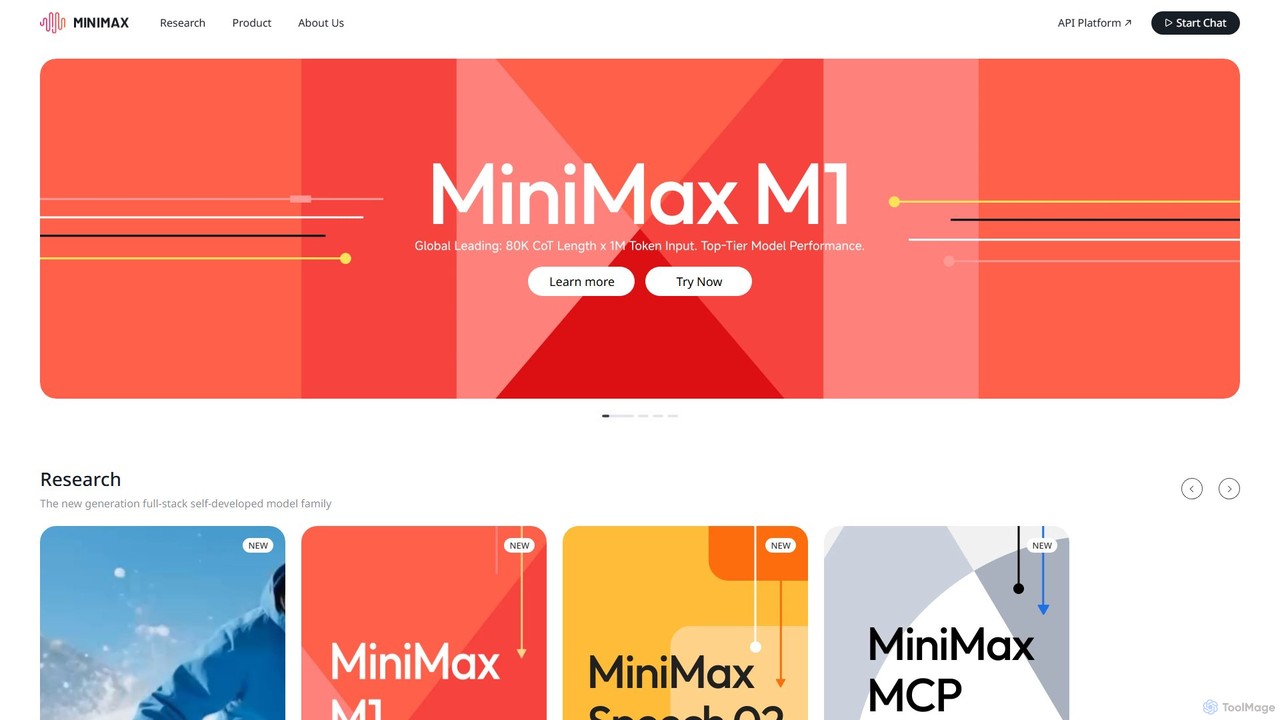
MiniMax

MiniMax

MiniMax is an AI research company providing a full-stack platform of AGI-powered foundation models. It offers state-of-the-art APIs …

6.5M
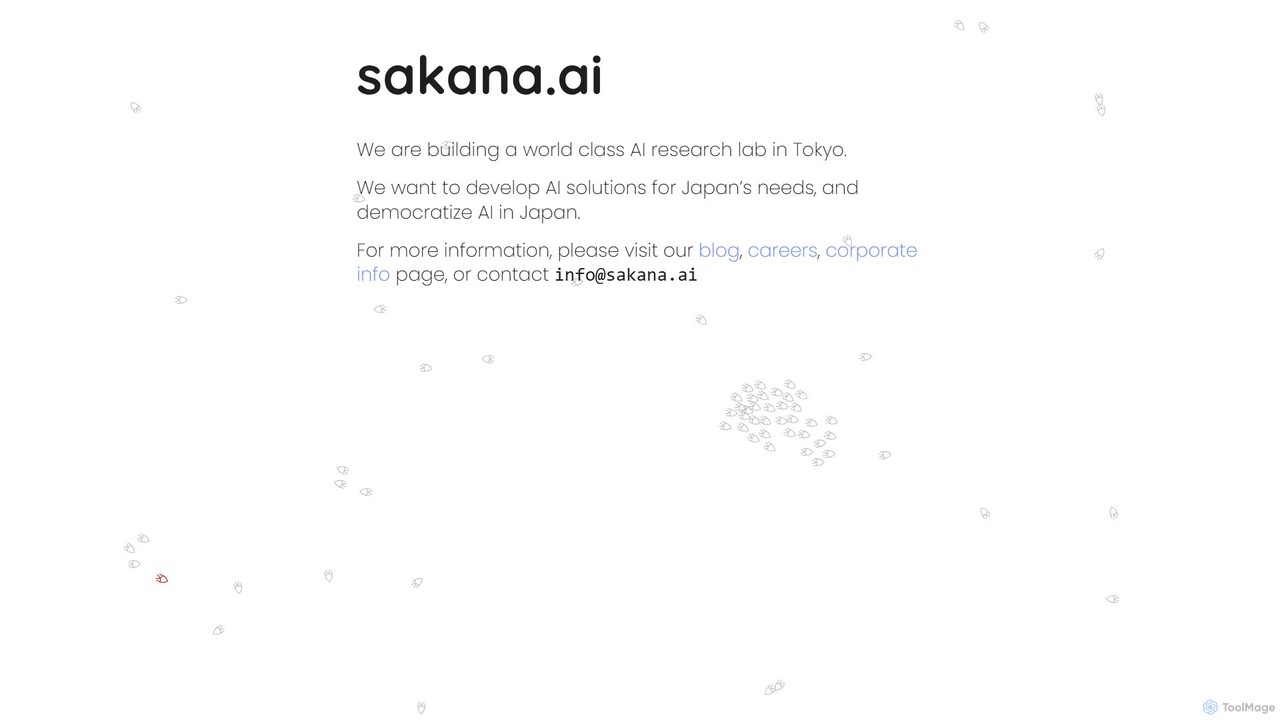
Sakana AI

Sakana AI

A Tokyo-based AI research lab founded by industry pioneers, developing novel foundational models inspired by nature. Sakana AI …

367.3K

About Foundation Models

Foundation Models are a class of large-scale artificial intelligence models pre-trained on vast and diverse datasets, designed to be adaptable to a wide range of downstream tasks. These models, often encompassing large language models (LLMs) and vision transformers, leverage transfer learning to provide a powerful base for developing sophisticated AI applications. They enable developers to build custom solutions with reduced training data and computational resources, accelerating innovation across various industries.

Core Features

  • Broad Generalization: Capable of understanding and generating diverse content across multiple domains and modalities.
  • Transfer Learning: Allows fine-tuning or prompt engineering to adapt the model to specific tasks with minimal additional data.
  • API Accessibility: Many models are available via APIs, simplifying integration into existing developer workflows.
  • Multi-modality Support: Some models can process and generate information across text, image, audio, and video formats.
  • Scalability: Designed to handle complex tasks and large data volumes, supporting enterprise-level applications.

Use Cases

Developers utilize Foundation Models as the intelligent core for building new AI-powered products and services. This includes creating advanced conversational agents, automating content generation for marketing and education, and developing sophisticated data analysis tools that can extract insights from unstructured information. They serve as a versatile backend for innovative AI solutions.

How to Choose

When selecting a Foundation Model, consider its performance on relevant benchmarks, the cost of API usage or hosting, the ease of fine-tuning for your specific task, and the availability of developer tools and documentation. Evaluate the model's latency, throughput, and data privacy policies to ensure it meets your project's technical and compliance requirements.

Foundation ModelsUse Cases

1

Building Custom AI Chatbots

Developers in customer service or internal communications leverage Foundation Models to create highly intelligent and context-aware chatbots. By fine-tuning a pre-trained language model with domain-specific data, they can develop virtual assistants that provide accurate, personalized responses, significantly reducing human agent workload and improving user satisfaction.

2

Automating Content Generation for Marketing

Marketing teams and content creators use Foundation Models to rapidly generate diverse marketing copy, blog posts, social media updates, and product descriptions. Inputting key themes and target audiences allows the model to produce multiple creative variations, accelerating content pipelines and maintaining brand voice consistency across platforms.

3

Developing Advanced Code Assistants

Software engineers integrate Foundation Models into their development environments to assist with code generation, debugging, and refactoring. These models can suggest code snippets, identify potential errors, and even translate code between languages, boosting developer productivity and reducing time spent on repetitive coding tasks.

4

Powering Intelligent Search and Recommendation Systems

E-commerce platforms and media companies deploy Foundation Models to enhance their search capabilities and personalize recommendations. By understanding user queries and content semantics more deeply, these models deliver highly relevant results and suggestions, leading to improved user engagement and conversion rates.

5

Facilitating Scientific Research and Data Analysis

Researchers and data scientists apply Foundation Models to analyze vast amounts of unstructured data, such as scientific papers, clinical notes, or sensor readings. The models can identify patterns, extract key information, and summarize complex documents, accelerating discovery and hypothesis generation in fields like medicine and material science.

6

Creating Multilingual Translation and Localization Tools

Global businesses and content providers utilize Foundation Models to build sophisticated translation and localization tools. These models can translate text while preserving context, tone, and cultural nuances, enabling efficient communication and content adaptation for diverse international audiences, streamlining global operations.

Foundation ModelsFrequently Asked Questions