Developer Tools Best in category 4 results Large Language Models AI Tool

Popular AI tools in the Large Language Models field of Developer Tools include Tencent Hunyuan、Aleph Alpha、LightOn、XVERSE XChat, etc., helping you quickly improve efficiency.

XVERSE XChat

XVERSE XChat

XVERSE XChat is a powerful conversational AI developed by XVERSE, built on their proprietary large language models. It …

2.5K
LightOn

LightOn

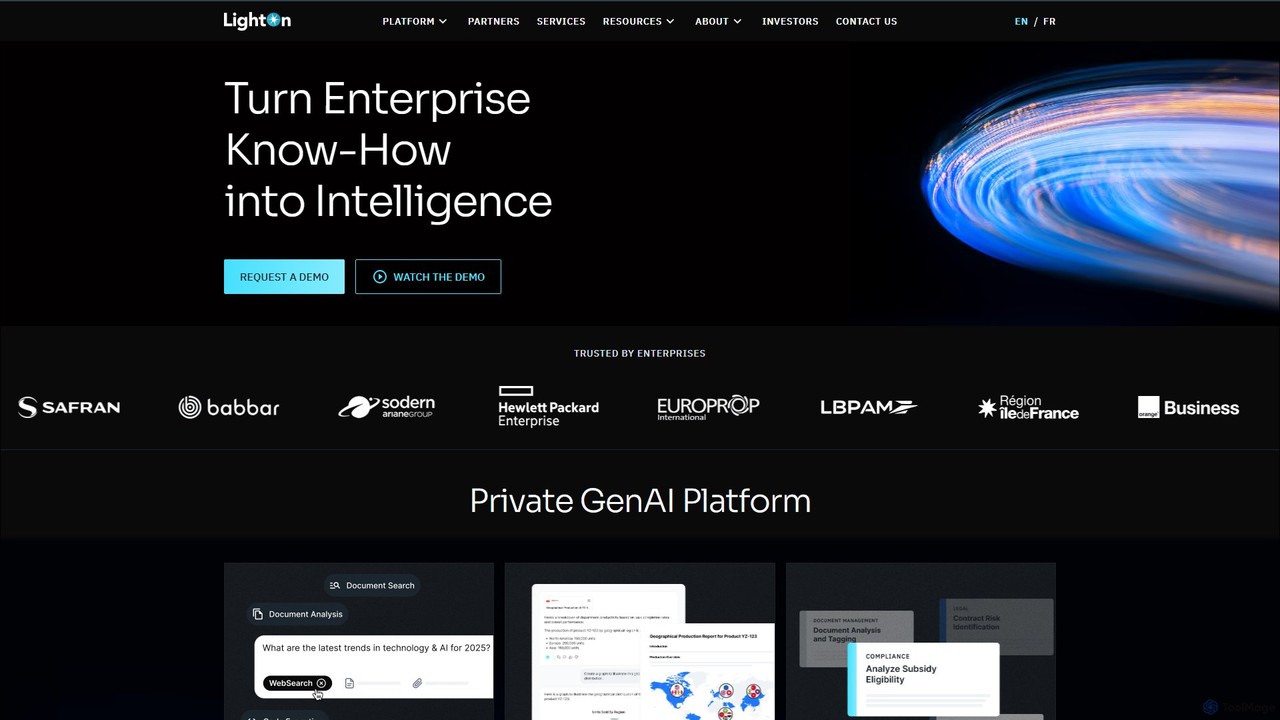
LightOn provides Paradigm, a secure, sovereign, and customizable Generative AI platform for enterprises and public sectors. It focuses …

29.8K
Tencent Hunyuan

Tencent Hunyuan

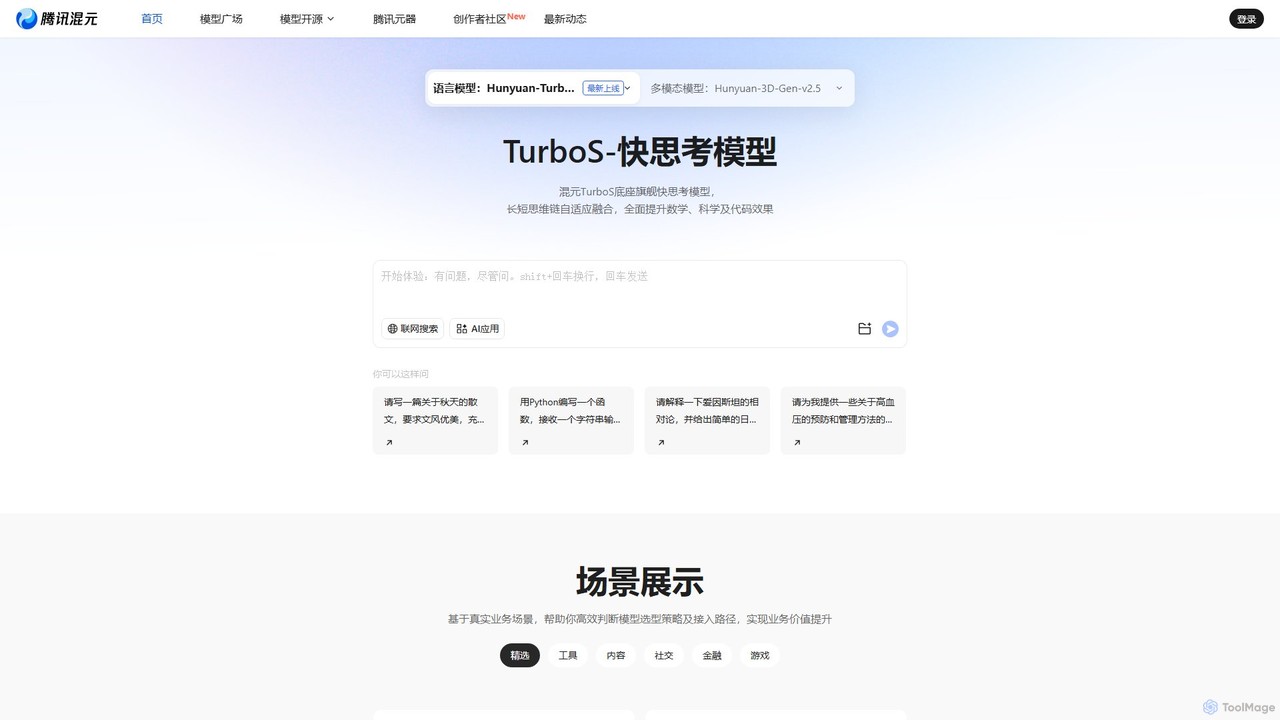
Tencent Hunyuan is a powerful, self-developed large language and multimodal AI model from Tencent. It excels in text …

2.6M
Aleph Alpha

Aleph Alpha

Aleph Alpha is a leading European AI company providing sovereign, explainable, and trustworthy generative AI solutions. Its PhariaAI …

59.9K

About Large Language Models

Large Language Models (LLMs) are advanced AI models designed to understand, generate, and process human language with remarkable fluency and coherence. Built upon deep learning architectures, primarily transformers, these models are trained on vast datasets of text and code, enabling them to perform a wide array of natural language processing tasks. For developers, LLMs offer powerful APIs and frameworks to integrate sophisticated language capabilities into applications, transforming how users interact with software and information.

Core Features

  • Natural Language Understanding (NLU): Accurately interpret user intent, sentiment, and context from complex human language inputs.
  • Text Generation: Create human-like text for various purposes, including articles, summaries, creative writing, and code.
  • Information Extraction: Identify and pull specific entities, facts, or relationships from unstructured text data.
  • Translation & Localization: Translate text between multiple languages while preserving meaning and context.
  • Code Generation & Assistance: Generate code snippets, debug, explain code, and assist in software development workflows.

Use Cases

LLMs are instrumental across various sectors, from enhancing customer support with intelligent chatbots to accelerating content creation for marketing teams. Developers leverage these models to build innovative applications that require deep linguistic understanding, such as personalized learning platforms, advanced search engines, and automated data analysis tools. Their adaptability makes them a cornerstone for building next-generation AI-powered solutions.

How to Choose

Selecting the right Large Language Model involves evaluating several factors: the model's performance and size relative to your specific task requirements, the availability and ease of use of its API, options for fine-tuning with custom data, and the associated costs. Consider also the ethical implications, data privacy policies, and the community support available for integration and troubleshooting.

Large Language ModelsUse Cases

1

Automated Content Generation for Marketing

Marketing specialists can utilize LLMs to rapidly generate diverse content, such as blog post drafts, social media captions, email newsletters, and product descriptions. By providing a few keywords or a brief outline, the model can produce multiple variations, significantly reducing the time spent on initial content creation and allowing teams to focus on refinement and strategy.

2

Intelligent Customer Support Chatbots

Customer service departments deploy LLMs to power advanced chatbots capable of understanding complex customer queries, providing accurate and personalized responses, and even escalating issues when necessary. This automates routine inquiries, improves response times, and frees human agents to handle more intricate problems, enhancing overall customer satisfaction.

3

Code Generation and Developer Assistance

Software developers can integrate LLMs into their IDEs or workflows to receive real-time coding suggestions, generate boilerplate code, explain complex functions, or even debug errors. This accelerates development cycles, helps junior developers learn faster, and improves code quality by providing intelligent assistance throughout the coding process.

4

Summarizing Research Papers and Reports

Researchers and analysts can use LLMs to quickly distill lengthy academic papers, business reports, or legal documents into concise summaries. This allows them to grasp key findings and arguments without reading the entire text, saving valuable time and improving information retention for decision-making or further study.

5

Multilingual Content Localization

Global businesses leverage LLMs for efficient and accurate translation and localization of their websites, marketing materials, and product documentation. These models can adapt content to specific cultural nuances and linguistic styles, ensuring that messages resonate effectively with diverse international audiences while maintaining brand consistency.

6

Personalized Learning and Tutoring Systems

Educational platforms can integrate LLMs to create adaptive learning experiences, offering personalized explanations, answering student questions in real-time, and generating practice problems tailored to individual learning paces and styles. This provides students with on-demand support and a more engaging, customized educational journey.

Large Language ModelsFrequently Asked Questions