Data Best in category 4 results Knowledge Management AI Tool

Popular AI tools in the Knowledge Management field of Data include LightOn、TaskingAI、TrainMyAI、The Attic AI, etc., helping you quickly improve efficiency.

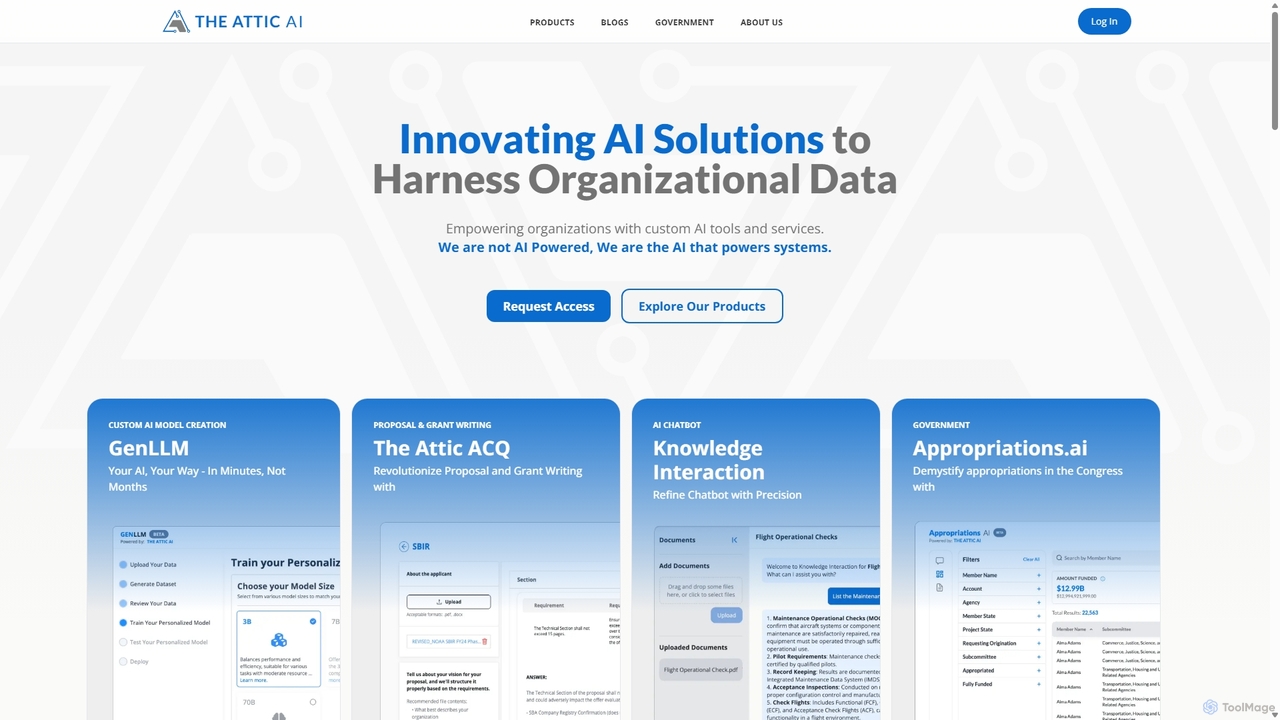
The Attic AI

The Attic AI

The Attic AI is a platform that empowers organizations to build, train, and deploy custom, secure AI models …

57
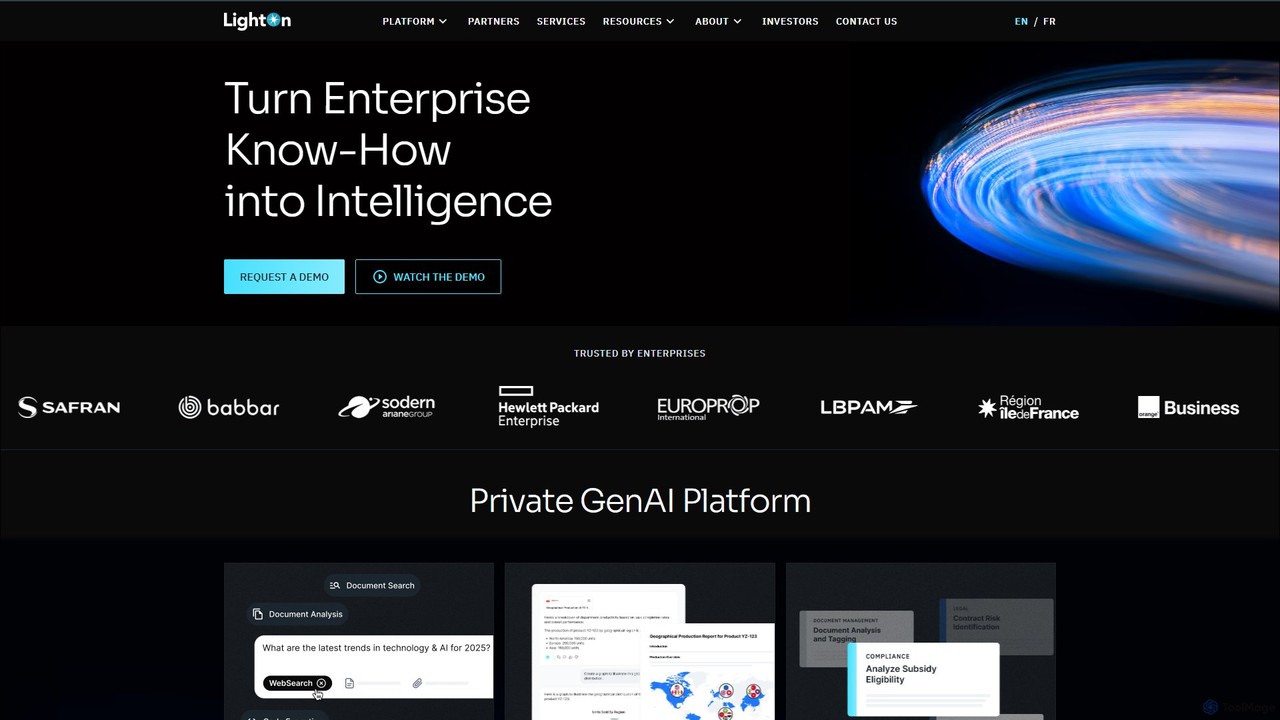
LightOn

LightOn

LightOn provides Paradigm, a secure, sovereign, and customizable Generative AI platform for enterprises and public sectors. It focuses …

28.7K
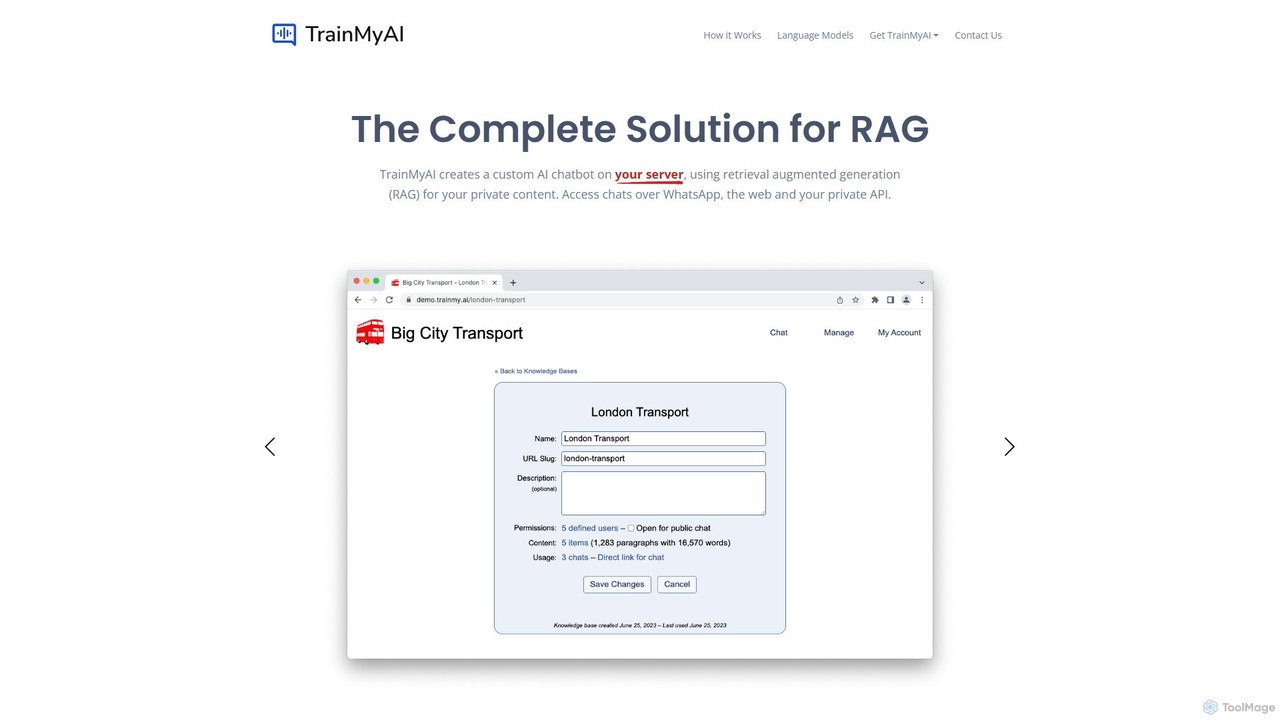
TrainMyAI

TrainMyAI

TrainMyAI is a complete, self-hosted solution for building Retrieval-Augmented Generation (RAG) AI chatbots. It allows you to create …

730
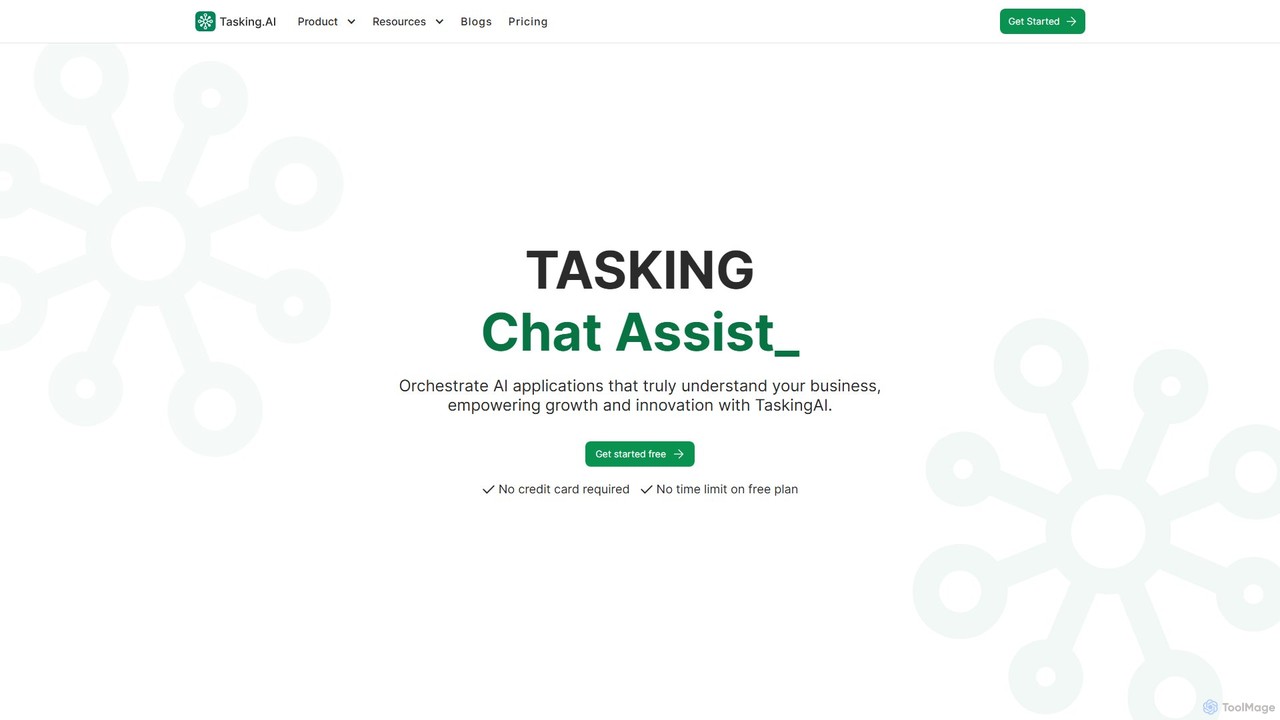
TaskingAI

TaskingAI

TaskingAI is an open-source AI-native application development platform designed to orchestrate sophisticated AI applications. It enables users to …

1.7K

About Knowledge Management

Knowledge Management tools are AI-powered solutions designed to systematically capture, organize, store, and retrieve an organization's collective information and expertise. These tools leverage advanced AI, including natural language processing and machine learning, to transform raw data into accessible, actionable knowledge. They enhance decision-making, foster collaboration, and improve operational efficiency by ensuring critical information is readily available to those who need it.

Core Features

  • Intelligent Content Capture: Automatically extracts and categorizes information from various sources like documents, emails, and chats.
  • Semantic Search & Retrieval: Enables users to find relevant information quickly using natural language queries, understanding context and intent.
  • Automated Tagging & Classification: AI algorithms automatically tag, categorize, and link related knowledge assets for better organization and discoverability.
  • Knowledge Graph Generation: Builds interconnected networks of information, revealing complex relationships between concepts, data points, and experts.
  • Personalized Knowledge Delivery: Delivers relevant information and recommendations to users based on their roles, projects, and past interactions.

Applicable Scenarios

These tools are vital for large enterprises managing vast amounts of internal documentation, customer support teams needing quick access to solutions, and R&D departments collaborating on complex projects. They help centralize institutional memory, reduce information silos, and empower employees with timely, accurate insights.

How to Choose

When selecting a Knowledge Management tool, consider its integration capabilities with existing systems, the accuracy of its AI-driven search and classification, and scalability for future data growth. Evaluate its user-friendliness for broad adoption, ability to handle diverse data types, and robust security features for sensitive information.

Knowledge ManagementUse Cases

1

Enhancing Customer Support Efficiency

Customer service agents utilize AI-powered knowledge bases to instantly find answers to complex customer queries. By leveraging semantic search and personalized recommendations, agents can quickly access relevant articles, troubleshooting guides, and past solutions, significantly reducing resolution times and improving customer satisfaction by providing consistent, accurate information.

2

Streamlining Employee Onboarding

HR departments utilize knowledge management platforms to create comprehensive, interactive onboarding experiences for new hires. AI helps personalize learning paths, recommend relevant training modules, and provide quick access to company policies, FAQs, and team resources, accelerating new employees' productivity and integration into the organization.

3

Accelerating Research & Development

R&D teams employ these tools to centralize research findings, experimental data, and intellectual property. AI-driven analysis helps identify patterns, prevent duplicate efforts, and connect researchers with relevant internal experts or past projects, fostering innovation and significantly speeding up product development cycles and scientific discovery.

4

Optimizing Internal Documentation & Compliance

Legal and compliance teams use AI knowledge management to organize vast amounts of regulatory documents, internal policies, and legal precedents. Semantic search ensures quick retrieval of specific clauses or guidelines, while automated version control and audit trails help maintain compliance, reduce risks, and streamline internal audits by providing a single source of truth.

5

Facilitating Cross-Departmental Collaboration

Project teams across different departments leverage shared knowledge platforms to store project plans, meeting notes, design specifications, and feedback. AI assists in linking related documents and suggesting relevant colleagues or experts, breaking down information silos and improving collaborative project execution and knowledge sharing across the organization.

6

Personalizing Learning & Development

Corporate learning and development initiatives benefit from AI knowledge management by offering employees tailored learning content. Based on an individual's role, skills, and career goals, the system recommends courses, articles, and expert contacts, fostering continuous professional growth and skill enhancement, and ensuring employees have access to the most relevant training.

Knowledge ManagementFrequently Asked Questions