Developer Tools Best in category 2 results Low Code AI Tool

Popular AI tools in the Low Code field of Developer Tools include n8n、neoprompt, etc., helping you quickly improve efficiency.

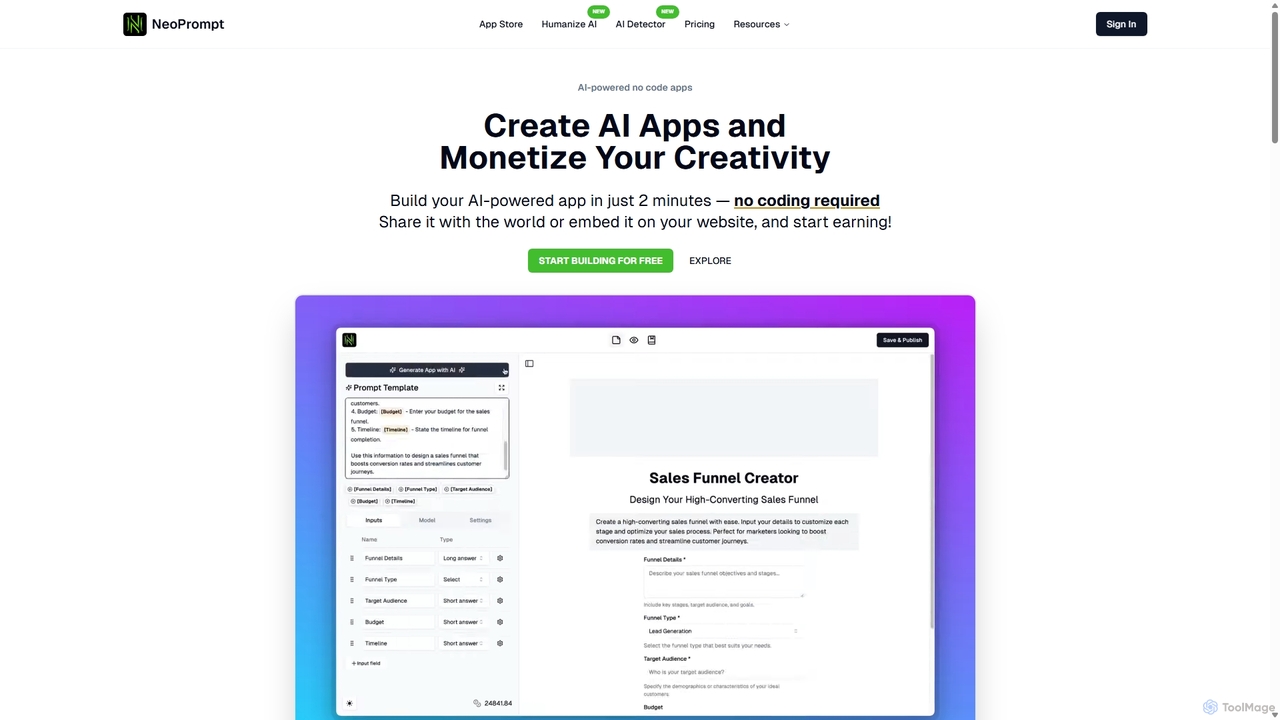
neoprompt

neoprompt

neoprompt is a versatile no-code platform that allows users to build and monetize custom AI applications in minutes. …

46.4K
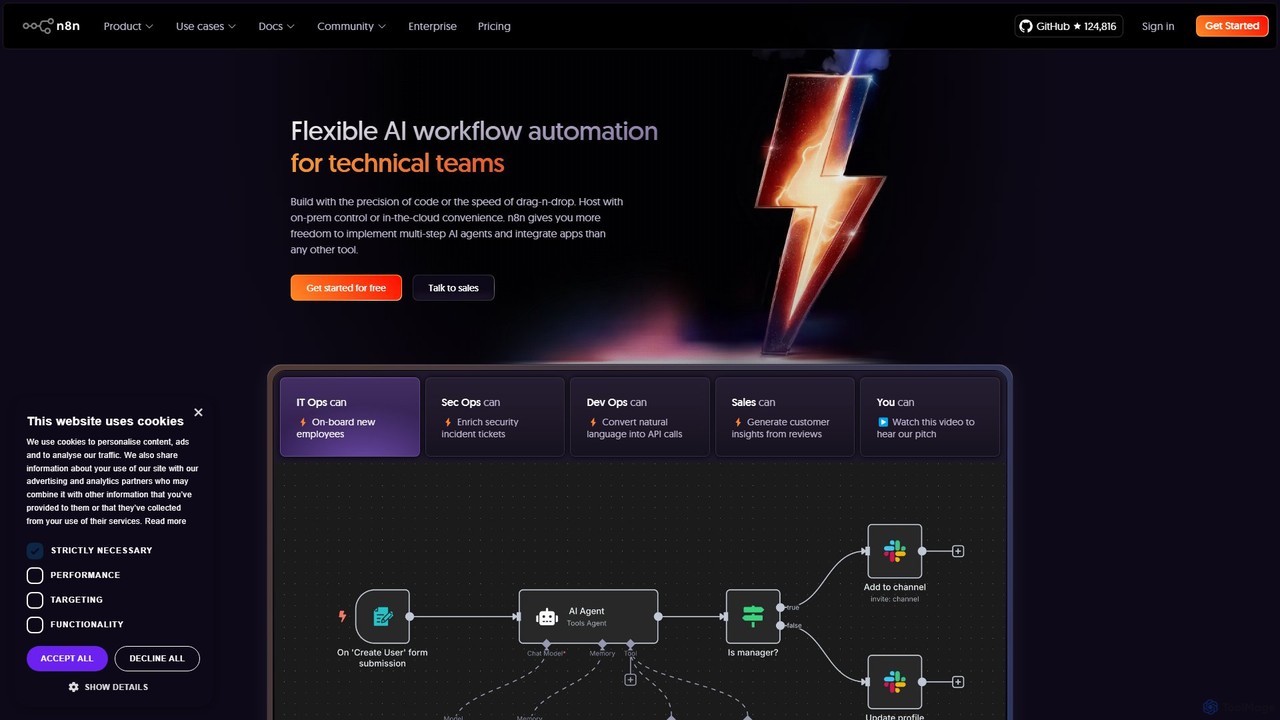
n8n

n8n

n8n is a source-available, node-based workflow automation platform designed for both technical and non-technical users. It enables you …

6.8M

About Low Code

Low Code tools are a category of development platforms that enable users to create applications with minimal manual coding. These platforms leverage visual interfaces, drag-and-drop components, and pre-built templates to accelerate the software development process. They empower both professional developers and citizen developers to build functional applications rapidly, significantly reducing development time and costs.

Core Features

  • Visual Development Interface: Drag-and-drop components and visual modeling for intuitive application design.
  • Pre-built Modules & Templates: Ready-to-use components and templates for common functionalities and industry-specific solutions.
  • Workflow Automation: Tools to design and automate business processes and data flows visually.
  • Integration Capabilities: Seamless connectivity with existing databases, APIs, and third-party services.
  • Rapid Deployment & Iteration: Streamlined processes for testing, deploying, and updating applications quickly.

Applicable Scenarios

Low Code platforms are ideal for developing internal business applications like HR portals or inventory management systems, automating complex business workflows such as approval processes, and rapidly building prototypes or Minimum Viable Products (MVPs) for new ventures. They also facilitate the creation of customer-facing portals and extensions for existing enterprise software.

How to Choose

When selecting a Low Code platform, consider its functional scope and scalability for your specific needs, its integration ecosystem with your existing tech stack, the platform's ease of use and learning curve for your team, and the overall pricing model. Evaluate the level of customization allowed and the vendor's support and community resources.

Low CodeUse Cases

1

Building Internal Business Applications

Business analysts or IT teams can use Low Code platforms to quickly develop custom internal tools, such as employee onboarding portals, project management dashboards, or inventory tracking systems. This reduces reliance on traditional development cycles, allowing departments to get tailored solutions faster and more cost-effectively, improving operational efficiency.

2

Automating Complex Business Workflows

Organizations can leverage Low Code to design and automate multi-step business processes, like expense report approvals, customer service request routing, or supply chain management. By visually mapping out workflows and integrating with existing systems, businesses can eliminate manual bottlenecks, ensure compliance, and accelerate process completion times.

3

Rapid Prototyping and MVP Development

Startups and innovation teams can utilize Low Code platforms to quickly build and test Minimum Viable Products (MVPs) or prototypes for new product ideas. This enables faster market validation, gathering early user feedback, and iterating on designs without significant upfront investment in full-stack development, accelerating time-to-market.

4

Creating Customer-Facing Portals

Companies can develop secure, interactive customer portals for self-service, order tracking, or account management using Low Code. This empowers customers with direct access to information and services, reducing the load on support teams and enhancing the overall customer experience through personalized and accessible digital touchpoints.

5

Integrating Disparate Systems

Low Code tools allow businesses to connect various legacy systems, cloud applications, and databases without extensive custom API coding. By providing visual connectors and data mapping capabilities, these platforms simplify data synchronization and process orchestration across different IT environments, creating a unified operational view.

6

Empowering Citizen Developers

Non-technical business users, often called citizen developers, can use Low Code platforms to build departmental applications or extend existing enterprise software to meet specific needs. This decentralizes application development, reduces the IT backlog, and fosters innovation by enabling those closest to the business problem to create solutions.

Low CodeFrequently Asked Questions