Developer Tools Best in category 2 results Network AI Tool

Popular AI tools in the Network field of Developer Tools include MyIP.ai、Prompt AI Tools, etc., helping you quickly improve efficiency.

Free
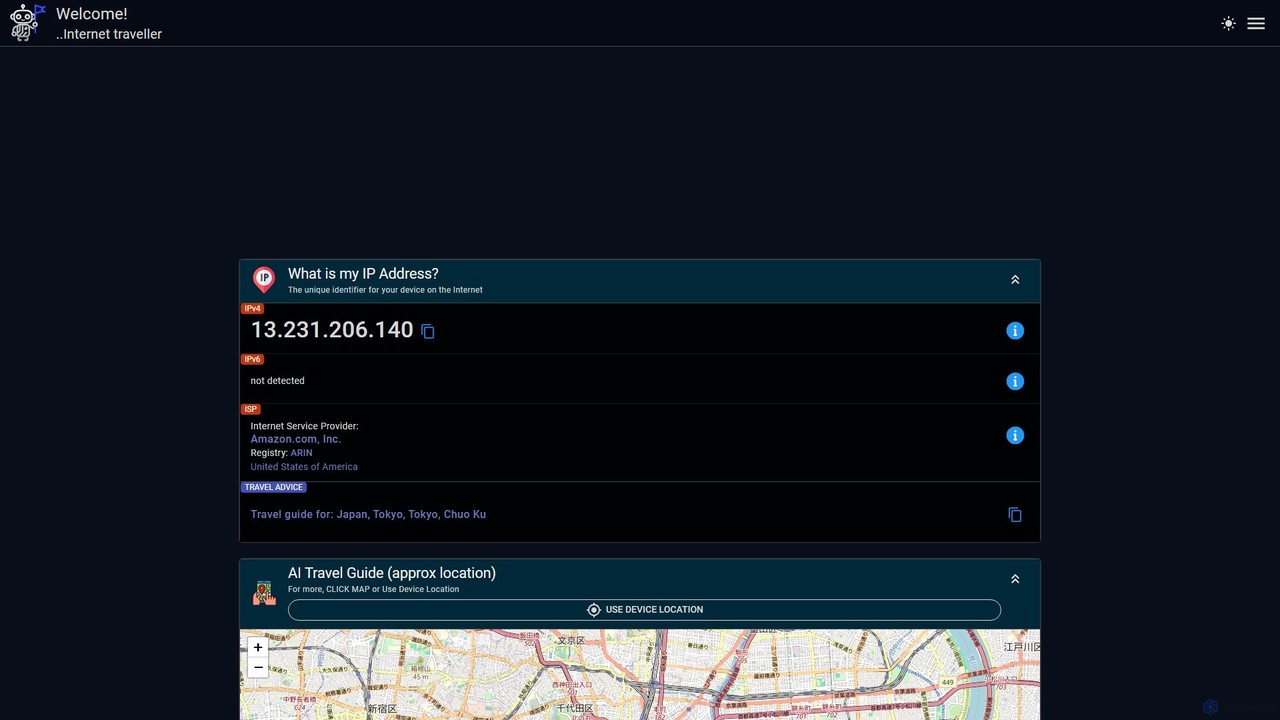
MyIP.ai

MyIP.ai

MyIP.ai is a dual-function tool that provides detailed IP address and network information while also acting as an …

2.4K
Free
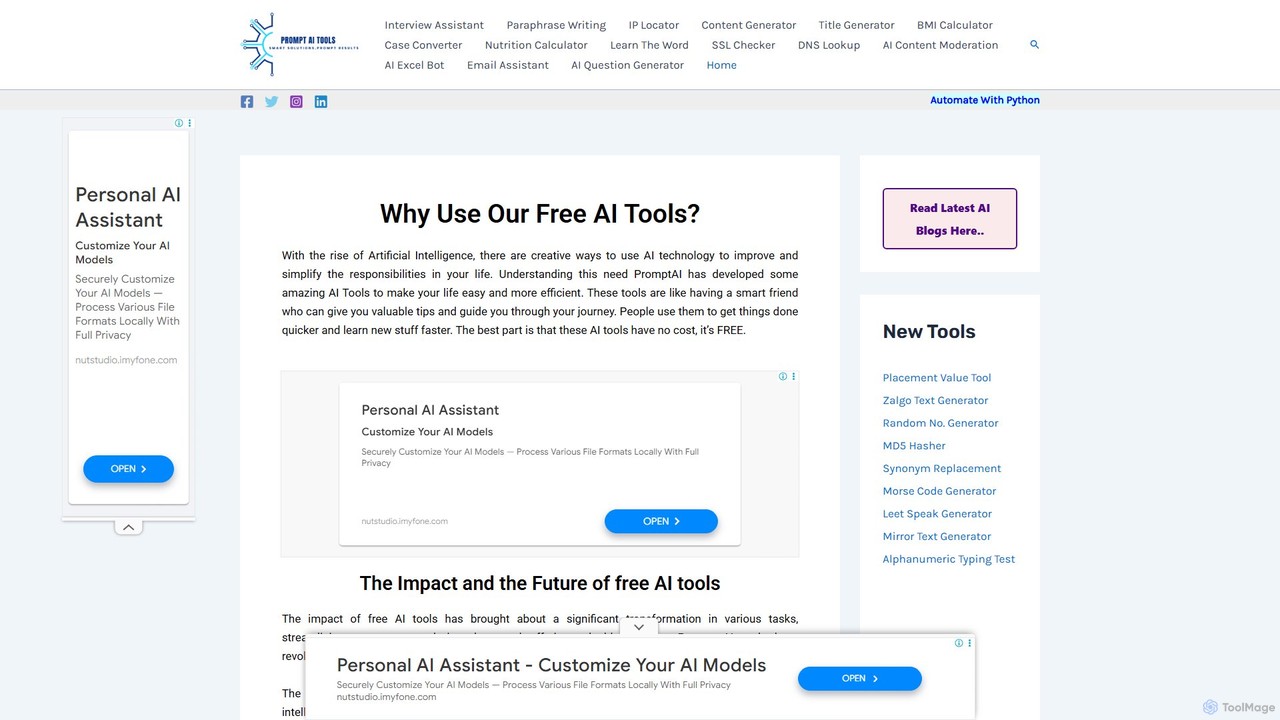
Prompt AI Tools

Prompt AI Tools

A comprehensive suite of free online AI and utility tools designed to enhance productivity and creativity. It offers …

2.3K

About Network

AI Network tools are a specialized class of developer software that leverage machine learning to analyze, manage, and secure computer networks. These tools process vast amounts of network data, such as traffic flows, logs, and performance metrics, to identify patterns, predict issues, and automate complex tasks. Their primary value lies in transforming reactive network management into a proactive, intelligent, and automated process, significantly improving reliability and security. This approach allows developers and operations teams to build and maintain more resilient and efficient application infrastructures.

Core Features

  • AI-Powered Anomaly Detection: Automatically identifies unusual traffic patterns or behaviors that deviate from the norm, signaling potential security threats or performance degradation.
  • Predictive Analytics: Forecasts future network states, such as potential bottlenecks, device failures, or bandwidth shortages, enabling preemptive action.
  • Intelligent Traffic Routing: Dynamically optimizes data paths based on real-time conditions to reduce latency and improve application responsiveness.
  • Automated Root Cause Analysis (RCA): Rapidly pinpoints the source of network problems by correlating events across multiple data sources, reducing troubleshooting time.
  • Security Threat Intelligence: Uses machine learning models to detect sophisticated and zero-day threats that traditional signature-based systems might miss.

Use Cases

These tools are essential for DevOps engineers, Site Reliability Engineers (SREs), network administrators, and cybersecurity analysts. They are widely adopted in industries with complex IT environments, such as cloud service providers, financial services, e-commerce platforms, and telecommunications, to ensure high availability and performance of critical services.

How to Choose

When selecting an AI Network tool, consider its integration capabilities with your existing monitoring stack (e.g., Prometheus, Splunk). Evaluate the scalability to handle your network's data volume and the specificity of its AI models for your primary use case (e.g., security vs. performance). Also, assess the deployment model (SaaS vs. on-premise) and the level of model transparency or explainability provided.

NetworkUse Cases

1

Proactive Security Threat Detection

A cybersecurity analyst for a financial services firm uses an AI Network tool to monitor enterprise traffic in real-time. The tool establishes a baseline of normal network behavior and uses anomaly detection to flag a subtle, low-and-slow data exfiltration pattern that traditional rule-based firewalls and IDS systems missed. The AI provides a detailed alert with the affected devices and suspicious destinations, allowing the security team to isolate the threat and prevent a major data breach before significant damage occurs.

2

Optimizing Cloud Application Performance

A DevOps team managing a microservices-based application on a public cloud platform notices intermittent latency issues. They deploy an AI Network tool that analyzes traffic flows between services. The AI model identifies inefficient routing paths and network policy misconfigurations that cause unnecessary data hops. Based on these insights, the tool recommends specific changes to their cloud network configuration. After implementing the suggestions, the team observes a 25% reduction in inter-service latency, leading to a faster and more reliable user experience.

3

Predictive Maintenance for Network Hardware

A network engineer at a large telecommunications company is responsible for maintaining thousands of routers and switches. They use an AI Network tool that ingests performance telemetry from all devices. The tool's predictive model analyzes subtle performance degradation patterns and environmental data. It flags a specific core router as having an 85% probability of hardware failure within the next 7 days. This allows the engineer to schedule a preemptive replacement during a planned maintenance window, preventing a major service outage that would have affected thousands of customers.

4

Automating Network Troubleshooting

A junior Site Reliability Engineer (SRE) receives an alert for high application latency. Instead of manually checking dozens of dashboards and logs, they consult the AI Network tool. The tool's root cause analysis engine has already correlated the application alert with a spike in packet loss on a specific network switch and a corresponding increase in CPU load on a database server. It presents a clear timeline of events and identifies a recent network policy change as the most likely trigger. This reduces the mean time to resolution (MTTR) from hours to just a few minutes.

5

Dynamic Bandwidth Allocation for Media Streaming

A content delivery network (CDN) provider for live sports streaming uses an AI Network tool to manage bandwidth. The tool's predictive model analyzes historical viewership data and real-time social media trends to forecast demand for major events. As a championship game begins, the system automatically reallocates bandwidth from less active regions to the high-demand servers. This dynamic allocation ensures a high-quality, buffer-free streaming experience for millions of concurrent viewers, while optimizing the provider's bandwidth costs.

6

Network Configuration Compliance and Auditing

A cloud architect in a highly regulated industry (like healthcare) needs to ensure all network configurations comply with security policies (e.g., HIPAA). They use an AI Network tool to continuously scan their cloud environment. The tool compares deployed configurations against a set of predefined compliance rules. It automatically flags any deviations, such as an overly permissive firewall rule or an unencrypted data path. This automates the auditing process, provides continuous compliance monitoring, and generates reports for auditors, saving significant manual effort and reducing risk.

NetworkFrequently Asked Questions