ToolMage
Sign in

Best 1 Profile Analysis AI tools for Developer Tools

Popular Profile Analysis AI tools in Developer Tools include github_roast, helping you work more efficiently.

Free

github_roast

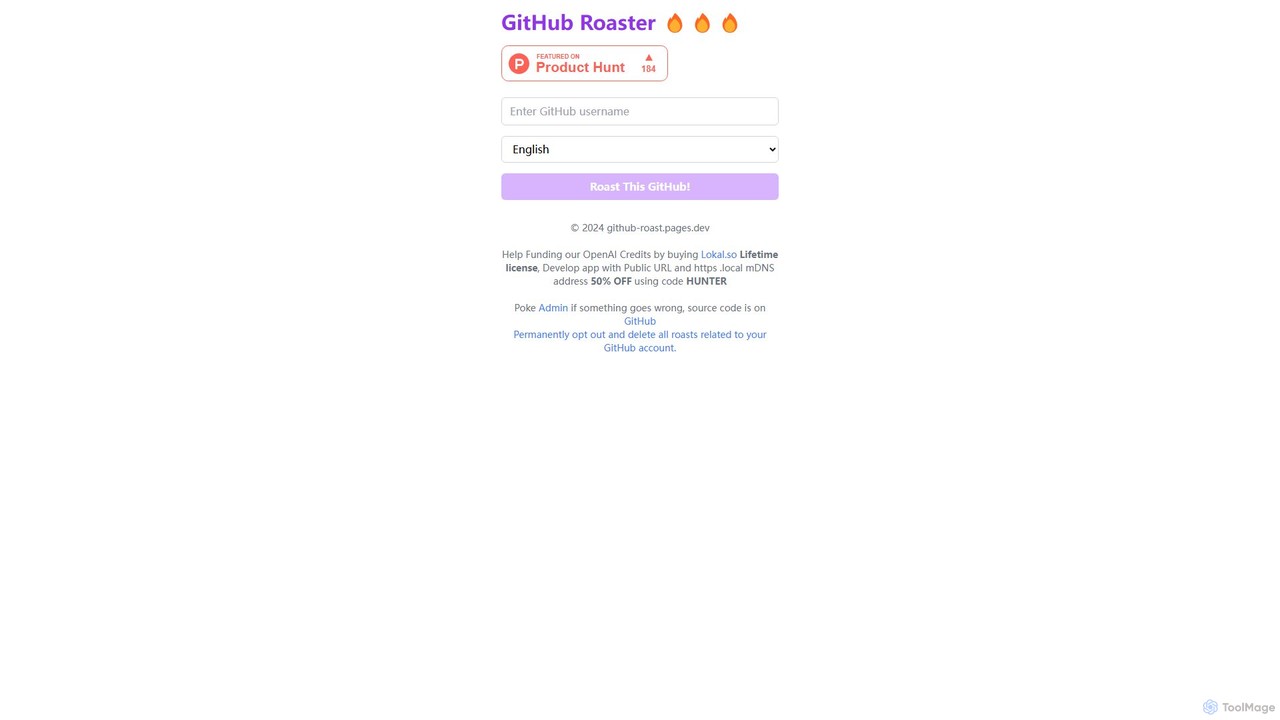
An AI-powered tool that generates humorous and witty roasts of any public GitHub profile. It analyzes a user's repositories, contribution history, and coding languages to create personalized, funny commentary in multiple languages. Perfect for developers with a sense of humor.

Profile Analysis
Visits 4.6KFavorites 129Likes 104

About Profile Analysis

Profile Analysis tools are a specialized category of developer utilities that use AI to automatically generate deep, data-driven user personas from raw user data. They leverage machine learning to analyze behavioral patterns, transactional history, and demographic information to create comprehensive user segments. This enables businesses to understand their audience with high accuracy, predict future behavior like churn, and personalize user experiences at scale. These tools go beyond traditional analytics by answering not just 'what' users did, but 'who' they are and 'why' they do it.

Core Features

  • Behavioral Clustering: Automatically groups users into meaningful segments based on their in-app actions and engagement levels.
  • Predictive Trait Inference: Estimates user demographics, interests, and psychographics from available data points.
  • Churn Prediction Modeling: Identifies users at high risk of leaving a service, allowing for proactive retention efforts.
  • Automated Persona Generation: Creates rich, narrative-driven user personas complete with goals, pain points, and typical behaviors.
  • Customer Lifetime Value (CLV) Forecasting: Predicts the future revenue potential of different user segments to guide investment.

Use Cases

These tools are invaluable for product managers, marketers, and data scientists in sectors like e-commerce, SaaS, gaming, and media. They are used to inform product roadmap decisions, create highly targeted marketing campaigns, personalize website content in real-time, and implement effective customer retention strategies.

How to Choose

When selecting a Profile Analysis tool, consider its data integration capabilities (e.g., CRM, analytics platforms), the accuracy and transparency of its predictive models, its compliance with data privacy regulations like GDPR and CCPA, and its scalability to handle your user base volume and data velocity.

Featured tool rankings

Profile Analysis use cases

1

Enhancing Marketing Campaign Personalization

A marketing manager for an e-commerce fashion brand uses an AI Profile Analysis tool to analyze customer purchase history and browsing behavior. The tool automatically identifies distinct personas like 'Bargain Hunters,' 'Luxury Shoppers,' and 'Seasonal Trend Followers.' Based on these data-driven profiles, the manager creates tailored email campaigns and ad creatives for each persona. This results in a significant uplift in click-through rates and sales by delivering messages that resonate directly with each segment's specific motivations and interests.

2

Informing Product Feature Prioritization

A product manager for a SaaS application needs to decide which new features to build for the next quarter. They use a profile analysis tool to segment users into 'Power Users,' 'Casual Users,' and 'New Trials.' By analyzing the behavior of the 'Power Users'—the most engaged and valuable segment—they discover that this group heavily uses a specific set of advanced functions. This insight provides a clear, data-backed justification to prioritize the development of features that enhance or expand upon that existing functionality, ensuring development resources are focused on what matters most to their best customers.

3

Proactively Reducing Customer Churn

A customer success team at a subscription-based software company wants to lower its monthly churn rate. They integrate their user activity data with a profile analysis tool that has a churn prediction model. The AI identifies patterns that precede cancellations, such as a sudden drop in usage frequency or ignoring new feature announcements. It then flags at-risk accounts. The success team can then proactively reach out to these specific users with targeted support, special offers, or training sessions, effectively intervening before the customer decides to cancel their subscription.

4

Improving UX/UI with Data-Driven Personas

A UX design team is tasked with redesigning a mobile banking app. Instead of relying on anecdotal evidence or generic market research, they use a profile analysis tool to generate several key user personas directly from the app's usage data. The tool creates detailed profiles like 'Savvy Investor,' 'Budget-Conscious Student,' and 'Small Business Owner,' each with distinct goals, behaviors, and pain points. The design team then uses these specific, data-validated personas to guide their design decisions, ensuring the new interface effectively serves the needs of their actual, primary user groups.

5

Dynamic Content Personalization on a Website

An online media company wants to increase user engagement and time spent on their site. They implement a profile analysis tool that integrates with their content management system (CMS). The tool analyzes a visitor's real-time browsing behavior and compares it to established user profiles. Based on the visitor's inferred interests (e.g., 'Technology Enthusiast' or 'Finance News Follower'), the website dynamically adjusts the homepage layout and article recommendations to display more relevant content. This real-time personalization leads to longer session durations and a higher number of articles read per visit.

6

Identifying New Market Segments

A data analyst at a mobile gaming company runs their entire user database through a profile analysis tool. While they expected to see their known segments like 'Competitive Players' and 'Casual Puzzlers,' the tool's clustering algorithm uncovers a new, unexpected segment: 'Social Decorators.' This group doesn't play competitively but spends significant time customizing their avatars and in-game homes, and frequently shares their creations. This discovery allows the company to develop new features and monetization strategies, such as selling exclusive decorative items, specifically targeting this previously invisible but valuable user group.

Profile Analysis FAQ

What is AI Profile Analysis?

AI Profile Analysis is the use of machine learning algorithms to automatically analyze user data and create detailed, actionable user profiles or personas. Unlike manual methods, it can process vast datasets to uncover subtle patterns in user behavior, demographics, and interactions. Key features include identifying user segments, predicting future actions like purchasing or churning, and inferring user characteristics. This enables businesses to gain a deep, scalable understanding of their customer base for personalization and strategic decision-making.

How does AI Profile Analysis differ from traditional web analytics?

Traditional web analytics tools, like Google Analytics, primarily focus on answering 'what' happened—such as page views, bounce rates, and conversion events. AI Profile Analysis tools aim to answer 'who' the users are and 'why' they perform those actions. Key differences include:

  • Focus: Analytics reports on aggregate actions, while profile analysis creates individual or group personas.
  • Output: Analytics provides dashboards and reports of past events. Profile analysis generates predictive insights, segments, and churn scores.
  • Goal: The goal of analytics is often monitoring and reporting. The goal of profile analysis is deep user understanding for proactive personalization and product strategy.
In short, web analytics tells you what paths users took, while profile analysis tells you about the travelers themselves.

How do you choose the right Profile Analysis tool?

Choosing the right tool depends on your specific needs. Consider these key factors:

  • Data Integration: Can the tool easily connect to your existing data sources, such as your CRM, data warehouse, and analytics platforms?
  • Model Transparency: Does the tool explain how it arrives at its conclusions (e.g., which factors contribute to a churn score)? 'Black box' models can be difficult to trust and act upon.
  • Scalability: Can the platform handle the volume of your user data and scale as your user base grows?
  • Privacy & Compliance: Does the tool adhere to data privacy regulations like GDPR and CCPA, and does it offer features for data anonymization?
  • Actionability: How easy is it to use the insights? Does it integrate with marketing automation or personalization engines to put the profiles to work?

What kind of data is needed for AI Profile Analysis?

The quality of AI profile analysis heavily depends on the data you provide. While specific requirements vary by tool, a robust analysis typically requires a combination of data types:

  • Behavioral Data: This is often the most important. It includes user actions within your app or website, such as clicks, features used, session length, and frequency of visits.
  • Transactional Data: For e-commerce or subscription services, this includes purchase history, subscription tier, average order value, and payment methods.
  • Demographic Data: Information like age, location, and language, which can be provided by the user or inferred.
  • Customer Feedback: Data from support tickets, surveys, and reviews can add qualitative context to quantitative behaviors.
The more diverse and comprehensive the data sources, the more accurate and nuanced the resulting user profiles will be.

Who benefits most from using Profile Analysis tools?

Profile Analysis tools offer value across various roles within a data-driven organization. The primary beneficiaries are typically:

  • Product Managers: They use the insights to understand user needs, prioritize features, and build better product roadmaps based on how different segments interact with the product.
  • Marketers: They leverage detailed personas and segments to create highly targeted and personalized campaigns, improving ROI and customer engagement.
  • UX/UI Designers: They use data-validated personas to design user flows and interfaces that cater to the actual behaviors and goals of key user groups.
  • Data Scientists & Analysts: They use these tools to accelerate the process of user segmentation and predictive modeling, freeing up time for more complex strategic analysis.