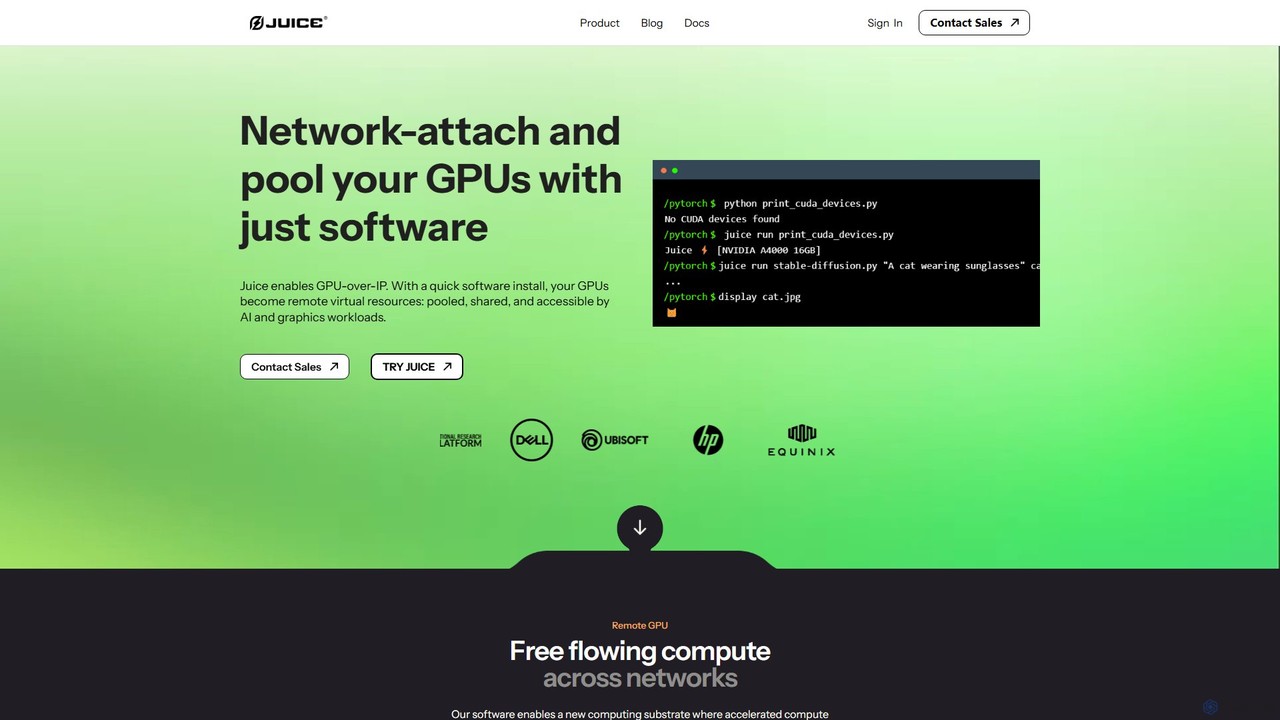
AI Resource Management tools are a class of developer utilities that use artificial intelligence to automate and optimize the allocation, monitoring, and scaling of computational resources. These tools leverage machine learning models to analyze usage patterns, predict future demand, and identify cost-saving opportunities in cloud environments. Their primary value lies in enhancing system reliability, reducing operational overhead, and significantly cutting cloud infrastructure costs. Within the developer tool ecosystem, they act as an intelligent layer for managing complex, dynamic infrastructures like Kubernetes and microservices.
Core Features
- Predictive Autoscaling: Analyzes historical data to proactively adjust resources, preventing performance bottlenecks during traffic spikes.
- Cost Optimization & Anomaly Detection: Continuously scans for underutilized assets and flags unusual spending patterns to prevent budget overruns.
- Automated Provisioning: Generates and refines Infrastructure-as-Code (IaC) configurations to ensure optimal and secure deployments.
- Performance Root Cause Analysis: Uses AI to correlate metrics and logs, quickly identifying the source of performance issues or system failures.
Use Cases
These tools are primarily used by DevOps engineers, Site Reliability Engineers (SREs), and cloud architects managing large-scale infrastructure on platforms like AWS, Google Cloud, and Azure. They are particularly effective in environments with fluctuating workloads, such as e-commerce platforms, SaaS applications, and data processing pipelines, where manual resource management is inefficient and error-prone.
How to Choose
When selecting an AI Resource Management tool, consider its integration capabilities with your specific cloud providers and technology stack (e.g., Kubernetes, Terraform). Evaluate the level of automation it offers—whether it provides recommendations or executes changes autonomously. Also, assess its analytical depth for cost and performance optimization, and compare pricing models, such as percentage of savings or per-resource fees.