ToolMage
Sign in

Best 11 Security AI tools for Developer Tools

Popular Security AI tools in Developer Tools include codegate, Qodex, Hoop.dev, Oso, Permit.io, Pangea, ClawSecure, Npmscan, Domainoptic, and PassGenZ, helping you work more efficiently.

Freemium

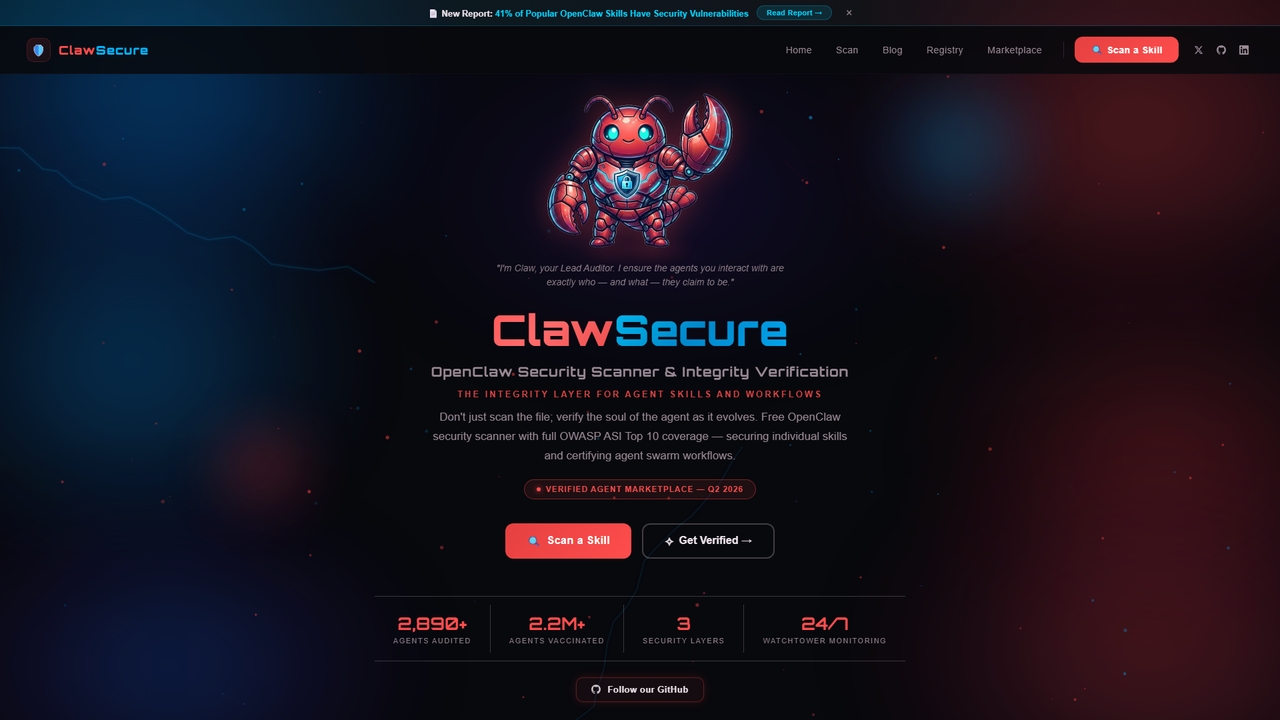
ClawSecure

ClawSecure is an AI agent security platform providing a free scanner and integrity verification layer for OpenClaw skills and workflows. It uses a proprietary 3-Layer Audit Protocol with full OWASP ASI Top 10 coverage to detect threats like prompt injection, ClawHavoc malware, and supply chain vulnerabilities, securing the agentic ecosystem for users, creators, and platforms.

Ai Agent
Visits 7.5KFavorites 11Likes 11
Free

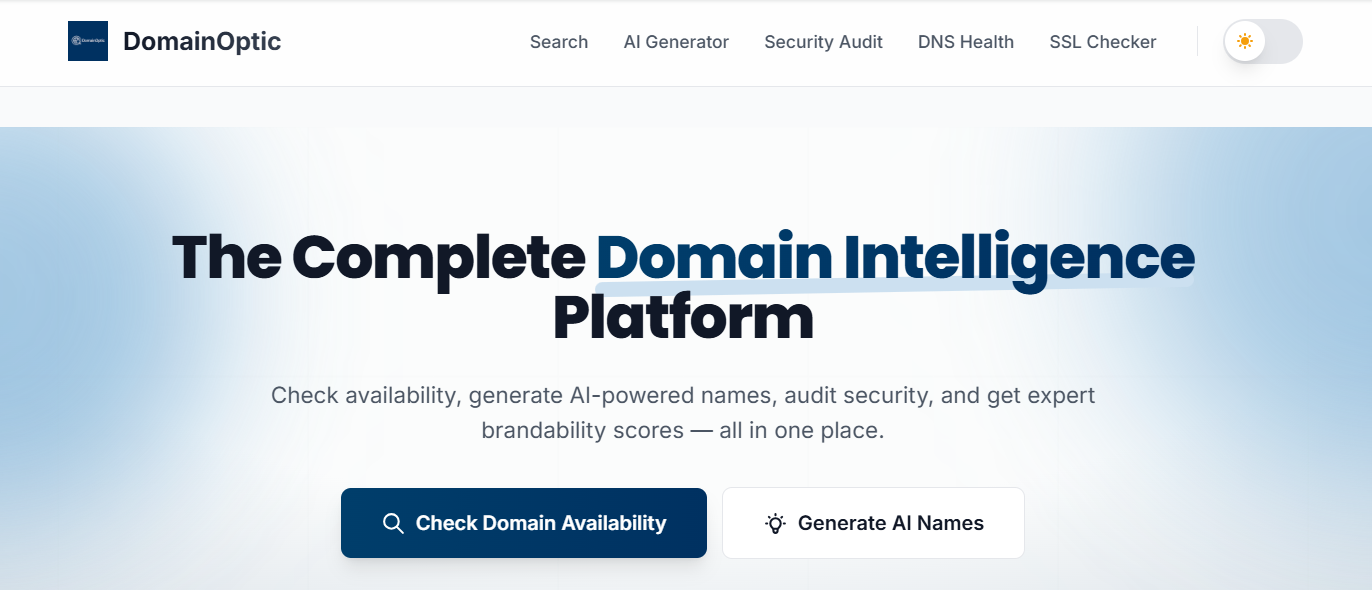
Domainoptic

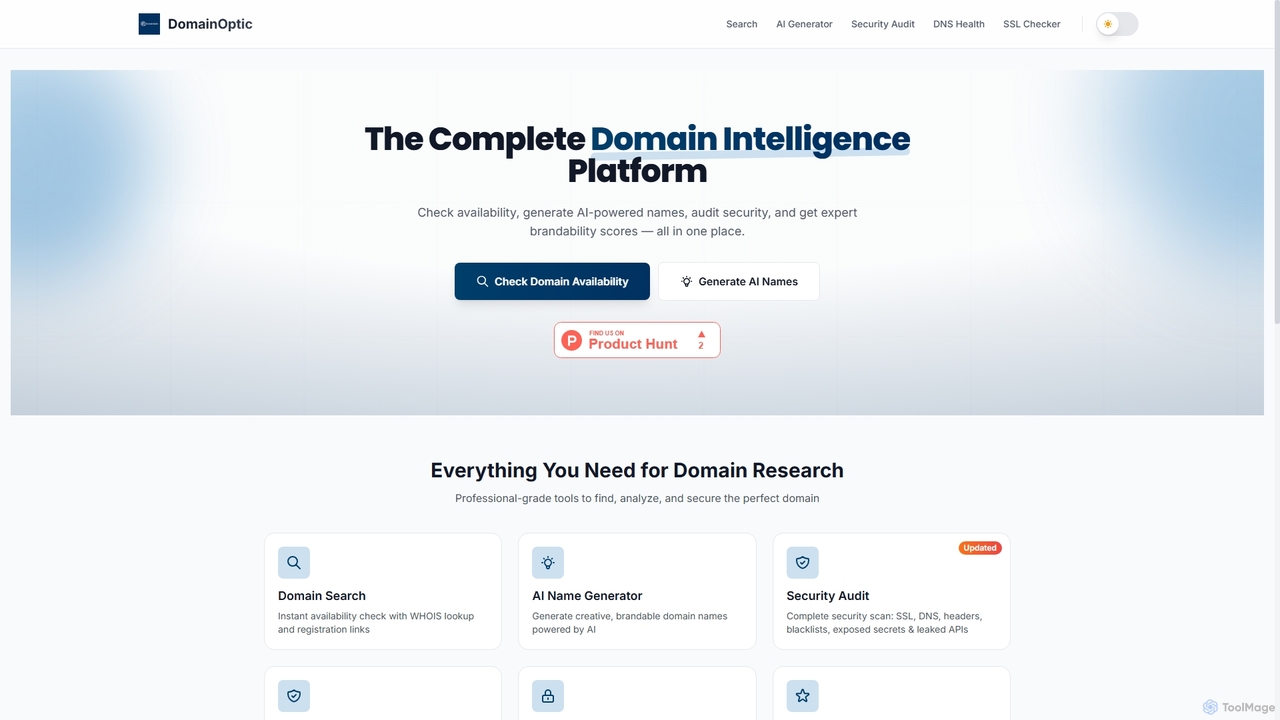
DomainOptic is a comprehensive domain intelligence platform offering a suite of free tools. It features an AI-powered name generator, instant domain availability checker with WHOIS lookup, in-depth security audits, DNS health analysis, and a unique brandability scoring system to help you find, analyze, and secure the perfect domain.

Security
Visits 3.6KFavorites 89Likes 90
Freemium

Npmscan

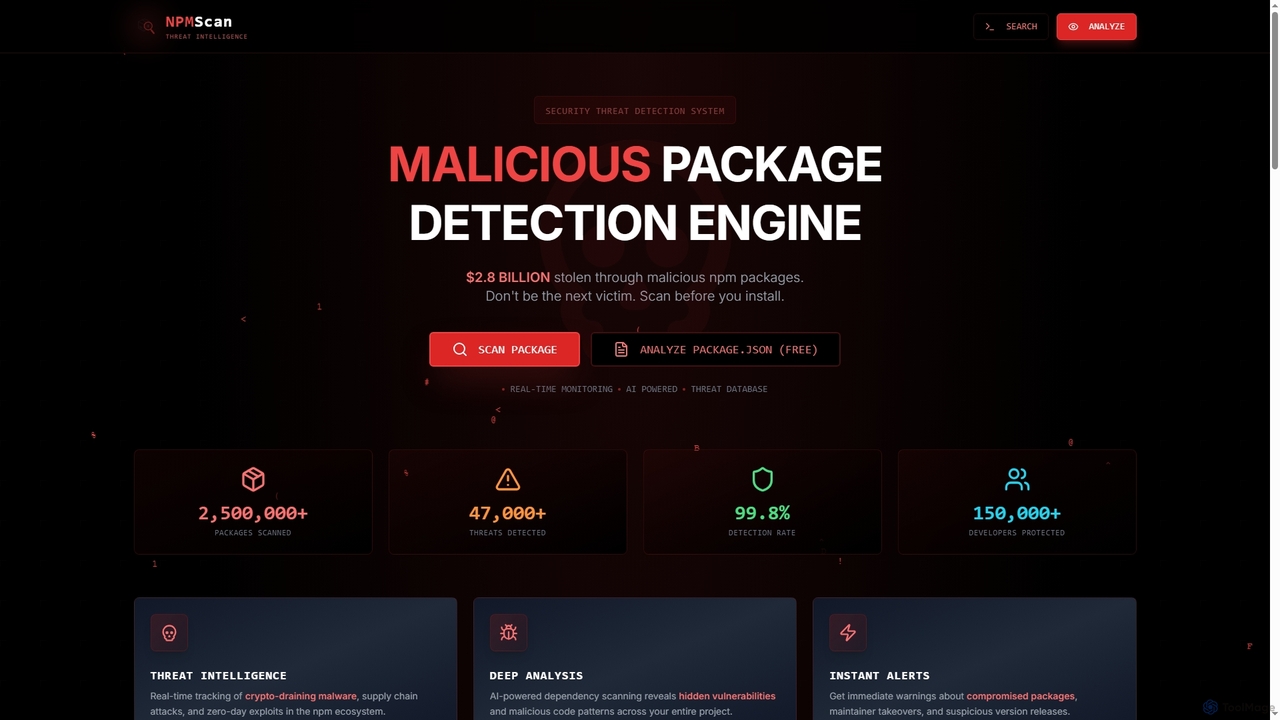
Npmscan is an AI-powered security scanner designed to protect developers from malicious npm packages. It provides real-time threat detection, deep dependency analysis, and instant alerts to prevent supply chain attacks, crypto-draining malware, and other vulnerabilities.

Security
Visits 4.9KFavorites 116Likes 114
Freemium

Hoop.dev

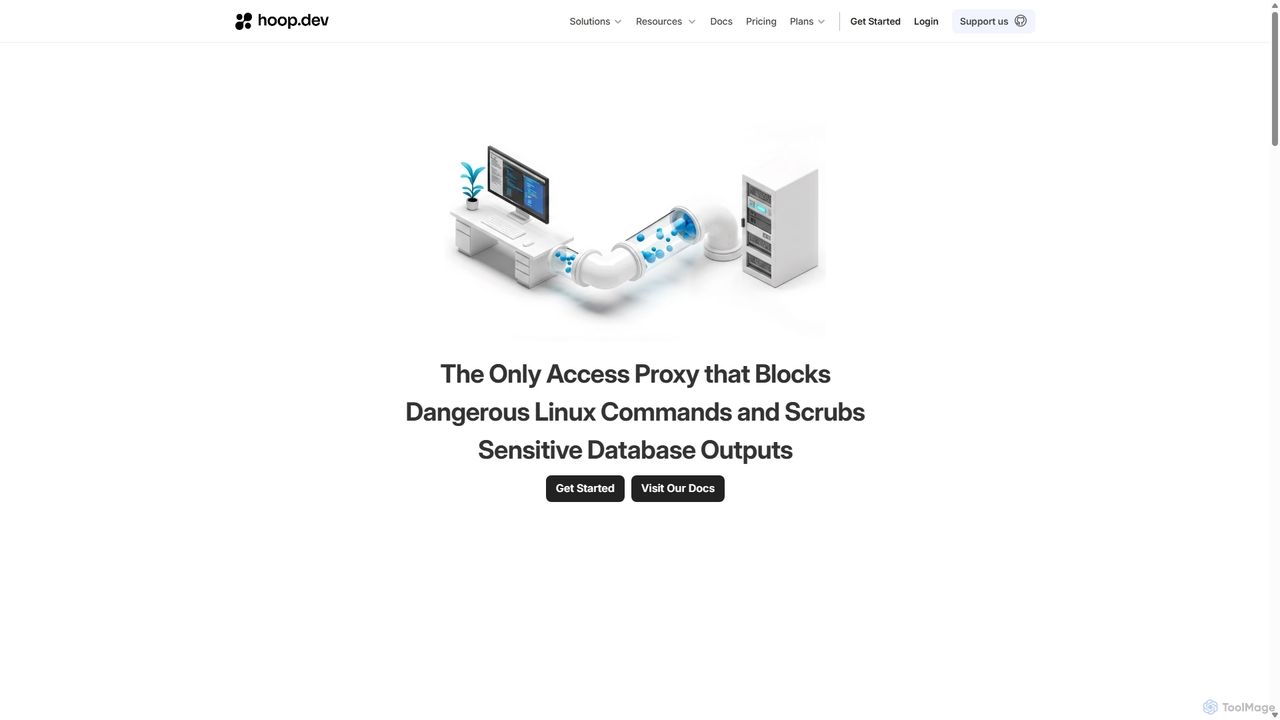
Hoop.dev is an AI-powered access gateway providing developers with invisible security and admins with command-line control. It offers secure, auditable access to databases and servers, featuring real-time AI data masking, session recording, and streamlined approval workflows to enhance security without disrupting productivity.

Security
Visits 85.2KFavorites 132Likes 135
Freemium

Permit.io

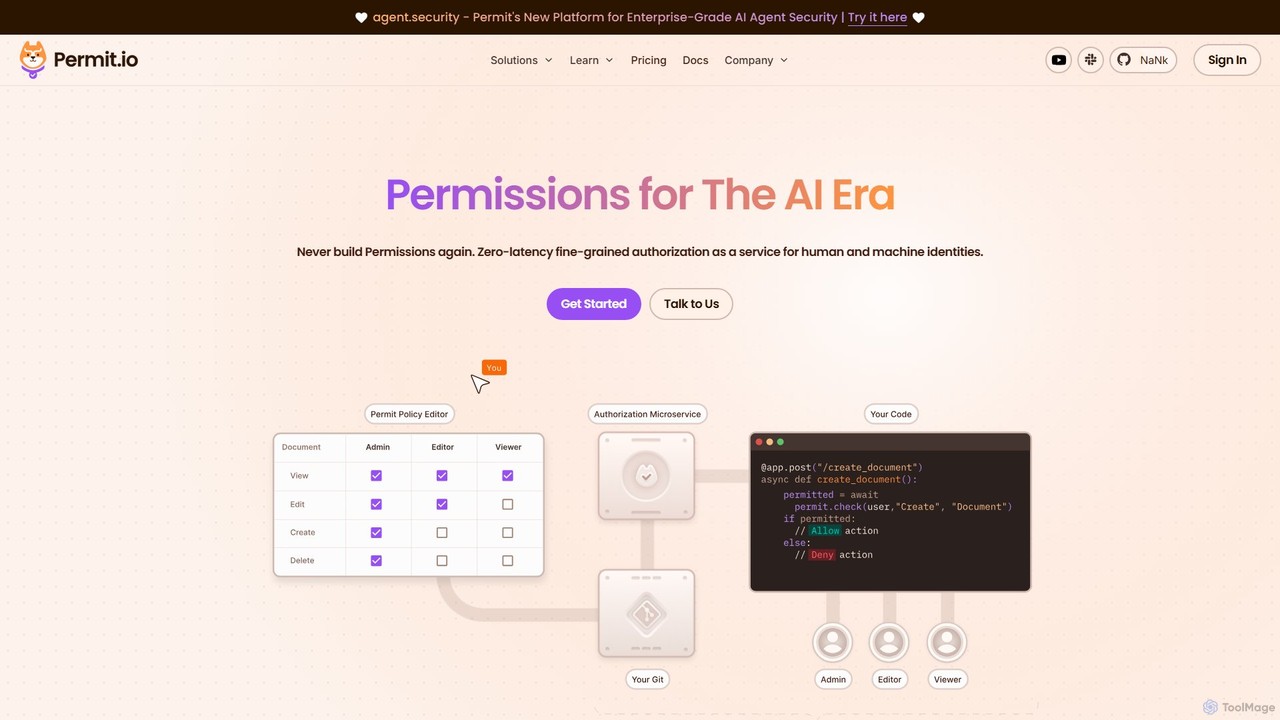
Permit.io is a full-stack authorization platform designed for the AI era. It simplifies the implementation of complex access controls like RBAC, ABAC, and ReBAC for developers. With a no-code policy editor, GitOps integration, and embeddable UI components, it allows entire teams to manage permissions securely and efficiently. The platform ensures low-latency decisions by running in a hybrid model, keeping sensitive data within your network while offering robust compliance and scalability for modern applications, including those powered by AI agents.

Security
Visits 61.3KFavorites 94Likes 90
Free

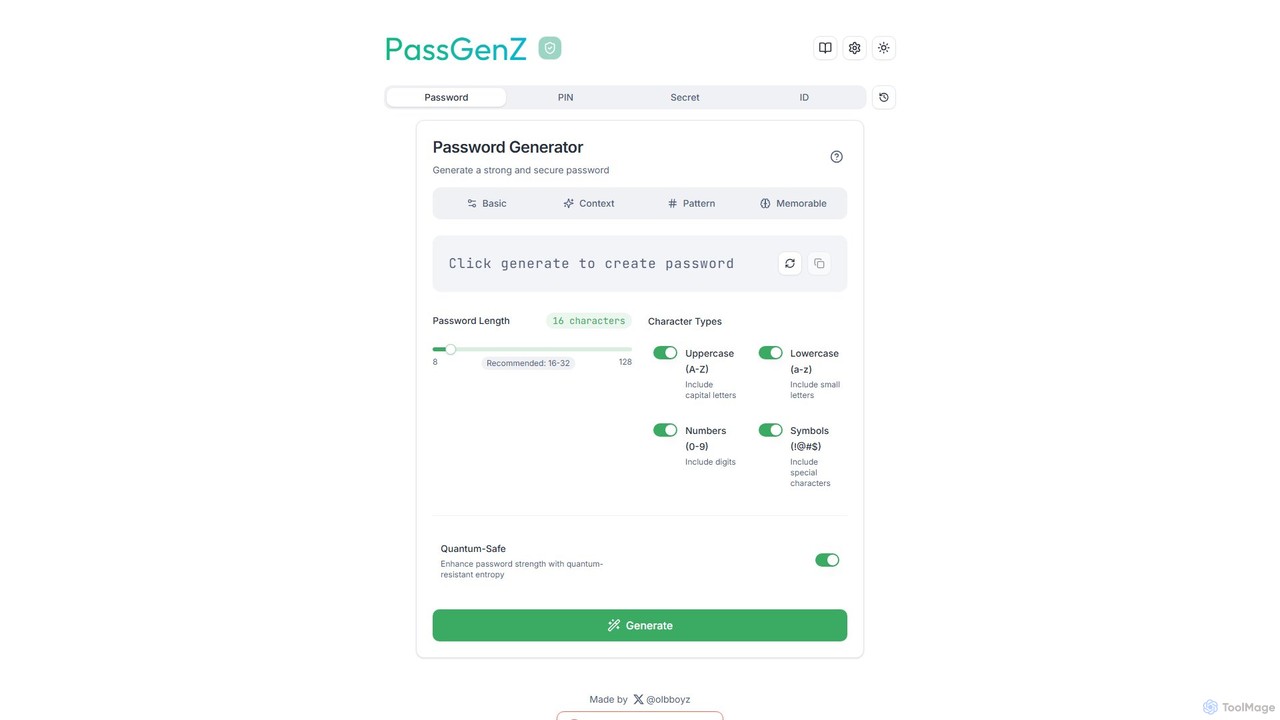
PassGenZ

PassGenZ is a free, advanced online password generator that creates strong, secure, and customizable passwords. It features multiple generation modes, including memorable passphrases and a unique quantum-safe option for future-proof security. Generate passwords, PINs, and secret IDs instantly in your browser with a focus on privacy and security.

Security
Visits 3.5KFavorites 99Likes 108
Freemium

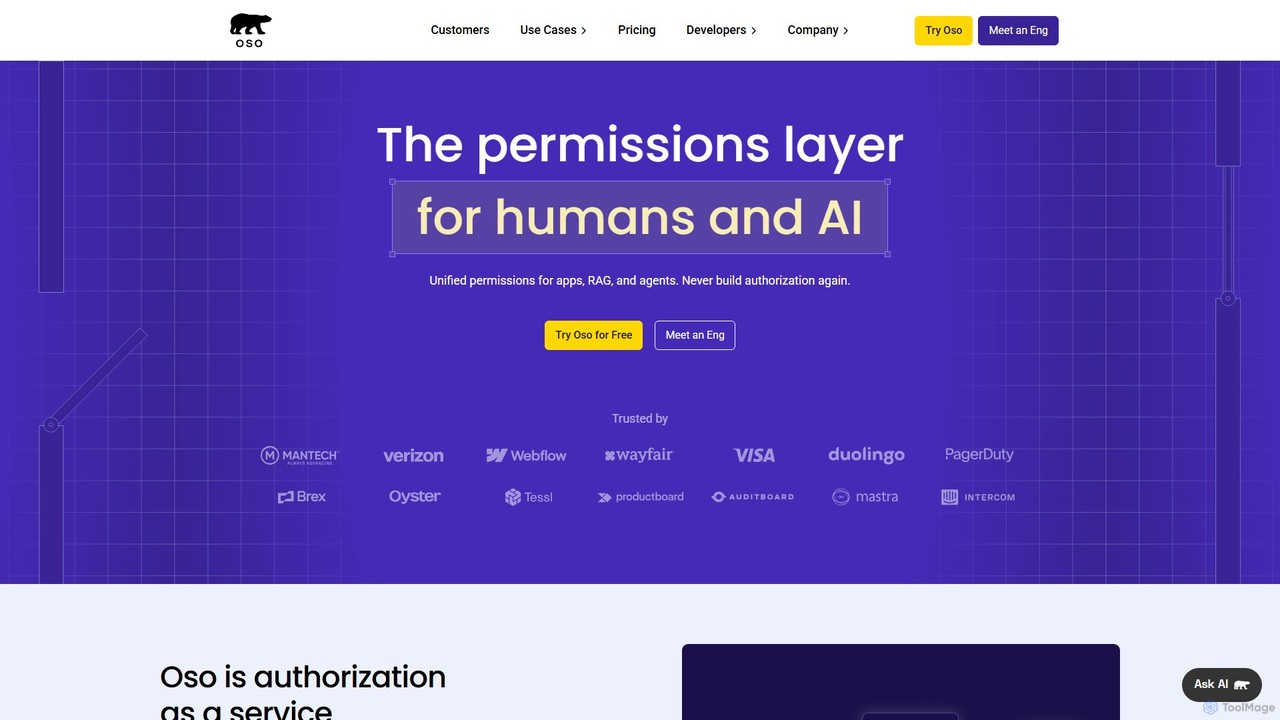
Oso

Oso is an Authorization as a Service platform for developers. It simplifies the implementation of complex access control logic like RBAC, ReBAC, and ABAC. Using its declarative policy language, Polar, engineering teams can quickly build and enforce fine-grained permissions for any application, including modern AI-native apps with agentic workflows and RAG systems, accelerating development and enhancing security.

Security
Visits 62.8KFavorites 81Likes 68
Freemium

oso.ai

oso.ai is an AI-powered authorization platform that helps developers build, manage, and enforce fine-grained access control. It simplifies complex security policies using natural language, intelligent automation, and a flexible policy engine.

Compliance
Visits 3.4KFavorites 107Likes 97
Freemium

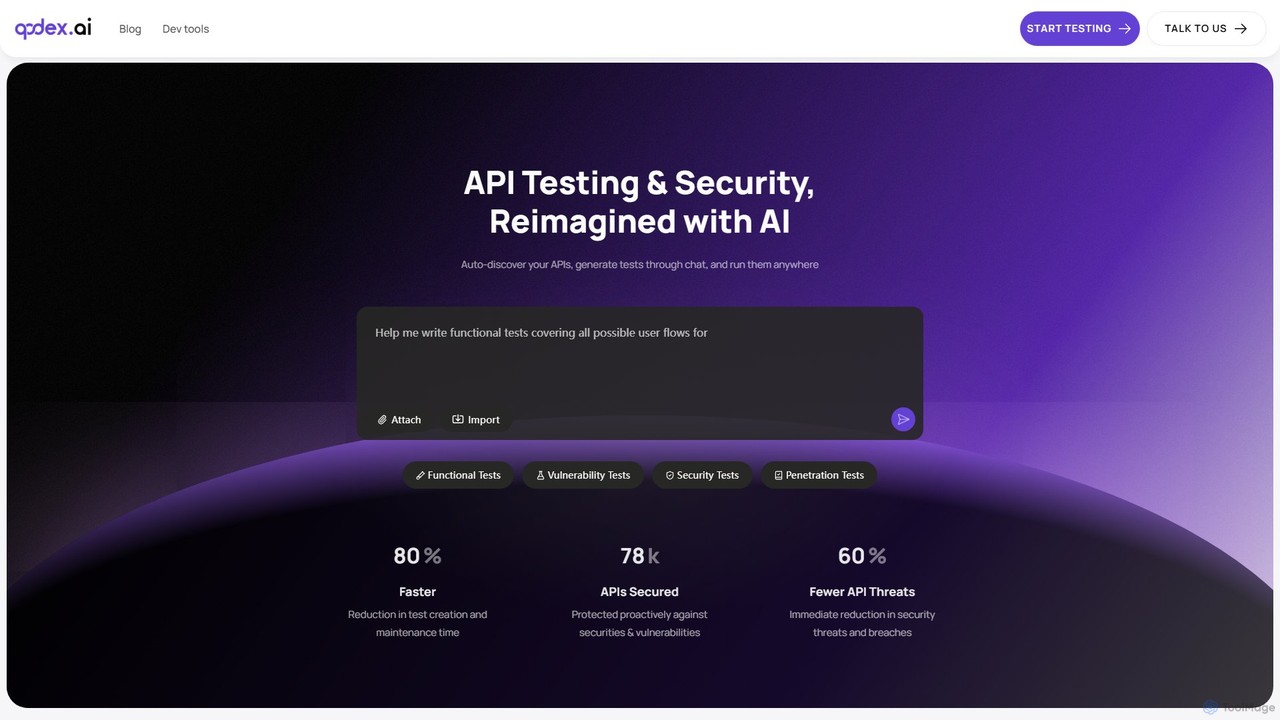
Qodex

Qodex is an AI-powered platform that simplifies and accelerates API testing and security. It automatically discovers your APIs, generates comprehensive tests from plain English prompts, and integrates seamlessly into your developer workflow. Reduce test creation time by 80% and ship bug-free software faster.

Security
Visits 107.8KFavorites 120Likes 129
Freemium

Pangea

Pangea is a developer-first platform offering a suite of API-based security services. It provides essential security guardrails for web and AI applications, enabling developers to easily embed features like secure audit logging, data redaction, threat intelligence, and authentication. Pangea is designed to accelerate development while ensuring applications are secure and compliant from the start.

Security
Visits 14.9KFavorites 142Likes 130

About Security

AI Security tools are a class of developer utilities that leverage artificial intelligence to proactively identify, analyze, and mitigate security vulnerabilities. These tools integrate machine learning models to scan code, monitor application behavior, and detect threats with greater accuracy than traditional rule-based systems. They empower developers to embed security directly into the development lifecycle (DevSecOps), automating complex tasks and reducing the time to remediate critical issues. This approach helps build more resilient and secure software from the ground up.

Core Features

  • Intelligent Code Analysis: Utilizes AI to perform deep static (SAST) and dynamic (DAST) analysis, identifying complex vulnerabilities and logical flaws in code.
  • Real-time Threat Detection: Employs machine learning models to monitor application logs and network traffic for anomalous patterns and zero-day threats.
  • Vulnerability Prioritization: Automatically assesses and ranks vulnerabilities based on context, exploitability, and potential business impact, focusing developer efforts.
  • Automated Security Testing: Simulates sophisticated cyberattacks using AI agents to proactively discover and patch security weaknesses in applications and APIs.

Applicable Scenarios

These tools are essential for DevSecOps teams aiming to integrate continuous security into their CI/CD pipelines. They are also widely used by application security (AppSec) specialists for advanced threat hunting and by software developers working on critical applications in sectors like finance, healthcare, and e-commerce, where data security is paramount.

How to Choose

When selecting an AI Security tool, consider its integration capabilities with your existing development stack (IDE, CI/CD, repositories). Evaluate its detection accuracy, specifically the rates of false positives and negatives. Ensure it supports the programming languages and frameworks your team uses. Finally, assess its reporting features and ability to help meet compliance standards like GDPR, HIPAA, or PCI DSS.

Featured tool rankings

Security use cases

1

Automate Code Security Reviews in CI/CD Pipelines

A DevOps engineer integrates an AI security tool directly into their continuous integration/continuous delivery (CI/CD) pipeline. For every code commit, the tool automatically performs a comprehensive security scan. It uses machine learning to identify not just known vulnerabilities but also potential zero-day exploits and complex logical flaws. If a critical issue is found, the build is automatically failed, and a detailed report with remediation suggestions is sent to the developer. This process shifts security left, preventing vulnerabilities from ever reaching production and saving significant remediation time.

2

Detect Anomalous Behavior in Live Applications

A Security Operations (SecOps) team deploys an AI security tool to monitor a high-traffic e-commerce application. The tool establishes a baseline of normal user and system behavior by analyzing logs, API calls, and network traffic. When it detects a deviation from this baseline—such as an unusual sequence of API requests or a user accessing data from a new geographic location at an odd hour—it immediately flags it as a potential threat. This allows the team to investigate and respond to sophisticated attacks, like credential stuffing or insider threats, in real-time before a major breach occurs.

3

Prioritize Critical Vulnerability Remediation

An application security (AppSec) manager is faced with a backlog of thousands of vulnerabilities identified by various scanners. Using an AI security tool, they can automatically enrich this data. The AI analyzes each vulnerability's context, including its location in the code, its accessibility from the internet, and whether an active exploit exists in the wild. It then generates a prioritized list, highlighting the 10-20% of vulnerabilities that pose a genuine, immediate risk to the business. This enables the development team to focus their limited resources on fixing what matters most, drastically reducing the organization's risk exposure.

4

Secure APIs Against Sophisticated Attacks

A backend developer is responsible for a suite of public-facing APIs that handle sensitive customer data. They use an AI-powered API security tool that goes beyond simple rate limiting. The tool learns the specific logic and expected data flow for each API endpoint. It can then detect and block attacks that exploit business logic flaws, broken object-level authorization (BOLA), and other OWASP API Top 10 threats that traditional Web Application Firewalls (WAFs) often miss. This ensures the integrity and confidentiality of the data transmitted through the APIs.

5

Simulate Realistic Attacks for Penetration Testing

A penetration testing team uses an AI-driven platform to augment their manual testing efforts. They define the target application and business goals, and the AI autonomously explores the application, identifies potential attack vectors, and attempts to exploit them. The AI can simulate the behavior of a human attacker, chaining together multiple low-severity vulnerabilities to create a high-impact exploit path. This provides a more comprehensive and continuous assessment of the application's security posture than periodic manual tests alone.

6

Generate Secure Code with an AI Assistant

A junior developer is building a new feature that requires handling user-submitted data. They use an AI-powered coding assistant integrated into their IDE. As they write code, the assistant provides real-time security feedback, flagging potential vulnerabilities like SQL injection or Cross-Site Scripting (XSS). It not only highlights the insecure code but also suggests a secure, corrected version. This serves as an interactive learning tool, helping the developer write more secure code from the start and embedding security best practices into their daily workflow.

Security FAQ

What are AI Security tools for developers?

AI Security tools are advanced software solutions that use artificial intelligence, particularly machine learning, to help developers find, fix, and prevent security vulnerabilities in their code and applications. Unlike traditional tools that rely on fixed rules and signatures, AI-powered tools can learn from vast datasets of code and attack patterns to identify novel and complex threats. They are designed to integrate seamlessly into the development workflow, a practice known as DevSecOps.

How do AI Security tools differ from traditional static analysis (SAST) tools?

The primary difference lies in their detection methods and accuracy. Traditional SAST tools use a predefined set of rules to scan for known vulnerability patterns, which can lead to a high number of false positives and miss complex, context-dependent flaws. AI Security tools use machine learning models trained on millions of vulnerabilities to understand the code's context and logic. This allows them to:

  • Identify novel and zero-day vulnerabilities.
  • Drastically reduce false positives by understanding developer intent.
  • Prioritize findings based on actual risk and exploitability.

How do I choose the right AI Security tool?

Choosing the right tool depends on your team's specific needs. Consider these key factors:

  • Workflow Integration: Does it integrate smoothly with your IDE, source code repository (e.g., GitHub, GitLab), and CI/CD pipeline?
  • Language and Framework Support: Does it cover your entire technology stack?
  • Accuracy and Prioritization: Ask for benchmarks on false positive/negative rates and evaluate how well it prioritizes critical vulnerabilities.
  • Remediation Guidance: Does it provide clear, actionable advice for developers to fix the identified issues?

What are the main benefits of integrating AI into security?

Integrating AI into security provides several key benefits for development teams. It automates the time-consuming process of manual code reviews, allowing for faster development cycles. It improves threat detection accuracy, finding subtle vulnerabilities that older tools would miss. AI also excels at prioritizing risks, helping teams focus on the most critical issues first. Ultimately, it enables a proactive "shift-left" security culture where security is a shared responsibility from the start of the development process, not an afterthought.

Are AI Security tools difficult for developers to use?

Most modern AI Security tools are designed with developers in mind and aim for ease of use. They typically integrate directly into familiar environments like Visual Studio Code, JetBrains IDEs, or GitHub pull requests. The goal is to provide immediate, context-aware feedback without forcing developers to leave their workflow or become security experts. The best tools offer clear explanations and actionable code suggestions, making it simple to understand and fix vulnerabilities quickly.