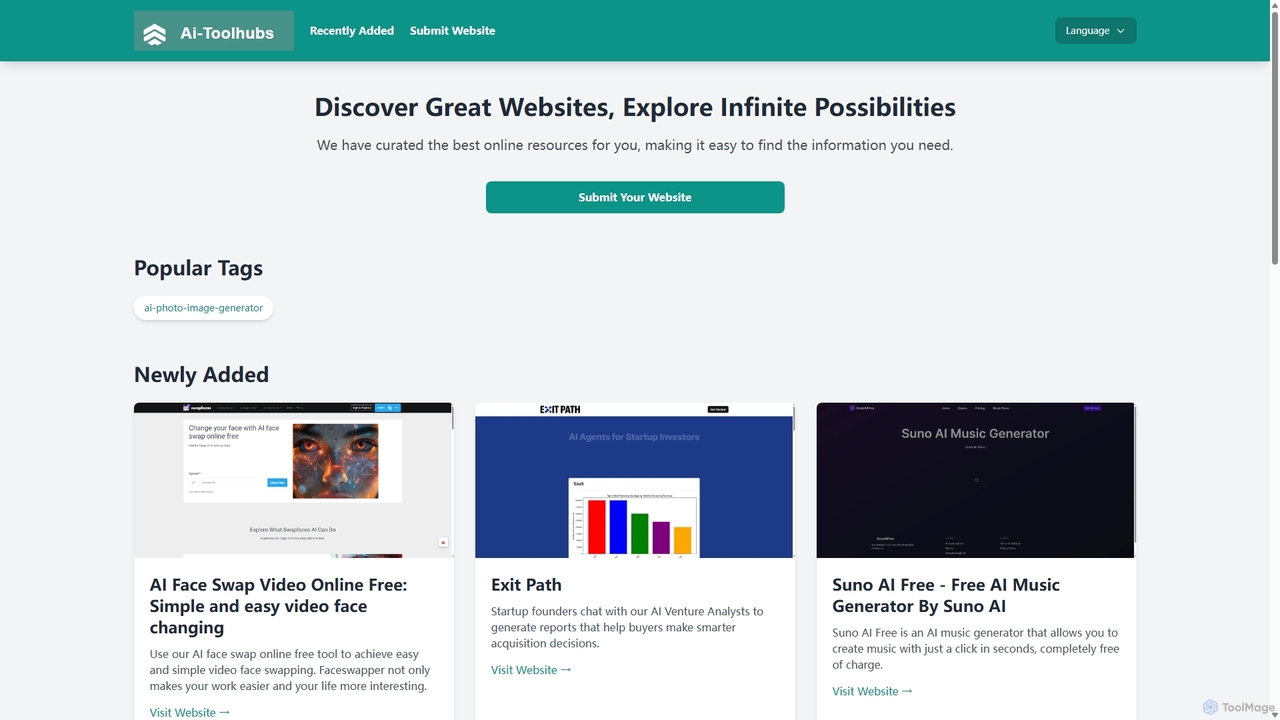
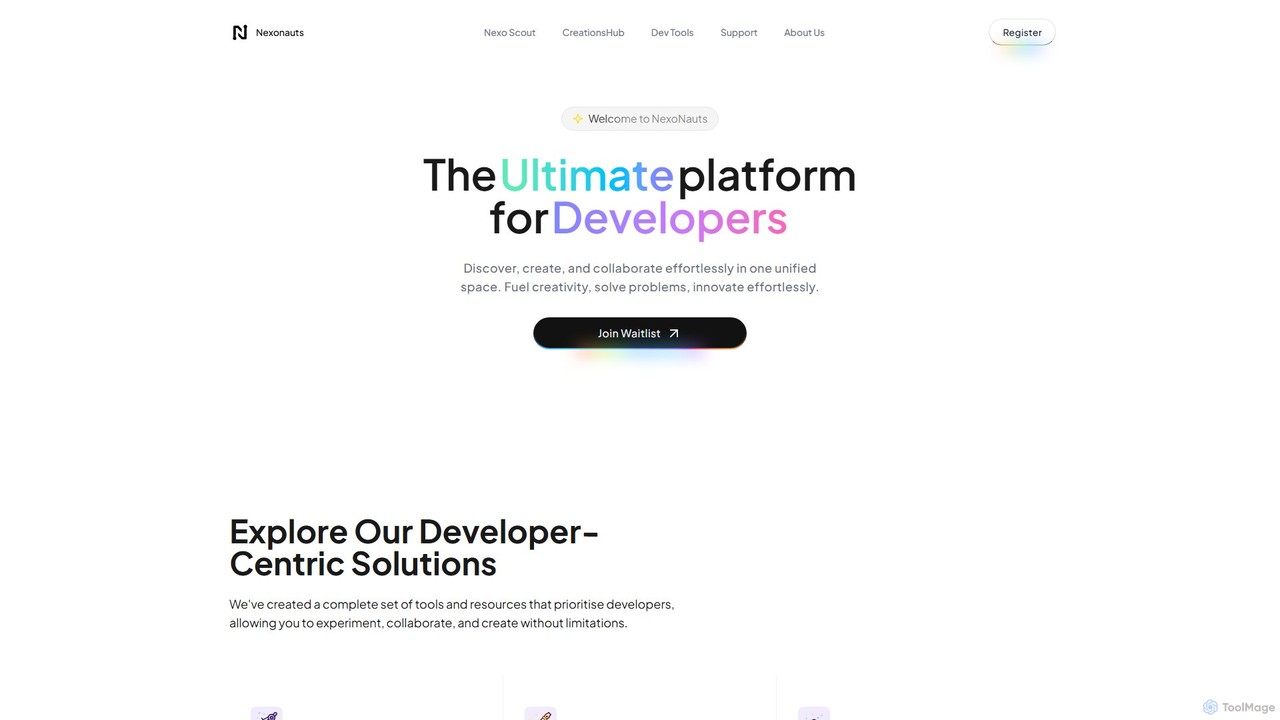
Tool Discovery platforms are a specialized category of developer tools designed to programmatically find, evaluate, and integrate APIs, SDKs, and other software components. These platforms function as machine-readable catalogs, utilizing structured metadata and semantic search to allow applications and developers to discover tools based on functionality rather than just names. Their primary value lies in accelerating development cycles, improving the quality of technology stack decisions, and enabling automation in software integration. They are crucial for building dynamic systems like AI agents and internal developer platforms.
Core Features
- API-First Access: Provides a robust API for programmatic searching, filtering, and retrieving detailed tool information, enabling automation.
- Semantic Search & Filtering: Allows searching for tools based on their function (e.g., 'image recognition API') and filtering by technical criteria like programming language, protocol, or license.
- Rich Technical Metadata: Offers in-depth data for each tool, including endpoints, authentication methods, SDK availability, pricing models, and documentation quality scores.
- Compatibility Analysis: Helps developers verify if a tool is compatible with their existing technology stack, operating system, or specific library versions.
Use Cases
Tool Discovery platforms are primarily used by software developers, DevOps engineers, and platform engineering teams. They are essential in microservices architectures for finding appropriate services, within large enterprises for building Internal Developer Platforms (IDPs) that govern tool usage, and in the development of autonomous AI agents that need to dynamically select and use external tools to accomplish tasks.
How to Choose
When selecting a Tool Discovery platform, consider the breadth and freshness of its tool index. Evaluate the power and flexibility of its API and search capabilities. Assess the depth and accuracy of the technical metadata provided, as this is critical for automation. Finally, consider its integration capabilities with your existing development environments, such as IDEs, CI/CD pipelines, or infrastructure-as-code tools.