Developer Tools Best in category 1 results Website Security AI Tool

Popular AI tools in the Website Security field of Developer Tools include HCaptcha, etc., helping you quickly improve efficiency.

HCaptcha

HCaptcha

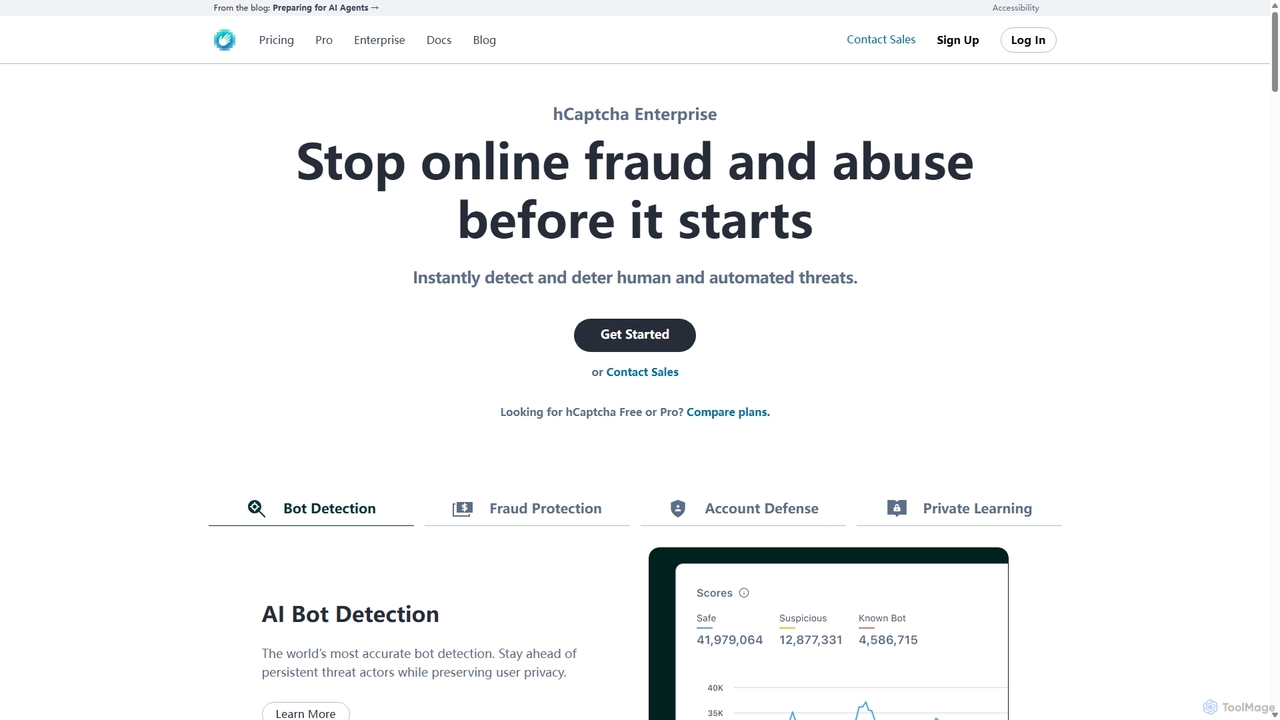
hCaptcha is a leading AI-powered security solution designed to protect websites and online services from bots, fraud, and …

4.3M

About Website Security

Website Security tools are AI-powered solutions designed to protect web applications, servers, and online data from a wide array of cyber threats. Leveraging machine learning and advanced analytics, these tools proactively identify vulnerabilities, monitor real-time traffic for anomalies, and automate responses to malicious activities. They ensure the integrity, confidentiality, and availability of websites, safeguarding user data and maintaining business continuity.

Core Features

  • Automated Vulnerability Scanning: Continuously scans web applications and infrastructure for known and emerging security weaknesses.
  • Real-time Threat Detection: Utilizes AI to analyze traffic patterns and identify suspicious behavior, such as SQL injection, XSS, and bot attacks.
  • Web Application Firewall (WAF): Protects web applications from common web exploits by filtering and monitoring HTTP traffic between a web application and the Internet.
  • DDoS Protection: Mitigates distributed denial-of-service attacks by filtering malicious traffic and ensuring legitimate users can access the website.
  • Security Information and Event Management (SIEM): Collects and analyzes security alerts from various sources to provide a centralized view of an organization's security posture.

Applicable Scenarios

Website Security tools are essential for any organization with an online presence. E-commerce platforms rely on them to protect customer data and transaction integrity. SaaS providers use them to secure their applications and APIs, ensuring service uptime and data privacy. Corporate websites and government portals deploy these tools to defend against data breaches, defacement, and maintain public trust.

How to Choose

When selecting a Website Security solution, consider its threat detection accuracy and false positive rate, ensuring it effectively identifies real threats without disrupting legitimate traffic. Evaluate its integration capabilities with your existing development and operational workflows, such as CI/CD pipelines. Assess its scalability to handle traffic fluctuations and its compliance features for industry regulations like GDPR or PCI DSS. Finally, review the ease of management and the level of support provided.

Website SecurityUse Cases

1

Automated Vulnerability Scanning for New Deployments

A development team integrating new features into their e-commerce platform uses AI-powered website security tools to automatically scan code and infrastructure for vulnerabilities before deployment. This proactive approach identifies potential security flaws like misconfigurations or insecure dependencies early in the CI/CD pipeline, preventing them from reaching production and significantly reducing the risk of exploitation and costly post-launch fixes.

2

Real-time Protection Against Web Attacks

An online banking service employs AI-driven Web Application Firewalls (WAFs) to provide real-time protection against sophisticated web attacks. The WAF continuously analyzes incoming traffic for patterns indicative of SQL injection, cross-site scripting (XSS), and other OWASP Top 10 threats. By leveraging machine learning, it adapts to new attack vectors, automatically blocking malicious requests and preventing unauthorized access to sensitive customer financial data, ensuring compliance and customer trust.

3

Mitigating Large-scale DDoS Attacks

A popular online gaming platform faces frequent distributed denial-of-service (DDoS) attacks aimed at disrupting service. They utilize AI-powered DDoS protection services that automatically detect and mitigate volumetric, protocol, and application-layer attacks. These tools analyze traffic patterns, identify malicious floods, and intelligently filter them out, ensuring that legitimate players can continue to access the game servers without interruption, even during peak attack periods.

4

Ensuring Regulatory Compliance and Audits

A healthcare provider managing patient portals must comply with strict regulations like HIPAA. They deploy AI-powered website security tools that offer continuous compliance monitoring and automated audit reporting. These tools track access logs, data flows, and security configurations, flagging any deviations from compliance standards. This ensures that sensitive patient data is protected according to legal requirements and simplifies the process of generating comprehensive audit reports for regulatory bodies.

5

Proactive Malware Detection and Removal

A web hosting company manages thousands of client websites, making manual malware detection impractical. They deploy AI-powered website security scanners that continuously monitor all hosted sites for malicious code, suspicious file changes, and potential infections. The AI quickly identifies new malware strains and automatically quarantines or removes infected files, protecting clients' reputations and preventing their sites from being blacklisted by search engines, ensuring a clean and secure hosting environment.

6

Securing API Endpoints for SaaS Applications

A SaaS company offering a critical business application needs to secure its API endpoints, which are frequently targeted by automated attacks. They use AI-powered API security tools that learn normal API usage patterns and detect anomalies indicative of brute-force attacks, data scraping, or unauthorized access attempts. This ensures that only legitimate requests are processed, protecting the integrity of the application's data and preventing service disruptions for their enterprise clients.

Website SecurityFrequently Asked Questions