Squidly
Squidly is a collaborative browser extension that allows teams to leave comments directly on any website, similar to …
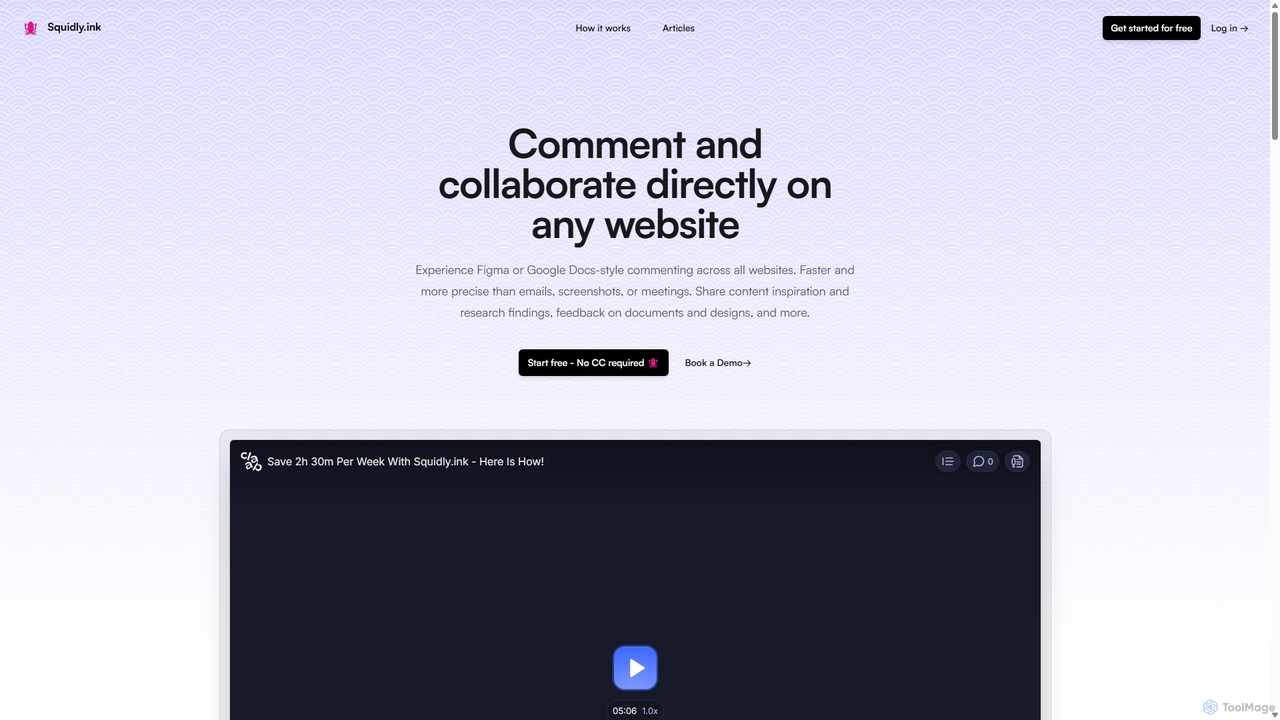
Squidly is a collaborative browser extension that allows teams to leave comments directly on any website, similar to Figma or Google Docs. It streamlines feedback, eliminates the need for screenshots and meetings, and centralizes all discussions in one dashboard for enhanced productivity in remote and asynchronous work environments.
About Bug Tracking
Bug Tracking tools are specialized software applications designed to identify, log, prioritize, assign, track, and resolve software defects throughout the development lifecycle. These tools provide a centralized system for managing issues, ensuring that no bug goes unnoticed and that development teams can efficiently address problems. By streamlining the defect management process, Bug Tracking tools are crucial for maintaining software quality and accelerating product delivery within the broader Development ecosystem.
Core Features
- Defect Logging & Reporting: Capture detailed information about bugs, including steps to reproduce, severity, and environment.
- Prioritization & Assignment: Categorize bugs by impact and urgency, then assign them to specific team members for resolution.
- Workflow Management: Define and automate the lifecycle of a bug, from discovery to verification and closure.
- Collaboration Tools: Facilitate communication among developers, QA, and product managers through comments and notifications.
- Reporting & Analytics: Generate insights into bug trends, resolution times, and team performance to improve processes.
Use Cases
Software development teams leverage these tools to manage defects found during testing, ensuring a systematic approach to quality assurance. QA engineers use them to meticulously document and track issues, while project managers rely on them to monitor progress and allocate resources effectively. This systematic approach helps prevent critical bugs from reaching end-users.
How to Choose
When selecting a Bug Tracking tool, consider its integration capabilities with existing development environments (IDEs, CI/CD pipelines) and project management platforms. Evaluate the flexibility of its workflow customization, the robustness of its reporting features, and its scalability to accommodate team growth. A user-friendly interface and strong collaboration features are also vital for team adoption and efficiency.
Bug TrackingUse Cases
Streamlining QA Testing Cycles
QA engineers and test leads utilize bug tracking tools to systematically identify, log, and monitor defects discovered during various testing phases. They can record detailed bug reports, attach relevant screenshots or log files, assign issues to developers, and track their resolution status, leading to faster bug fixes and improved test coverage.
Managing Post-Release Production Issues
DevOps engineers and support teams use these tools to handle critical bugs reported by users in live production environments. By integrating with monitoring systems, bug tracking tools can automatically create high-priority tickets, allowing teams to rapidly prioritize, escalate, and deploy hotfixes, thereby minimizing downtime and enhancing user satisfaction.
Facilitating Cross-Functional Team Collaboration
Project managers and development teams rely on bug tracking platforms to ensure seamless communication and coordination among developers, QA, product managers, and other stakeholders. The centralized platform allows for all bug-related discussions, status updates, and documentation to be shared transparently, reducing communication overhead and accelerating project delivery.
Prioritizing Development Backlog
Product owners and Scrum masters integrate bug tracking with their broader project management systems to effectively prioritize bug fixes alongside new feature development. By assigning severity and priority levels to defects, teams can strategically allocate resources and plan sprints to address the most critical issues first, balancing stability with innovation.
Tracking Compliance and Audit Trails
Compliance officers and security leads use bug tracking tools to maintain a verifiable record of all identified and resolved security vulnerabilities or compliance-related defects. The detailed audit logs for each bug's lifecycle—including who reported, who fixed, when, and what changes were made—ensure regulatory adherence and simplify auditing processes.
Enhancing Software Release Quality
Release managers and QA managers leverage bug tracking tools to ensure that all critical and major bugs are resolved before a software release. Through comprehensive reporting and customizable dashboards, they can monitor bug resolution rates, identify potential bottlenecks, and confirm that all predefined release criteria, such as zero critical bugs, are met, leading to higher quality releases.