Development Best in category 3 results Mobile App Building AI Tool

Popular AI tools in the Mobile App Building field of Development include Rork、Vibecode、nowa, etc., helping you quickly improve efficiency.

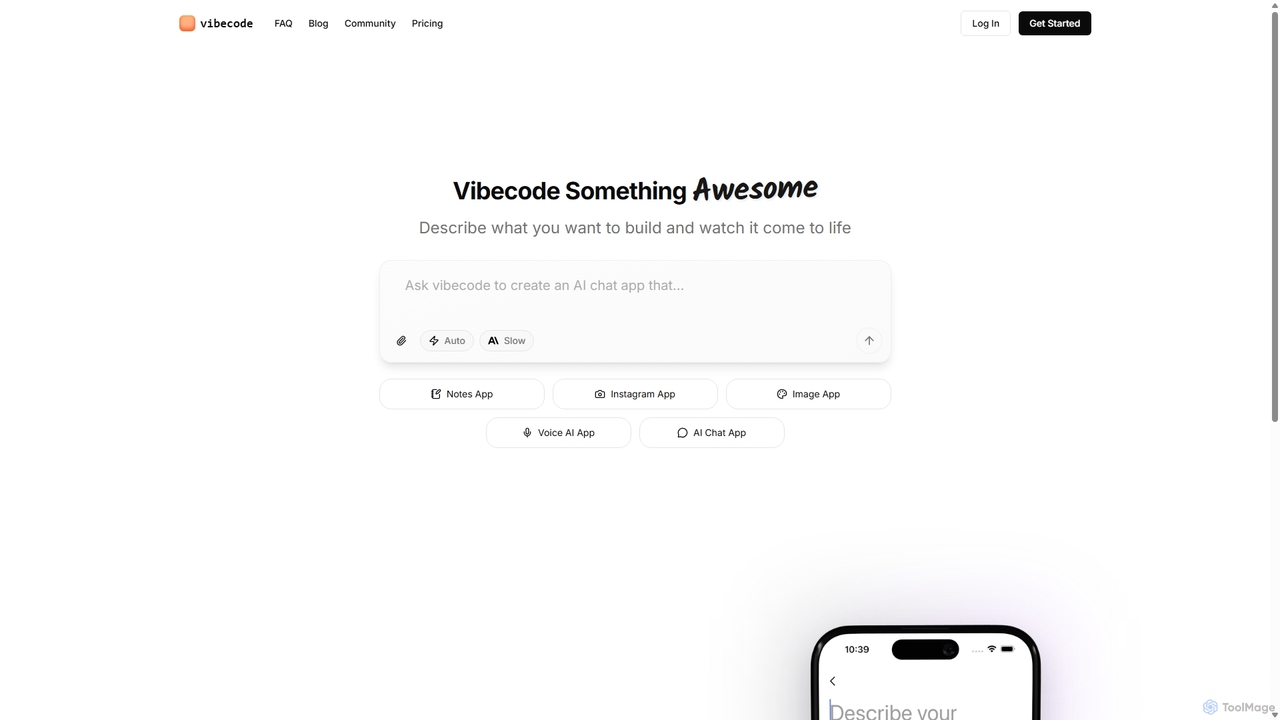
Vibecode

Vibecode

Vibecode is an AI-powered mobile app builder that transforms text descriptions into functional, native React Native applications. It …

330.0K
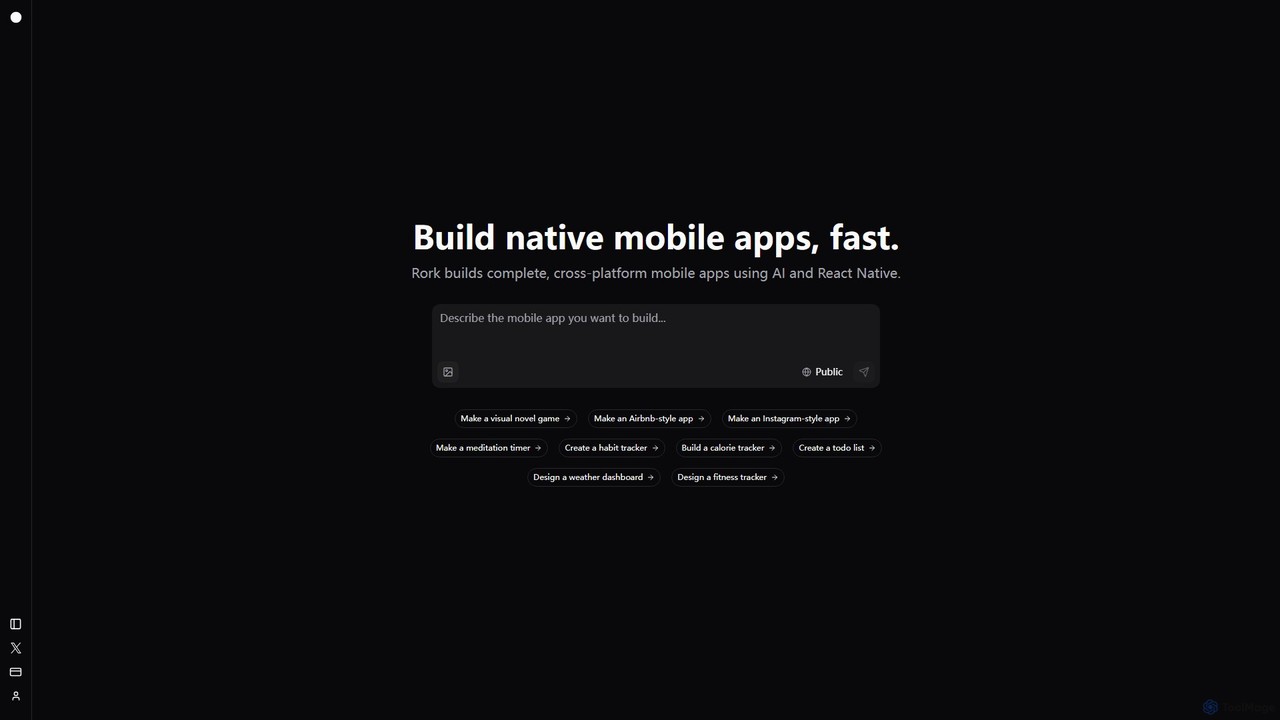
Rork

Rork

Rork is an AI-powered development platform that transforms simple text prompts into complete, native, cross-platform mobile apps in …

756.8K
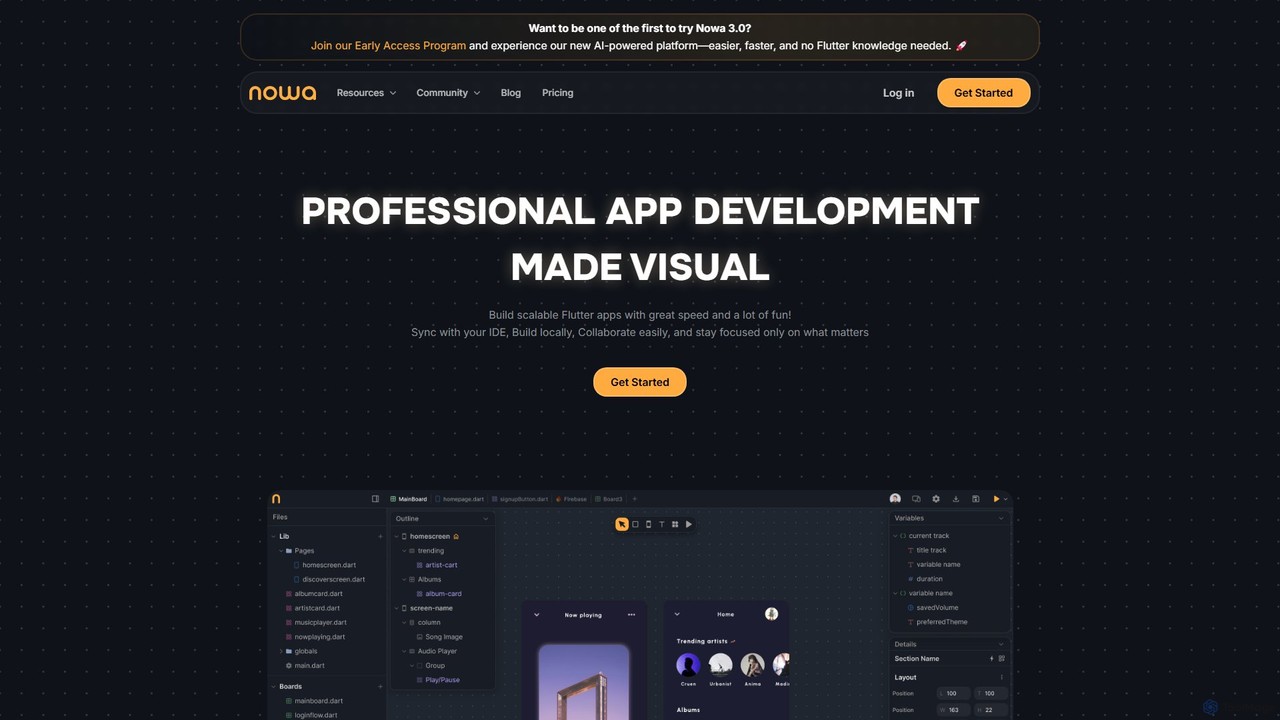
nowa

nowa

nowa is a visual, AI-powered Flutter app builder for professional development. It enables developers and designers to build …

34.0K

About Mobile App Building

AI Mobile App Building tools are platforms that leverage artificial intelligence to automate and accelerate the creation of mobile applications. These tools interpret natural language descriptions, sketches, or data inputs to generate functional code, user interface (UI) designs, and backend logic. This approach dramatically reduces the complexity and time required for app development, making it accessible to individuals without extensive programming skills. They empower entrepreneurs, designers, and businesses to transform ideas into working prototypes and full-fledged apps more efficiently.

Core Features

  • Natural Language to App Generation: Describe your app's functionality and features in plain text to automatically generate corresponding code and UI elements.
  • AI-Powered UI/UX Design: Automatically creates visually appealing and user-friendly layouts, color schemes, and component placements based on your app's purpose.
  • Automated Code Production: Generates source code for native iOS, Android, or cross-platform frameworks, significantly speeding up the development cycle.
  • Backend Logic Automation: Creates necessary server-side logic, database schemas, and APIs from high-level requirements, handling data management tasks.
  • Intelligent Testing and Debugging: Identifies potential bugs, performance bottlenecks, and usability issues in the generated app and suggests code fixes.

Use Cases

These tools are ideal for startups and entrepreneurs needing to quickly build a Minimum Viable Product (MVP) to validate ideas and attract investors. Small to medium-sized businesses use them to create custom internal tools for operations, such as inventory management or employee scheduling, without hiring a dedicated development team. Designers and product managers also leverage them to create high-fidelity, interactive prototypes that function like real apps.

How to Choose

When selecting an AI Mobile App Building tool, first consider the target platforms (native iOS/Android, web app). Evaluate the level of customization and control you have over the generated design and code. Check if you can export the source code for future development. Also, assess its integration capabilities with third-party services and APIs, and review the pricing model to ensure it aligns with your project's scale and budget.

Mobile App BuildingUse Cases

1

Rapid MVP Prototyping for Startups

A non-technical founder has a groundbreaking idea for a social networking app but lacks the coding skills and budget to hire a development team. Using an AI mobile app builder, they describe the core features in plain English: user profiles, a news feed, direct messaging, and photo uploads. The AI interprets these requirements, generates a complete UI/UX design, and produces the underlying code for both iOS and Android. Within days, they have a functional Minimum Viable Product (MVP) to present to potential investors and gather early user feedback, drastically reducing the time-to-market and initial investment costs.

2

Creating Custom Internal Business Tools

A logistics manager at a medium-sized company needs a simple mobile app for delivery drivers to update shipment statuses and capture proof-of-delivery signatures. Instead of waiting months for the overloaded IT department, the manager uses an AI app builder. They specify the required fields (tracking number, status dropdown, signature pad, camera access) and the desired workflow. The tool generates a secure, cross-platform app that connects to their existing database via an API. This empowers the operations team to solve their own problems quickly, improving efficiency and data accuracy without writing a single line of code.

3

Building an E-commerce App from a Store Concept

An entrepreneur wants to launch an online store for handmade jewelry. They use an AI app builder and provide it with their brand name, logo, color palette, and a list of product categories. The AI generates a complete, ready-to-use e-commerce app featuring product listings, a shopping cart, a secure checkout process integrated with a payment gateway, and an order management dashboard. The tool even suggests UI layouts optimized for conversion based on successful e-commerce app patterns. This allows the entrepreneur to establish a mobile presence and start selling in a fraction of the time it would take with traditional methods.

4

Converting a Website into a Native Mobile App

A popular food blogger wants to offer a better mobile experience for their audience than a mobile-responsive website. They use an AI tool that can analyze their existing WordPress site. The tool automatically imports all blog posts, images, and categories, then restructures the content into a native app format. It creates features like push notifications for new recipes, a "favorites" section for users to save recipes, and an offline reading mode. The blogger can launch a professional-looking app on the App Store and Google Play, increasing user engagement and creating a new monetization channel.

5

Developing Niche Community Applications

An organizer of a local book club wants to create a dedicated app for members to track reading progress, discuss books, and schedule meetings. Using an AI app builder, they describe the desired features: a shared library, discussion forums for each book, an event calendar, and member profiles. The AI platform generates the entire application, including the database schema for storing book information and user data. This provides a centralized hub for the community, fostering more interaction than a generic chat group and strengthening the club's engagement without requiring any technical expertise from the organizer.

6

Automating App Design and Component Generation

A UI/UX designer is tasked with creating a new mobile banking app. To accelerate the process, they use an AI app builder as a design and prototyping tool. They upload their wireframes or even hand-drawn sketches of the app's screens. The AI's computer vision capabilities analyze the sketches and convert them into a fully interactive, high-fidelity prototype with standard UI components. It also generates multiple design variations based on different style guides. This allows the designer to test user flows and present a functional concept to stakeholders much faster than building a prototype from scratch in traditional design software.

Mobile App BuildingFrequently Asked Questions