Regent
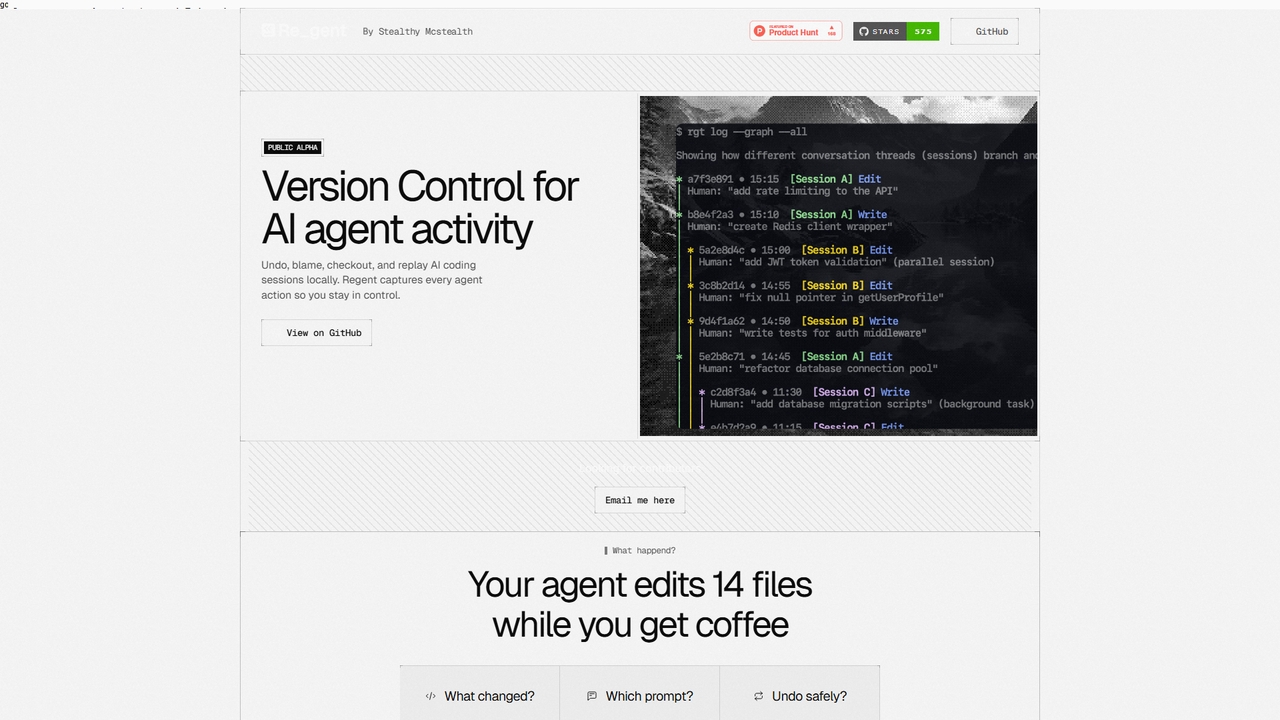
Regent is a version control system specifically designed for AI coding agents. It tracks every action, prompt, and …
Regent is a version control system specifically designed for AI coding agents. It tracks every action, prompt, and change made by agents like Claude Code and Codex, allowing you to audit, blame, undo, and replay agent sessions locally, providing an essential layer of oversight for AI-driven development.
Modaic
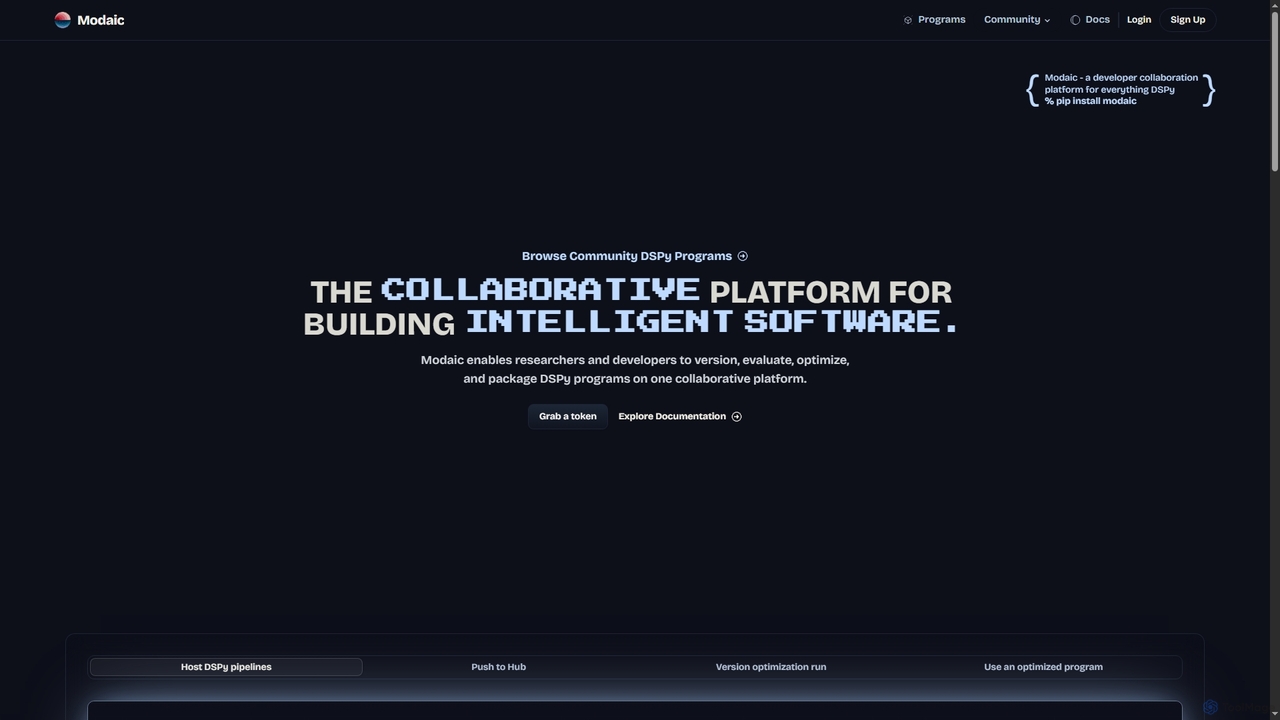
Modaic is a collaborative platform designed for researchers and developers to build, version, evaluate, optimize, and package DSPy …
Modaic is a collaborative platform designed for researchers and developers to build, version, evaluate, optimize, and package DSPy programs and intelligent software. It accelerates the entire AI development workflow from code to deployment, focusing on declarative AI.
Centy
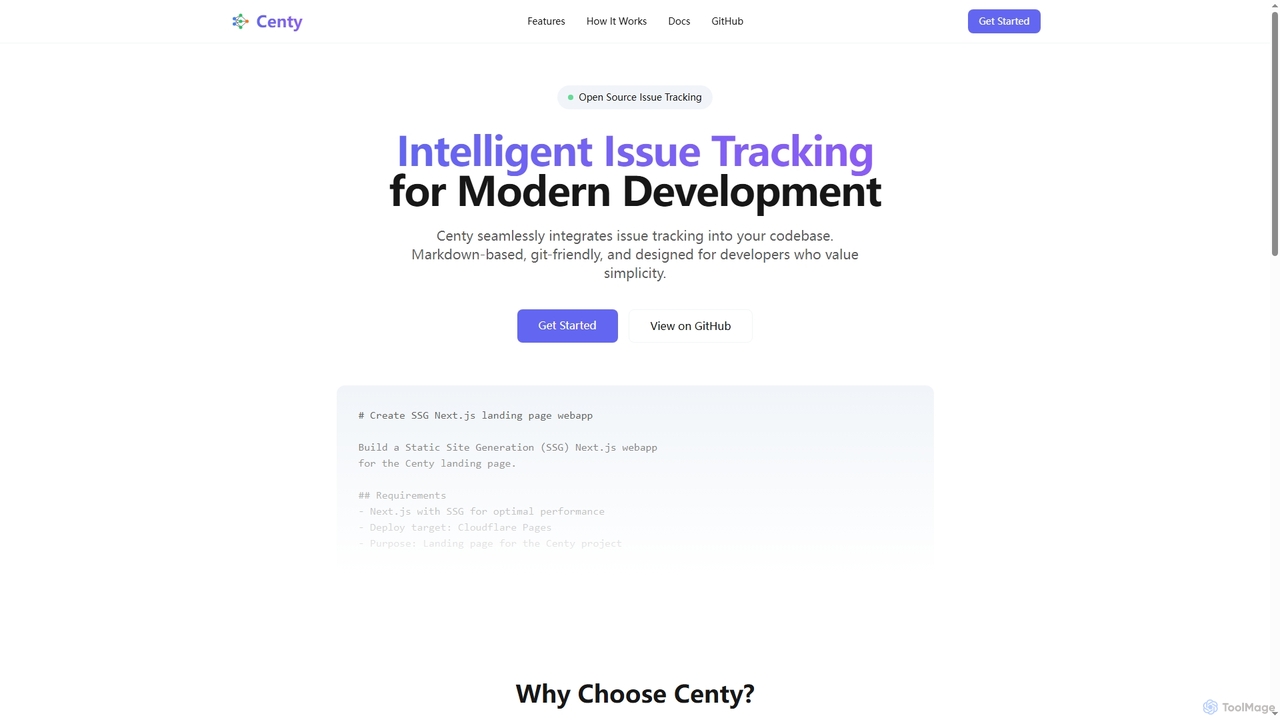
Centy is an open-source, intelligent issue tracking system designed for modern development. It integrates seamlessly into your codebase, …
Centy is an open-source, intelligent issue tracking system designed for modern development. It integrates seamlessly into your codebase, offering a Markdown-based, Git-friendly approach with AI integration for efficient issue resolution.
Bit
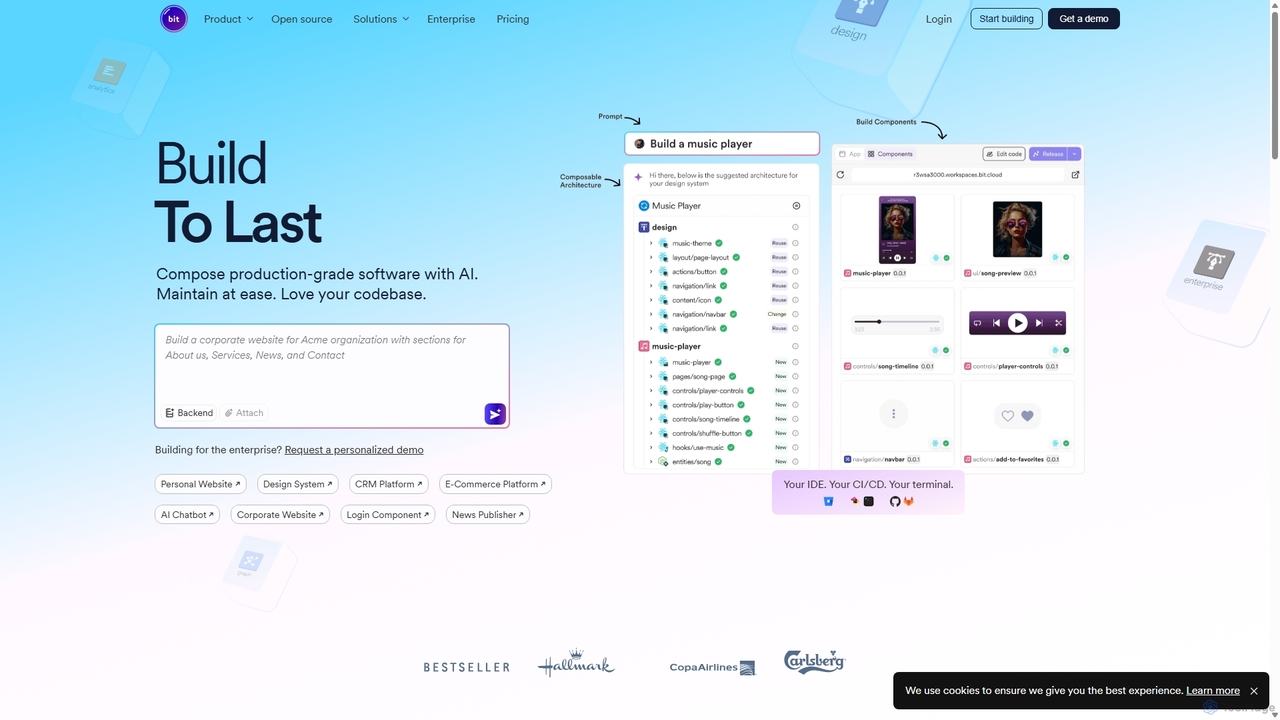
Bit is an AI-powered software composition platform that enables teams to build production-grade applications with composable components. Using …
Bit is an AI-powered software composition platform that enables teams to build production-grade applications with composable components. Using its AI agent, Hope AI, developers can generate, version, and share everything from UI elements to backend services. This component-driven approach accelerates development, ensures UI/backend consistency, and simplifies maintenance, allowing teams to stop repeating code and start shipping faster.
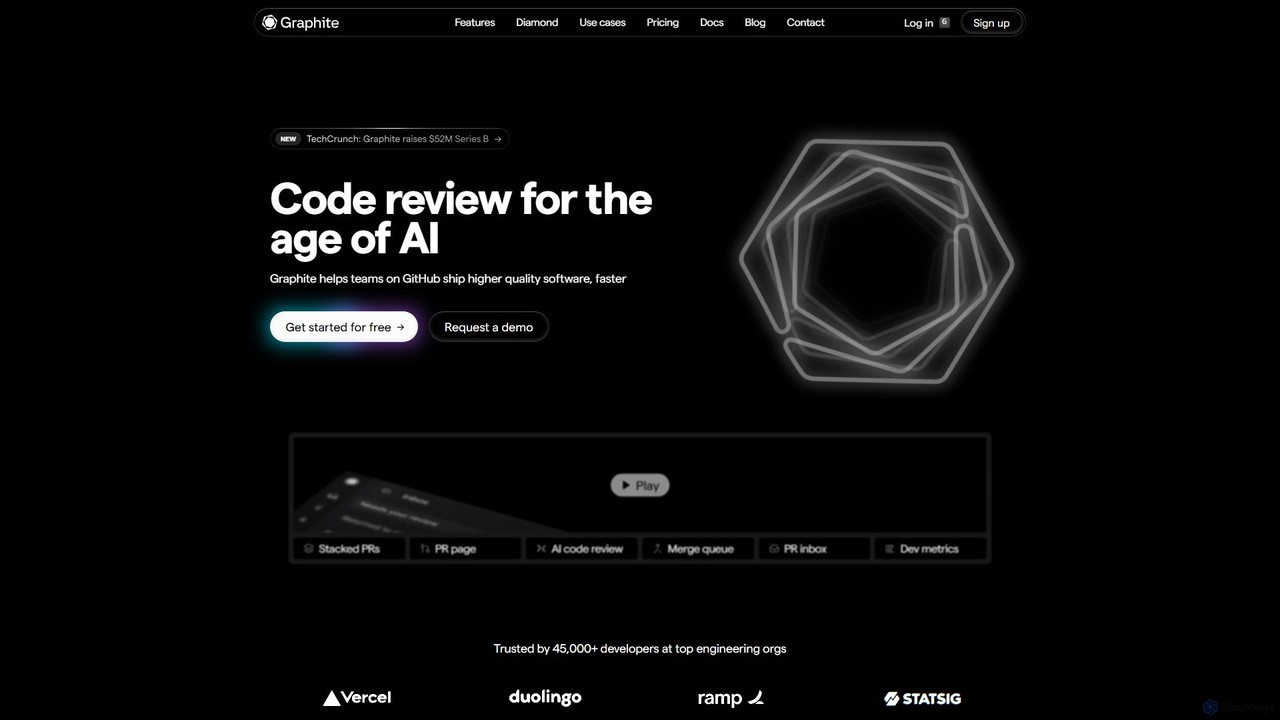
Graphite
Graphite is an end-to-end developer platform that supercharges teams on GitHub. It accelerates software development with features like …
Graphite is an end-to-end developer platform that supercharges teams on GitHub. It accelerates software development with features like stacked pull requests, AI-powered code review, a unified PR inbox, and an intelligent merge queue. By streamlining the entire code review lifecycle, Graphite helps engineering teams ship higher-quality code, faster, while keeping developers unblocked and productive.
About Version Control
Version Control tools, enhanced by AI, are specialized platforms designed to manage and track changes to source code, documents, and other digital assets throughout a project's lifecycle. These tools leverage machine learning to automate repetitive tasks, provide intelligent insights, and improve collaboration within development teams. By understanding code context and developer intent, AI-powered version control systems accelerate development cycles, enhance code quality, and minimize manual errors, making them indispensable for modern software development and content management workflows.
Core Features
- Automated Commit Message Generation: AI analyzes code changes to suggest descriptive and contextually relevant commit messages, saving developer time.
- Intelligent Code Review: AI assists in identifying potential bugs, security vulnerabilities, and style violations in pull requests, improving code quality.
- Conflict Prediction & Resolution: AI predicts potential merge conflicts before they occur and suggests optimal strategies or automated resolutions.
- Branch Strategy Optimization: AI recommends efficient branching models based on project history, team activity, and release schedules.
- Code Quality & Maintainability Analysis: AI provides deep insights into code complexity, maintainability scores, and potential refactoring opportunities.
Use Cases
AI-enhanced Version Control tools are crucial for development teams seeking to streamline their workflows. They are used by software engineers to automate routine tasks like commit message writing, by team leads to gain deeper insights into code quality during reviews, and by project managers to optimize branching and merging strategies for faster releases. These tools facilitate more efficient collaboration in distributed teams and help maintain high standards of code integrity across complex projects.
How to Choose
When selecting an AI-powered Version Control tool, consider its integration capabilities with your existing Version Control System (e.g., Git, SVN) and CI/CD pipelines. Evaluate the specific AI features offered, such as automated commit generation, intelligent code review, or conflict resolution, to ensure they align with your team's needs. Assess the tool's scalability for your team size and project complexity, its security protocols for sensitive code, and the level of customization and extensibility it provides.

Version ControlUse Cases
Automating Daily Code Commits
Individual developers often spend time crafting detailed commit messages. AI-powered version control tools analyze code changes and automatically generate concise, accurate commit messages, significantly reducing manual effort. This allows developers to focus more on coding and less on administrative tasks, improving daily productivity and ensuring consistent commit history quality.
Enhancing Team Code Review Efficiency
In large development teams, code reviews can be time-consuming. AI tools can pre-analyze pull requests, highlighting potential issues like bugs, security flaws, or style inconsistencies before human reviewers even start. This streamlines the review process, helps reviewers focus on critical logic, and ensures higher code quality standards are met more quickly.
Proactive Merge Conflict Management
Distributed teams frequently encounter merge conflicts, which can halt development. AI-enhanced version control can predict potential conflicts based on code changes and branch history, offering suggestions for resolution or even automating simple merges. This minimizes downtime, reduces developer frustration, and keeps the development pipeline flowing smoothly.
Optimizing Branching and Release Strategies
Project managers and DevOps engineers can leverage AI to analyze historical data on branching, merging, and release cycles. The AI can then recommend optimal branching strategies (e.g., Gitflow, Trunk-based) and release schedules, predicting potential bottlenecks and suggesting improvements to accelerate delivery and reduce deployment risks.
Maintaining Consistent Code Quality Standards
For organizations with strict coding guidelines, AI version control tools can enforce these standards automatically. They can identify deviations from style guides, detect code smells, and suggest refactoring opportunities during the commit or pull request stage. This ensures a consistent, high-quality codebase across all projects and contributors.
Accelerating Onboarding for New Developers
New team members often struggle to understand large, complex codebases. AI-powered version control can provide context-aware explanations for code sections, commit histories, and architectural decisions. This accelerates the onboarding process, allowing new developers to become productive faster by quickly grasping project structure and rationale.