Document Management Best in category 2 results Document Analysis AI Tool

Popular AI tools in the Document Analysis field of Document Management include RAGDrive、getsubatomic, etc., helping you quickly improve efficiency.

Free
RAGDrive

RAGDrive

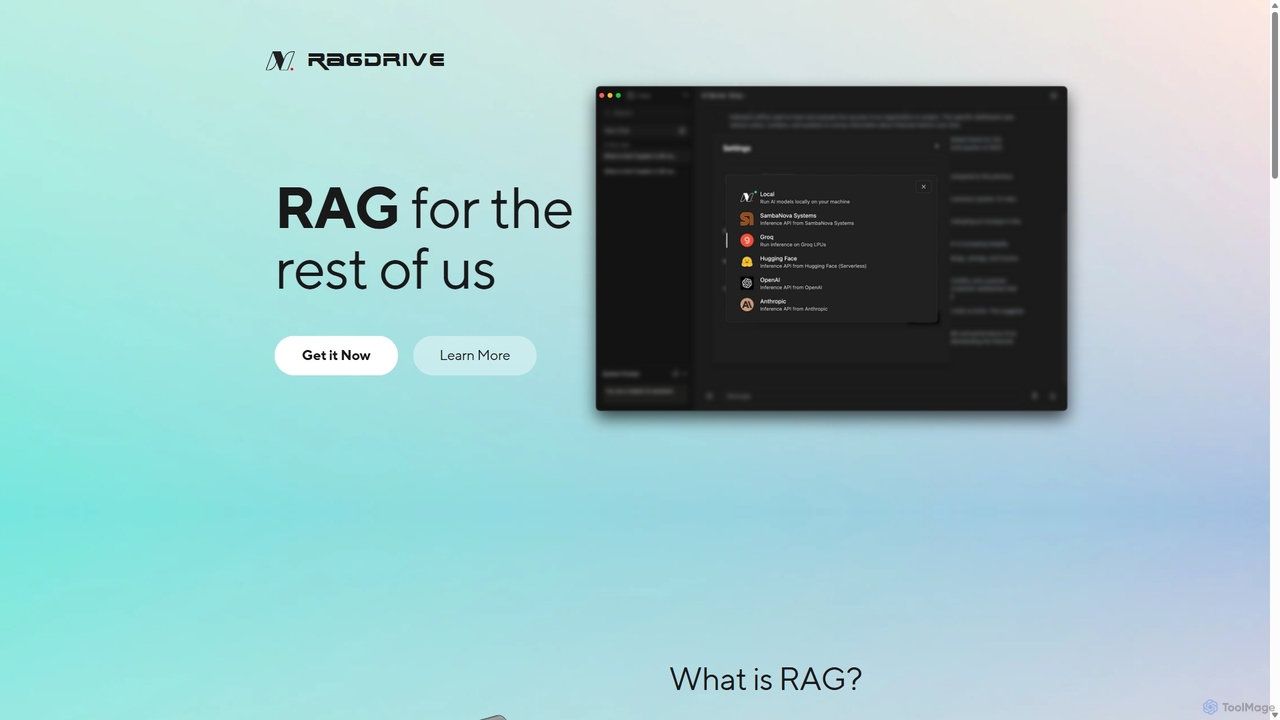
RAGDrive is a free, open-source, and no-code tool that allows you to chat with your documents privately and …

3.5K
getsubatomic

getsubatomic

getsubatomic is an AI platform for creating and deploying customizable AI Co-Worker agents. These agents integrate seamlessly into …

2.8K

About Document Analysis

Document Analysis AI tools are designed to automatically process, understand, and extract valuable insights from unstructured and semi-structured documents. Leveraging advanced AI techniques like Natural Language Processing (NLP), machine learning, and computer vision, these tools transform vast amounts of textual and visual data into structured, actionable information. As a specialized subset of Document Management, they significantly enhance data processing efficiency, accuracy, and decision-making across various industries.

Core Features

  • Intelligent Data Extraction: Automatically identifies and extracts specific entities, facts, and data points from documents, such as names, dates, amounts, and clauses.
  • Document Classification: Categorizes documents based on their content, type, or topic, enabling efficient organization and retrieval.
  • Sentiment Analysis: Analyzes text to determine the emotional tone or sentiment expressed, particularly useful for customer feedback and reviews.
  • Text Summarization: Generates concise summaries of lengthy documents, highlighting key information and main ideas.
  • Anomaly Detection: Identifies unusual patterns or discrepancies within document content, crucial for fraud detection and compliance.

Applicable Scenarios

These tools are indispensable for organizations dealing with high volumes of documents. Legal firms use them for e-discovery and contract review, financial institutions for processing loan applications and regulatory compliance, and customer service departments for analyzing feedback and support tickets. Researchers and analysts also leverage them to quickly synthesize information from academic papers and reports.

How to Choose

When selecting an AI Document Analysis tool, consider its accuracy in data extraction and classification, the range of document formats it supports (PDF, images, handwritten text), its integration capabilities with existing enterprise systems (CRM, ERP), scalability to handle growing data volumes, and compliance with industry-specific regulations (e.g., GDPR, HIPAA). Evaluate the user interface for ease of use and the vendor's support for custom model training.

Document AnalysisUse Cases

1

Automating Legal Contract Review

Legal professionals often spend countless hours manually reviewing contracts for specific clauses, risks, and compliance issues. AI Document Analysis tools can automatically scan thousands of legal documents, identify key terms, extract relevant clauses, and flag potential discrepancies or non-compliance, drastically reducing review time and human error. This allows legal teams to focus on strategic advice rather than repetitive data extraction.

2

Streamlining Financial Data Extraction from Invoices

Finance departments process a high volume of invoices, purchase orders, and expense reports daily. An AI Document Analysis tool can automatically extract critical financial data such as vendor names, invoice numbers, dates, line items, and total amounts from various document layouts. This automation accelerates accounts payable processes, reduces manual data entry errors, and ensures timely payments, improving overall financial operations.

3

Analyzing Customer Feedback for Product Improvement

Product managers and marketing teams receive vast amounts of customer feedback through surveys, reviews, and support tickets. AI Document Analysis, specifically sentiment analysis and topic modeling features, can process this unstructured text to identify common pain points, emerging trends, and overall customer sentiment towards products or services. This provides actionable insights for product development, marketing strategies, and customer experience enhancements.

4

Enhancing Research and Due Diligence Processes

Researchers, consultants, and investment analysts need to quickly synthesize information from extensive reports, academic papers, and market intelligence documents. Document analysis tools can summarize lengthy texts, extract key findings, identify relationships between entities, and classify information by topic. This capability significantly speeds up the due diligence process, competitive analysis, and literature reviews, enabling faster, more informed decision-making.

5

Ensuring Regulatory Compliance in Healthcare Documents

Healthcare organizations handle sensitive patient records, medical reports, and regulatory guidelines that require strict adherence to compliance standards like HIPAA. AI Document Analysis can monitor and audit documents for specific data points, ensure proper redaction of protected health information (PHI), and verify that all necessary consent forms or disclosures are present and correctly filled. This minimizes compliance risks and protects patient privacy.

6

Automating HR Document Processing and Employee Onboarding

Human Resources departments manage numerous documents, from resumes and application forms to employee contracts and performance reviews. AI Document Analysis tools can automate the extraction of candidate information from resumes, classify employee documents, and verify data consistency across various forms during onboarding. This reduces administrative burden, speeds up hiring processes, and ensures accurate record-keeping for HR teams.

Document AnalysisFrequently Asked Questions