ToolMage
Sign in

Best 19 Document AI tools

Popular Document AI tools include Toolsmart, Readable, Petal, Skimming AI, getbooknotes, Onnix, Mythos, AI Renamer, AI Finder, and inkwise, helping you work more efficiently.

PlsFixAI
Freemium

PlsFixAI

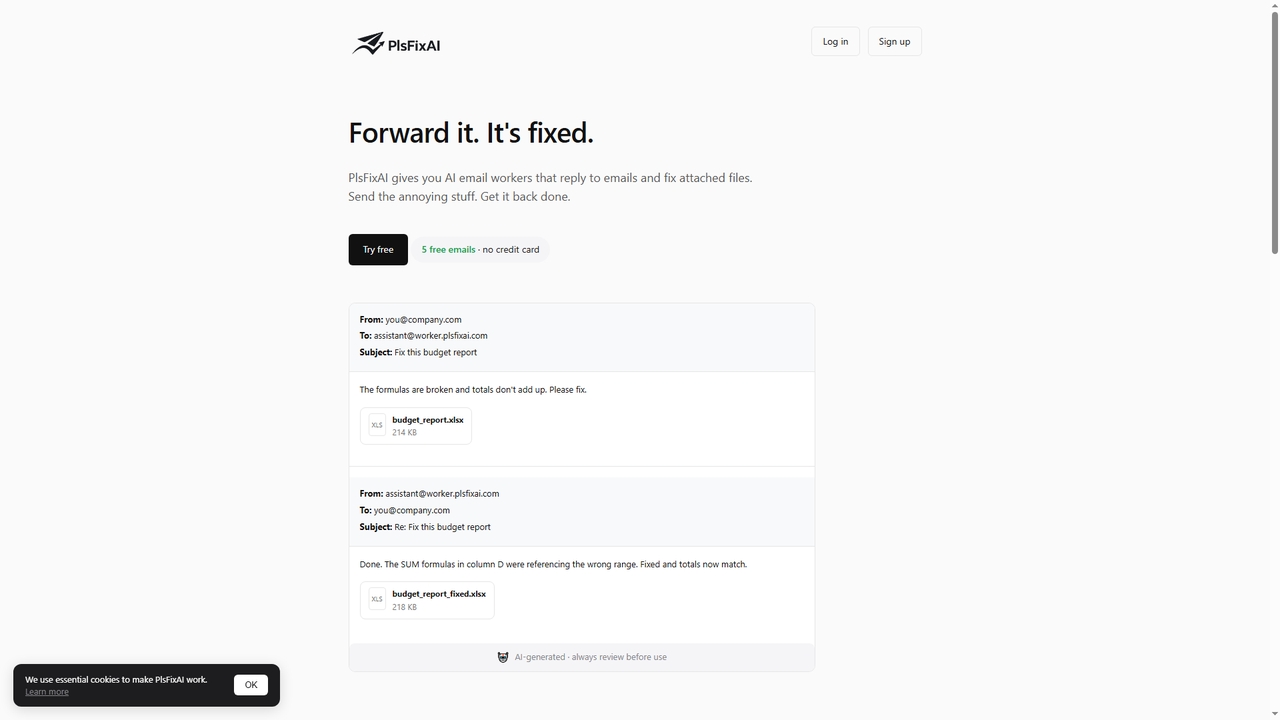
PlsFixAI is an AI-powered email assistant that automates tedious email tasks. Forward emails or CC your dedicated AI worker, and it will reply with drafts, fix errors in attached documents (PDFs, Word, Excel), summarize reports, and proofread text. It's designed to handle routine work so you can focus on what matters.

Office Automation
Visits 3.6KFavorites 11Likes 11
Skimming AI
Freemium

Skimming AI

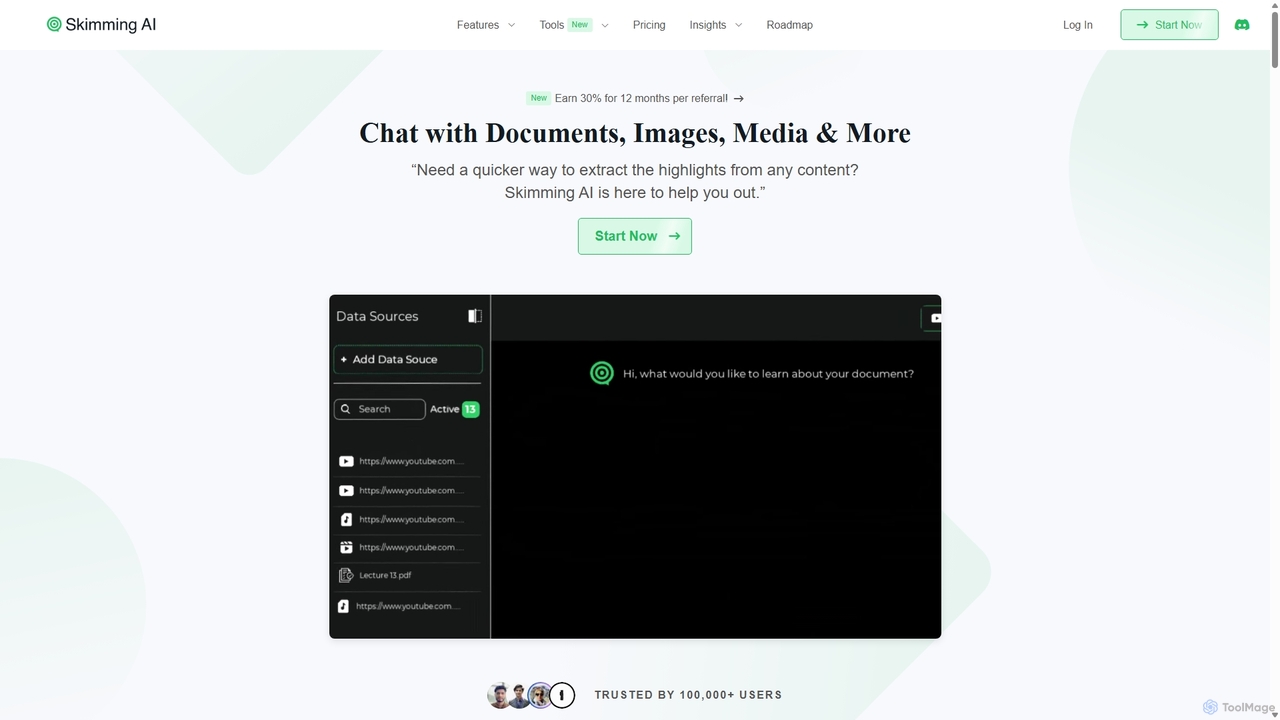
Skimming AI is a versatile AI-powered platform that allows you to chat with and summarize a wide range of content, including documents, PDFs, YouTube videos, audio, images, and social media posts. Instantly extract key insights, ask questions, and get accurate answers without sifting through hours of material. It's designed to boost productivity for students, researchers, and professionals by making information consumption faster and more efficient across multiple formats and languages.

Analysis
Visits 20KFavorites 99Likes 100
Toolsmart
Free

Toolsmart

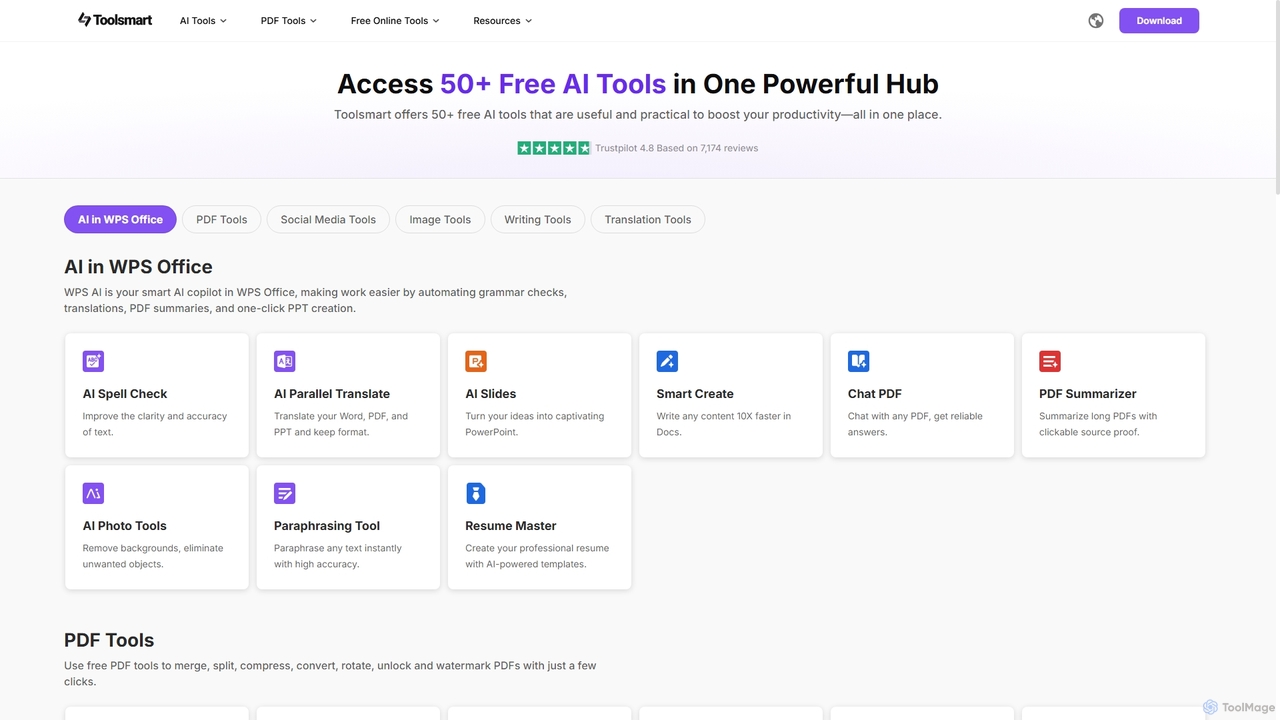
Toolsmart is a comprehensive suite of over 50 free AI-powered tools designed to boost productivity. It offers a wide range of utilities in one convenient hub, including PDF converters and editors, social media video downloaders, advanced image editing tools like background and watermark removers, and a variety of AI writing assistants for paraphrasing, summarizing, and humanizing text. No sign-up is required for most tools, providing a fast, accessible, and ad-free user experience for creators, marketers, and professionals.

Pdf
Visits 1.4MFavorites 120Likes 122
Tami Reader
Freemium

Tami Reader

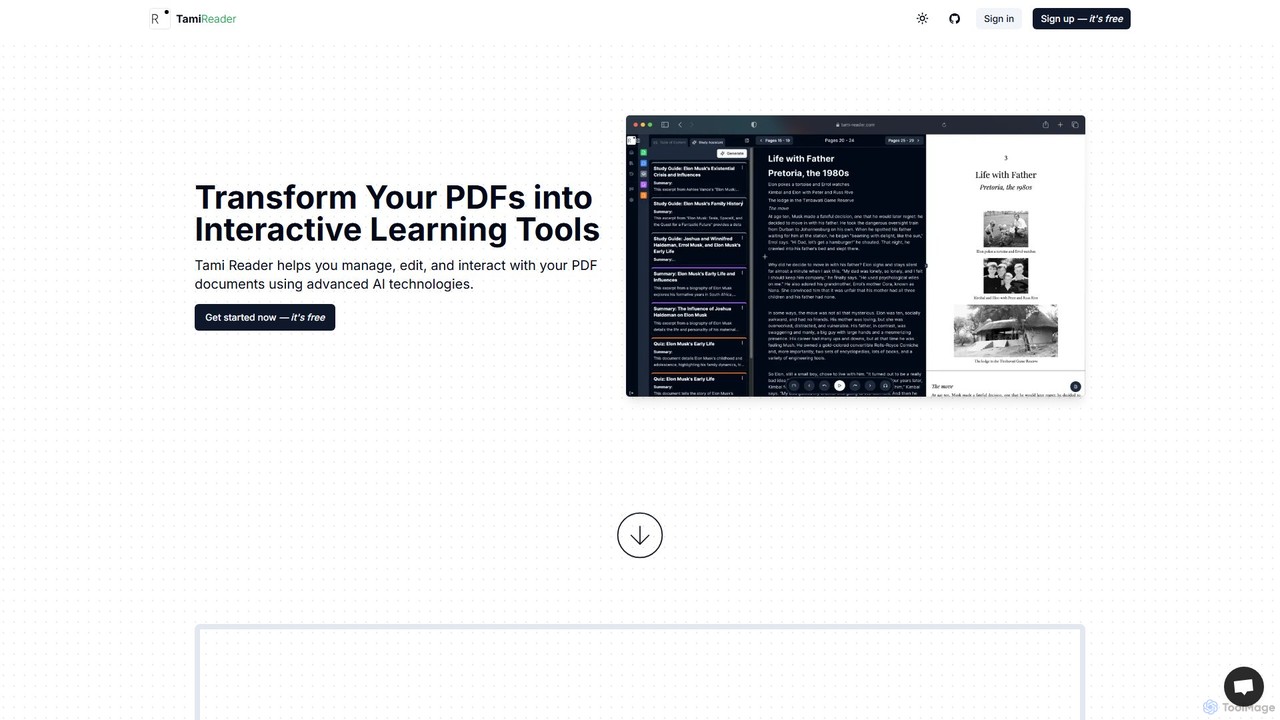
Tami Reader is an AI-powered assistant that transforms your PDFs into interactive learning tools. It allows you to chat with documents, generate summaries, create study guides and quizzes, visualize content with mind maps, and listen with text-to-speech. Ideal for students, researchers, and professionals to enhance productivity and understanding.

Pdf
Visits 3.6KFavorites 117Likes 92
BeGenieUs
Freemium

BeGenieUs

BeGenieUs is an all-in-one AI-powered collaborative suite designed to streamline workflows. It offers a range of tools including a document studio, an AI-integrated landing page builder, a video creation tool, a professional resume builder, and intelligent chat circles. It aims to enhance productivity and creativity for teams and individuals across various industries by turning abstract ideas into tangible results.

Document Creation
Visits 3.6KFavorites 101Likes 106
Onnix
Paid

Onnix

Onnix is a personalized AI co-pilot designed for bankers. It streamlines financial workflows by enabling users to create customized slide decks, perform complex data analysis in Excel, and query data sources like FactSet and CapIQ using simple text prompts. Built by bankers for bankers, this no-code platform significantly accelerates productivity, improves accuracy with auditable outputs, and makes advanced data science accessible to all team members.

Presentation
Visits 6.9KFavorites 131Likes 119
inkwise
Freemium

inkwise

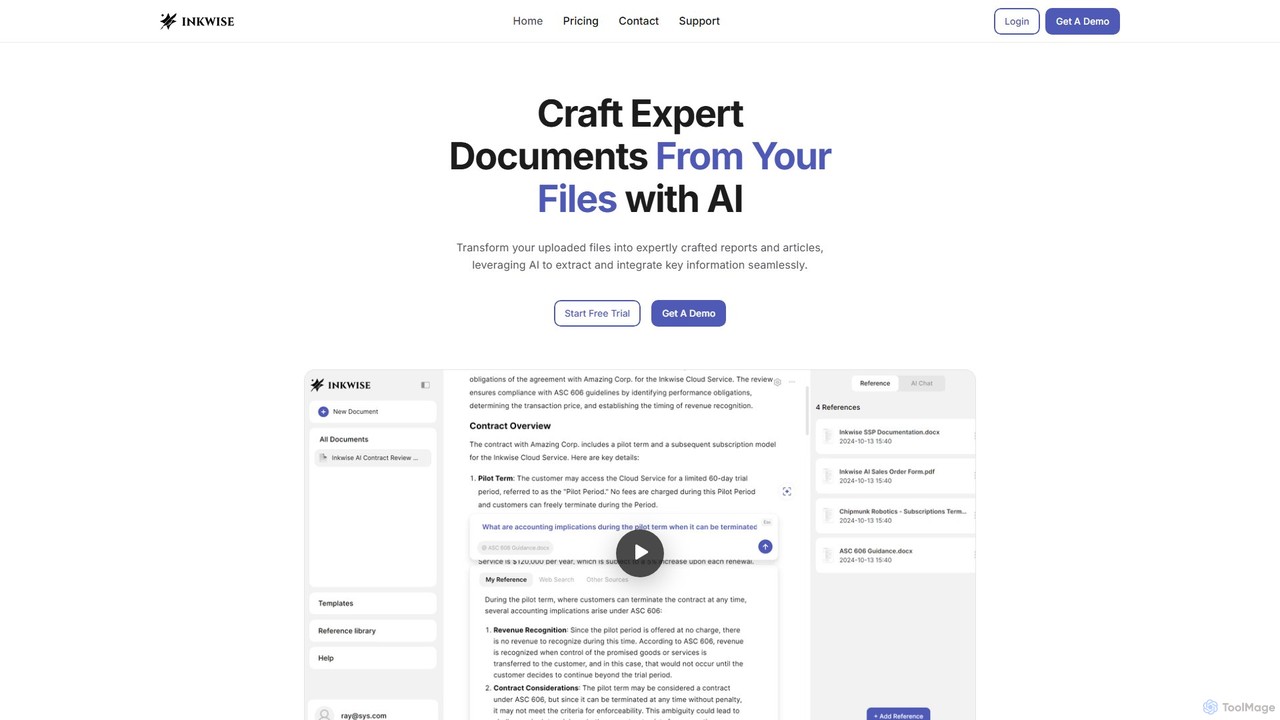
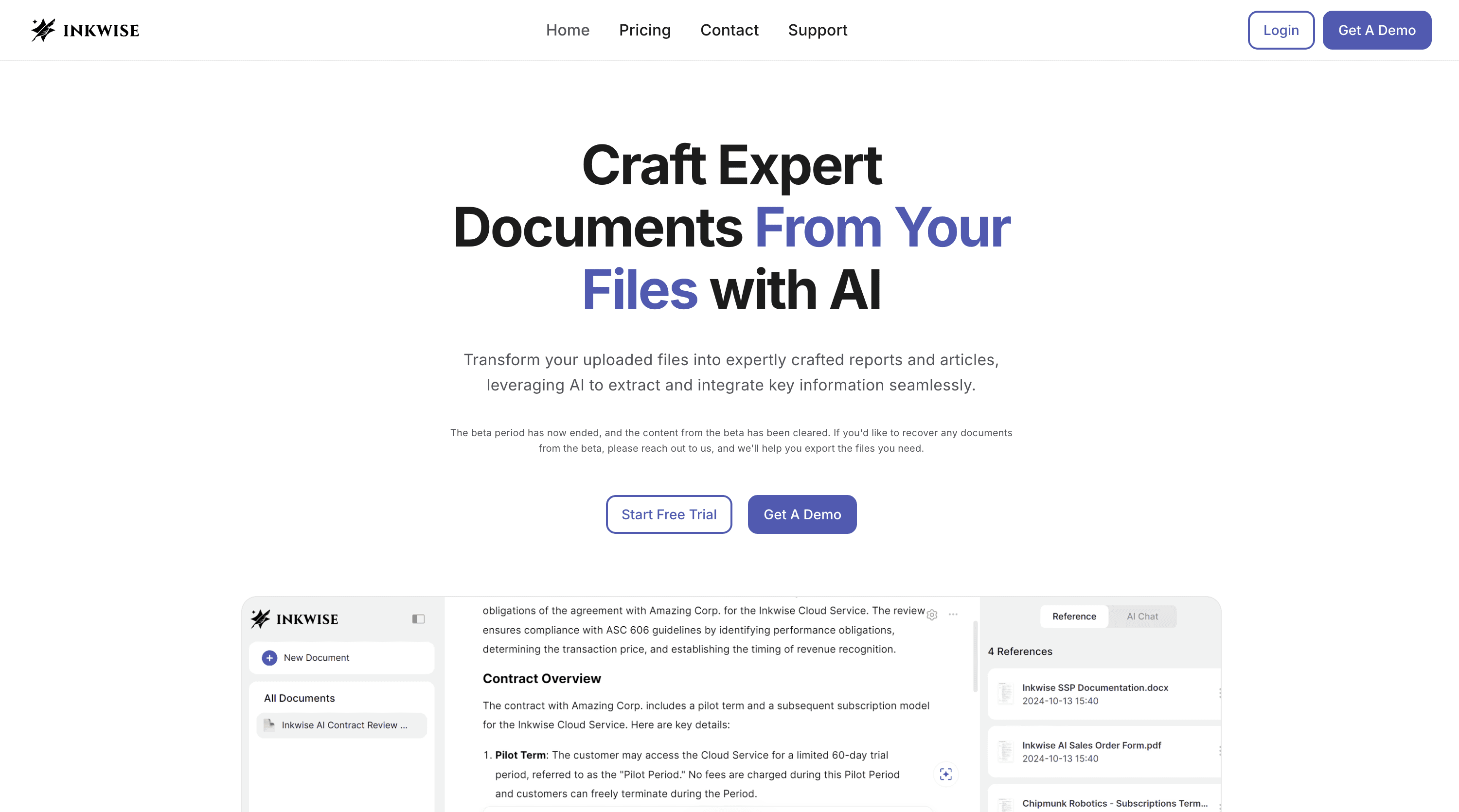
Inkwise is an AI-powered writing platform for professionals that transforms your uploaded files (PDFs, DOCX) into expertly crafted reports, articles, and legal documents. It streamlines document creation by intelligently extracting key information, managing references, and offering predictive writing assistance, significantly boosting efficiency and accuracy.

Analysis
Visits 4.5KFavorites 128Likes 133
LangPDF
Freemium

LangPDF

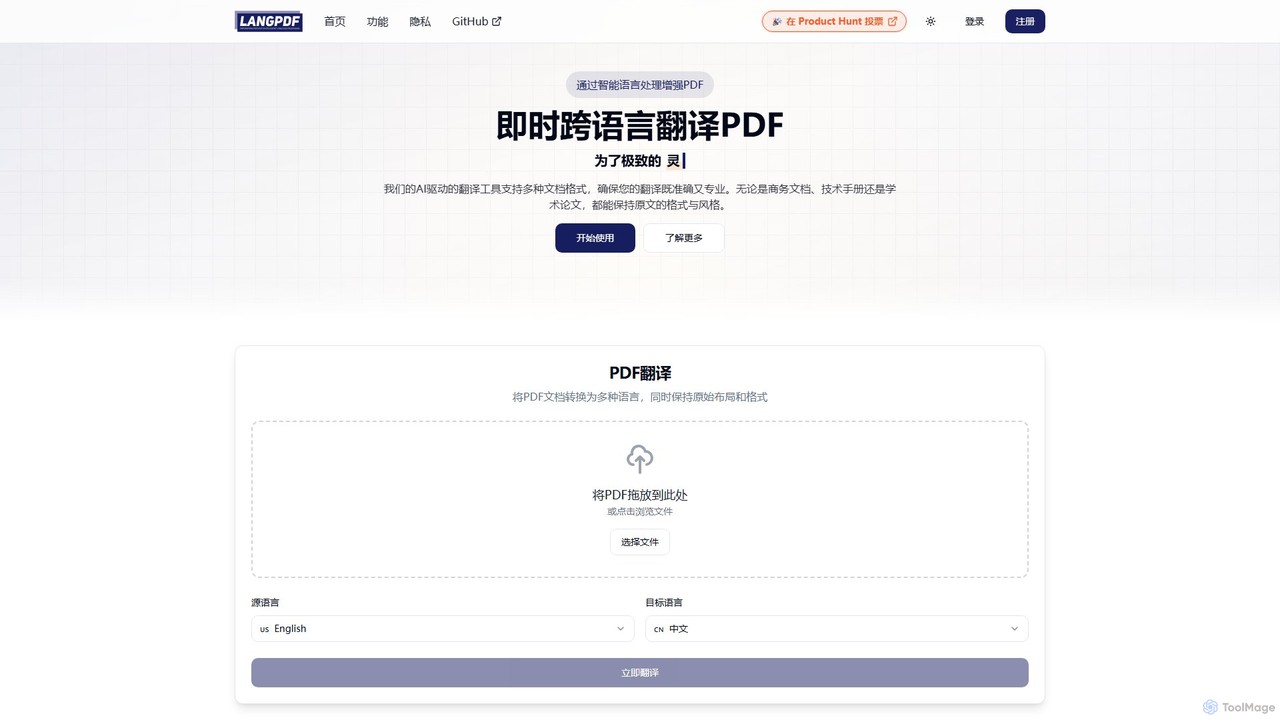
LangPDF is an AI-powered document translation tool that instantly translates PDFs and other documents into over 20 languages. It specializes in preserving the original layout, formatting, tables, and images, ensuring professional and accurate results for business, academic, and technical content.

Communication
Visits 3.6KFavorites 110Likes 121
The Grok App

The Grok App

The Grok App is an AI-powered platform that transforms your personal and professional documents into a searchable knowledge base. Upload files in various formats, ask questions in natural language, and receive instant, insightful answers. It's designed to help you uncover hidden patterns, understand complex information, and even analyze codebases with AI-driven explanations.

Code Assistant
Visits 4.2KFavorites 114Likes 123
ChatTubeAI
Freemium

ChatTubeAI

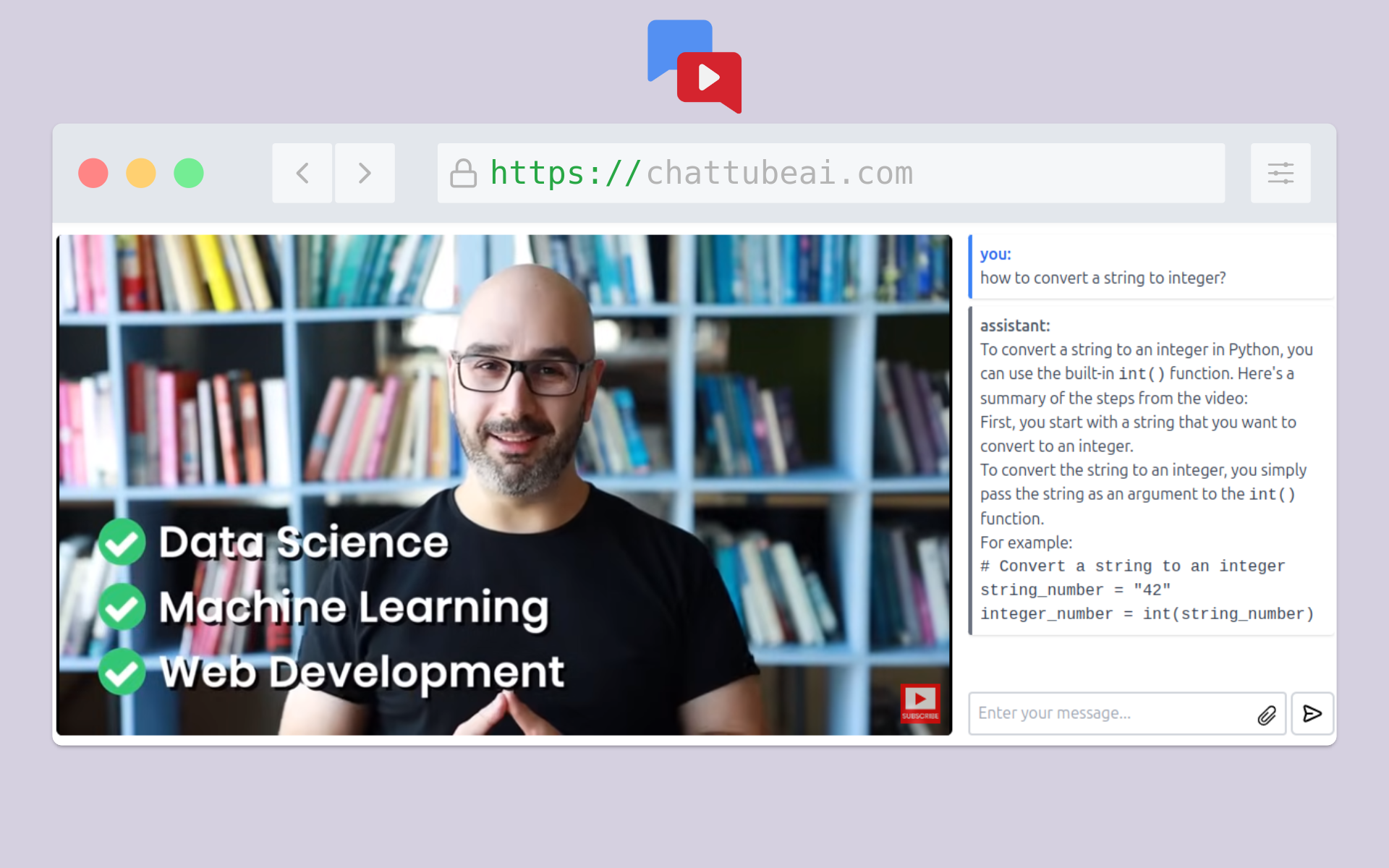
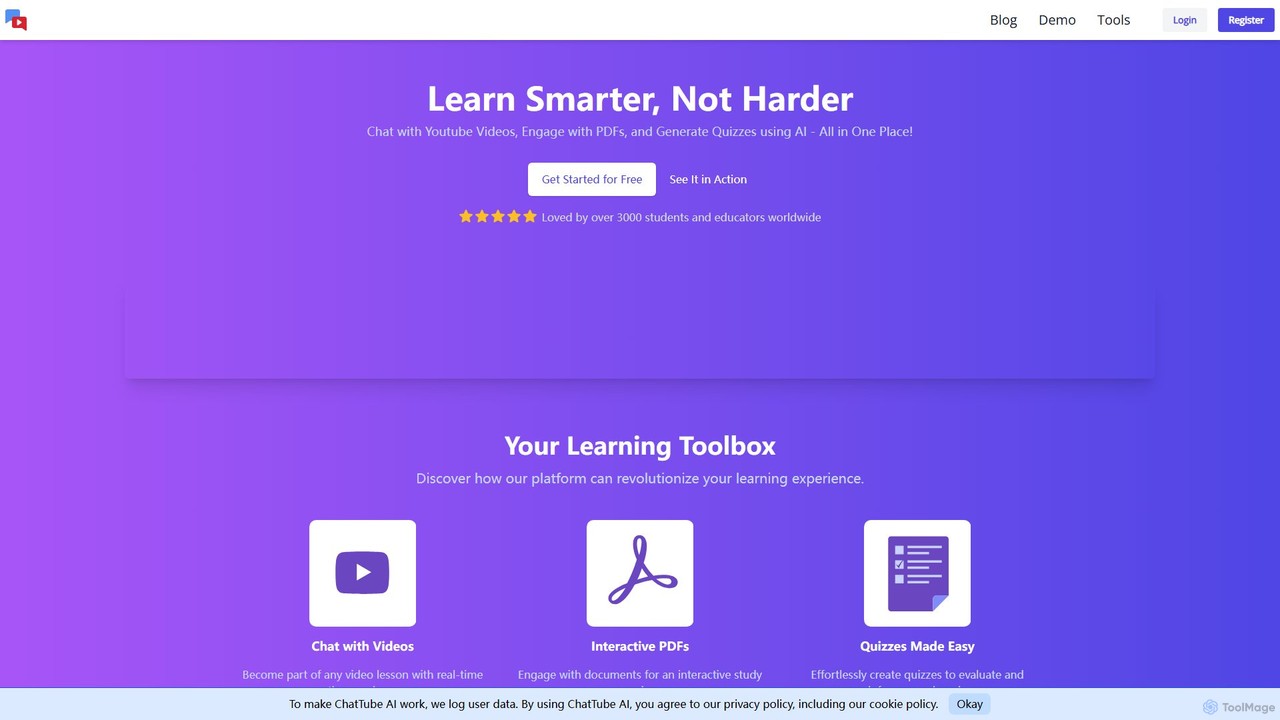
ChatTubeAI is an AI-powered platform that transforms learning by allowing you to chat with YouTube videos and PDF documents. Instantly get summaries, ask questions, and generate quizzes from your content. It's an all-in-one interactive study tool for students, educators, and professionals.

Document Analysis
Visits 3.8KFavorites 126Likes 122
getbooknotes
Freemium

getbooknotes

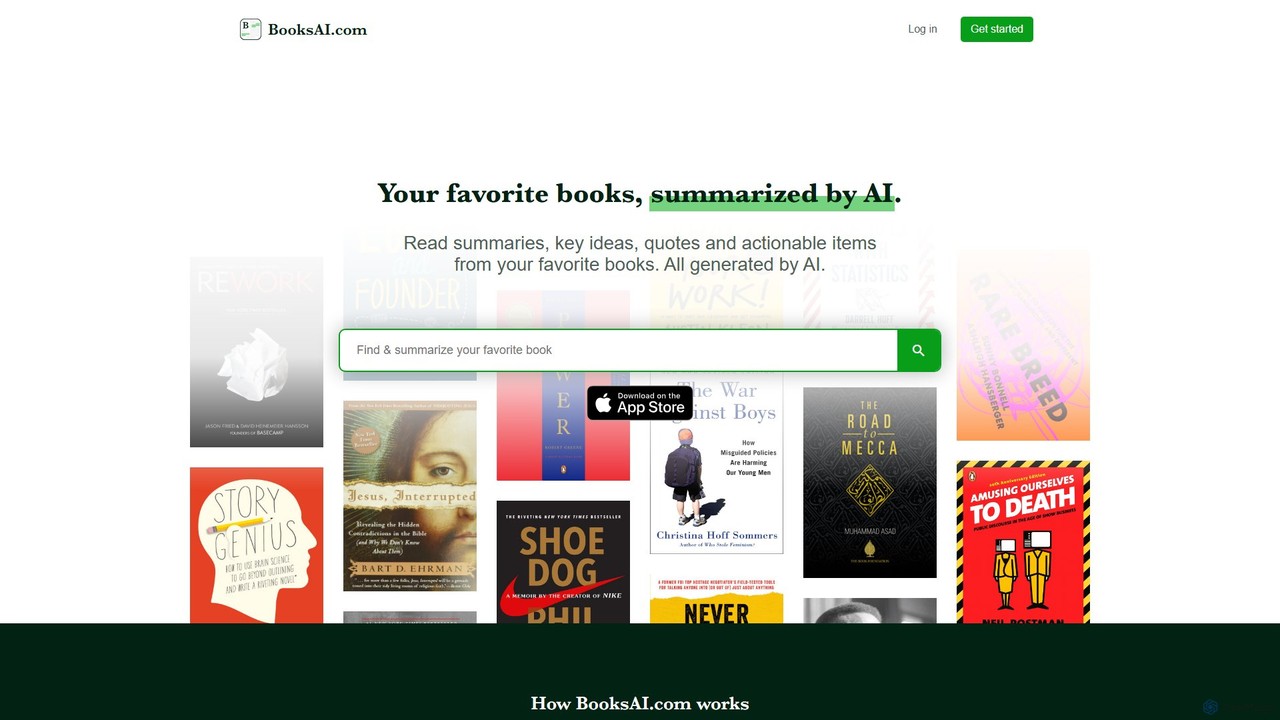
getbooknotes (BooksAI.com) is an AI-powered platform that transforms your reading experience. It generates concise summaries, key ideas, quotes, and actionable insights from a vast library of books. Go beyond static summaries with its unique feature that allows you to chat directly with books and your own documents, making learning faster, more interactive, and highly efficient.

Chat
Visits 7.2KFavorites 119Likes 120
Petal
Freemium

Petal

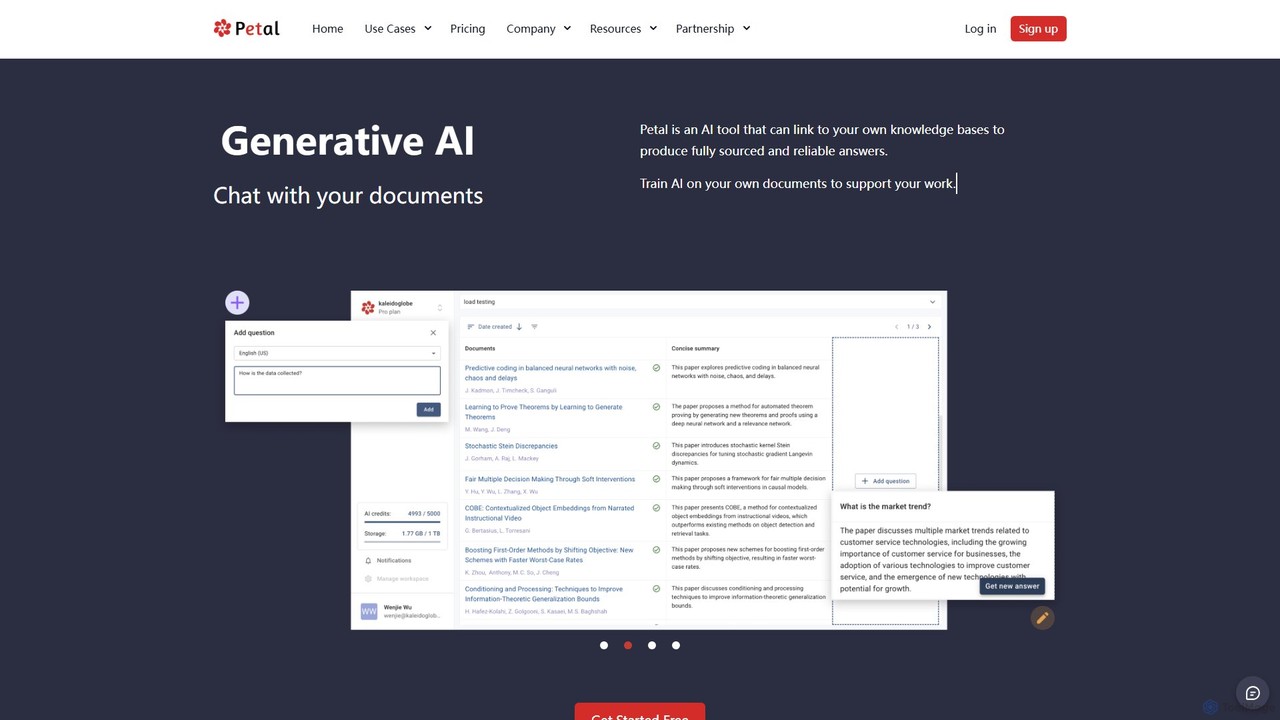
Petal is an AI-powered document analysis platform that transforms your documents into an interactive knowledge base. Chat with your research papers, reports, and books to get instant, sourced answers. Ideal for researchers, academics, and students, it features a reference manager, collaboration tools, and a secure cloud drive.

Chat
Visits 27.7KFavorites 132Likes 135
Readable
Freemium

Readable

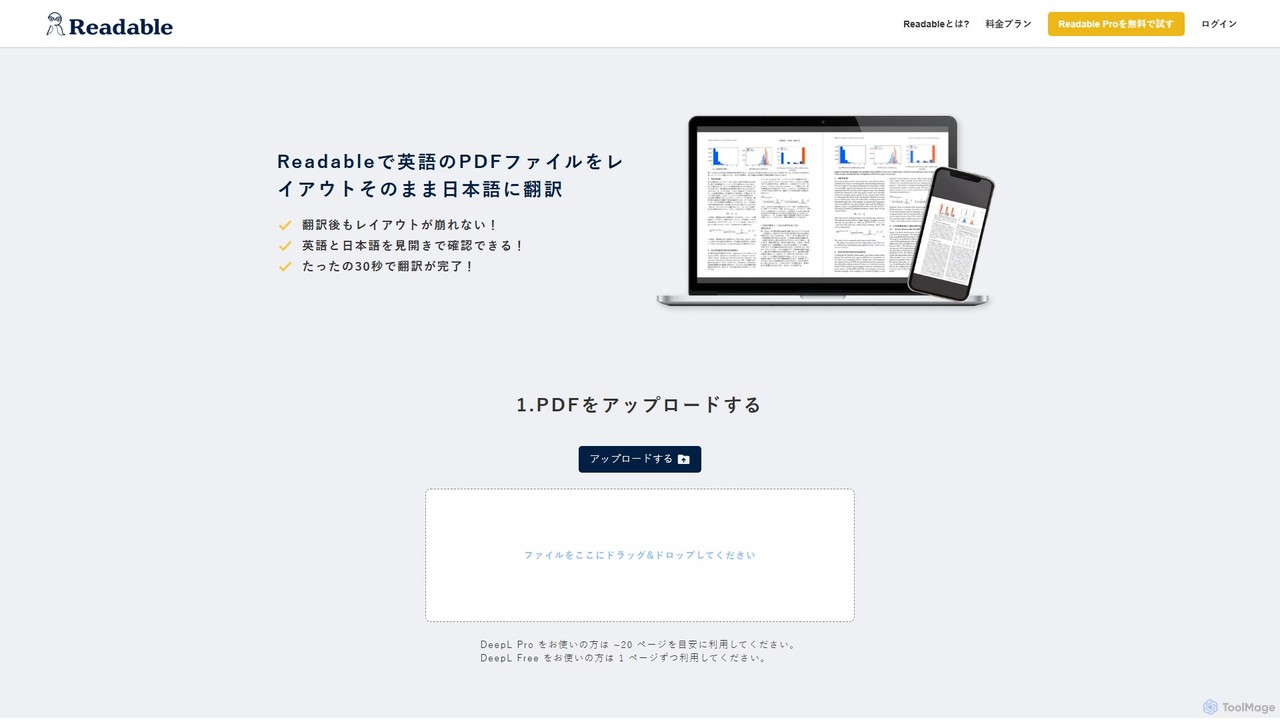
Readable is an AI-powered tool that instantly translates PDF documents while perfectly preserving the original layout. It supports over 200 languages, leveraging advanced translation engines like DeepL and ChatGPT. Ideal for researchers, professionals, and students who need accurate and fast document translation without reformatting.

Analysis
Visits 90.3KFavorites 108Likes 116
BooSum
Freemium

BooSum

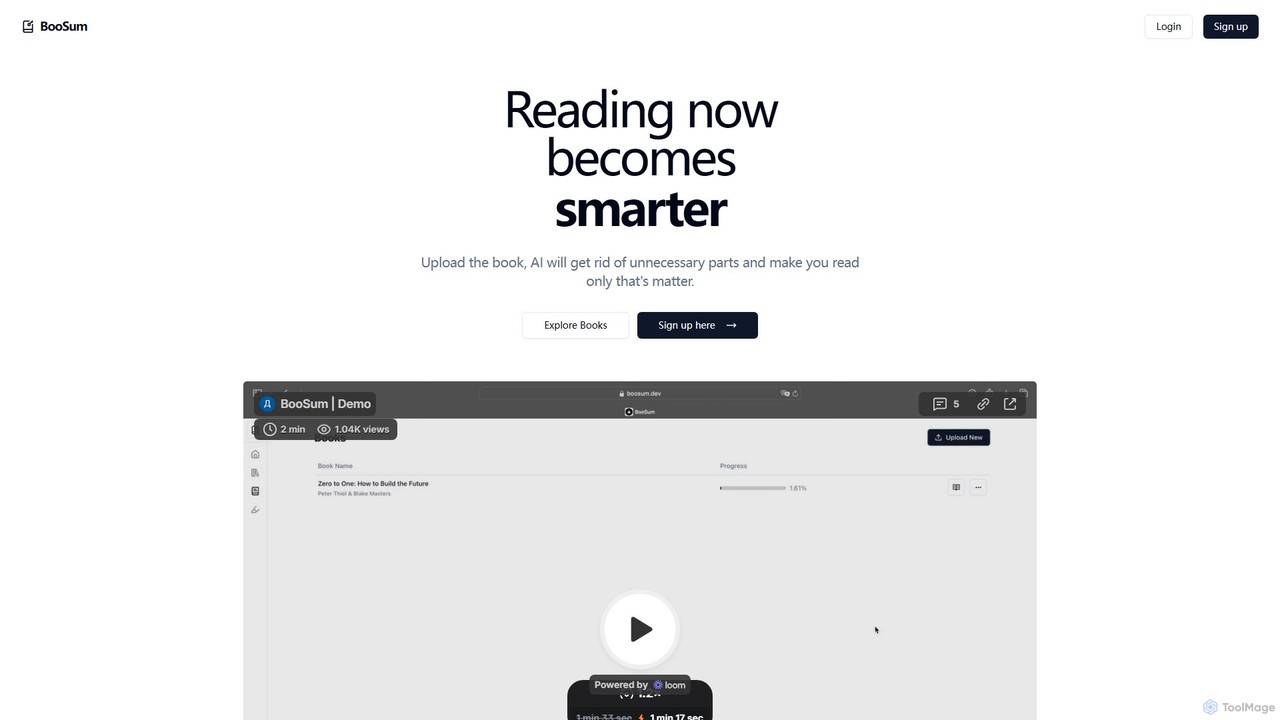
BooSum is an AI-powered reading platform that transforms your learning experience. Upload books in various formats (PDF, EPUB, etc.), and get intelligent summaries that distill key ideas. Chat with your books to ask questions, get instant explanations, and translate content into multiple languages. It's designed for students, professionals, and lifelong learners who want to read smarter, faster, and with deeper comprehension.

Analysis
Visits 3.8KFavorites 114Likes 112
SearchMyDocs.ai
Paid

SearchMyDocs.ai

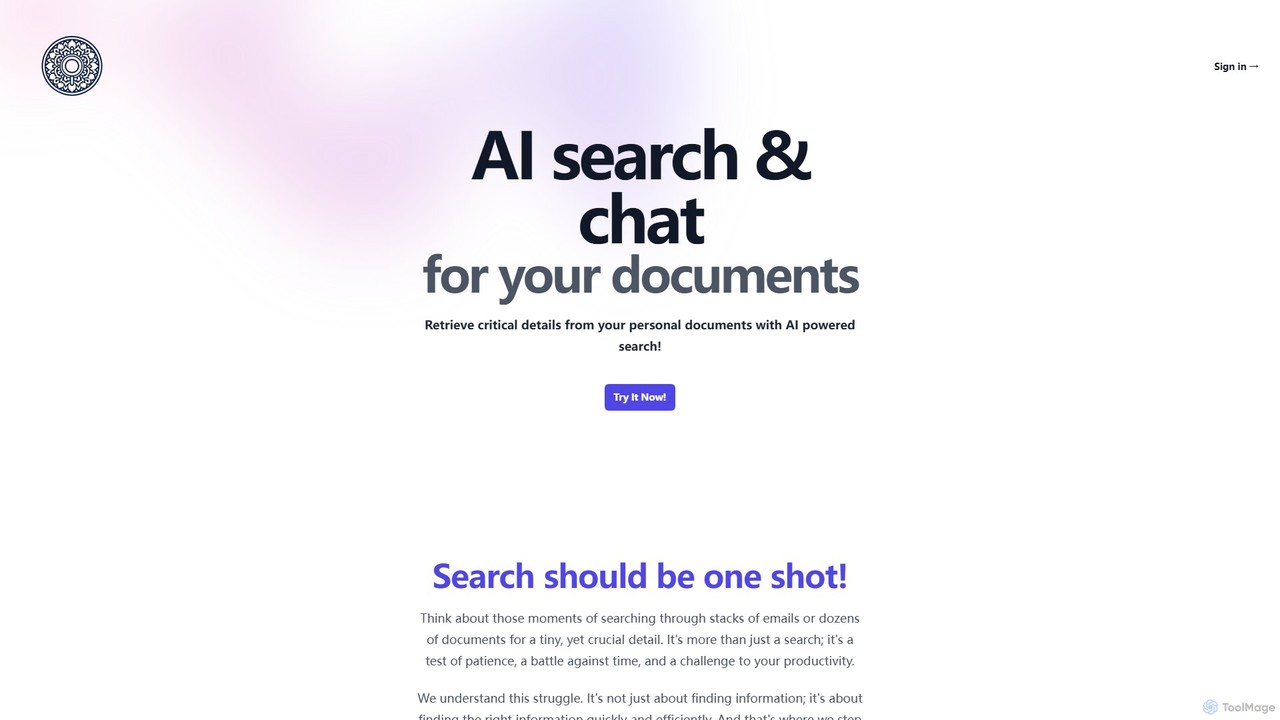
SearchMyDocs.ai is an AI-powered search engine that allows you to chat with your private documents. Upload files like PDFs, Word docs, and images, and ask questions to retrieve specific information instantly. It acts as a secure, private ChatGPT for your personal document library, ensuring quick and precise answers while prioritizing data privacy with robust encryption.

Chat With Pdf
Visits 4.2KFavorites 117Likes 136

About Document

Document AI tools are AI-powered solutions designed to process, understand, generate, and manage various types of documents. Leveraging advanced technologies like Natural Language Processing (NLP), Optical Character Recognition (OCR), and machine learning, these tools automate complex document-centric tasks. They significantly enhance efficiency, accuracy, and insights across diverse industries by transforming unstructured data into actionable information.

Core Features

  • Intelligent Summarization: Automatically condenses long documents into concise summaries, highlighting key information.
  • Information Extraction: Identifies and extracts specific data points, entities, and relationships from unstructured text.
  • Automated Document Generation: Creates new documents, reports, or contracts based on templates and input data.
  • Semantic Search: Enables users to find relevant information within large document repositories based on meaning, not just keywords.
  • Document Classification & Routing: Automatically categorizes documents and directs them to the appropriate department or workflow.

Use Cases

AI Document tools are widely adopted in sectors requiring extensive document handling, such as legal, finance, healthcare, and human resources. They are used by professionals to streamline contract reviews, automate data entry from invoices, generate personalized reports, and manage vast archives of digital information efficiently.

How to Choose

When selecting an AI Document tool, consider its accuracy in data extraction and summarization, compatibility with your existing systems, and the range of document types it supports. Evaluate its security features for sensitive data, scalability for future growth, and pricing model to ensure it aligns with your budget and specific operational needs.

Featured tool rankings

Document use cases

1

Automated Contract Analysis for Legal Teams

Legal professionals can use Document AI tools to automatically review large volumes of contracts, identifying key clauses, potential risks, and compliance issues. By leveraging AI for information extraction and semantic understanding, teams can reduce manual review time by up to 70%, ensuring greater accuracy and consistency across legal documents, and accelerating due diligence processes.

2

Summarizing Research Papers for Academics

Researchers and students can utilize Document AI tools to quickly generate concise summaries of academic papers, articles, and reports. Instead of reading entire lengthy texts, users can obtain the core arguments, methodologies, and findings in minutes, significantly accelerating literature reviews and knowledge acquisition, allowing more time for critical analysis and original thought.

3

Automating Invoice Data Entry for Finance Departments

Finance departments can deploy Document AI tools to automate the extraction of critical data from invoices, receipts, and expense reports. Using OCR and intelligent data parsing, the tools accurately capture vendor names, amounts, dates, and line items, reducing manual data entry errors and processing time by over 80%, leading to faster reconciliation and improved financial reporting.

4

Generating Personalized Marketing Content

Marketing teams can leverage Document AI to generate personalized content at scale, such as email campaigns, product descriptions, or social media posts. By feeding customer data and product information into the AI, it can create tailored messages that resonate with specific audience segments, improving engagement rates and reducing the manual effort of content creation.

5

Enhancing Customer Support with Knowledge Base Creation

Customer support departments can use Document AI tools to automatically extract frequently asked questions (FAQs) and solutions from existing support tickets, manuals, and internal documents. This enables the rapid creation and maintenance of comprehensive knowledge bases, empowering customers with self-service options and reducing the workload on support agents by providing instant, accurate answers.

6

Streamlining HR Onboarding with Document Processing

HR departments can utilize Document AI to automate the processing of new hire paperwork, including resumes, offer letters, and compliance forms. The tools can extract relevant candidate information, verify data against internal systems, and automatically route documents for approvals, significantly reducing the administrative burden of onboarding and ensuring a smoother, faster experience for new employees.

Document FAQ

What are Document AI tools?

Document AI tools are artificial intelligence-powered software solutions designed to automate and enhance tasks related to document processing. They leverage technologies like Natural Language Processing (NLP) and Optical Character Recognition (OCR) to understand, extract, generate, and manage information from various document formats. These tools aim to convert unstructured document data into structured, actionable insights, significantly improving efficiency and accuracy in document-heavy workflows across industries.

How do AI Document tools improve business operations?

AI Document tools significantly enhance business operations by automating repetitive, manual tasks such as data entry, document classification, and information extraction. This automation reduces human error, accelerates processing times, and frees up employees to focus on higher-value activities. Furthermore, these tools provide deeper insights from document data, improve compliance by ensuring consistent data handling, and enable faster decision-making, leading to overall operational efficiency and cost savings.

What are the core capabilities of Document AI tools?

The core capabilities of Document AI tools typically include intelligent summarization, which condenses long texts; information extraction, for pulling specific data points like names, dates, and amounts; and automated document generation, creating new documents from templates. They also offer semantic search for meaning-based retrieval, and document classification and routing for efficient organization. Advanced tools may also feature language translation and sentiment analysis within documents.

How to choose the right Document AI tool for my business?

To choose the right Document AI tool, evaluate its accuracy in data extraction and summarization, which is crucial for reliable results. Consider its compatibility with your existing IT infrastructure and the range of document types it supports (e.g., PDFs, images, handwritten notes). Assess its security protocols for handling sensitive information, its scalability to grow with your business needs, and its pricing model to ensure it fits your budget and offers a clear return on investment. User-friendliness and integration capabilities are also key.

What technologies power Document AI tools?

Document AI tools are primarily powered by a combination of advanced artificial intelligence technologies. Optical Character Recognition (OCR) is fundamental for converting scanned documents and images into machine-readable text. Natural Language Processing (NLP) enables the tools to understand, interpret, and generate human language, facilitating tasks like summarization and information extraction. Machine learning (ML) algorithms are used for pattern recognition, classification, and continuous improvement of accuracy based on training data. Deep learning, a subset of ML, further enhances the capabilities for complex semantic understanding and generation.