Magiq
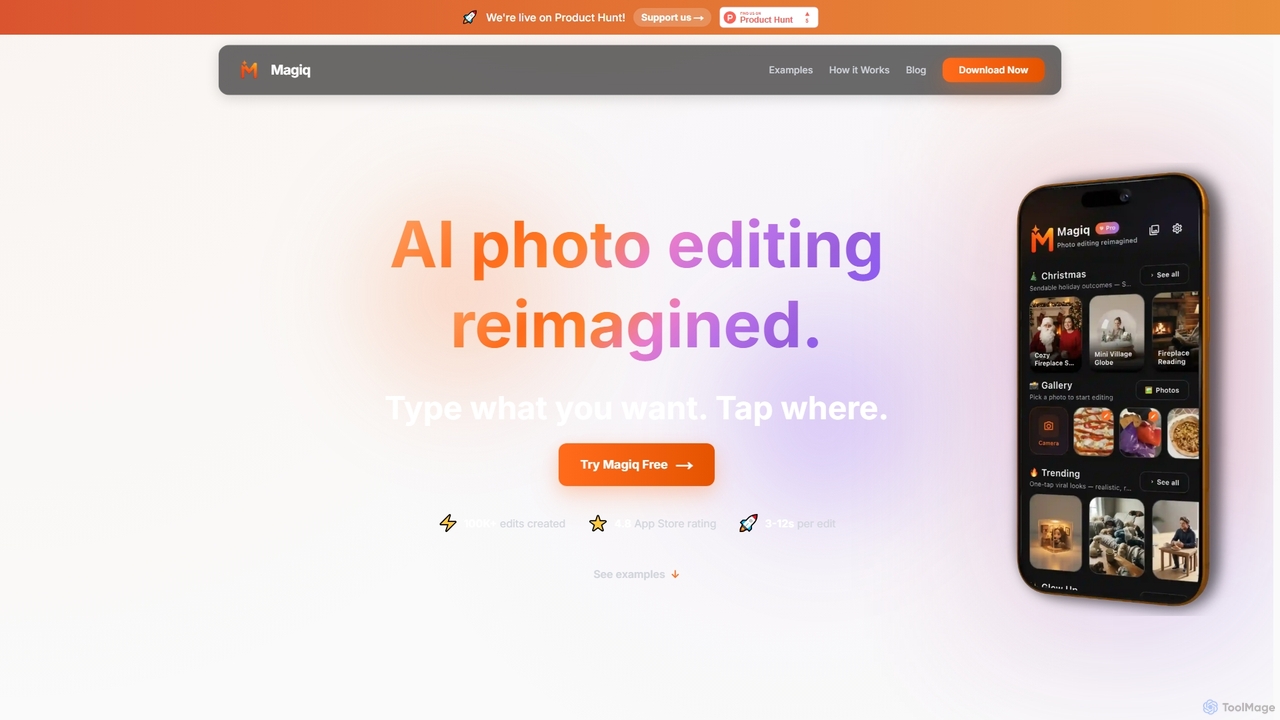
Magiq is an AI-powered photo editor for iOS and Android that redefines image transformation. With simple text instructions, …
Magiq is an AI-powered photo editor for iOS and Android that redefines image transformation. With simple text instructions, users can perform complex edits like background removal, outfit changes, smart lighting adjustments, and professional portrait creation. It delivers realistic, high-quality results in seconds, making advanced photo editing accessible to everyone.
Platoria
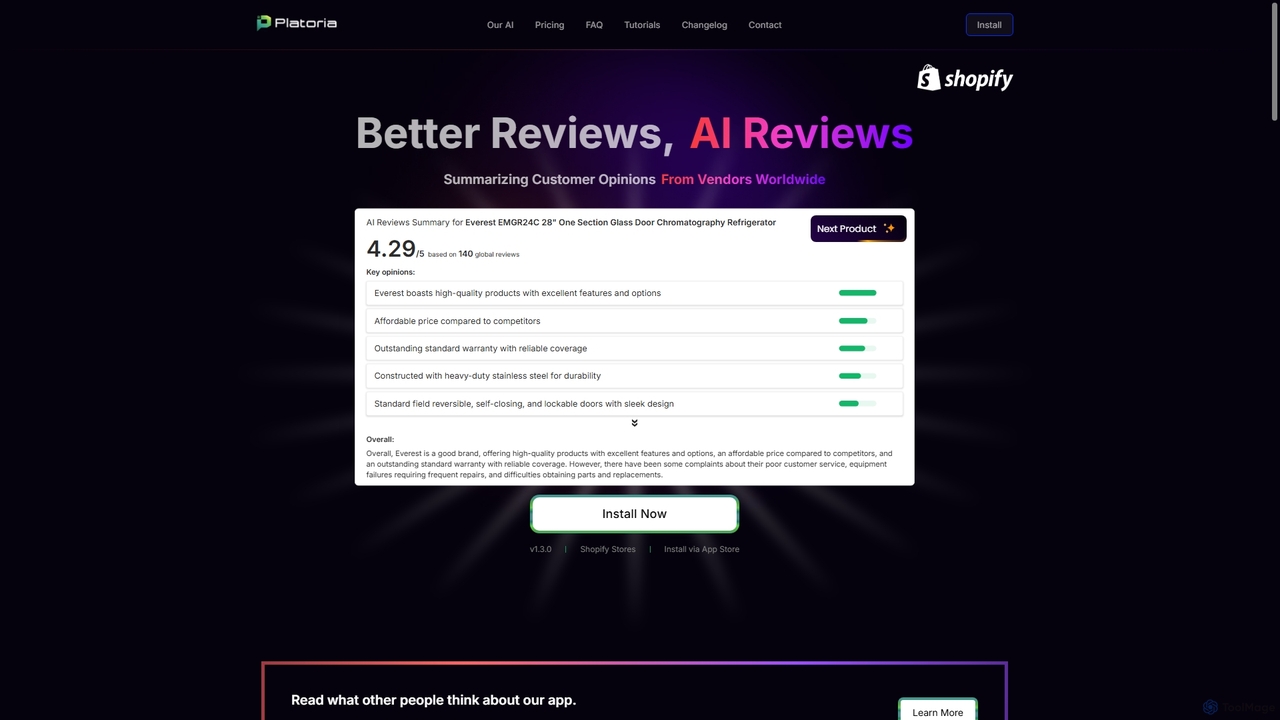
Platoria is an AI-powered Shopify app that automatically aggregates global product reviews and transforms them into concise, easy-to-read …
Platoria is an AI-powered Shopify app that automatically aggregates global product reviews and transforms them into concise, easy-to-read summaries. It helps e-commerce stores build instant social proof, increase customer trust, boost conversion rates, and improve SEO, even with zero native reviews.
Relish AI
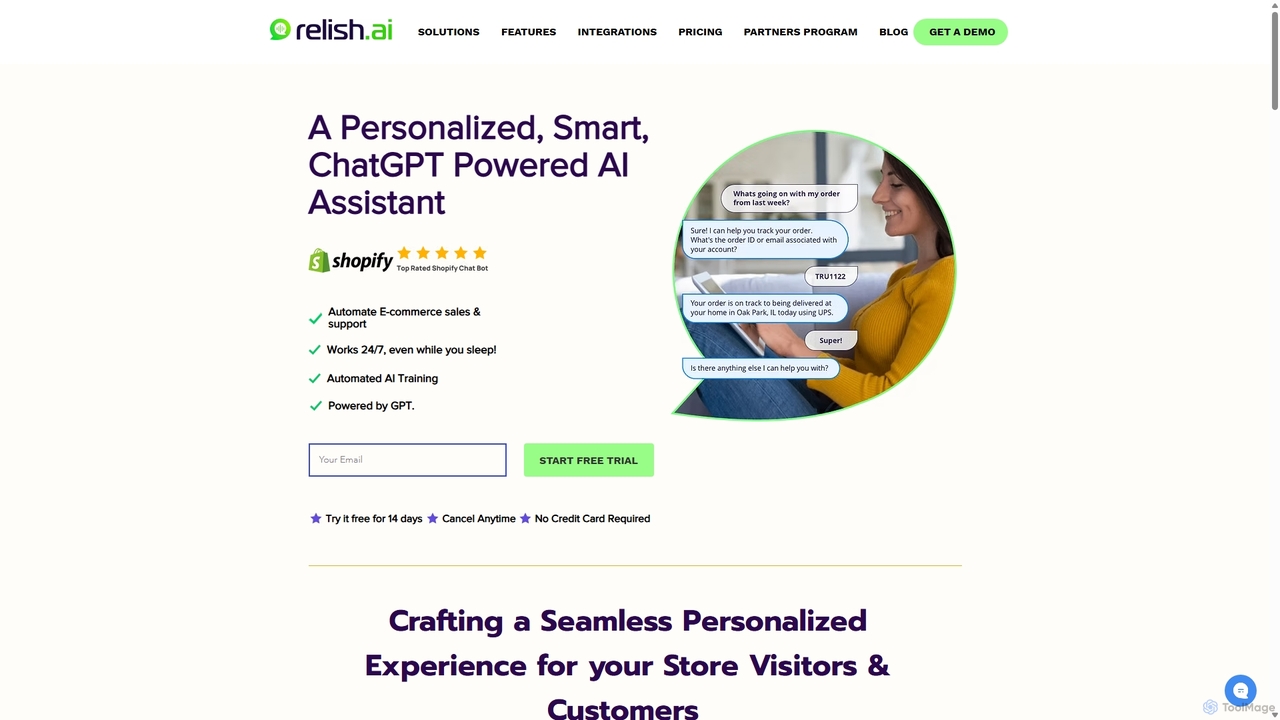
Relish AI is a GPT-powered chatbot and smart shopping assistant for Shopify stores. It automates sales and customer …
Relish AI is a GPT-powered chatbot and smart shopping assistant for Shopify stores. It automates sales and customer support 24/7, engaging customers with personalized recommendations, conversational search, and instant FAQ answers. Key features include abandoned cart recovery, lead generation, and seamless integration with helpdesks like Gorgias and Zendesk to boost conversions and reduce support costs.
Lushair
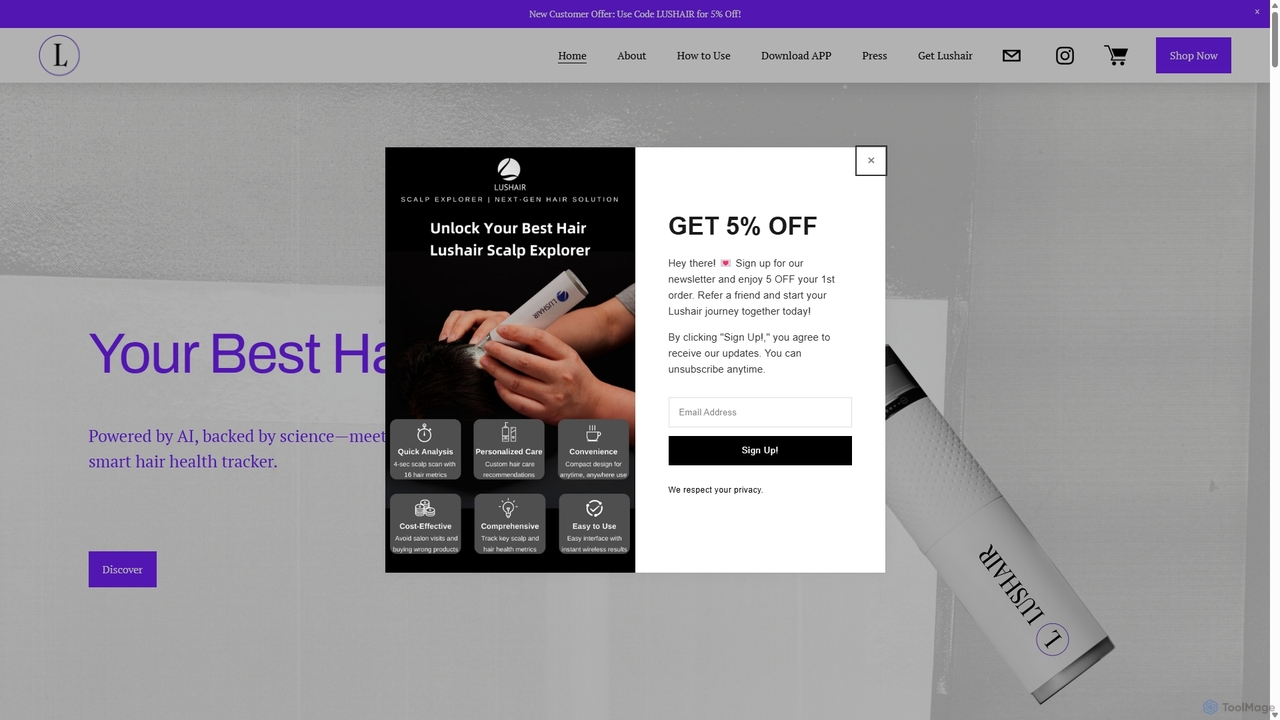
Lushair is an AI-powered hair and scalp analysis system that uses a smart dermascope and a mobile app …
Lushair is an AI-powered hair and scalp analysis system that uses a smart dermascope and a mobile app to provide clinic-grade diagnostics at home. It analyzes 16 vital signs to generate personalized care plans, including product, lifestyle, and professional recommendations, helping users proactively manage their hair health.

CleanerPro
CleanerPro is an AI-powered image editor app for Shopify, designed to effortlessly enhance your product photos. It allows …
CleanerPro is an AI-powered image editor app for Shopify, designed to effortlessly enhance your product photos. It allows you to remove unwanted objects, people, and text, erase backgrounds, upscale image resolution, and compress file sizes in seconds, ensuring your store's visuals are professional and load quickly.
Assisty
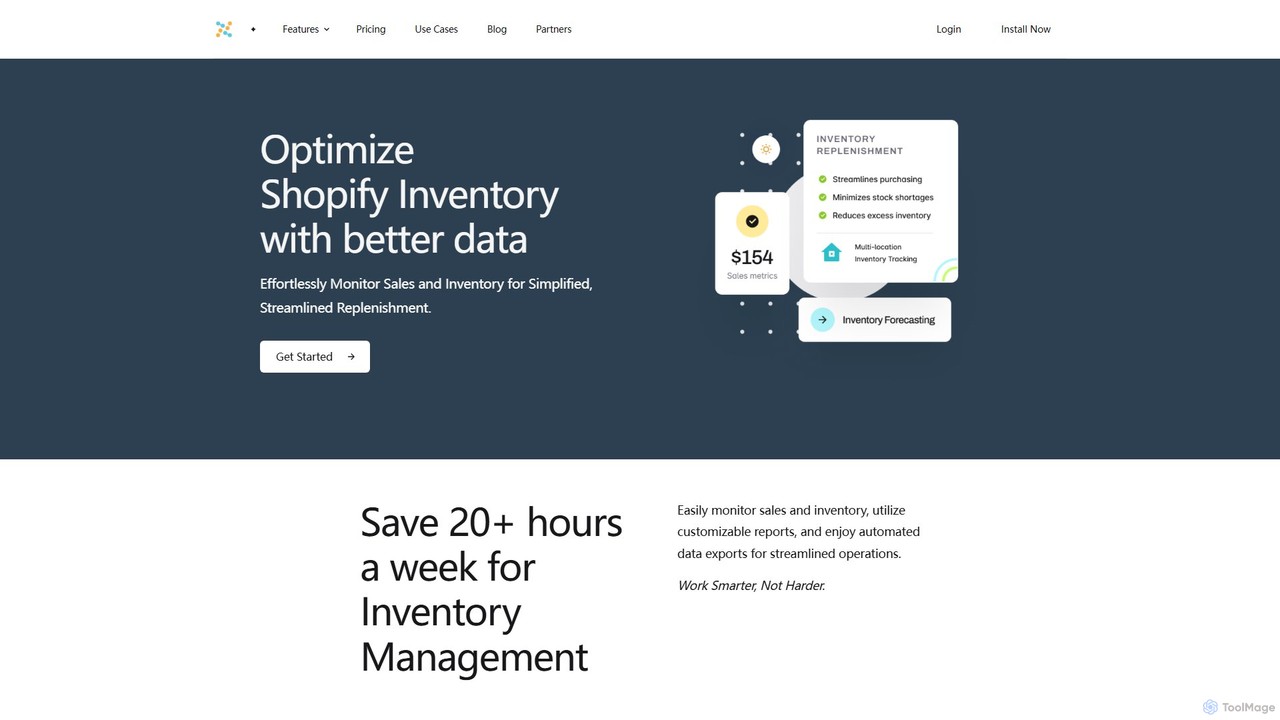
Assisty is an AI-powered inventory management and forecasting application for Shopify merchants. It helps businesses optimize stock levels, …
Assisty is an AI-powered inventory management and forecasting application for Shopify merchants. It helps businesses optimize stock levels, automate replenishment, and make data-driven decisions to prevent stockouts and overstocking, ultimately improving efficiency and profitability.
Vanga AI
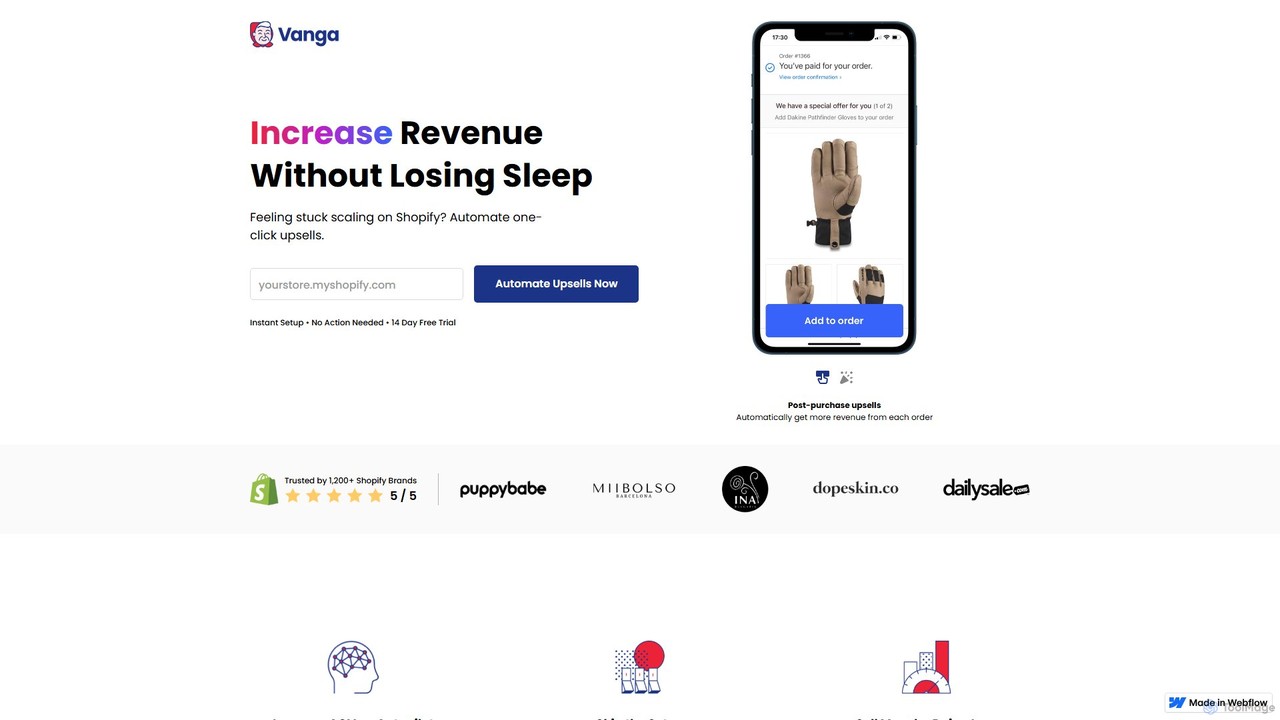
Vanga AI is an intelligent Shopify app that automates upsells and cross-sells to boost your store's revenue. Using …
Vanga AI is an intelligent Shopify app that automates upsells and cross-sells to boost your store's revenue. Using AI, it analyzes customer behavior to recommend products they are most likely to buy together, seamlessly integrating into the native Shopify checkout to increase your average order value with minimal effort.

AYCD
AYCD is a comprehensive automation suite designed to enhance productivity and efficiency for e-commerce, SEO, and account management. …
AYCD is a comprehensive automation suite designed to enhance productivity and efficiency for e-commerce, SEO, and account management. It offers a toolbox of specialized applications for tasks like AI-powered captcha solving, advanced SEO traffic generation, multi-account management, and creating unique browser profiles, helping users gain a competitive edge in their online activities.
PushOwl
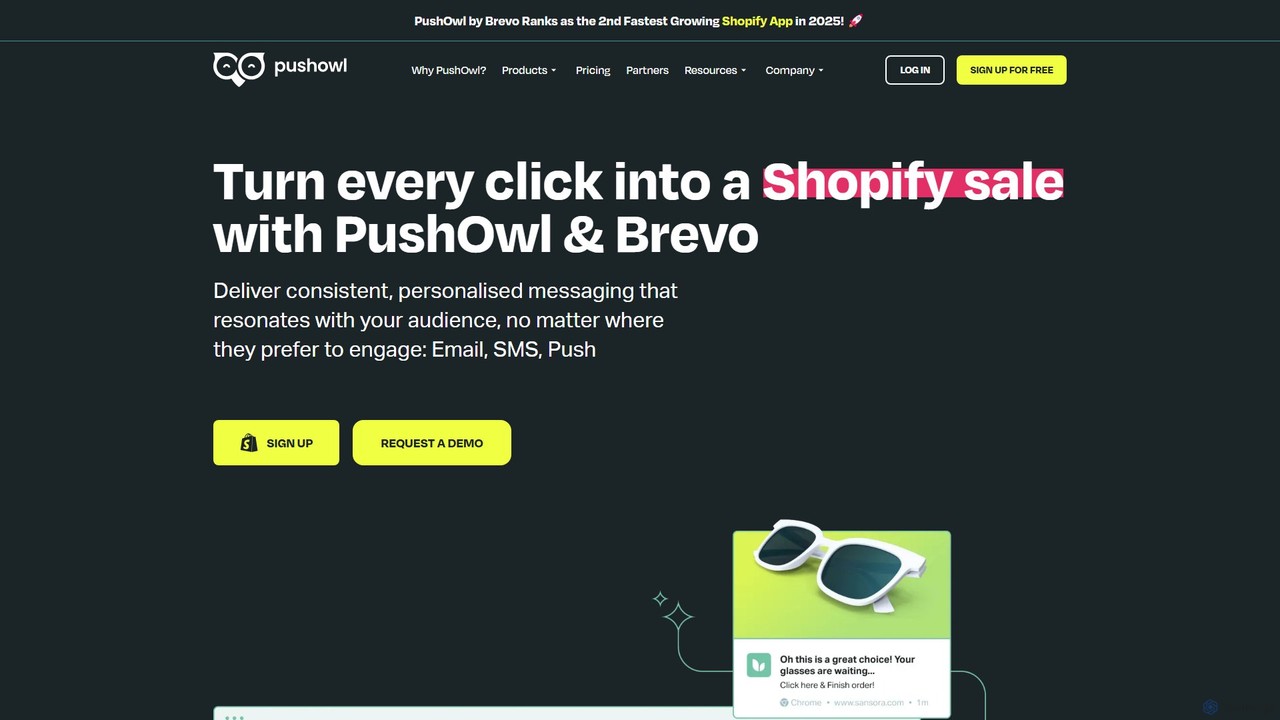
PushOwl is a unified omnichannel marketing platform for Shopify stores, combining AI-powered web push notifications, email, and SMS …
PushOwl is a unified omnichannel marketing platform for Shopify stores, combining AI-powered web push notifications, email, and SMS to convert visitors, recover abandoned carts, and significantly boost sales. It's designed for ease of use and high ROI.
HouseParty App
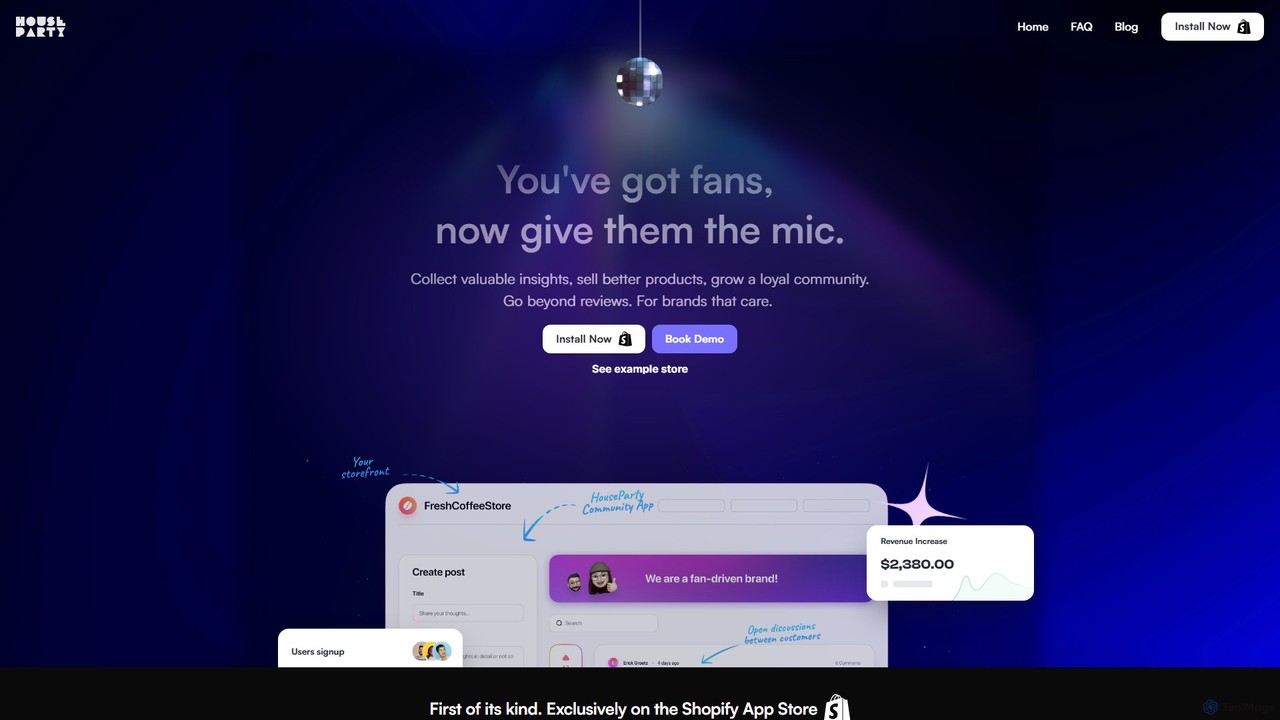
A Shopify app that helps e-commerce brands build an on-site community. It enables direct customer feedback, increases engagement …
A Shopify app that helps e-commerce brands build an on-site community. It enables direct customer feedback, increases engagement and loyalty, and boosts SEO through user-generated content, all within the brand's own store.
About E Commerce
E Commerce AI tools are a category of software solutions that leverage artificial intelligence to automate and optimize online retail operations. These tools utilize technologies like machine learning, natural language processing (NLP), and predictive analytics to analyze customer data and streamline processes. Their primary value lies in enhancing the customer experience, increasing sales conversions, and improving operational efficiency. By automating repetitive tasks and providing data-driven insights, they empower online businesses to make smarter decisions and compete more effectively.
Core Features
- Personalized Recommendations: Analyzes user behavior and purchase history to suggest relevant products, increasing cross-selling and up-selling opportunities.
- Customer Service Automation: Deploys AI-powered chatbots and virtual assistants to handle customer inquiries, track orders, and provide 24/7 support.
- Dynamic Pricing: Automatically adjusts product prices based on real-time market demand, competitor pricing, and inventory levels to maximize revenue.
- Inventory Forecasting: Uses predictive analytics to forecast product demand, helping to optimize stock levels and prevent stockouts or overstocking.
- Fraud Detection: Identifies and flags suspicious transaction patterns in real-time to minimize financial losses from fraudulent activities.
Use Cases
These tools are widely used by online retailers of all sizes, from small businesses on platforms like Shopify to large enterprise marketplaces. Key users include e-commerce managers seeking to optimize store performance, marketing teams aiming to personalize campaigns, and operations specialists focused on supply chain efficiency. They are applicable across various sectors, including fashion, electronics, and consumer goods.
How to Choose
When selecting an E Commerce AI tool, consider its integration capabilities with your existing platform (e.g., Shopify, Magento, WooCommerce). Evaluate the specific features offered and ensure they align with your primary business goals, whether it's improving customer support or optimizing pricing. Assess the tool's scalability to handle your business growth and consider the level of technical expertise required for implementation and management.
E CommerceUse Cases
Generate SEO-Friendly Product Descriptions
An e-commerce manager responsible for a catalog with thousands of products uses an AI tool to automate description writing. By inputting key product attributes like material, dimensions, and features, the AI generates unique, engaging, and SEO-optimized descriptions for each item in multiple languages. This process reduces the time spent on manual content creation from weeks to hours, ensures brand voice consistency, and improves product visibility on search engines, leading to increased organic traffic.
Create Personalized Email Marketing Campaigns
A marketing specialist uses an AI platform to analyze customer segments based on past purchases, browsing behavior, and cart abandonment data. The tool automatically generates personalized email content, including tailored product recommendations and subject lines. This allows the specialist to launch highly targeted campaigns at scale, resulting in significantly higher open rates, click-through rates, and ultimately, increased sales revenue compared to generic email blasts.
Provide 24/7 AI-Powered Customer Support
An online store owner implements an AI chatbot on their website to handle customer service. The chatbot is trained on the store's FAQ and product data, allowing it to instantly answer common questions like 'Where is my order?' or 'What is your return policy?'. It can also guide users to products and escalate complex issues to human agents. This provides immediate, round-the-clock support, improving customer satisfaction and freeing up the support team to focus on high-value interactions.
Optimize Product Pricing Dynamically
A category manager for a large online retailer uses a dynamic pricing tool to stay competitive. The AI continuously monitors competitor prices, market demand, inventory levels, and even factors like time of day. Based on this data, it automatically adjusts the prices of thousands of products to maximize profit margins without sacrificing sales volume. This replaces manual, time-consuming price checks and allows the business to react instantly to market changes.
Enable Visual Search for Product Discovery
A fashion e-commerce brand integrates an AI visual search tool into its website and mobile app. A customer can upload a photo of an outfit they saw on social media, and the AI instantly analyzes the image to find similar dresses, shoes, and accessories in the store's catalog. This creates an intuitive, 'search by photo' shopping experience that reduces friction in the discovery process, improves conversion rates, and helps customers find exactly what they are looking for without needing keywords.
Forecast Inventory Demand Accurately
An operations manager for an online electronics store uses an AI forecasting tool to optimize inventory. The system analyzes historical sales data, seasonality, promotional calendars, and market trends to predict future demand for each product. This allows the manager to make data-driven decisions on when and how much to reorder, preventing costly stockouts of popular items and reducing capital tied up in slow-moving inventory. The result is an improved supply chain and better cash flow management.