ToolMage
Sign in

Best 1 Conversational Commerce AI tools for Ecommerce

Popular Conversational Commerce AI tools in Ecommerce include OneText, helping you work more efficiently.

OneText

OneText

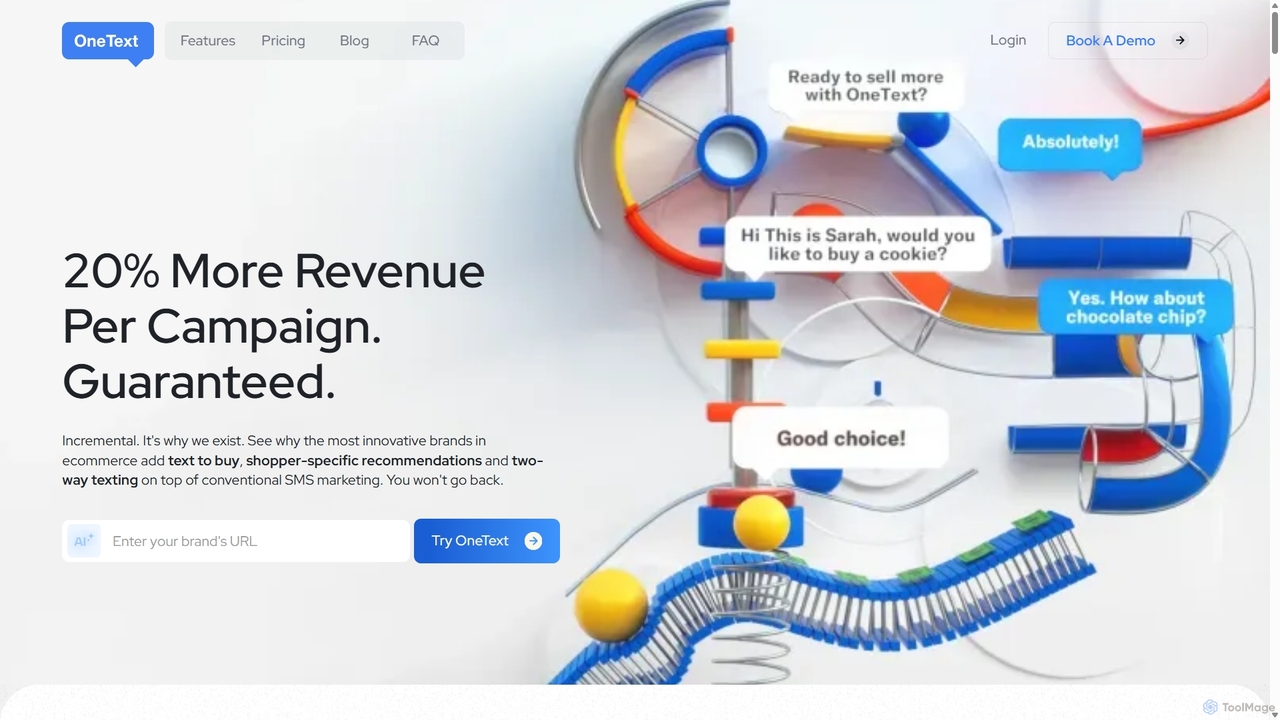
OneText is an AI-powered conversational commerce platform designed to boost e-commerce revenue. It enables customers to purchase products directly through text messages with its 'Text to Buy' feature, recovers abandoned carts, and provides personalized customer interactions through AI and live agents.

Chatbots
Visits 103.6KFavorites 126Likes 109

About Conversational Commerce

Conversational Commerce tools are AI-powered platforms that facilitate sales and customer service directly through messaging and chat interfaces. They leverage Natural Language Processing (NLP) to understand user intent, enabling personalized interactions from product discovery to checkout. This approach transforms the static e-commerce experience into a dynamic, one-on-one dialogue, boosting conversions and building customer relationships. These tools integrate with messaging apps, websites, and social media to engage customers where they are most active.

Core Features

  • AI Chatbots & Virtual Assistants: Provide 24/7 automated responses, guide users, and answer complex queries on various channels.
  • Guided Selling & Recommendations: Proactively ask questions to understand customer needs and suggest relevant products, mimicking an in-store assistant.
  • In-Chat Transactions: Allow users to browse products, add items to a cart, and complete payments securely without leaving the conversation.
  • Automated Order Management: Deliver real-time order confirmations, shipping updates, and handle return or exchange requests automatically.
  • Proactive Engagement: Initiate conversations to recover abandoned carts, announce promotions, or offer assistance based on user behavior.

Use Cases

These tools are highly effective for direct-to-consumer (D2C) brands, online retail, travel agencies, and service-based businesses. They are used to create interactive shopping experiences, automate lead qualification, provide instant post-purchase support, and run targeted marketing campaigns on platforms like WhatsApp and Facebook Messenger.

How to Choose

When selecting a Conversational Commerce tool, evaluate its integration capabilities with your existing e-commerce platform (e.g., Shopify, Magento) and preferred messaging channels. Assess the sophistication of its AI and NLP for handling complex conversations. Also, consider the ease of building and customizing conversation flows, and the quality of its analytics for tracking sales funnels and user engagement.

Conversational Commerce use cases

1

Interactive Product Discovery and Guided Selling

An online fashion retailer uses a conversational commerce tool on their website and Facebook Messenger. When a visitor arrives, the AI chatbot initiates a conversation, asking about their style preferences, occasion, and budget. Based on the answers, it presents a curated selection of products with images and links directly in the chat. This guided selling process helps customers find the perfect item quickly, mimicking a personal shopper experience and increasing the average order value by suggesting complementary accessories.

2

Automated Abandoned Cart Recovery via Messaging

An e-commerce store selling electronics integrates a conversational tool with their Shopify platform. When a customer adds items to their cart but doesn't complete the purchase within an hour, the system automatically sends a personalized message via WhatsApp or SMS. The message might offer a small discount, answer a potential question about shipping, or simply remind them of the items. The customer can reply directly to ask questions or click a link that takes them straight back to their pre-filled checkout page, significantly improving cart recovery rates compared to email-only reminders.

3

24/7 Post-Purchase Support and Order Tracking

A direct-to-consumer (D2C) furniture brand uses a conversational AI to handle post-purchase inquiries. After a purchase, customers receive their order confirmation via Messenger. They can then ask the chatbot questions like "Where is my order?" or "How do I assemble this chair?". The AI, connected to the logistics and knowledge base systems, provides instant tracking updates or links to assembly video tutorials. This frees up human agents from repetitive queries and provides customers with immediate, round-the-clock support, enhancing satisfaction and trust.

4

Booking Appointments and Services via Chat

A local spa and wellness center implements a conversational commerce bot on its website and Instagram page. Potential clients can interact with the bot to check for available services, view pricing, and see open time slots. The bot can book an appointment directly within the chat, collect a deposit payment via an integrated payment gateway, and send an automated confirmation and reminder. This automates the entire booking process, reducing no-shows and allowing staff to focus on serving clients rather than managing schedules.

5

Proactive Lead Generation and Qualification

A B2B software company uses a conversational bot on its pricing page. When a user spends more than 30 seconds on the page, the bot proactively asks, "Finding the right plan? I can help you choose or schedule a demo with an expert." The bot then asks a series of qualifying questions (company size, role, main challenge). Based on the answers, it either recommends a specific plan or directly integrates with a sales representative's calendar to book a demo. This process captures and qualifies leads 24/7, ensuring the sales team only engages with high-intent prospects.

6

Executing Personalized Marketing Campaigns in Chat

A cosmetics brand launches a new product and uses its conversational commerce platform to run a targeted campaign. They send a broadcast message via Facebook Messenger to customers who have previously purchased similar items. The message includes a short video of the new product and an interactive quiz to find the user's perfect shade. Based on the quiz results, the bot recommends a specific shade and offers a limited-time launch discount, with a button to "Buy Now" directly in the chat. This creates a highly engaging and personalized marketing funnel with a clear path to purchase.

Conversational Commerce FAQ

What is Conversational Commerce?

Conversational Commerce is an e-commerce methodology where brands and customers interact and transact through chat, messaging apps, or voice assistants. Instead of navigating a traditional website, customers engage in a dialogue with an AI-powered bot or a human agent to discover products, get personalized recommendations, ask questions, and complete their purchase directly within the conversational interface. It aims to make online shopping more personal, convenient, and interactive.

How does Conversational Commerce differ from a standard website chatbot?

A standard website chatbot is often limited to answering basic FAQs or routing inquiries to the correct department. Conversational Commerce platforms are far more advanced and sales-focused. Key differences include:

  • Full-Funnel Capability: They guide users from initial interest all the way to a completed purchase within the chat.
  • Transactional Features: They integrate with payment gateways to handle transactions securely.
  • Deep Integration: They connect with e-commerce platforms (like Shopify) and CRM systems to access product catalogs, inventory, and customer data for personalization.
  • Proactive Engagement: They can initiate conversations for purposes like abandoned cart recovery, which basic chatbots typically cannot do.

How do I choose the right Conversational Commerce platform?

Choosing the right platform depends on your specific business needs. Consider these key factors:

  • Channel Integrations: Ensure it supports the channels where your customers are most active (e.g., WhatsApp, Instagram DM, Facebook Messenger, website chat).
  • E-commerce Platform Integration: Check for seamless integration with your store's backend (e.g., Shopify, WooCommerce, Magento) to sync products, inventory, and orders.
  • AI & NLP Capabilities: Evaluate how well the AI understands natural language, handles complex queries, and maintains context in a conversation.
  • Ease of Use: Look for a platform with a user-friendly interface and a visual flow builder that allows you to create and modify conversations without coding.
  • Analytics and Reporting: The tool should provide clear insights into conversion rates, user engagement, and sales generated through the chat funnel.

What are the main benefits of implementing Conversational Commerce?

Implementing Conversational Commerce offers several significant benefits. It enhances the customer experience by providing instant, personalized, and 24/7 support, leading to higher satisfaction and loyalty. It can directly increase sales by simplifying the buying process, recovering abandoned carts, and effectively upselling or cross-selling products. Operationally, it boosts efficiency by automating repetitive tasks, allowing human agents to focus on more complex issues. Finally, it provides valuable data and insights into customer preferences and pain points through direct conversation.

Which businesses are best suited for Conversational Commerce?

Conversational Commerce is versatile, but it is particularly effective for businesses with a high volume of customer interactions and a focus on personalization. This includes:

  • E-commerce & D2C Brands: Especially in fashion, beauty, and electronics, where guided selling and personalized recommendations can significantly impact sales.
  • Travel & Hospitality: For booking flights, hotels, and tours, and providing real-time travel assistance.
  • Service-Based Businesses: Such as salons, clinics, and consultants, for automating appointment scheduling and lead qualification.
  • Food & Beverage: For handling online orders, reservations, and customer feedback through chat.
In general, any business looking to reduce friction in the buying process and build stronger customer relationships can benefit.