ToolMage
Sign in

Best 2 Custom Products AI tools for Ecommerce

Popular Custom Products AI tools in Ecommerce include Bohita and Gensbot, helping you work more efficiently.

Bohita
Freemium

Bohita

Bohita is an AI platform that transforms your imagination into reality. Create unique, custom-designed apparel like t-shirts and hoodies from text prompts, or turn your photos into enchanting Ghibli-style animated movies. It's a seamless way to express your individuality through fashion and digital art.

Image Generation
Visits 5.4KFavorites 108Likes 112
Gensbot
Paid

Gensbot

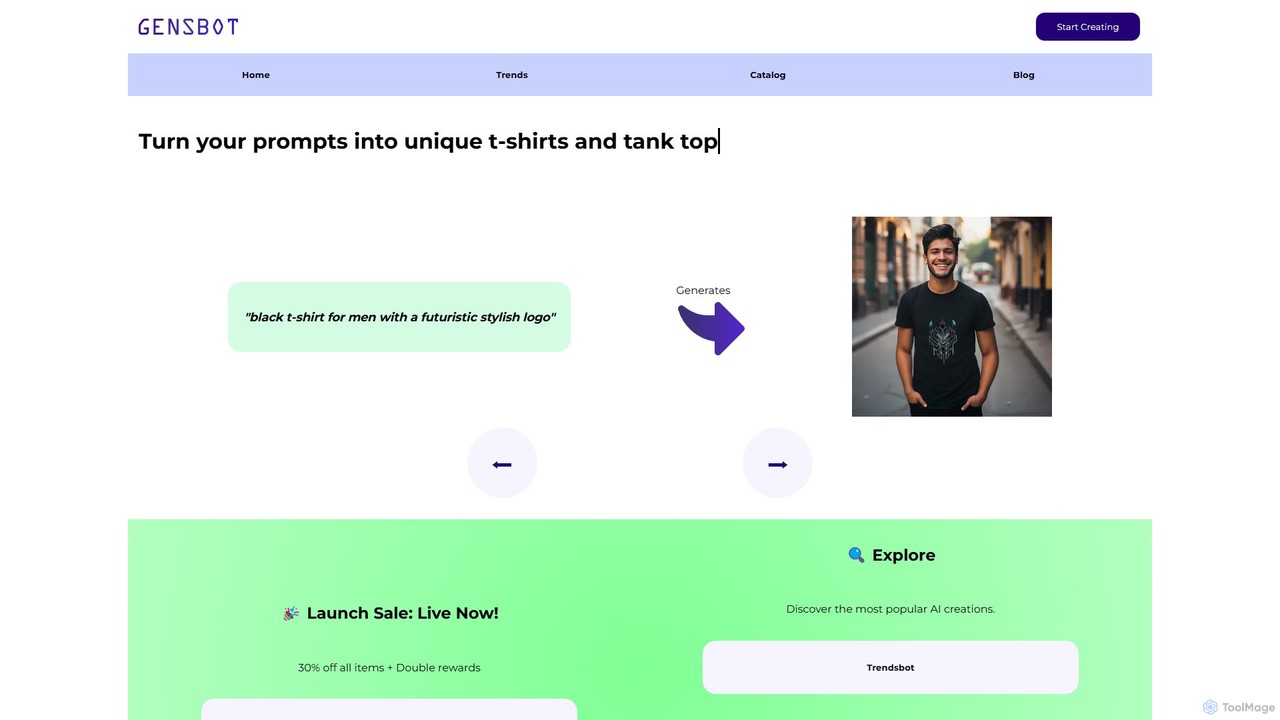
Gensbot is an AI-powered e-commerce platform that transforms your text prompts into unique, custom-designed merchandise. Create personalized t-shirts, mugs, phone cases, and more in seconds without any design skills. It offers on-demand, sustainable production with local suppliers worldwide, making it easy to get high-quality, one-of-a-kind items for yourself, as gifts, or for your brand.

Generative Art
Visits 5.4KFavorites 128Likes 117

About Custom Products

AI Custom Products tools are a specialized category of ecommerce software that uses artificial intelligence to automatically generate, design, and visualize personalized merchandise. These tools leverage generative AI and computer vision to interpret user inputs, such as text prompts or images, and create unique designs on demand. This enables online businesses to offer a vast range of customizable items—from apparel to home decor—at scale, significantly reducing manual design effort and time-to-market. They empower both sellers and customers to become co-creators, enhancing engagement and product appeal.

Core Features

  • AI Design Generation: Automatically creates unique graphics, patterns, and text styles from simple text prompts.
  • Product Mockup Visualization: Instantly generates realistic images of the custom design on various products like t-shirts, mugs, and phone cases.
  • Automated Personalization: Allows customers to easily add their own text, upload images, or modify AI-generated designs in real-time.
  • Print-Ready File Output: Generates high-resolution, production-ready files formatted for print-on-demand (POD) services.

Use Cases

These tools are primarily used in the print-on-demand (POD) and personalized gifts sectors. Ecommerce entrepreneurs, Etsy sellers, and marketing teams use them to rapidly create and test new product lines without upfront design costs. They are also integrated into storefronts to offer customers a 'design-it-yourself' experience, boosting conversion rates for items like custom apparel, corporate swag, and personalized accessories.

How to Choose

When selecting an AI Custom Products tool, first evaluate the quality and artistic style of the AI-generated designs to ensure they align with your brand. Second, check its integration capabilities with your ecommerce platform (e.g., Shopify, WooCommerce) and POD suppliers. Also, consider the user interface for both the store owner and the end customer—it should be intuitive and seamless. Finally, analyze the pricing model, whether it's a subscription, a per-design fee, or a commission on sales.

Custom Products use cases

1

Automate a Print-on-Demand T-Shirt Store

An ecommerce entrepreneur wants to launch a t-shirt store focused on niche hobbies but lacks design skills. Using an AI Custom Products tool, they input text prompts like 'vintage synthwave poster design for cat lovers' or 'minimalist line art for rock climbing'. The AI generates dozens of unique, commercially-viable designs in minutes. The tool then automatically creates mockups on different t-shirt colors and models, and pushes these new products directly to their Shopify store, complete with titles and descriptions. This process allows them to launch hundreds of products in a single day, testing market demand without any manual design work.

2

Offer Personalized Pet Portrait Merchandise

A gift shop owner wants to offer custom pet merchandise. They integrate an AI tool into their website. A customer uploads a photo of their dog. The AI tool automatically removes the background and offers several artistic styles, such as 'Cartoon', 'Renaissance Painting', or 'Pop Art'. The customer chooses the 'Cartoon' style, adds their pet's name, and can instantly preview the final design on a mug, a canvas print, and a phone case. Upon purchase, the tool generates a high-resolution, print-ready file and sends it directly to the print provider, automating the entire fulfillment process.

3

Design Custom Corporate Swag in Bulk

A marketing manager needs to create branded merchandise for an upcoming company event. Instead of hiring a designer, they use an AI tool. They upload the company logo and brand color palette. The AI generates 50 different design concepts for tote bags, notebooks, and water bottles that adhere to the brand guidelines. The manager selects the top five designs and uses the tool's personalization feature to add each employee's name to the items. This approach saves significant time and budget compared to traditional design processes and allows for mass personalization effortlessly.

4

Generate AI-Powered Jewelry Designs

A direct-to-consumer jewelry brand wants to offer a unique co-creation experience. They use an AI tool that allows customers to describe their desired piece of jewelry. A user types, 'a silver pendant shaped like a minimalist wave with a small sapphire'. The AI generates several 3D models of the pendant based on the description. The user can then select a model, adjust the size of the wave or the position of the sapphire, and see a real-time 3D preview. Once finalized, the 3D model is sent to a manufacturer for 3D printing and casting, turning a customer's idea into a physical product.

5

Create Personalized Children's Storybooks

An online publisher specializes in personalized gifts for children. They use an AI platform where a parent can create a custom storybook. The parent inputs their child's name, gender, and key characteristics (e.g., hair color, eye color). They also select a story theme, like 'A Space Adventure' or 'The Magical Forest'. The AI generates a complete, illustrated storybook where the main character matches the child's description and name. The parent can review and edit the text before ordering a printed copy. This creates a deeply personal and unique gift that would be prohibitively expensive to produce manually.

6

Dynamic Phone Case Design Generation

An online store selling phone cases wants to offer infinite design possibilities. They embed an AI design generator on their product pages. A customer selects their phone model and then types a theme into a text box, such as 'cyberpunk city at night' or 'watercolor floral pattern'. The AI instantly generates four unique design options based on the prompt. The customer can then click a 'generate more' button to see endless variations or refine their prompt. This interactive experience keeps users engaged and dramatically increases the likelihood of them finding a design they love, leading to higher conversion rates than a static catalog.

Custom Products FAQ

What are AI Custom Products tools?

AI Custom Products tools are applications that use artificial intelligence, particularly generative AI, to automate the creation of personalized merchandise. Instead of requiring manual design work, these tools can generate unique designs from text prompts, apply them to product mockups, and even process customer-uploaded images into stylized art. They are primarily used by ecommerce businesses, especially in the print-on-demand sector, to offer a wide variety of custom products at scale without significant upfront investment in design.

How to choose the right AI tool for custom products?

Choosing the right tool depends on your specific needs. Consider these four factors:

  • Design Quality & Style: Does the AI generate designs that match your brand's aesthetic? Review its portfolio and test its generation capabilities.
  • E-commerce Integration: Ensure the tool seamlessly connects with your sales platform (e.g., Shopify, Etsy, WooCommerce) and your chosen print-on-demand provider.
  • Product Catalog: Check if the tool supports the types of products you want to sell (apparel, mugs, posters, etc.) and offers a wide range of mockups.
  • Pricing Model: Compare costs. Some tools charge a monthly subscription, others take a percentage of sales, and some have a pay-per-design model. Choose one that aligns with your business volume and margins.
What's the difference between AI Custom Products tools and standard design software like Photoshop?

The key difference is automation and accessibility. Standard design software like Adobe Photoshop requires significant artistic skill and manual effort to create each individual design. AI Custom Products tools are built for speed and scale. They automate the creative process, allowing users without design experience to generate hundreds of unique designs from simple text prompts. They also automate the tedious work of creating mockups and preparing print-ready files, which would be a time-consuming manual process in Photoshop.

What kind of products can be customized with these AI tools?

The range of customizable products is constantly expanding. The most common categories include:

  • Apparel: T-shirts, hoodies, sweatshirts, hats, and tote bags.
  • Drinkware: Coffee mugs, tumblers, and water bottles.
  • Home Decor: Posters, canvas prints, pillows, and blankets.
  • Accessories: Phone cases, stickers, and notebooks.
  • Specialty Items: Some advanced tools can also help design more complex products like jewelry, custom books, or even patterns for fabrics.
Who are AI Custom Products tools for?

These tools cater to a wide range of users, from individuals to large businesses. Key user groups include:

  • E-commerce Entrepreneurs: Individuals or small teams starting a print-on-demand business with minimal design budget.
  • Etsy Sellers: Creators looking to quickly expand their product catalog with unique, personalized items.
  • Marketing Teams: Professionals creating branded merchandise and corporate gifts efficiently.
  • Content Creators: Influencers and artists who want to sell merchandise to their audience without needing to be design experts.
  • Consumers: End-users on websites that have integrated these tools, allowing them to create their own unique products.