goodhues
goodhues is an AI-powered interior design and shopping companion. Discover professionally curated design templates, use AI to visualize …
goodhues is an AI-powered interior design and shopping companion. Discover professionally curated design templates, use AI to visualize and customize them for your own space, and directly shop for every item in the design. It bridges the gap between design inspiration and real-world implementation, making professional interior design accessible to everyone.
superdwell
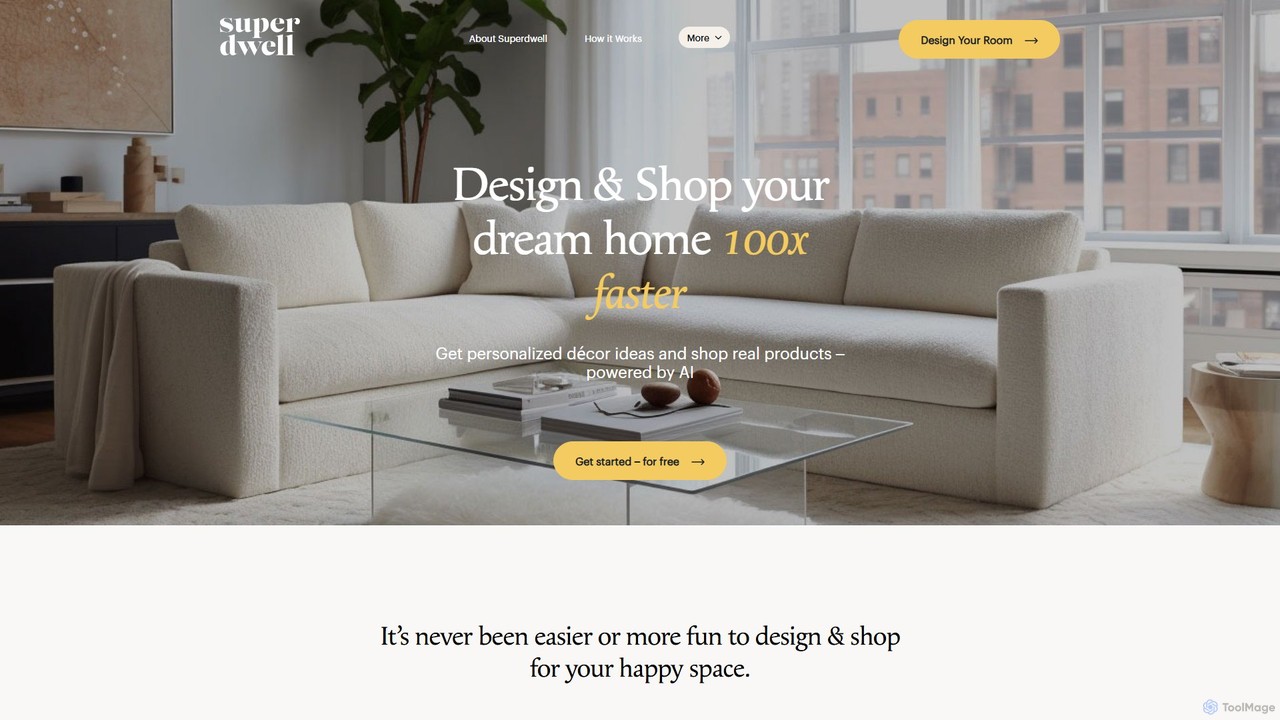
superdwell is an AI-powered online interior design tool that helps you redesign your space in minutes. Upload a …
superdwell is an AI-powered online interior design tool that helps you redesign your space in minutes. Upload a photo of your room, choose your style, and receive personalized, shoppable design concepts. It transforms your design dreams into reality, allowing you to visualize and purchase real products directly from your new room design, making home styling faster and more accessible than ever.
Homiis
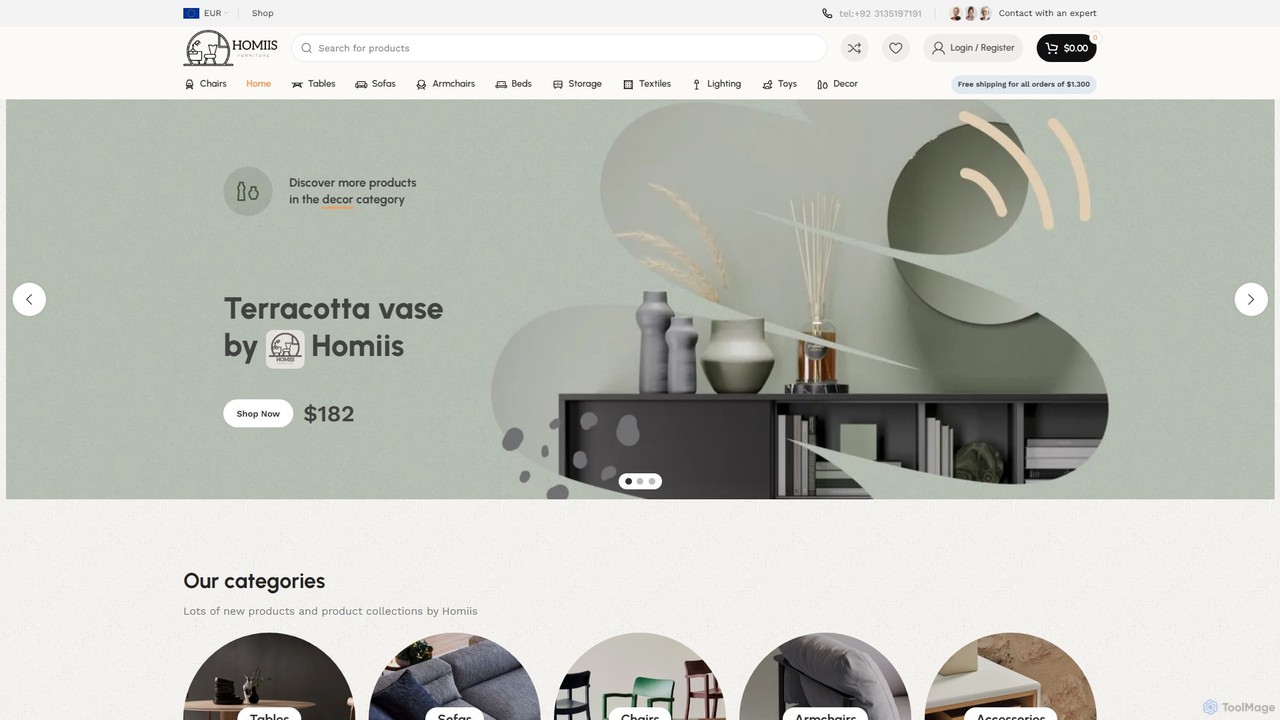
Homiis is an AI-powered interior design platform that helps you visualize and furnish your perfect home. It uses …
Homiis is an AI-powered interior design platform that helps you visualize and furnish your perfect home. It uses advanced AI to generate personalized design concepts, allows you to virtually place furniture in your room using AR, and provides curated recommendations from a high-quality furniture marketplace. Transform your space with confidence and ease.
About Furniture
AI Furniture tools are specialized applications that use artificial intelligence, augmented reality (AR), and 3D rendering to transform the online furniture shopping experience. These tools analyze product images and spatial data to allow customers to virtually place furniture in their own homes. This technology helps bridge the gap between online browsing and real-world application, significantly boosting buyer confidence and reducing return rates. They are a key component within ecommerce for creating interactive and personalized customer journeys.
Core Features
- AR Virtual Try-On: Enables customers to use their smartphone camera to visualize how a piece of furniture will look and fit in their own space in real-time.
- AI Room Staging & Design: Automatically generates fully furnished room designs or places furniture products into various lifestyle settings based on style preferences.
- 3D Model Generation: Creates high-fidelity, interactive 3D models of furniture from 2D product photos or design specifications.
- Personalized Recommendations: Analyzes user behavior and style choices to suggest complementary furniture pieces and decor items.
Use Cases
These tools are primarily used by online furniture retailers, interior design firms, and real estate companies. For example, an ecommerce store can integrate an AR viewer on its product pages, while an interior designer can use AI to quickly generate multiple layout concepts for a client. Real estate agents use them for virtual staging of empty properties.
How to Choose
When selecting an AI Furniture tool, consider the quality and realism of the AR and 3D models. Evaluate its ease of integration with your existing ecommerce platform (e.g., Shopify, Magento). Also, assess the customization options available for materials and colors, and review the pricing model, which may be based on usage, subscriptions, or per-model fees.
FurnitureUse Cases
Boost Sales with AR Furniture Try-On
An online furniture retailer wants to reduce customer hesitation and lower return rates. By integrating an AI-powered AR feature into their product pages, they allow shoppers to use their smartphones to project a true-to-scale 3D model of a sofa directly into their living room. The customer can walk around the virtual sofa, check its dimensions against their existing space, and switch between different fabric colors. This immersive experience provides the confidence needed to make a purchase, leading to a measurable increase in conversion rates and a decrease in returns due to size or style mismatches.
Create Marketing Images without Photoshoots
A furniture brand's marketing team needs fresh lifestyle images for a new product line but faces a tight budget and timeline, making physical photoshoots impractical. Using an AI room staging tool, they upload 3D models of their furniture. The AI then generates dozens of high-resolution images, placing the products in various virtual settings like a modern loft, a cozy cottage, or a minimalist office. The team can specify lighting, camera angles, and decor styles. This process reduces content creation costs by over 80% and shortens the time-to-market from weeks to hours.
Personalized Interior Design Concepts
An interior designer needs to present multiple design concepts to a new client quickly. Instead of spending days creating manual mood boards and 2D layouts, the designer uses an AI furniture tool. They upload a photo of the client's empty room and input style preferences like 'Scandinavian' or 'Mid-Century Modern'. The AI instantly generates several fully-furnished 3D renderings of the room, complete with furniture, rugs, and lighting that match the chosen style. This allows the designer to present visually rich, personalized options within the first meeting, accelerating client approval and project kickoff.
Digitize Furniture Catalogs into 3D Models
An ecommerce business specializing in vintage furniture needs to create a digital 3D catalog for AR and web viewing. Manually creating 3D models for each unique piece is too slow and expensive. They adopt an AI tool that can generate a 3D model from a series of 2D photos taken with a smartphone. The operations manager simply walks around each piece of furniture, taking pictures from various angles. The AI processes these images, reconstructs the geometry and texture, and outputs a web-ready 3D model. This automates a complex process, allowing them to digitize their entire inventory in a fraction of the time and cost.
Provide Smart Furniture Recommendations
An online home decor marketplace wants to increase its average order value by helping customers discover complementary products. They implement an AI recommendation engine on their website. When a customer adds a dining table to their cart, the AI analyzes its style, material, and color. It then displays a curated selection of matching dining chairs, pendant lights, and area rugs. The recommendations are context-aware, ensuring they fit the aesthetic of the primary item. This 'shop the look' functionality encourages customers to purchase complete sets, significantly boosting sales per transaction.
Virtually Stage Properties for Faster Sales
A real estate agent is struggling to sell an empty apartment because potential buyers find it hard to visualize the space's potential. Instead of paying for expensive physical staging, the agent uses an AI virtual staging tool. They upload photos of the empty rooms. The AI tool allows them to select a design style (e.g., 'Coastal', 'Industrial') and automatically furnishes the rooms with realistic 3D furniture, decor, and lighting. The newly staged photos are used in the online listing, attracting more viewers and helping buyers emotionally connect with the property. This leads to a faster sale at a better price, with minimal upfront cost.