DialAWorktop
DialAWorktop is a comprehensive online platform for designing, selecting, and installing premium kitchen worktops in the UK. It …
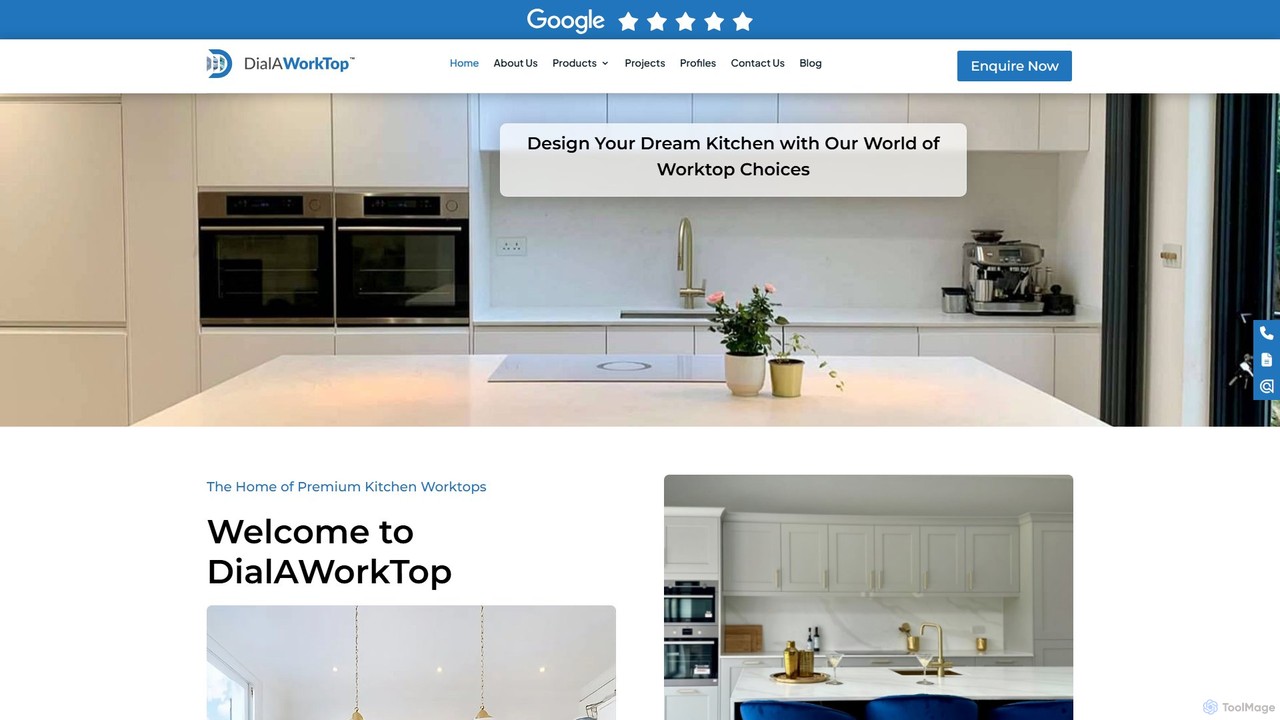
DialAWorktop is a comprehensive online platform for designing, selecting, and installing premium kitchen worktops in the UK. It offers a vast selection of materials like quartz, granite, marble, and porcelain from leading brands. The service streamlines the entire process, from initial material discovery and sample requests to professional templating and expert installation, making it a one-stop solution for homeowners and designers.
About Home Goods
AI Home Goods tools are a specialized category of ecommerce software that uses artificial intelligence to enhance the online shopping experience for furniture, decor, and other household items. These tools leverage computer vision, generative AI, and augmented reality to create interactive and personalized product visualizations. They help customers make more confident purchasing decisions by allowing them to see how items would look in their own space, ultimately reducing return rates and increasing sales. This focus on spatial and aesthetic visualization distinguishes them from general ecommerce AI.
Core Features
- Virtual Staging & Room Design: Automatically places 3D models of furniture into images of a customer's room or creates entire room layouts.
- AR "View in Your Room": Allows users to project a true-to-scale 3D model of a product into their physical space using a smartphone camera.
- Style-Based Recommendations: Analyzes user preferences and existing decor to suggest complementary products.
- Generative Product Descriptions: Creates detailed, SEO-friendly descriptions highlighting materials, dimensions, and style notes.
- 3D Model Creation: Converts standard 2D product images into interactive 3D models for web and AR use.
Use Cases
These tools are primarily used by online furniture retailers, home decor marketplaces, and interior design platforms. For example, a furniture store can use virtual staging to create compelling lifestyle images without physical photoshoots. An interior design service can use AI to generate initial mood boards and room layouts for clients, significantly speeding up the design process.
How to Choose
When selecting an AI Home Goods tool, consider the quality and realism of the 3D and AR visualizations. Evaluate its integration capabilities with your existing ecommerce platform (e.g., Shopify, Magento). Assess the accuracy of the personalization and recommendation engine. Finally, consider the tool's ability to scale and handle a large, diverse product catalog with various attributes.

Home GoodsUse Cases
Virtual Furniture Staging for Product Listings
An ecommerce manager for an online furniture brand needs to create appealing lifestyle images for hundreds of new products without the high cost and logistical challenges of physical photoshoots. Using an AI virtual staging tool, they upload standard product photos on a white background. The AI automatically places each item into a variety of pre-designed, stylish room settings, adjusting lighting and shadows for realism. This process generates a diverse gallery of high-quality marketing images in minutes, increasing product page engagement and conversion rates.
AR "View in Your Room" for Confident Purchases
A customer is browsing for a new sofa on their smartphone but is unsure if it will fit or match their living room decor. Using the retailer's app, they tap the "View in Your Room" feature. The AI tool accesses their camera, scans the floor space, and overlays a true-to-scale 3D model of the sofa in their room. The customer can walk around it, check dimensions, and see how the color complements their existing furniture. This immersive experience removes uncertainty, leading to a confident purchase and reducing the likelihood of a costly return.
Automated Generation of SEO-Friendly Product Descriptions
A home goods marketplace needs to onboard thousands of new SKUs from various vendors, each with minimal product information. Manually writing unique, detailed, and SEO-optimized descriptions is a monumental task. They implement an AI description generator. By feeding the tool basic attributes like product type (e.g., 'Area Rug'), dimensions, material ('Wool'), and style ('Bohemian'), the AI generates rich, narrative descriptions. It naturally incorporates keywords like 'hand-woven wool rug' and 'bohemian living room decor', improving search visibility and saving hundreds of hours of manual writing.
Personalized Interior Design Mood Boards
An interior designer is working with a new client who has a specific but hard-to-describe aesthetic. Instead of spending hours manually searching for products, the designer uses an AI tool. The client uploads a few inspiration images (e.g., from Pinterest). The AI analyzes the images for color palettes, textures, and furniture styles (like 'Mid-Century Modern'). It then automatically generates a shoppable mood board with products from the designer's preferred vendors that match this aesthetic. This accelerates the creative process and provides the client with a tangible, personalized vision instantly.
Visual Search for Product Discovery
A user sees a unique armchair in a magazine or at a friend's house and wants to buy something similar. They take a photo and upload it to a home decor retailer's website that uses an AI visual search tool. The AI analyzes the image's key features—shape, color, leg style, and fabric texture. Instead of relying on text keywords, the system instantly returns a list of visually similar armchairs available in the store's inventory. This provides a seamless and intuitive discovery process, converting inspiration directly into a potential sale.
AI-Powered Room Layout Planner
A couple moving into a new home wants to furnish their empty living room from a single online store. They use the store's AI room planner tool. They input the room's dimensions and the locations of doors and windows. The tool then allows them to drag and drop furniture from the store's catalog into the virtual 2D/3D space. The AI provides smart suggestions for layout, ensures furniture is to scale, and checks for clearance issues. This helps them visualize the entire room, experiment with different arrangements, and confidently add a complete set of coordinated furniture to their cart.