ToolMage
Sign in

Best 16 Personalization AI tools for Ecommerce

Popular Personalization AI tools in Ecommerce include Octane AI, Stylitics, Vue.ai, Yuma, Nudge, Mason, Contlo, Maverick, Tangent.AI, and SwiftERM, helping you work more efficiently.

Getwiser
Freemium

Getwiser

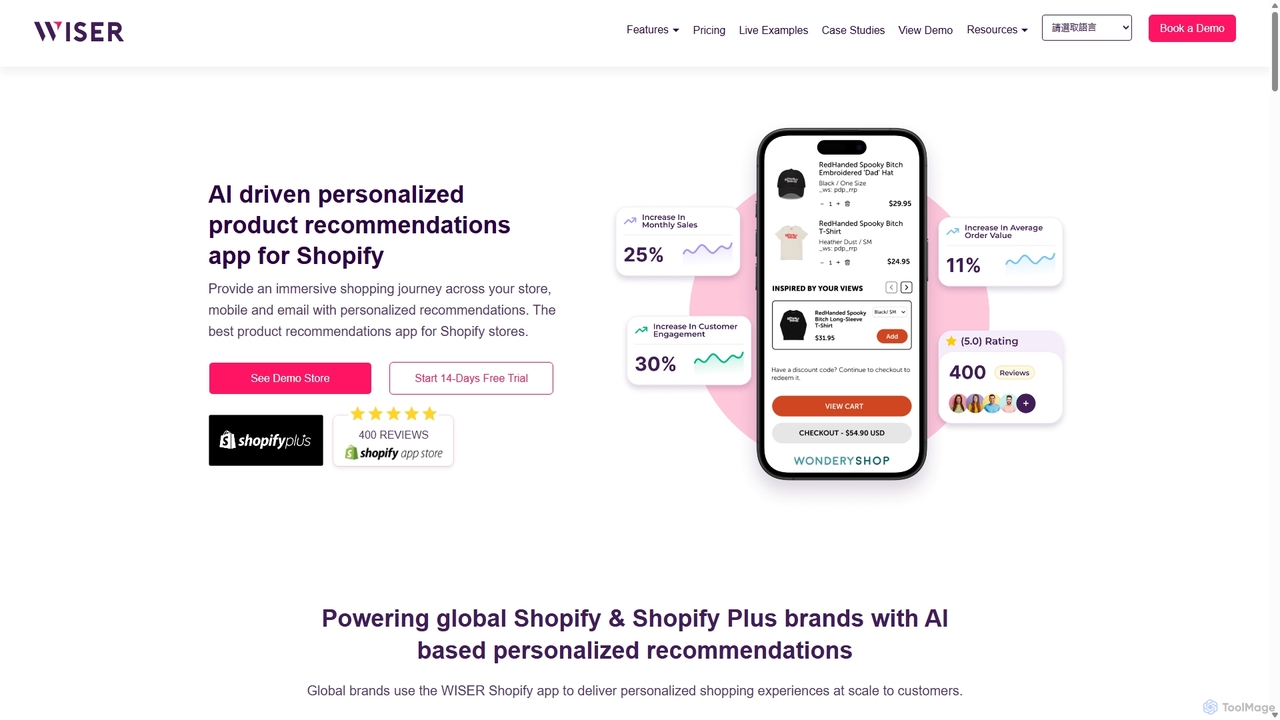
Getwiser is an AI-powered Shopify app designed to boost e-commerce sales through personalized product recommendations. It enhances the customer journey with intelligent widgets for upselling, cross-selling, and frequently bought together items, ultimately increasing average order value and conversion rates for online stores.

Personalization
Visits 8.8KFavorites 120Likes 114
Mason
Freemium

Mason

Mason is an AI-powered copilot for e-commerce, designed to boost online store performance. It delivers hyper-personalized shopping experiences to increase conversions, raise average order value (AOV) through smart upsells, and reduce promotion spending. By leveraging AI engines for conversion, merchandising, and promotions, Mason helps brands turn anonymous visitors into loyal customers.

Personalization
Visits 27.4KFavorites 134Likes 149

About Personalization

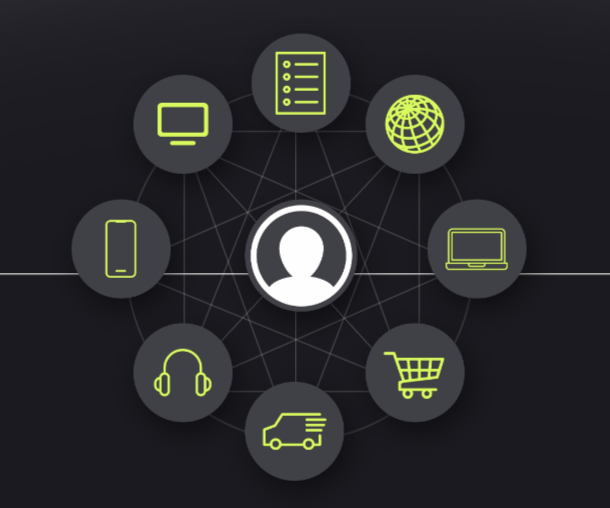
Personalization tools are AI-powered solutions designed to tailor the e-commerce experience for individual customers. These tools leverage machine learning algorithms to analyze vast amounts of customer data, including browsing history, purchase behavior, and demographics. Their primary goal is to deliver highly relevant product recommendations, dynamic content, and targeted offers, significantly enhancing customer engagement and driving higher conversion rates within online retail environments.

Core Features

  • Product Recommendation Engines: Automatically suggest relevant products to customers based on their past interactions, similar users' behavior, or product attributes.
  • Dynamic Content & Layout Optimization: Adjust website elements like banners, promotions, and page layouts in real-time to match individual visitor preferences.
  • Personalized Email & Push Notifications: Deliver tailored marketing messages, abandoned cart reminders, and promotional offers directly to specific customer segments.
  • Personalized Search & Navigation: Optimize search results and category listings to prioritize products most likely to appeal to an individual user.
  • Predictive Analytics for Customer Segments: Identify and segment customers based on predicted future behavior, such as churn risk or likelihood to purchase specific categories.

Applicable Scenarios

E-commerce personalization tools are crucial for online retailers aiming to create unique shopping journeys. They are widely used by large e-commerce platforms to manage diverse product catalogs, by fashion brands to showcase relevant styles, and by subscription services to customize offerings based on user preferences, ultimately fostering loyalty and increasing average order value.

How to Choose

When selecting a personalization tool, consider its data integration capabilities with existing CRM or CDP systems, the flexibility for A/B testing and customization, and its scalability to handle growing traffic and data volumes. Evaluate the ease of implementation, ongoing management requirements, and the vendor's support, alongside a clear understanding of its ROI measurement features.

Featured tool rankings

Personalization use cases

1

Personalized Product Recommendations on Homepage

An online electronics retailer uses AI to analyze a customer's past purchases and browsing history, displaying a curated selection of laptops, accessories, or smart home devices on their homepage, increasing the likelihood of an impulse purchase.

2

Dynamic Content for Fashion E-commerce

A fashion brand's website dynamically changes its hero banners and featured collections based on a visitor's gender, location, or previously viewed clothing styles, ensuring a highly relevant visual experience from the moment they land on the site.

3

Targeted Email Campaigns for Abandoned Carts

An e-commerce platform automatically sends personalized email reminders to customers who left items in their cart. The email might include a small discount on those specific items or suggest complementary products, significantly improving recovery rates.

4

Optimized Search Results for Specific Preferences

A customer searching for "coffee makers" on a kitchenware site sees results prioritized by their preferred brand, price range, or brewing method, learned from their previous interactions, making product discovery faster and more satisfying.

5

Personalized Subscription Box Curation

A beauty subscription service uses personalization AI to select specific products for each subscriber's monthly box, based on their skin type, preferences, and feedback from previous boxes, leading to higher satisfaction and retention.

6

Real-time Personalized Promotions

A travel booking website offers dynamic discounts on hotels or flights to a returning customer based on their past travel destinations, booking patterns, and loyalty status, encouraging repeat bookings and increasing customer lifetime value.

Personalization FAQ

What are AI Personalization tools in E-commerce?

AI Personalization tools in e-commerce are software solutions that use artificial intelligence and machine learning to deliver unique, tailored experiences to individual online shoppers. They analyze customer data like browsing history, purchase patterns, and demographics to predict preferences and present highly relevant products, content, and offers, aiming to enhance engagement and boost sales.

How do Personalization tools improve e-commerce sales?

Personalization tools improve e-commerce sales by making the shopping experience more relevant and engaging. They lead to higher conversion rates through targeted product recommendations, increased average order value (AOV) by suggesting complementary items, and improved customer loyalty by creating a more satisfying and efficient shopping journey. This relevance reduces bounce rates and encourages repeat purchases.

What's the difference between personalization and segmentation in e-commerce?

Segmentation involves dividing customers into broad groups based on shared characteristics (e.g., demographics, purchase history) and then targeting these groups with specific messages. Personalization, on the other hand, takes this a step further by tailoring content and offers to individual customers in real-time, often within those segments, based on their unique, dynamic behavior and preferences. Personalization is a more granular, one-to-one approach.

What data do e-commerce personalization tools use?

E-commerce personalization tools utilize a wide array of data, including behavioral data (page views, clicks, search queries, cart additions), transactional data (purchase history, order value), demographic data (age, location, gender), and contextual data (device type, time of day). This data is processed by AI algorithms to build comprehensive customer profiles and predict future actions, all while adhering to privacy regulations.

How to choose the best personalization tool for an online store?

To choose the best personalization tool, assess its compatibility with your existing e-commerce platform and data sources. Look for robust AI capabilities, flexible customization options, and comprehensive A/B testing features. Consider its scalability, ease of use for your team, and the quality of customer support. Finally, evaluate the pricing model and ensure it aligns with your budget and expected return on investment.