ToolMage
Sign in

Best 1 Product Curation AI tools for Ecommerce

Popular Product Curation AI tools in Ecommerce include Roundups, helping you work more efficiently.

Roundups
Freemium

Roundups

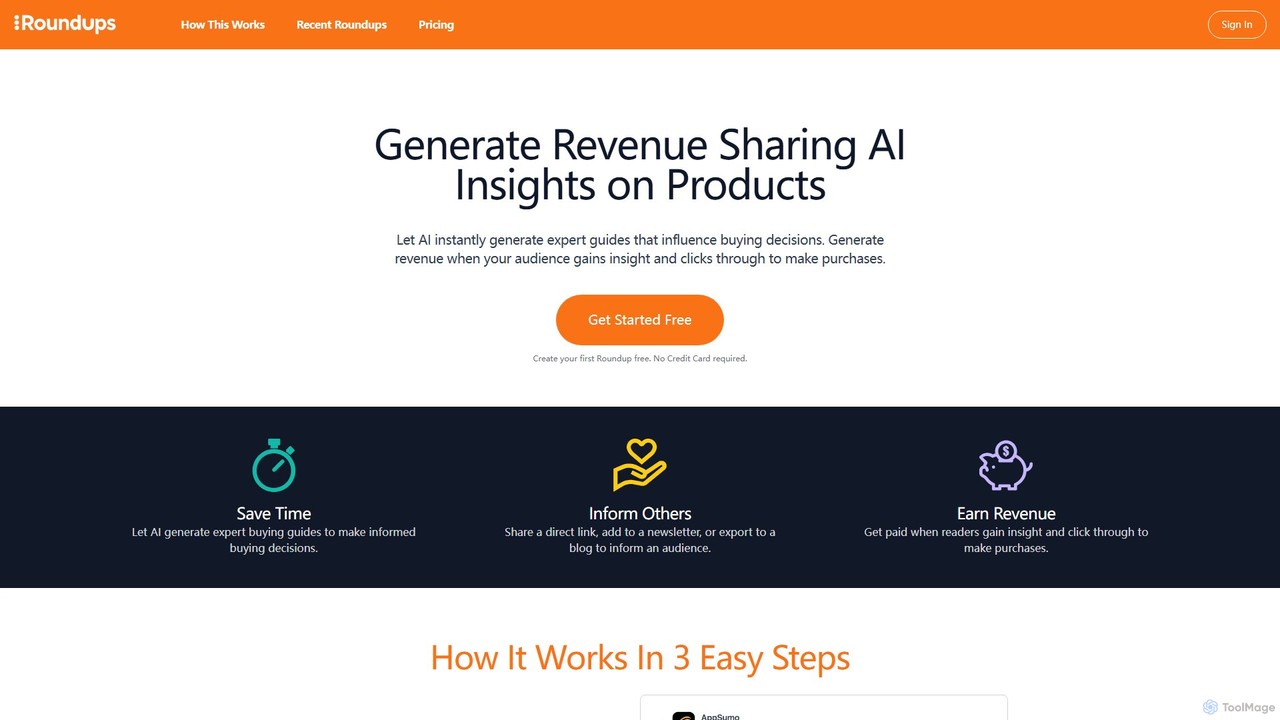
Roundups is an AI-powered platform that enables affiliate marketers, bloggers, and e-commerce brands to instantly create expert buying guides and product comparison articles. It automates research, analyzes user reviews, and generates SEO-optimized, monetizable content to influence purchasing decisions and drive revenue.

Article Writing
Visits 12.2KFavorites 174Likes 187

About Product Curation

AI Product Curation tools are a specialized category of e-commerce software that uses artificial intelligence to automatically select, group, and present products. These tools analyze vast amounts of data, including sales history, customer behavior, market trends, and product attributes, to identify the most relevant items. Their primary value lies in creating dynamic, appealing, and personalized product collections that enhance the shopping experience and drive sales. This goes beyond simple listings by intelligently merchandising a digital storefront.

Core Features

  • Automated Collection Building: Automatically creates and updates product collections based on themes, trends, or performance data.
  • Trend Analysis: Identifies emerging product trends from social media, search data, and market signals.
  • Personalization Engine: Tailors product displays and collections to individual user preferences and browsing history.
  • Visual Merchandising AI: Optimizes the visual layout of products on category pages for maximum engagement and conversion.

Use Cases

These tools are ideal for online retailers, e-commerce managers, and dropshippers looking to automate merchandising. They are particularly effective for stores with large catalogs, such as fashion, home goods, or electronics, where manually creating compelling collections is time-consuming.

How to Choose

When selecting a tool, consider its integration capabilities with your e-commerce platform (e.g., Shopify, Magento). Evaluate the sophistication of its AI model, the level of customization available for curation rules, and the quality of its analytics for measuring collection performance.

Product Curation use cases

1

Automate Seasonal and Thematic Collections

An online fashion retailer uses an AI Product Curation tool to prepare for the upcoming season. Instead of manually selecting hundreds of items, the e-commerce manager sets rules based on attributes like 'autumn colors,' 'wool fabric,' and 'new arrivals.' The AI scans the entire catalog, analyzes recent sales data, and automatically populates an 'Autumn Collection' page. The tool also creates sub-collections like 'Cozy Knitwear' and 'Back to Office,' keeping the storefront fresh and relevant with minimal manual effort.

2

Create Hyper-Personalized 'For You' Pages

A large online marketplace with millions of products aims to increase user engagement. By integrating an AI Product Curation tool, they create a dynamic 'Recommended For You' section for each logged-in user. The AI analyzes the user's clickstream data, past purchases, and viewed items to curate a unique selection of products. This moves beyond generic recommendations, presenting items in thematic groups that match the user's inferred style and interests, significantly improving conversion rates.

3

Discover High-Potential Dropshipping Products

A dropshipping entrepreneur needs to constantly find new, trending products to stay competitive. They use an AI Product Curation tool that monitors social media platforms, competitor stores, and supplier marketplaces like AliExpress. The tool identifies products with rapidly growing engagement and low market saturation, providing data-driven suggestions. This allows the entrepreneur to quickly add high-potential products to their store before they become mainstream, reducing risk and maximizing profit margins.

4

Optimize Visual Layout on Category Pages

An online furniture store wants to improve how products are displayed on their 'Sofas' category page. Their AI Curation tool functions as a digital visual merchandiser. It analyzes which product images perform best and automatically arranges the product grid to showcase the most visually appealing and popular items at the top. It can also ensure a variety of colors and styles are shown 'above the fold,' preventing visual monotony and encouraging users to scroll further.

5

Generate Smart Product Bundles

An electronics retailer wants to increase the average order value (AOV). They employ an AI Product Curation tool to analyze transaction data and identify items frequently purchased together. Based on this data, the tool automatically creates and suggests logical bundles. For example, when a customer adds a specific camera to their cart, the tool curates a bundle offer including a compatible lens, memory card, and camera bag at a slight discount, increasing the likelihood of a larger purchase.

6

Power Content-Driven Commerce

A popular cooking blog writes an article about 'Essential Tools for Baking Bread.' They use an AI Product Curation tool that integrates with their affiliate marketing platforms. The tool reads the article's content, understands the context, and automatically pulls in a curated list of relevant products—like stand mixers, proofing baskets, and digital scales—from their partners. This creates a seamless shopping experience for readers and automates the monetization of their content.

Product Curation FAQ

What are AI Product Curation tools?

AI Product Curation tools are specialized software that use artificial intelligence to automate the selection, organization, and presentation of products in an e-commerce setting. Unlike simple product listings, these tools analyze data like customer behavior, sales trends, and product attributes to create thematic collections, personalized recommendations, and visually appealing layouts. Their main purpose is to enhance the shopping experience and increase sales by acting as an intelligent digital merchandiser.

How do AI Product Curation tools differ from standard recommendation engines?

The key difference lies in their scope and purpose. A standard recommendation engine typically focuses on simple, direct associations, such as 'Customers who bought X also bought Y' or 'Products similar to this one.' AI Product Curation is more sophisticated; it aims to build entire thematic collections or journeys. For example, instead of just recommending another sweater, a curation tool might create a complete 'Winter Weekend Getaway' collection that includes sweaters, boots, scarves, and travel bags, providing a more holistic and inspiring shopping experience.

How to choose the right AI Product Curation tool?

When selecting a tool, consider these four key factors:

  • Integration: Ensure it seamlessly connects with your e-commerce platform (e.g., Shopify, BigCommerce, Magento) and other marketing tools.
  • Data Sources: Check what data the AI can analyze—does it only use your store's data, or can it incorporate external market and trend data?
  • Customization: Evaluate how much control you have over the curation rules. You should be able to guide the AI's decisions to align with your brand strategy.
  • Analytics: The tool should provide clear reports on how curated collections are performing, so you can measure ROI and refine your strategy.

Who benefits most from using Product Curation tools?

E-commerce businesses with large or frequently changing product catalogs benefit the most. This includes industries like fashion, beauty, home decor, and electronics. Key users are e-commerce managers, merchandisers, and marketers who are responsible for storefront presentation and sales performance. Dropshippers and marketplace owners also find them valuable for identifying trending products and managing vast inventories without significant manual effort.

How does AI Product Curation improve conversion rates?

AI Product Curation improves conversion rates in several ways. First, it reduces 'choice paralysis' by presenting customers with smaller, more relevant selections instead of overwhelming them with thousands of items. Second, personalization makes customers feel understood, showing them products that align with their specific tastes and needs. Finally, by creating inspiring, thematic collections (e.g., 'Shop the Look'), it encourages discovery and drives higher-value purchases, directly impacting both conversion rates and average order value.