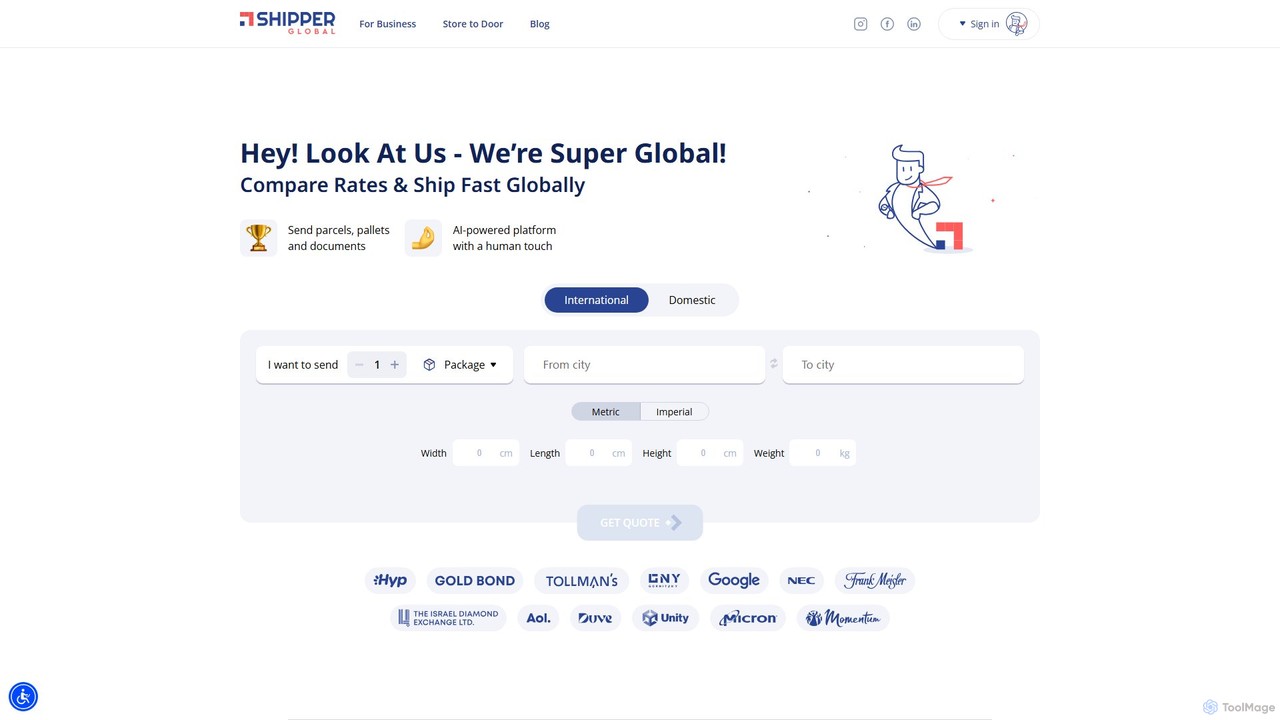
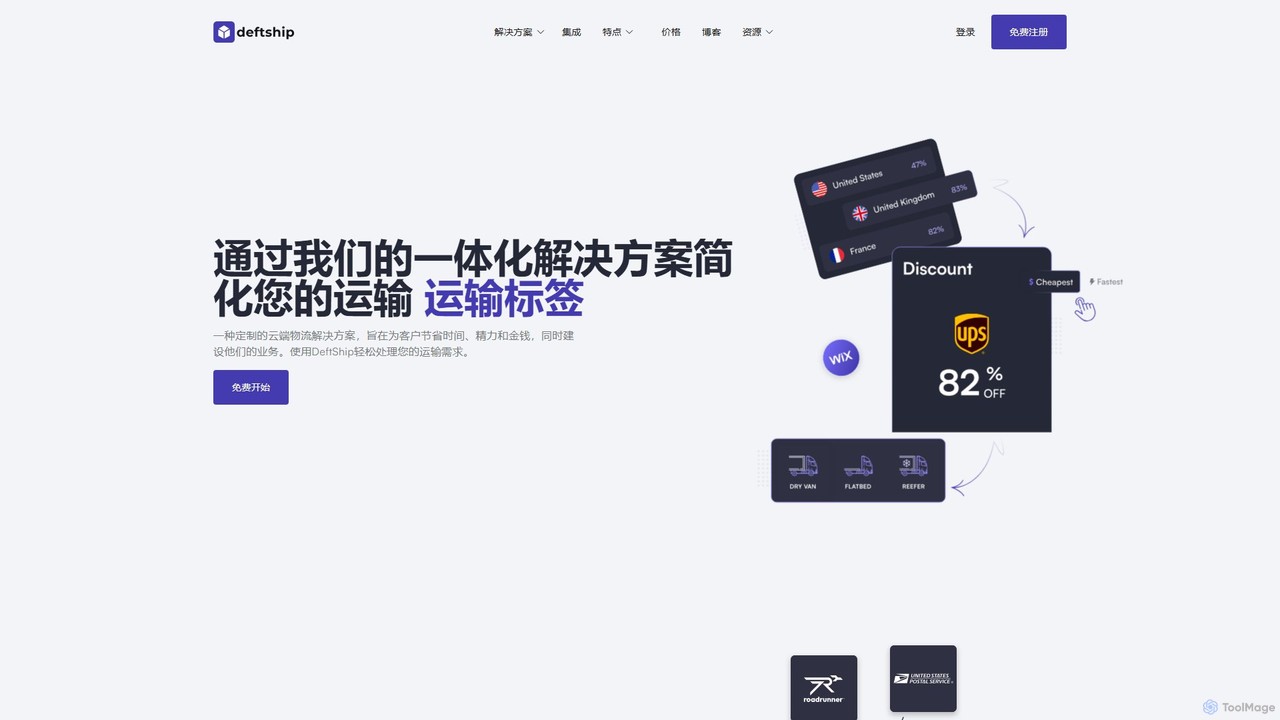
AI Shipping & Logistics tools are specialized platforms that leverage artificial intelligence to optimize and automate various aspects of the shipping and logistics processes, particularly within the broader ecommerce ecosystem. These tools utilize advanced algorithms, machine learning, and data analytics to enhance efficiency, reduce costs, and improve delivery experiences. They provide real-time insights and predictive capabilities, transforming traditional supply chain management into a more agile and responsive operation.
Core Features
- Route Optimization: Dynamically plans the most efficient delivery routes considering traffic, weather, and delivery windows.
- Demand Forecasting: Predicts future shipping volumes and inventory needs based on historical data and market trends.
- Automated Tracking & Notifications: Provides real-time shipment visibility and sends proactive updates to customers and stakeholders.
- Warehouse Management Integration: Streamlines inventory placement, picking, packing, and dispatch processes within fulfillment centers.
- Customs & Compliance Automation: Simplifies international shipping by automating documentation and ensuring regulatory adherence.
Applicable Scenarios
These tools are crucial for ecommerce businesses managing high volumes of orders, logistics providers seeking to optimize fleet operations, and manufacturers aiming to streamline their supply chain from production to final delivery. They are particularly valuable for companies looking to enhance customer satisfaction through faster, more reliable, and transparent shipping services.
How to Choose
When selecting AI Shipping & Logistics tools, consider their integration capabilities with your existing ecommerce platforms and ERP systems, scalability to handle fluctuating order volumes, and the specific features offered, such as international shipping support or last-mile delivery optimization. Evaluate the tool's ability to provide actionable insights, its user-friendliness, and the overall return on investment through cost savings and improved operational efficiency.