
Ecommerce Best in category 1 results Shopping Cart AI Tool

Popular AI tools in the Shopping Cart field of Ecommerce include ThriveCart, etc., helping you quickly improve efficiency.

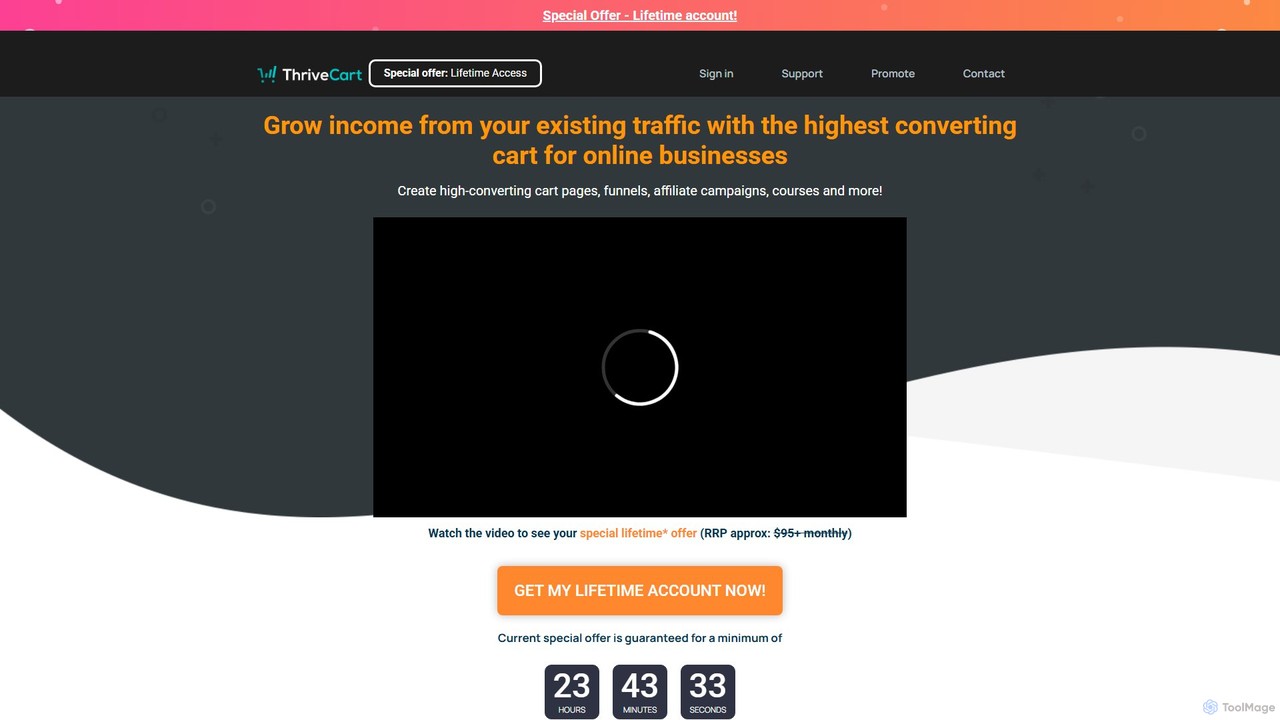
ThriveCart

ThriveCart

ThriveCart is a powerful, all-in-one shopping cart platform designed to boost online sales for businesses. It enables the …

2.7M

About Shopping Cart

AI Shopping Cart tools are advanced e-commerce solutions that use artificial intelligence to optimize the checkout process and maximize revenue. They leverage machine learning algorithms to analyze customer behavior in real-time, enabling personalized experiences directly within the cart. This technology transforms the standard cart from a simple item holder into an active sales and conversion optimization engine. By predicting user intent and automating responses, these tools help increase average order value and reduce cart abandonment.

Core Features

  • Intelligent Recommendations: Suggests personalized upsells and cross-sells based on cart contents and user browsing history.
  • Predictive Cart Abandonment: Identifies users likely to abandon their cart and triggers automated recovery campaigns like targeted pop-ups or emails.
  • Dynamic Promotions: Automatically applies the most relevant discounts or offers based on user segments, behavior, or cart value.
  • AI-Powered Fraud Detection: Analyzes transaction patterns in real-time to identify and block potentially fraudulent orders before they are completed.
  • Checkout Flow Optimization: Simplifies the checkout process by pre-filling data or dynamically reordering payment and shipping options for user convenience.

Use Cases

These tools are primarily used by e-commerce businesses of all sizes, from independent online stores to large retail enterprises. They are essential for marketing managers, e-commerce operators, and business owners focused on improving conversion rates, increasing customer lifetime value, and reducing lost sales during the final stages of the purchasing journey.

How to Choose

When selecting an AI Shopping Cart tool, consider its integration capabilities with your existing e-commerce platform (e.g., Shopify, WooCommerce, Magento). Evaluate the sophistication of its AI models for recommendations and abandonment prediction. Also, assess the level of customization available for promotions and recovery campaigns, and review the analytics dashboard for performance tracking.

Shopping CartUse Cases

1

Automated Upselling and Cross-selling at Checkout

An online fashion retailer uses an AI Shopping Cart to increase Average Order Value (AOV). When a customer adds a pair of jeans to their cart, the AI analyzes the product and the customer's past purchase history. It then displays a personalized recommendation directly in the cart, such as a matching belt or a t-shirt frequently bought with those jeans. This non-intrusive suggestion encourages an impulse buy just before payment, often resulting in a 10-15% increase in AOV without requiring manual configuration for each product.

2

Intelligent Abandoned Cart Recovery

An electronics store tackles its high cart abandonment rate using an AI-powered system. The AI detects when a high-value cart is abandoned and analyzes user behavior leading up to the exit, such as hesitation on the shipping cost page. Instead of a generic reminder, it triggers a personalized recovery email an hour later, offering a time-sensitive free shipping code. This targeted approach is significantly more effective than mass emails, helping the store recover up to 20% of otherwise lost revenue by addressing the specific point of friction.

3

Dynamic Promotion Application for Maximizing Margin

A cosmetics brand wants to run a promotion without devaluing its products. Using an AI cart, they set up a dynamic offer: a 15% discount that only applies if a customer's cart value exceeds $75 AND contains at least one item from the new skincare line. The AI checks these conditions in real-time. This ensures the discount is only given to high-value customers who are also engaging with new products, protecting profit margins while still incentivizing larger purchases and product discovery. It avoids blanket discounts that erode profitability.

4

Real-time Fraud Prevention at Checkout

A retailer selling high-value electronics uses an AI shopping cart to minimize chargebacks. The AI analyzes dozens of data points in real-time as an order is placed, including IP address location, shipping/billing address mismatch, and unusual purchase velocity. If an order for five new laptops is placed from a new account with shipping to a high-risk country, the AI flags it as high-risk. It can automatically hold the order for manual review or decline it, preventing a potential fraudulent transaction worth thousands of dollars from being processed.

5

Optimizing Checkout with Personalized Shipping Options

A global e-commerce marketplace uses an AI cart to reduce friction in the final step of checkout. Based on the customer's location, past choices, and the items in their cart, the AI dynamically presents the most relevant shipping options first. For a customer in a major city who previously chose express delivery, it highlights the 'Next-Day Delivery' option. For a rural customer buying a heavy item, it might prioritize a more economical standard shipping option. This personalization prevents users from getting overwhelmed by a long list of irrelevant choices, speeding up the checkout process.

6

Inventory-Aware Promotions to Reduce Waste

An online grocery delivery service uses its AI cart to manage perishable stock. The system is connected to the inventory database. When a customer adds items to their cart, the AI checks for perishable goods nearing their expiration date that are related to the cart's contents. For instance, if a customer adds salad greens and tomatoes, the cart might display a pop-up offering '50% off avocados, best by tomorrow'. This targeted, context-aware promotion helps sell off stock that would otherwise be wasted, protecting revenue and reducing food waste.

Shopping CartFrequently Asked Questions